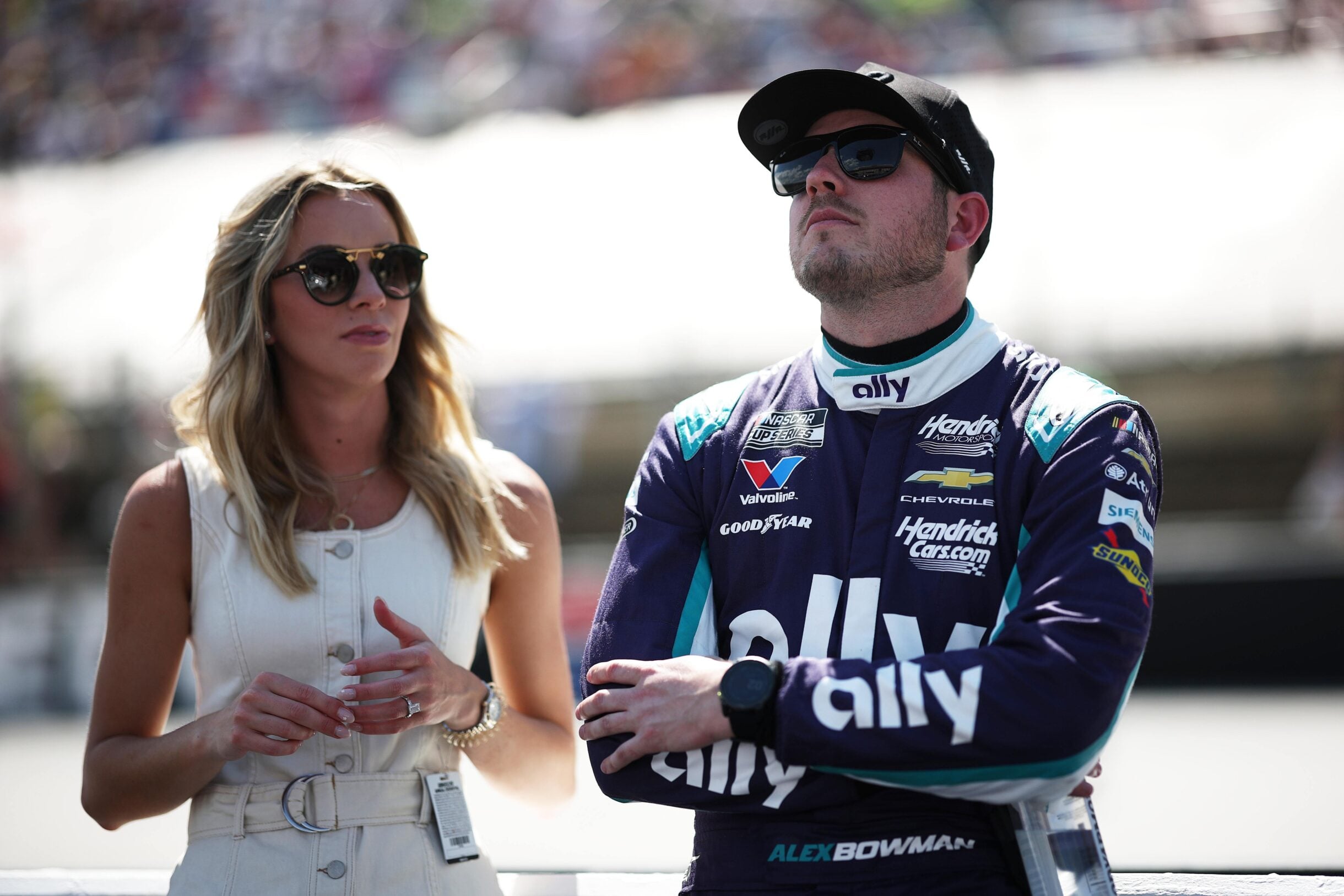
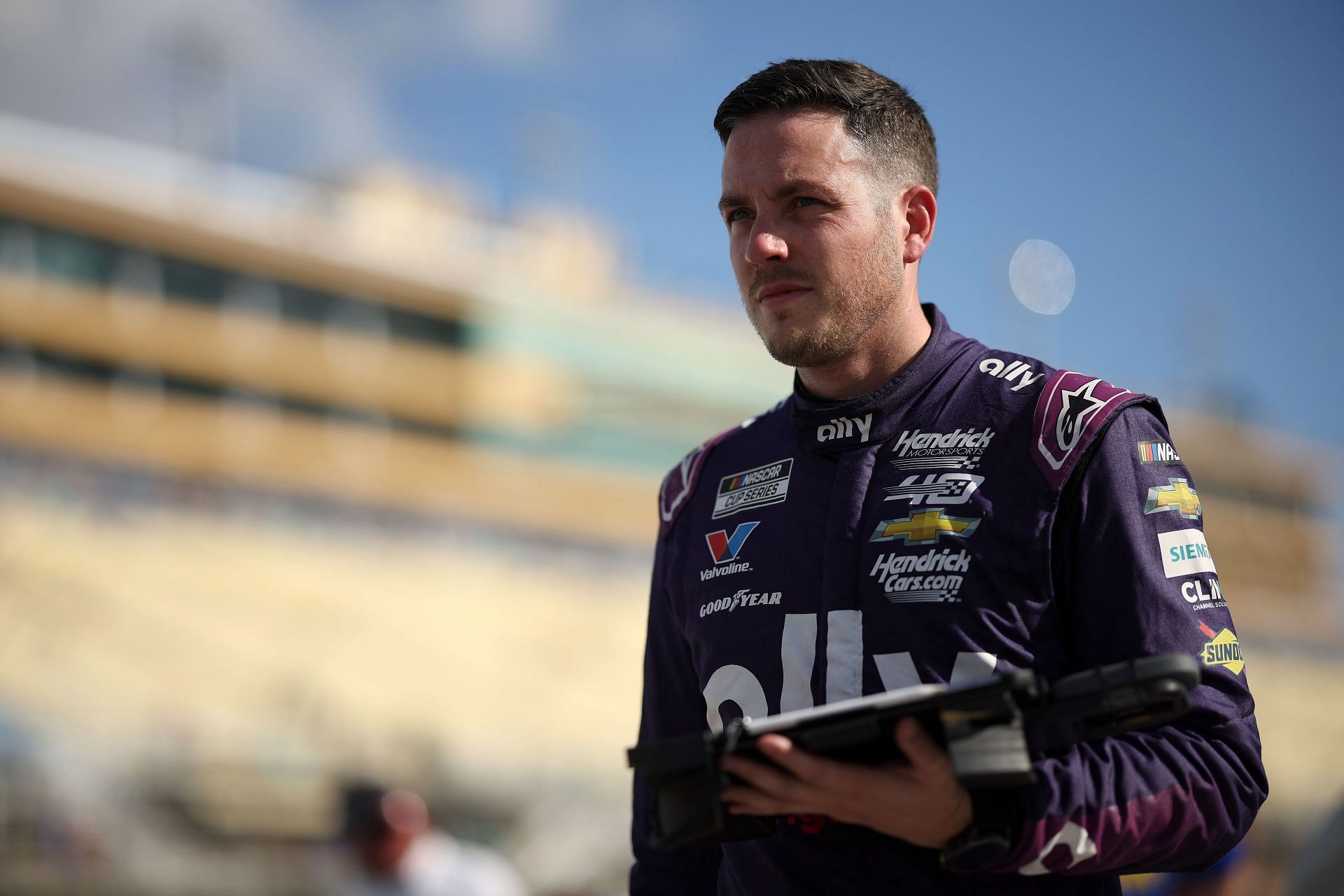
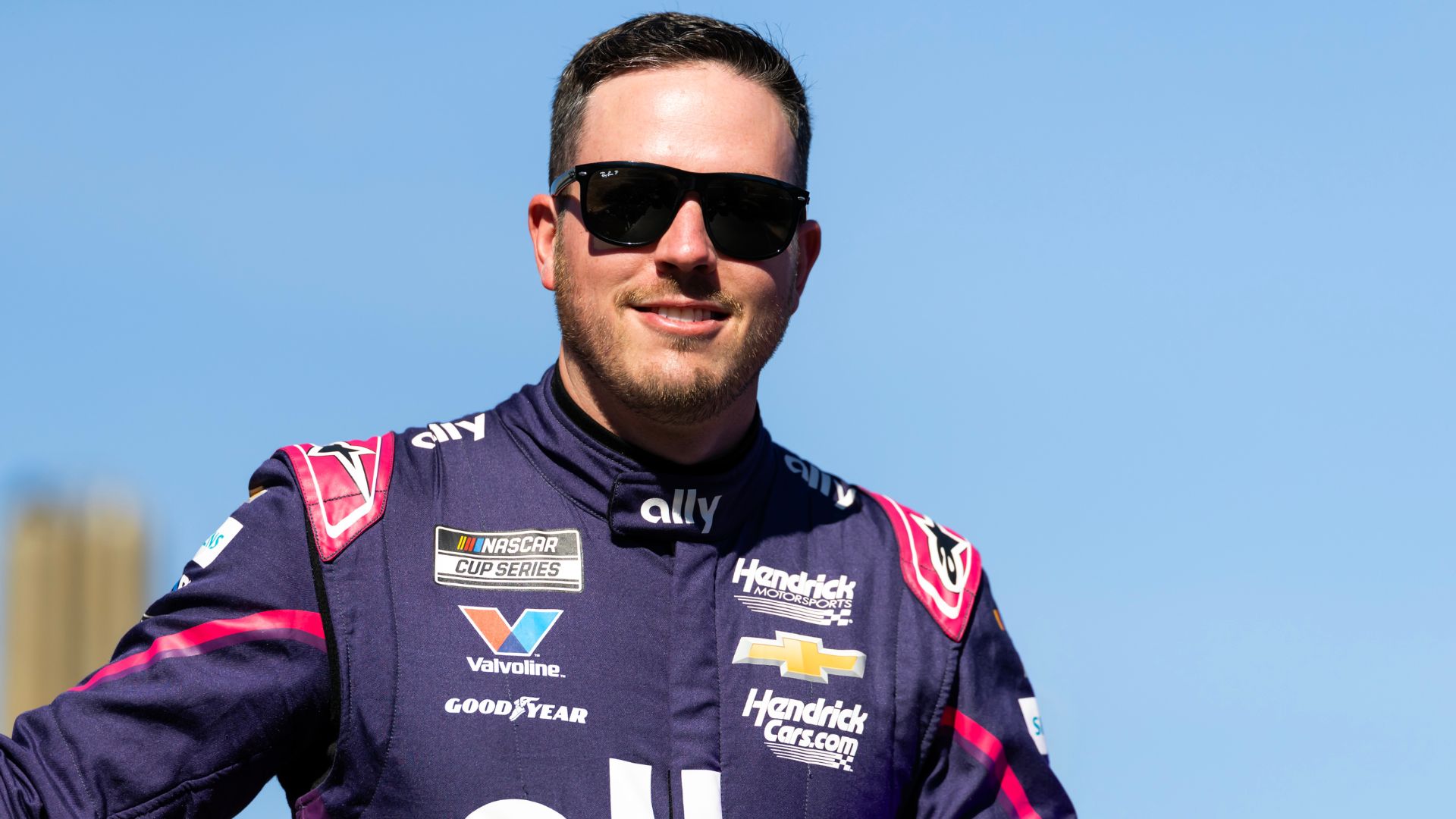
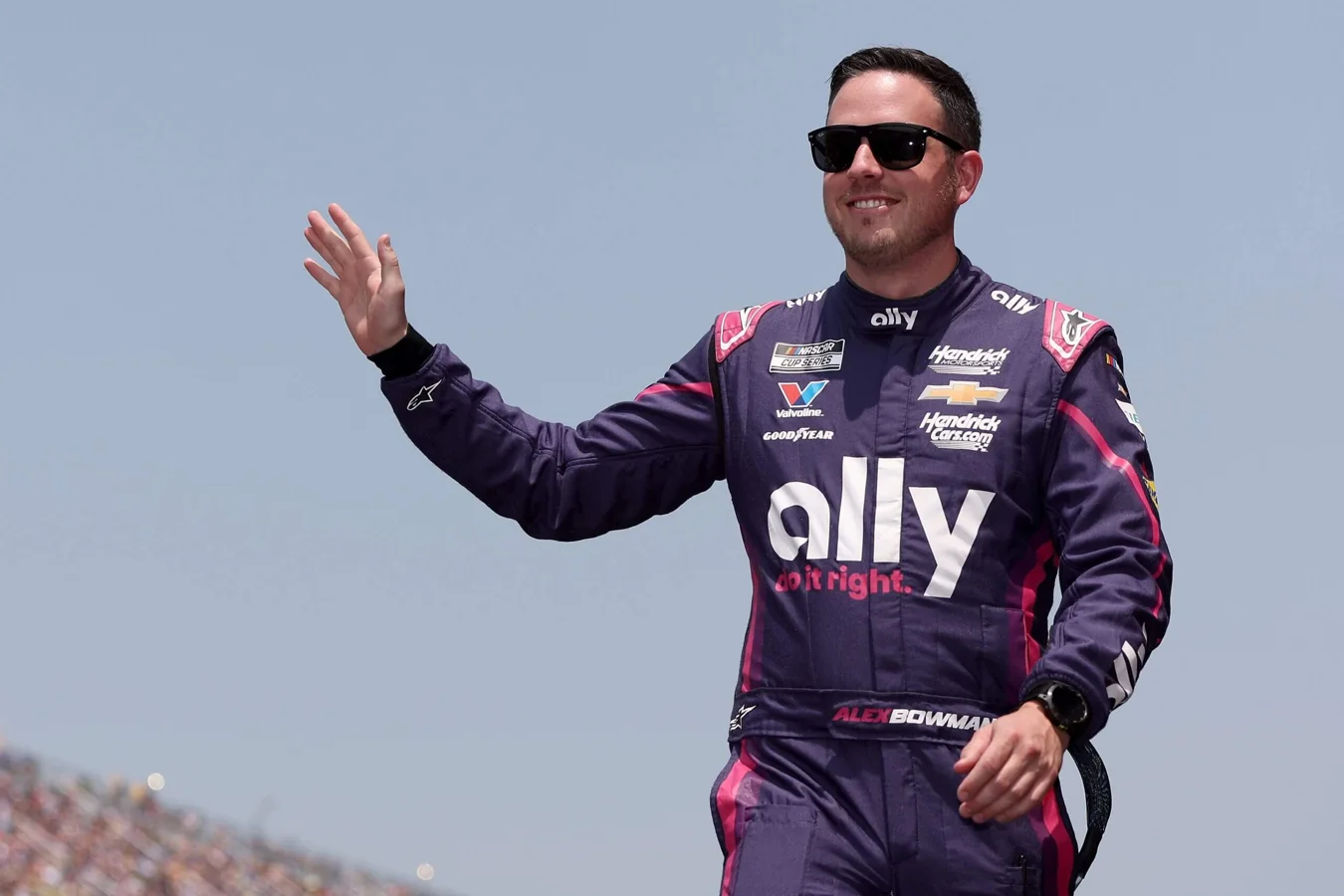
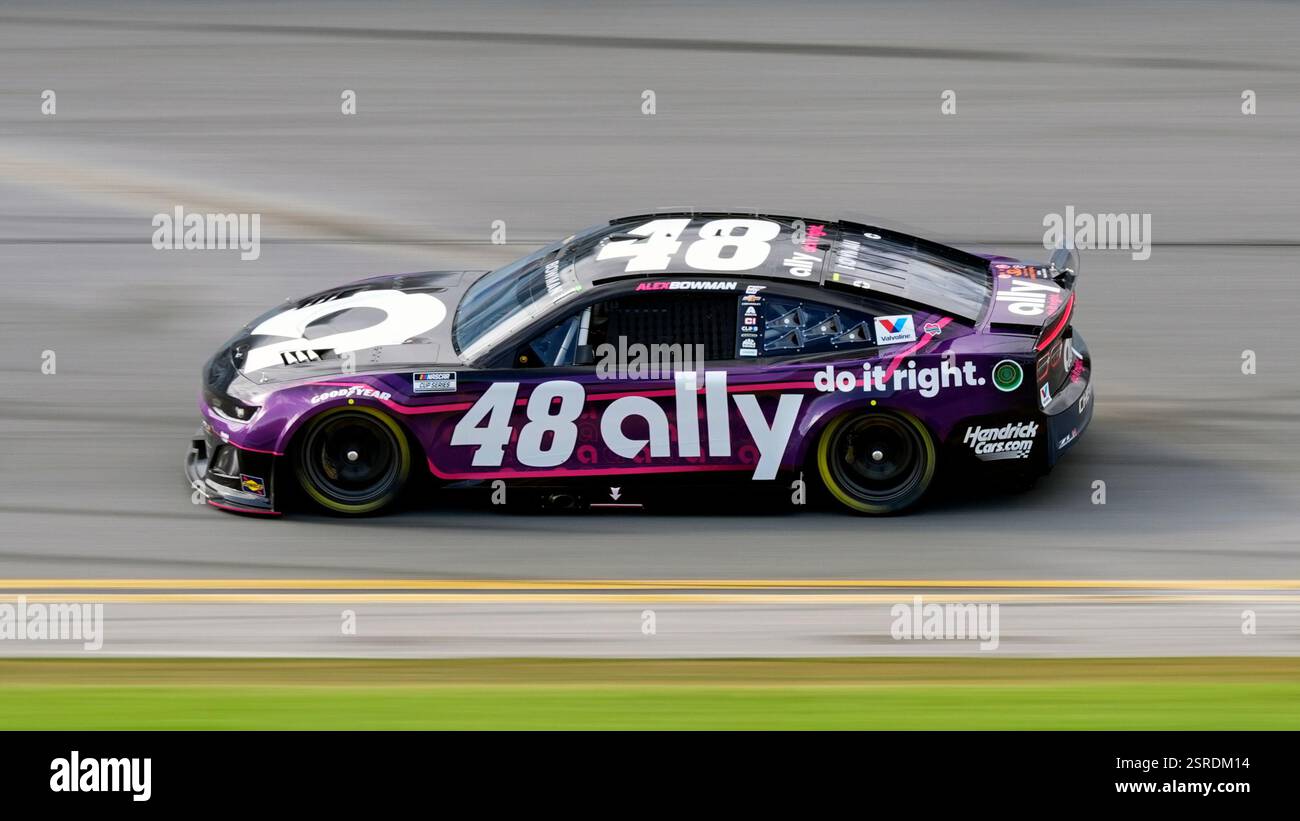
Alex Bowman’s 2014 season marked his rookie debut in the NASCAR Cup Series, driving the No. 23 Toyota for the underfunded BK Racing team. While he faced immense challenges with mechanical failures and mid-pack equipment, this grueling entry point forged the resilience required for his eventual transformation into a premier multi-time winner for Hendrick Motorsports.
The trajectory of a professional racing driver is rarely a straight line toward success. For Alex Bowman, the road was particularly winding, defined by early-career uncertainty, a stint as a "simulator specialist," and a high-pressure substitution role that changed his life. Looking back from 2026, Bowman stands as a veteran of the sport, but his 2014 season remains the most critical chapter for understanding his evolution from a struggling rookie to a cornerstone of the Chevrolet racing program.
The 2014 Rookie Campaign: Trial by Fire at BK Racing
In 2014, the NASCAR Cup Series (then known as the Sprint Cup Series) was a different landscape. The "Gen-6" car was in its second year, and the gap between elite teams and "start-and-park" or low-budget operations was vast. Into this environment stepped a 21-year-old Alex Bowman, who had shown promise in the ARCA Racing Series and the NASCAR Xfinity Series.
Bowman signed with BK Racing, an organization that frequently struggled for sponsorship and consistency. Driving the No. 23 Toyota Camry, Bowman was thrust into a "sink or swim" scenario. The statistics from that year do not reflect the talent behind the wheel, but rather the limitations of the machinery.
Facing the Realities of Underfunded Equipment
During the 2014 season, Bowman completed 36 races, but the results were sobering. His average starting position was 33.3, and his average finish was 32.6. For a young driver trying to make a name for himself, these numbers could have been a career-ender. However, those within the garage noticed his ability to keep the car clean and maximize the performance of a vehicle that often lacked the aerodynamic efficiency and horsepower of the leaders.
His best finish of the year came at Daytona International Speedway during the Coke Zero 400, where he managed a 13th-place result. Beyond that, the season was a collection of finishes in the 20s and 30s, marred by seven DNFs (Did Not Finish), many of which were due to engine failures or vibration issues. This period of "the grind" is what many analysts point to when discussing Bowman’s mental toughness today in 2026.
Pre-2014: The Foundation of a Professional Career
To understand why Bowman was even given a shot in 2014, one must look at his performance in the lower tiers of American stock car racing. Bowman was a standout in the ARCA Racing Series in 2011 and 2012, capturing several wins and showing a particular aptitude for intermediate tracks.
In 2013, he moved to the NASCAR Xfinity Series with RAB Racing. He earned two poles that year and finished 11th in the standings. While he didn't visit victory lane, his qualifying speed was undeniable. It was this raw speed that convinced BK Racing to take a chance on him for their 2014 Cup effort. At the time, Bowman was considered part of a "youth movement," though he lacked the massive corporate backing that often propelled his peers into top-tier rides.
2015 and the "Twitter Fire" Incident
Following the 2014 season, Bowman moved to Tommy Baldwin Racing (TBR) to drive the No. 7 Chevrolet. While TBR was slightly more competitive than BK Racing, it was still a bottom-tier team. Bowman’s 2015 season was marginally better, with a best finish of 16th at Talladega, but the real drama occurred during the off-season.
In early 2016, Bowman famously found out he had been released from Tommy Baldwin Racing via social media. With no ride and the season fast approaching, his career appeared to be over before it truly began. This moment is often cited as the lowest point in his journey, leading him to accept a role that most drivers would consider a step backward: becoming a simulator driver for Hendrick Motorsports (HMS).
The Turning Point: Substituting for a Legend
The pivotal moment of Bowman's career occurred in 2016. When Dale Earnhardt Jr. was sidelined due to concussion-like symptoms, Rick Hendrick needed a reliable substitute for the No. 88 Chevrolet. Because Bowman had been doing extensive work in the HMS simulator, he was the natural choice to fill in for several races.
Bowman's performance in the No. 88 car was a revelation. Free from the constraints of underfunded equipment, he demonstrated what he could do in elite machinery:
- Phoenix 2016: Bowman won the pole position and led 194 laps, eventually finishing 6th after a late-race restart shuffled the field.
- Consistency: He proved he could run in the top ten consistently, earning the respect of the Hendrick organization and the massive "Junior Nation" fanbase.
This stint was the "job interview" that secured his future. When Earnhardt Jr. announced his retirement following the 2017 season, Bowman was named the full-time successor to the No. 88 seat for 2018.
The Hendrick Era: Evolution into a Winner
Taking over for the most popular driver in the sport was no easy task. Bowman faced immense pressure to perform immediately. His first full season with Hendrick in 2018 saw him make the playoffs, proving that he belonged in the conversation with the sport's elite.
Breaking Through at Chicagoland
In 2019, Bowman finally broke through for his first career Cup Series win at Chicagoland Speedway. It was an emotional victory that validated his years of struggle at BK Racing and Tommy Baldwin Racing. He famously described himself as "just a guy who wanted to race," a nod to his humble beginnings.
Moving to the No. 48
In 2021, Bowman made another high-profile transition, moving from the No. 88 to the legendary No. 48, previously occupied by seven-time champion Jimmie Johnson. That season became his most successful to date, as he captured four wins (Richmond, Dover, Pocono, and Martinsville). He earned the nickname "The Showman" for his ability to win in dramatic fashion, often late in the race.
Career Statistical Comparison: Then vs. Now
The following table illustrates the dramatic shift in Bowman's career trajectory from his rookie year in 2014 to his established veteran status.
| Metric | 2014 (BK Racing) | 2021 (Peak HMS Year) | Career Total (Estimate as of 2026) |
|---|---|---|---|
| Average Finish | 32.6 | 15.1 | ~16.5 |
| Wins | 0 | 4 | 10+ |
| Top 5s | 0 | 8 | 40+ |
| Top 10s | 0 | 16 | 90+ |
| Laps Led | 0 | 161 | 1,500+ |
| Playoff Rank | N/A | 14th | Multi-year Contender |
Technical Depth: The Role of Simulation in Bowman's Success
One cannot discuss Alex Bowman’s journey without highlighting the technical evolution of NASCAR. Between 2016 and 2017, Bowman became one of the industry's leading experts in Driver-in-the-Loop (DIL) simulation.
As NASCAR restricted on-track testing to save costs, teams relied heavily on digital environments to develop setups. Bowman’s ability to provide precise feedback to engineers while driving the simulator allowed Hendrick Motorsports to refine their aerodynamic and chassis packages. This "behind the scenes" work is what kept him sharp during his year without a full-time ride and is a primary reason why he was able to jump into the No. 88 car and be immediately competitive. In 2026, Bowman is still recognized as one of the best "test" drivers in the garage, possessing a rare technical vocabulary that bridges the gap between the cockpit and the engineering office.
Lessons from the Journey: Why 2014 Matters
The 2014 season serves as a case study for aspiring drivers. It highlights that "bad" statistics are not always an indicator of a lack of talent. Had Bowman given up after his struggles at BK Racing, or after being fired via Twitter in 2016, he would have missed out on becoming a flagship driver for Chevrolet.
His journey also underscores the importance of the NASCAR Ladder System. Bowman didn't have a billionaire father or a massive lifetime contract. He worked his way through ARCA, took the only Cup ride available (even a poor one), and used a support role to prove his worth. This "blue-collar" path to a "white-collar" team like Hendrick Motorsports has made him a fan favorite among those who value perseverance.
Frequently Asked Questions
What team did Alex Bowman drive for in 2014?
In 2014, Alex Bowman drove for BK Racing. He piloted the No. 23 Toyota Camry for the full 36-race schedule. BK Racing was an independent team that operated from 2012 to 2018 before filing for bankruptcy and selling its assets.
Was Alex Bowman's 2014 season considered a failure?
Statistically, the 2014 season was poor, with zero top-10 finishes and an average finish of 32.6. However, it was not considered a personal failure for Bowman. Most industry experts recognized that the car's performance was the limiting factor. Bowman earned praise for his ability to finish races and avoid rookie mistakes despite the mechanical instability of the BK Racing equipment.
How did Alex Bowman get the ride at Hendrick Motorsports?
Bowman’s path to Hendrick was unconventional. After losing his full-time ride in early 2016, he was hired by Hendrick Motorsports as a simulator and test driver. When Dale Earnhardt Jr. was sidelined with a concussion later that year, Bowman was tapped to fill in for 10 races. His impressive performance, including a pole position at Phoenix, secured his spot as the full-time driver of the No. 88 car starting in 2018.
What is Alex Bowman’s nickname?
Alex Bowman is widely known as "The Showman." This nickname gained popularity during his high-win 2021 season, reflecting his knack for winning races in exciting, often unexpected ways. He is also occasionally referred to by fans as "Bowman the Showman."
How many wins does Alex Bowman have as of 2026?
While the exact number can fluctuate depending on the most recent 2025/2026 race results, Bowman entered the mid-2020s as a multi-time winner with over 10 career Cup Series victories. His most successful single season remains 2021, where he captured four checkered flags.
Practical Recommendation for Racing Historians
For those looking to truly appreciate the depth of Alex Bowman's 2014 struggle, it is recommended to review the race archives of the 2014 Daytona 500. As a rookie, Bowman successfully qualified for the "Great American Race" on speed, which was a significant achievement for a team of BK Racing's stature. Observing his car control during the high-speed drafting sessions of that era provides a clear view of the talent that Rick Hendrick would eventually capitalize on years later.
Furthermore, students of the sport should look into the history of BK Racing’s No. 23 car. Understanding the financial and mechanical hurdles of that specific team provides essential context for why Bowman's eventual success at Hendrick Motorsports is considered one of the greatest "underdog" stories in modern NASCAR history.