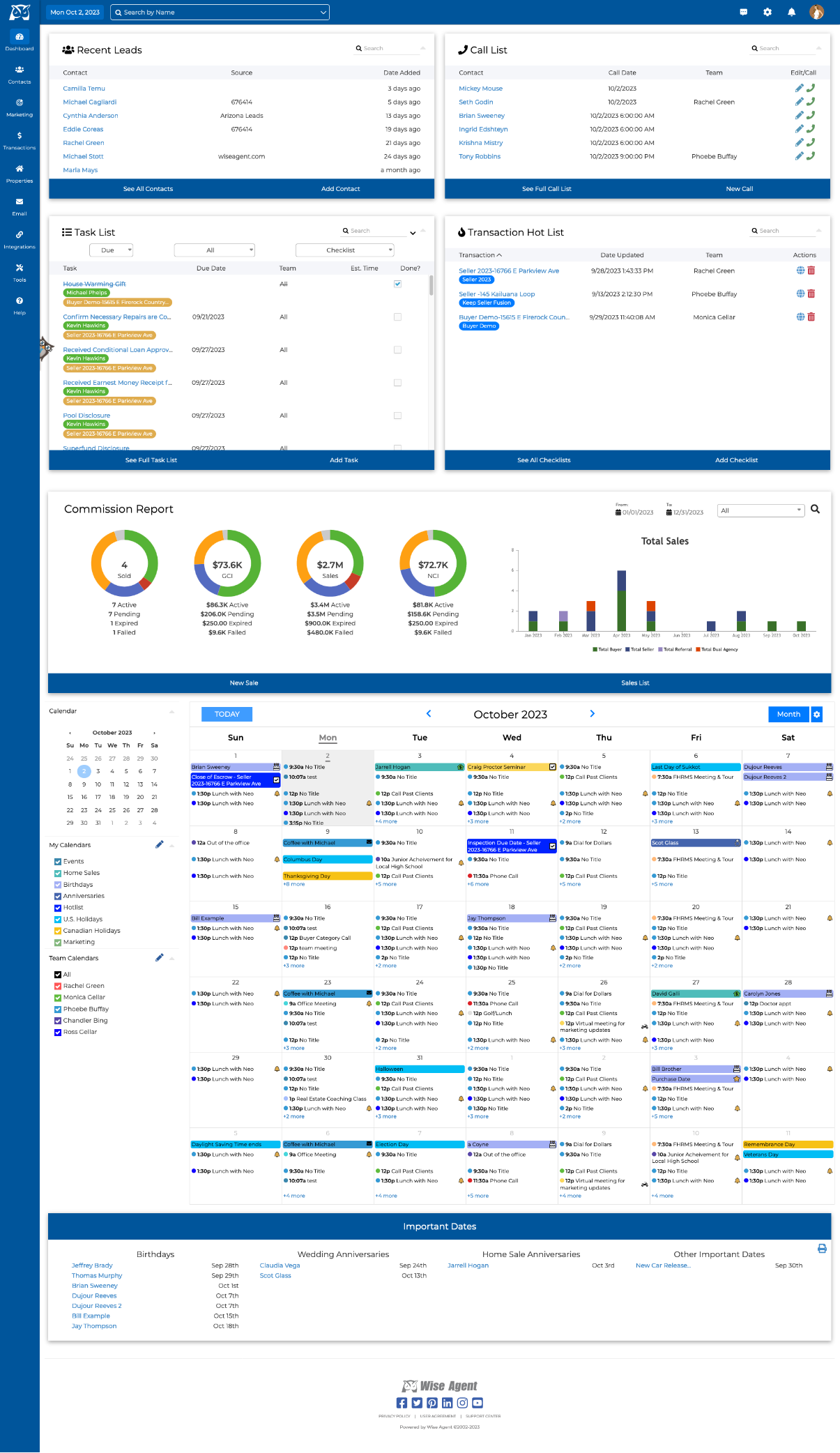
AgentLocator is a comprehensive lead generation and CRM ecosystem designed to help real estate brokers and agents capture, track, and convert digital leads. By integrating high-performance IDX websites with a robust CRM and managed PPC advertising, it provides a centralized platform for managing the entire client lifecycle from initial search to closing.
In the competitive landscape of 2026, real estate brokers face an environment where lead costs are volatile and consumer expectations for instant response are at an all-time high. AgentLocator has positioned itself as a mission-critical tool for North American brokerages by bridging the gap between raw web traffic and meaningful client relationships. For brokers, the platform is not merely a contact list; it is an operational engine that handles lead routing, automated nurturing, and team accountability.
The following analysis explores the technical architecture, lead generation capabilities, and management features of AgentLocator, providing brokers with the data necessary to determine if this platform fits their specific business model.
The Technical Architecture of the AgentLocator Ecosystem
AgentLocator operates on a dual-pillar system: a front-end lead generation engine and a back-end Customer Relationship Management (CRM) platform. This integration is vital because it eliminates the "data friction" often found when brokers use separate providers for their website and their database.
IDX Website Integration
At the front end, AgentLocator provides IDX (Internet Data Exchange) websites that are optimized for lead capture. Unlike standard portfolio websites, these are "conversion-first" platforms. They require users to register after viewing a certain number of properties, a tactic known as forced registration. In 2026, this remains the most effective way to generate high volumes of leads from Google Ads and Facebook traffic. The websites are fully integrated with local MLS boards, ensuring that listing data is updated in near real-time, which is essential for maintaining consumer trust.
The CRM Backbone
The CRM serves as the central hub for all lead activity. When a user registers on the website, their contact information, search history, and behavioral data are instantly pushed to the CRM. This allows agents to see exactly which properties a lead has viewed, how many times they have returned to the site, and which price points they are targeting. The CRM architecture is built to handle high-volume data, allowing brokers to manage thousands of leads without performance degradation.
Lead Generation: Managed PPC and Organic Growth
One of the primary reasons brokers choose AgentLocator is their managed advertising services. While many platforms provide the software and leave the marketing to the user, AgentLocator employs in-house Google Ads and Meta Ads specialists to manage campaigns on behalf of the broker.
Google Ads Management
AgentLocator’s approach to Google Ads focuses on intent-based search. By bidding on keywords like "homes for sale in [City]" or "condos for hire near [Neighborhood]," they capture users who are actively in the market. The technical advantage here is their use of dynamic landing pages that match the user’s search query perfectly, which lowers the Cost Per Lead (CPL) by increasing the Quality Score of the ads.
Behavioral Tracking and Retargeting
In 2026, capturing a lead once is rarely enough. AgentLocator utilizes advanced tracking pixels to monitor user behavior after they leave the site. If a lead views three luxury homes but doesn't return for a week, the system can trigger retargeting ads or automated SMS messages to bring them back into the fold. This behavioral-driven approach ensures that the broker’s ad spend is utilized to nurture existing leads, not just find new ones.
Advanced CRM Features for Brokerages and Teams
For a broker running a team, the CRM needs to do more than just store phone numbers. It must act as a management tool that ensures no lead is wasted and every agent is performing their duties.
Lead Distribution and "Shark Tank" Routing
AgentLocator provides sophisticated lead routing rules. Brokers can distribute leads based on:
- Round Robin: Equal distribution among all agents.
- Geography: Routing leads to agents who specialize in specific zip codes or neighborhoods.
- Price Point: Directing luxury leads to senior agents.
- Shark Tank: A competitive mode where a lead notification is sent to a group of agents, and the first one to "claim" it gets the lead.
This level of control is essential for maintaining team morale and ensuring that the most valuable leads are handled by the most capable agents.
Automated Nurturing with AI
By 2026, AgentLocator has fully integrated AI-driven nurturing tools, often referred to within their ecosystem as "Branda." This AI assistant can engage in two-way SMS conversations with leads as soon as they register. The goal is to qualify the lead—asking about their budget, timeline, and whether they are currently working with an agent—before the human agent even picks up the phone. This significantly reduces the "speed to lead" pressure on agents and ensures that they spend their time talking to motivated prospects rather than cold leads.
Strategic Comparison: AgentLocator vs. Market Competitors
When evaluating CRM and lead gen platforms, brokers must consider how AgentLocator stacks up against other industry giants. The following table provides a comparison based on features and target audience as of 2026.
| Feature | AgentLocator | KVCore | BoomTown | Follow Up Boss |
|---|---|---|---|---|
| Primary Strength | Managed PPC & ROI | Enterprise-wide automation | High-end lead gen | CRM flexibility/API |
| Lead Capture | High (Forced IDX) | Medium/High | High | Low (Requires 3rd party) |
| Best For | Small to Mid-Sized Teams | Large Franchises | High-budget teams | Tech-savvy independent agents |
| Managed Ads | Yes (Google/Meta) | Optional | Yes | No |
| AI Integration | High (Two-way SMS) | High | Medium | Medium |
| Pricing Model | Subscription + Ad Spend | Per Seat/Enterprise | High Monthly Retainer | Per User |
Financial Considerations and ROI for Brokers
Investing in AgentLocator involves two primary costs: the software subscription and the advertising spend. For a broker, understanding the return on investment (ROI) is the most critical metric.
Subscription Tiers
AgentLocator typically offers tiers based on the number of agents and the complexity of the website. For a small brokerage, the entry-level professional tier provides the CRM and an IDX website. Larger brokerages may opt for the "Enterprise" solution, which includes custom branding, advanced reporting modules, and white-label options.
Ad Spend Management
Unlike some competitors who charge a percentage of the ad spend, AgentLocator’s pricing models are designed to be transparent. Brokers set their own monthly budget for Google or Facebook ads, and AgentLocator charges a management fee to optimize those campaigns. This transparency allows brokers to scale their lead volume up or down based on market conditions or seasonal fluctuations.
Calculating the Break-Even Point
To determine ROI, brokers should calculate their average commission per deal and their historical lead-to-close conversion rate. If AgentLocator generates leads at an average cost of $15 and the team converts at 2%, the cost per acquisition (CPA) is $750. In most North American markets in 2026, where commissions range from $10,000 to $30,000, this CPA represents a highly profitable margin.
Implementation and Onboarding: Best Practices
Transitioning to a new CRM can be a disruptive process. Successful implementation of AgentLocator requires a structured approach to ensure agent adoption and data integrity.
- Data Migration: If moving from another CRM, brokers must ensure that lead history, tags, and notes are properly mapped. AgentLocator’s support team typically assists with this process to prevent data loss.
- MLS Integration: Ensure that the IDX feed is properly licensed and approved by the local board. This can take several days to a week depending on the specific MLS requirements.
- Agent Training: Technology is only effective if it is used. Brokers should schedule training sessions focusing on the mobile app, as agents are more likely to update the CRM while in the field.
- Setting Filters and Pipelines: Customize the CRM pipelines to match the brokerage's specific sales process. For example, stages might include "New Lead," "Appointment Set," "Showing Homes," and "Under Contract."
- Establishing Lead SLAs: Brokers should set Service Level Agreements (SLAs) for their agents. For example, "Every new lead must be called within 5 minutes." AgentLocator’s reporting tools allow brokers to monitor these metrics in real-time.
Common Challenges and Troubleshooting
While AgentLocator is a robust system, users may encounter hurdles during its operation.
- Lead Quality vs. Quantity: Because forced registration produces a high volume of leads, agents may complain about "junk" numbers. Brokers must educate their teams on the "long-game" nature of internet leads and the importance of using the AI nurturing tools to filter out non-responsive users.
- Sync Issues: Occasionally, the IDX feed may experience lag due to MLS server updates. Regularly checking the "Listing Sync" status in the dashboard can help identify these issues before they affect the user experience.
- Ad Platform Changes: Google and Meta frequently update their algorithms. While AgentLocator manages the ads, brokers should have quarterly review meetings with their account managers to adjust strategy based on the latest platform trends.
Frequently Asked Questions
Does AgentLocator provide leads, or do I have to find them myself?
AgentLocator provides the infrastructure to generate leads via managed Google and Facebook advertising. While they do not "sell" leads in a flat-fee marketplace style (like Zillow), they manage your advertising campaigns to ensure you are receiving a steady flow of exclusive leads directly into your CRM.
Can I integrate AgentLocator with other tools like Zapier?
Yes, AgentLocator has a robust API and integrates seamlessly with Zapier. This allows brokers to connect their CRM to thousands of other applications, such as specialized email marketing tools, transaction management software (like Dotloop or SkySlope), or third-party lead sources.
What is the typical contract length for AgentLocator?
While specific terms can vary, AgentLocator often operates on a month-to-month or annual basis. Brokers should verify the current contract requirements during their consultation, as there are often discounts available for annual commitments or multi-site packages.
How does the CRM handle duplicate leads?
The system uses email addresses and phone numbers as primary identifiers. If a lead registers again with the same information, the CRM will typically flag it as a duplicate and merge the new search activity into the existing lead profile, notifying the assigned agent of the new activity.
Is there a mobile app for agents on the go?
Yes, AgentLocator offers a dedicated mobile app for both iOS and Android. The app allows agents to receive instant lead notifications, make calls through the integrated VoIP system, send SMS messages, and update lead statuses while working in the field.
Practical Recommendation for Brokers
For real estate brokers in 2026, the decision to implement AgentLocator should be based on a commitment to a lead-driven growth strategy. If your brokerage relies on organic referrals and word-of-mouth, the CRM’s basic functions will be useful, but you may not realize the platform's full value.
However, if you are looking to scale your team by providing them with a consistent stream of prospects, AgentLocator is one of the most cost-effective "all-in-one" solutions available. The recommended next step is to perform a lead audit of your current systems. Determine your current cost-per-lead and conversion rate, then schedule a demonstration with AgentLocator to compare their managed PPC projections against your current performance. Prioritize setting up the AI nurturing assistant (Branda) immediately upon launch to ensure that your agents are only spending time on the most qualified opportunities.