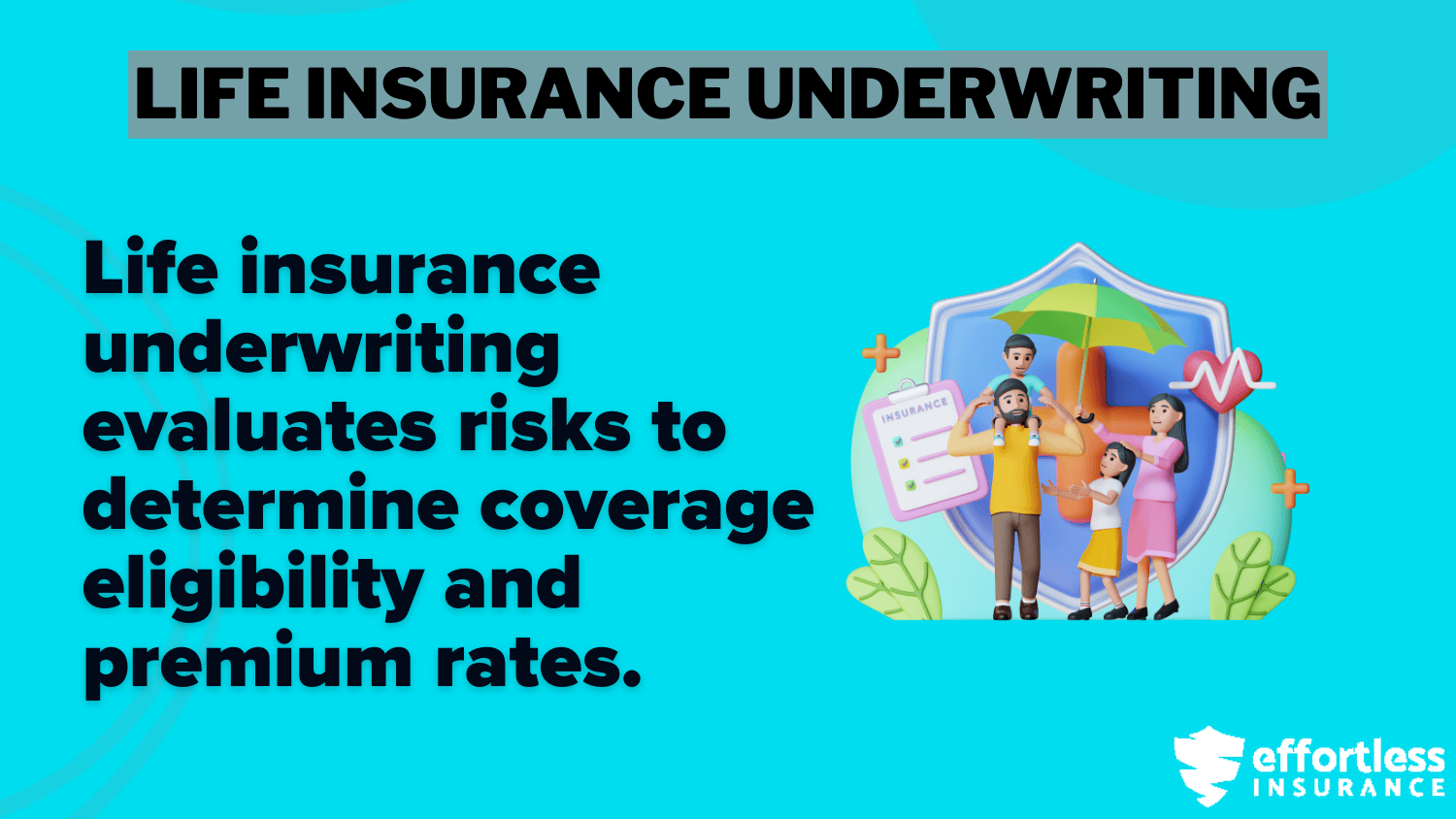
The AG Life insurance build chart establishes the maximum and minimum weight thresholds for each height to determine an applicant's risk class during medical underwriting. Issued by American General Life Insurance Company (operating under Corebridge Financial), these height and weight guidelines directly dictate whether you qualify for Preferred Plus, Preferred, Standard Plus, Standard, or Substandard table rates.
Understanding AG Life Insurance Build Charts
When applying for term life, whole life, or universal life coverage through American General Life Insurance Company (AG Life)—a principal life underwriting subsidiary of Corebridge Financial (formerly AIG Life & Retirement)—your physical build is one of the foundational metrics evaluated during underwriting.
Insurance carriers use a build chart to systematically evaluate an applicant’s Body Mass Index (BMI) and overall body composition. Excess body weight or severe underweight status correlates statistically with increased risks of cardiovascular disease, type 2 diabetes, sleep apnea, stroke, and overall mortality. Consequently, AG Life establishes distinct weight bands for every height increment.
Your placement within these bands determines your assigned underwriting classification (also known as a rate class). The higher your risk class, the lower your monthly premium. If your weight falls outside the standard build parameters, AG Life does not automatically decline coverage; instead, the application transitions into Substandard or Table Rating categories, where premiums are adjusted proportionally to account for the additional statistical risk.
AG Life Underwriting Rate Classes Explained
AG Life utilizes five primary underwriting classifications for standard life insurance products, alongside a series of Substandard Table Ratings for applicants exceeding standard weight limits. Understanding how build impacts each category helps set realistic expectations before undergoing medical examination.
1. Preferred Plus (Preferred Best / Super Preferred)
This is the most favorable rating class available, offering the lowest premium rates. To qualify for Preferred Plus build limits, an applicant must fall within a strict, lower BMI range. In addition to a lean build, applicants must demonstrate excellent overall health, optimal cholesterol and blood pressure levels, no personal or family history of early cardiovascular disease, and no tobacco use.
2. Preferred
The Preferred class offers slightly broader weight allowances than Preferred Plus while still rewarding individuals in excellent health. Applicants in this tier may carry a small amount of extra weight relative to their height, provided their lab results, blood pressure, personal medical history, and family medical background meet favorable underwriting standards.
3. Standard Plus
Standard Plus provides extended weight allowances for individuals who are in above-average health but carry excess body mass that prevents them from reaching Preferred criteria. It serves as an intermediate tier between Preferred and Standard, allowing applicants with mild elevation in weight or minor medical markers to secure better rates than standard policyholders.
4. Standard
The Standard rating classification is designed for individuals of average health and normal life expectancy based on population data. The build allowances in the Standard chart accommodate moderate overweight status. Applicants who fit within the Standard build criteria pay baseline published rates for their age and policy type.
5. Substandard / Table Ratings (Tables A–H or 1–8)
If an applicant’s weight exceeds the maximum limit listed on the Standard build chart, AG Life evaluates the case under Substandard guidelines. These are assigned numerical or alphabetical designators (Table 1 through Table 8, or Table A through Table H). Each table step typically adds a 25% surcharge to the base Standard premium rate. For instance, a Table 2 (Table B) rating results in a premium approximately 50% higher than the Standard rate.
AG Life Build Chart Reference Table
The following table outlines the representative height and weight limits used across AG Life (Corebridge Financial) underwriting guidelines for adult applicants (ages 18 to 60). AG Life primarily uses unisex build guidelines for adult policies, meaning the height and weight thresholds apply equally to male and female applicants of the same height.
| Height | Preferred Plus (Max Weight) | Preferred (Max Weight) | Standard Plus (Max Weight) | Standard (Max Weight) | Table 2 / B (Max Weight) | Table 4 / D (Max Weight) |
|---|---|---|---|---|---|---|
| 4'10" | 136 lbs | 146 lbs | 158 lbs | 168 lbs | 185 lbs | 202 lbs |
| 4'11" | 141 lbs | 151 lbs | 163 lbs | 174 lbs | 192 lbs | 209 lbs |
| 5'0" | 146 lbs | 156 lbs | 169 lbs | 180 lbs | 198 lbs | 216 lbs |
| 5'1" | 151 lbs | 161 lbs | 175 lbs | 186 lbs | 205 lbs | 224 lbs |
| 5'2" | 156 lbs | 167 lbs | 181 lbs | 192 lbs | 212 lbs | 231 lbs |
| 5'3" | 161 lbs | 172 lbs | 187 lbs | 199 lbs | 219 lbs | 239 lbs |
| 5'4" | 166 lbs | 178 lbs | 193 lbs | 205 lbs | 226 lbs | 246 lbs |
| 5'5" | 171 lbs | 183 lbs | 199 lbs | 211 lbs | 233 lbs | 254 lbs |
| 5'6" | 177 lbs | 189 lbs | 205 lbs | 218 lbs | 240 lbs | 262 lbs |
| 5'7" | 182 lbs | 195 lbs | 211 lbs | 225 lbs | 247 lbs | 270 lbs |
| 5'8" | 188 lbs | 201 lbs | 218 lbs | 231 lbs | 255 lbs | 278 lbs |
| 5'9" | 193 lbs | 207 lbs | 224 lbs | 238 lbs | 262 lbs | 286 lbs |
| 5'10" | 199 lbs | 213 lbs | 231 lbs | 245 lbs | 270 lbs | 294 lbs |
| 5'11" | 205 lbs | 219 lbs | 237 lbs | 252 lbs | 278 lbs | 303 lbs |
| 6'0" | 211 lbs | 225 lbs | 244 lbs | 259 lbs | 286 lbs | 311 lbs |
| 6'1" | 217 lbs | 232 lbs | 251 lbs | 267 lbs | 294 lbs | 320 lbs |
| 6'2" | 223 lbs | 238 lbs | 258 lbs | 274 lbs | 302 lbs | 329 lbs |
| 6'3" | 229 lbs | 245 lbs | 265 lbs | 281 lbs | 310 lbs | 338 lbs |
| 6'4" | 235 lbs | 251 lbs | 272 lbs | 289 lbs | 318 lbs | 347 lbs |
Note: Weight figures represent approximate maximum upper boundaries for standard adult underwriting guidelines under Corebridge Financial / AG Life manuals. Underwriting rules are subject to individual medical review, minor product variations, and periodic carrier revisions.
Key Rules Governing AG Life Build Assessments
Underwriters at AG Life do not rely solely on a single scale reading. They apply specific rules to contextualize an applicant's weight, taking into account recent weight fluctuations, physical composition, and age.
AG Life Underwriting Build Evaluation:
- Current Measured Weight (Paramedical Exam / Lab)
- Cross-Referenced with Height on Unisex Build Chart
- Final Rate Class Determination (Preferred Plus to Table Ratings)
- Special Underwriting Rules
- 12-Month Weight Loss Credit (50% rule)
- Athletic Build Exception (Chest/Waist)
- Senior Build Adjustments (Ages 60–65+)
The 12-Month Weight Loss Rule
One of the most critical factors in life insurance underwriting is how recent weight loss is calculated. If you have lost weight within the 12 months prior to submitting your application, AG Life underwriters generally do not give full credit for the entire weight reduction.
To prevent artificially lower ratings from temporary crash dieting, AG Life typically applies a standard industry formula:
- Half-Credit Formula: Underwriters add back 50% of the weight lost in the past 12 months to your current weight when referencing the build chart.
- Example: If your current weight is 190 lbs, but you weighed 210 lbs six months ago (a 20 lb loss), AG Life will add back 10 lbs (50% of 20 lbs). Your weight for underwriting purposes will be calculated as 200 lbs.
- Exception for Weight Gain: If you have gained weight in the past 12 months, AG Life evaluates you based on your current higher weight, not your lower starting weight.
- Medical Weight Loss Medications: Weight loss achieved through prescription GLP-1 receptor agonists (such as semaglutide or tirzepatide) or bariatric surgery follows strict underwriting protocols. For surgical weight loss, carriers often require a minimum stabilization period of 6 to 12 months post-surgery before offering standard or preferred rates.
Muscular Builds and Athletic Exceptions
Body Mass Index and standard build charts can misclassify heavily muscled individuals (such as bodybuilders, strength athletes, or powerlifters) as overweight or obese. AG Life underwriters have protocols to accommodate muscular physiques:
- Abdominal/Chest Measurements: During the paramedical examination, the examiner measures waist circumference at the umbilicus and chest circumference at full expansion. If the waist measurement is significantly smaller than the chest (typically a chest-to-waist ratio where the waist does not exceed the chest measurement), underwriters can grant build credits.
- Body Fat Percentage & Physician Records: Providing documentation from a physician or certified fitness facility showing low body fat percentage (e.g., via DEXA scan or hydrostatic weighing) can assist the underwriter in approving a better rate class than what the raw build chart dictates.
Senior Build Guidelines (Ages 60 and Older)
AG Life recognizes that body composition and metabolic health change with age. For senior applicants—typically those aged 60, 65, or older—AG Life applies expanded senior build charts.
Clinical research demonstrates that carrying slight additional weight in older adulthood is not associated with the same mortality risk as it is in younger adults. Consequently, senior build guidelines allow higher upper weight limits for Preferred Plus, Preferred, and Standard categories, giving older applicants a broader cushion before triggering higher premiums or table ratings.
How Build Rating Classes Impact Premium Costs
Your build classification directly governs your policy's base pricing tier. Moving up or down a single rate class can significantly alter the total cost of ownership over the life of a term or permanent life insurance policy.
Consider the baseline pricing structure relative to rate classes:
- Preferred Plus: Base Premium Rate (Lowest Cost)
- Preferred: ~15% - 25% Higher than Preferred Plus
- Standard Plus: ~30% - 50% Higher than Preferred Plus
- Standard: ~60% - 80% Higher than Preferred Plus
- Table 2 (B): ~100% - 125% Higher than Preferred Plus (Standard + 50%)
- Table 4 (D): ~150% - 200% Higher than Preferred Plus (Standard + 100%)
Case Study Illustration
To understand the financial implications, consider a 40-year-old non-tobacco male applying for a $1,000,000 20-Year Term Life Insurance policy with AG Life (Corebridge Financial) at a height of 5'10":
Applicant A (190 lbs - Fits Preferred Plus):
- Build Status: Well within Preferred Plus limit (199 lbs max).
- Estimated Annual Premium: ~$450 per year.
- 20-Year Total Cost: $9,000.
Applicant B (210 lbs - Fits Preferred):
- Build Status: Exceeds Preferred Plus (199 lbs), falls within Preferred (213 lbs max).
- Estimated Annual Premium: ~$560 per year.
- 20-Year Total Cost: $11,200 (an additional $2,200 over 20 years).
Applicant C (240 lbs - Fits Standard):
- Build Status: Exceeds Standard Plus (231 lbs), fits Standard (245 lbs max).
- Estimated Annual Premium: ~$850 per year.
- 20-Year Total Cost: $17,000 (an additional $8,000 over 20 years).
Applicant D (265 lbs - Fits Table 2 / Table B):
- Build Status: Exceeds Standard limit (245 lbs), falls within Table 2 (270 lbs max).
- Estimated Annual Premium: ~$1,275 per year.
- 20-Year Total Cost: $25,500 (an additional $16,500 over 20 years).
This pricing gradient underscores the financial benefit of securing a spot within a higher build bracket prior to policy issue.
Actionable Tips to Optimize Your Application Near Build Cutoffs
If your current weight places you near the upper boundary of an AG Life rate class, proactive steps can help secure a more favorable rate tier.
1. Schedule Paramedical Exams Strategically
- Morning Exams: Schedule your paramedical exam for early morning. Human height is slightly higher in the morning due to spinal disc hydration, and weight is generally at its daily low prior to eating or drinking.
- Fasting and Hydration: Fast for 8 to 12 hours before the exam (unless medically contraindicated) and drink plenty of water. Proper hydration lowers heart rate and improves blood panel readings, while fasting prevents temporary weight spikes from digestive bulk.
- Light Clothing: Wear lightweight athletic clothing during the exam. Remind the paramedical examiner to record your bare height without shoes and deduct heavy footwear or outerwear from the scale reading.
2. Time Your Application Around Weight Milestones
If you are actively losing weight, consider the 12-month half-credit rule. If you lost a significant amount of weight 10 months ago, waiting an additional two months until you hit the 12-month stability milestone allows AG Life to evaluate you based 100% on your current lower weight rather than adding back 50% of the lost weight.
3. Request Re-Underwriting After Weight Maintenance
If you accept a policy with a higher premium due to your weight (such as Standard or Table 2) and subsequently lose weight and maintain it for at least 12 months, AG Life allows existing policyholders to apply for a rate class reconsideration:
- You will typically need to submit a written request to Corebridge Financial / AG Life.
- You may need to undergo a new paramedical exam and lab panel at your own expense or carrier discretion.
- If your health metrics and new weight qualify, AG Life can reduce your ongoing premiums for the remainder of the policy term without reducing your death benefit.
Frequently Asked Questions
What company currently issues AG Life insurance policies?
AG Life insurance policies are issued by American General Life Insurance Company, a major underwriting subsidiary of Corebridge Financial, Inc. Corebridge Financial was formerly known as AIG Life & Retirement before its public separation and rebranding. Policy guidelines, build charts, and underwriting manuals for AG Life are maintained under the Corebridge Financial underwriting structure.
Does AG Life use unisex build charts for all applicants?
Yes, for adult term and permanent life insurance products, AG Life / Corebridge Financial generally uses unisex height and weight charts. This means the maximum weight thresholds for each rating classification (Preferred Plus, Preferred, Standard Plus, Standard, and Substandard) apply equally to male and female applicants of the same height.
How does AG Life treat weight lost in the past 12 months?
AG Life applies a standard 50% add-back rule for recent weight loss. If you lost weight within the 12 months prior to your application, underwriters add 50% of the lost weight back to your current measured weight. For example, if you currently weigh 180 lbs after losing 20 lbs six months ago, AG Life will evaluate your build at 190 lbs. Once you maintain the lower weight for a full 12 months, you receive 100% credit for the weight loss.
What happens if my weight exceeds the Standard limit on the AG Life build chart?
If your weight exceeds the maximum allowance for the Standard rate class, your application is not automatically declined. Instead, AG Life reviews the application under Substandard (Table Rating) guidelines. Substandard ratings range from Table 1 (Table A) through Table 8 (Table H). Each table rating step adds an extra premium charge (typically +25% per table over the Standard base rate) to offset the additional statistical risk.
Are height and weight requirements different for seniors applying with AG Life?
Yes. AG Life utilizes relaxed senior build guidelines for applicants aged 60 or 65 and older. Because clinical data indicates that slight weight elevation in older adults does not carry the same health risks as in younger demographics, senior build charts offer higher weight allowances for Preferred Plus, Preferred, Standard Plus, and Standard classes.
Practical Recommendation & Next Actions
To navigate the AG Life insurance build chart effectively and secure the lowest possible premium:
- Measure Accurately at Home: Measure your height without shoes and your weight in light clothing in the morning. Cross-reference your numbers against the AG Life build chart table above to identify your target rate class.
- Account for the 12-Month Rule: Calculate whether recent weight changes will trigger the 50% weight loss add-back rule. If you are close to a 12-month stability anniversary, coordinate with your agent on application timing.
- Work with an Independent Broker: An independent life insurance broker has direct access to Corebridge Financial / AG Life underwriting guides, as well as competing carriers. If your build falls into a Table Rating with AG Life, an independent agent can compare how alternative carriers (which may have slightly different weight cutoffs) view your specific height and weight profile.