Determining if Aflac is a good life insurance option requires looking at its specific role in the supplemental insurance market. Aflac is widely recognized for its workplace voluntary benefits, often acting as a bridge to cover gaps left by employer-sponsored plans. Whether it serves your needs depends on your requirement for portability, ease of enrollment, and specific coverage limitations compared to traditional term or whole life policies.
Understanding Aflac’s Role in the Insurance Market
To evaluate Aflac effectively, you must first understand that Aflac (American Family Life Assurance Company) is fundamentally different from large, diversified life insurance carriers that dominate the permanent life insurance market. While many companies focus on multi-million dollar high-net-worth policies or complex universal life investment vehicles, Aflac specializes in supplemental insurance—often referred to as "gap" coverage.
In the context of 2026, Aflac’s life insurance offerings are typically marketed as group policies, often accessed through an employer's benefits package. This means the primary value proposition is convenience and ease of acquisition. If you are an employee looking to supplement your existing employer-provided life insurance, Aflac offers a straightforward, payroll-deducted path to increasing your total death benefit without the significant medical underwriting often required by private, individual policies.
Core Features of Aflac Life Insurance Policies
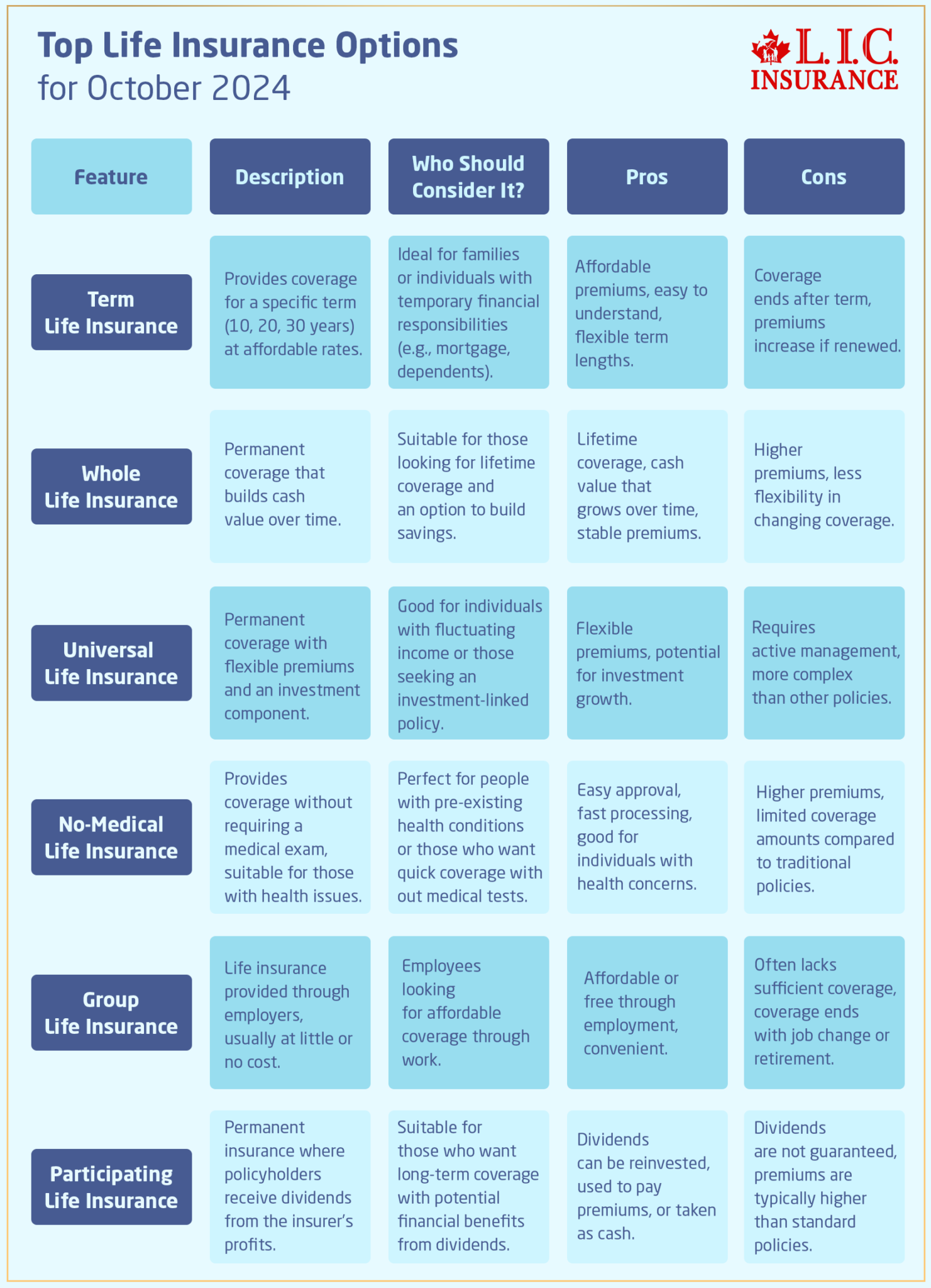
Aflac provides two primary categories of life insurance: term life and whole life. Understanding the distinction is vital for determining if their product is "good" for your specific goals.
Term Life Insurance
Aflac’s term life products are designed for temporary needs. These policies offer coverage for a specific number of years, providing a death benefit if the policyholder passes away during that term. This is generally the most cost-effective way to provide income replacement for your family, especially during high-liability years like mortgage repayment or when children are dependents.
In a workplace setting, these policies are often simplified, meaning they prioritize lower premiums and streamlined underwriting over the granular customization available in the broader individual life insurance market.
Whole Life Insurance
Whole life insurance from Aflac is designed for lifetime coverage. Unlike term policies, these carry a cash value component that grows over time. This can be viewed as both a protection tool and a conservative savings vehicle. However, it is essential to note that supplemental whole life policies through workplace providers often come with higher premiums than term insurance and may not offer the same cash value accumulation rates as high-end permanent policies from specialized life insurance carriers.
The Value of Portability and Convenience
One of the strongest arguments for why Aflac might be a "good" option is the portability of their coverage. In many instances, if you change employers, you may be able to keep your Aflac policy by transitioning to direct billing. This is a significant advantage over many employer-sponsored group life insurance policies, which terminate immediately upon departure from the company.
Furthermore, the "ease of use" factor cannot be overstated. By having premiums deducted directly from your paycheck, you eliminate the risk of policy lapse due to missed payments. For individuals who find the private insurance market intimidating or time-consuming—requiring physical exams, extensive medical histories, and complex financial disclosures—the Aflac enrollment process is frequently much more accessible.
Comparative Analysis: Aflac vs. Traditional Life Insurance
To decide if Aflac fits your portfolio, compare it against the alternatives. The following table highlights the operational differences between supplemental workplace carriers like Aflac and traditional individual life insurance providers.
| Feature | Aflac Supplemental Life | Traditional Individual Life |
|---|---|---|
| Enrollment | Streamlined (often group-based) | Comprehensive (often requires exams) |
| Premium Payment | Payroll Deduction | Direct Bank Transfer/Invoice |
| Portability | Usually portable upon departure | Always portable (independent of employer) |
| Coverage Limits | Often capped at lower amounts | Highly scalable based on income/need |
| Underwriting | Simplified issue (fewer health questions) | Full medical underwriting (more granular) |
| Cost | Usually higher for the coverage amount | Competitive based on risk profile |
Prerequisites and Eligibility Considerations
Before applying for an Aflac policy, you must evaluate your current insurance prerequisites. Because Aflac is primarily distributed through workplace portals, you must first verify that your current employer offers Aflac as a voluntary benefit.
If your employer does not offer Aflac, your options for accessing their specific products may be limited or require contacting a local representative to determine if any individual-market products are available in your jurisdiction. It is also important to note that, as of 2026, eligibility for these policies is subject to state-specific regulations. What is available in one state may differ from another, and coverage amounts are often restricted based on age and existing life insurance holdings.
Potential Limitations and Common Pitfalls
While Aflac is a reputable carrier, there are reasons why it might not be the "best" option for every individual:
- Lower Coverage Caps: If you require a high death benefit—for example, several million dollars for estate planning purposes—Aflac’s supplemental policies will likely be insufficient. Their products are designed to cover gaps, not to replace massive income streams or provide significant tax-advantaged wealth transfer.
- Cost Efficiency: For a healthy 30-year-old with no medical issues, purchasing an individual term life policy directly from a major life insurer is almost always cheaper than a supplemental policy of equivalent face value. Aflac’s convenience and simplified underwriting carry a premium cost.
- Lack of Flexibility: Once you select a policy type through an employer portal, you have very little room to customize riders or adjust death benefits as your financial situation changes.
Is Aflac Right for You? (A Decision Framework)
Determining suitability is a matter of prioritizing your specific life stage.
- You should consider Aflac if: You have minor health concerns that might make qualifying for a standard, low-cost individual policy difficult; you value the simplicity of payroll deductions; or you have already maximized your employer-provided basic life insurance but still require a modest amount of additional coverage.
- You should look elsewhere if: You are young and in excellent health; you require a death benefit exceeding $500,000; you are looking for an investment-grade life insurance product; or you are comfortable managing your own insurance billing through a standard provider.
Frequently Asked Questions
Does Aflac life insurance require a medical exam? Aflac typically utilizes simplified underwriting for its supplemental policies. This often means you answer a series of health questions rather than undergoing a traditional medical exam with blood work and vitals, though this depends on the specific policy type and the amount of coverage you are requesting.
Can I keep my Aflac life insurance if I quit my job? Yes, generally. Aflac policies are designed to be portable. When you leave your employer, you can usually contact Aflac to switch from payroll deductions to direct billing. You must initiate this transition promptly to ensure your coverage does not lapse.
How much life insurance coverage can I get through Aflac? Coverage amounts vary significantly based on your employer's plan design and your personal eligibility. Because these are supplemental products, they are typically limited to smaller face values compared to primary life insurance. You must check your specific benefit enrollment portal for your individualized offer.
Is the cash value in Aflac whole life insurance competitive? The cash value component in a supplemental whole life policy is generally intended as a safe, conservative accumulation rather than an aggressive investment vehicle. If your goal is wealth accumulation, you may find better returns in independent financial vehicles like index funds or specialized universal life insurance.
Is Aflac a legitimate insurance company? Yes. Aflac is a publicly traded, highly regulated insurance company with a long history of paying claims. They maintain high financial strength ratings from agencies such as AM Best, which measure their ability to meet policyholder obligations.
Next Steps for Your Financial Planning
If you are currently evaluating your life insurance needs, start by auditing your existing coverage. Look at your employer’s HR portal to see the exact details of your current group life policy. If you identify a gap—for example, if your current coverage is only 1x your annual salary and you desire 5x or 7x—investigate whether Aflac’s supplemental rates provide a cost-effective solution compared to a quote from an independent insurance broker.
Consulting with a licensed financial advisor is highly recommended before purchasing any permanent or whole life product. They can help you determine if the premiums you pay for supplemental life insurance are the most efficient use of your capital given your broader financial goals, debt levels, and long-term security requirements. Ensure any policy you choose aligns with your budget and your family's financial obligations for years to come.