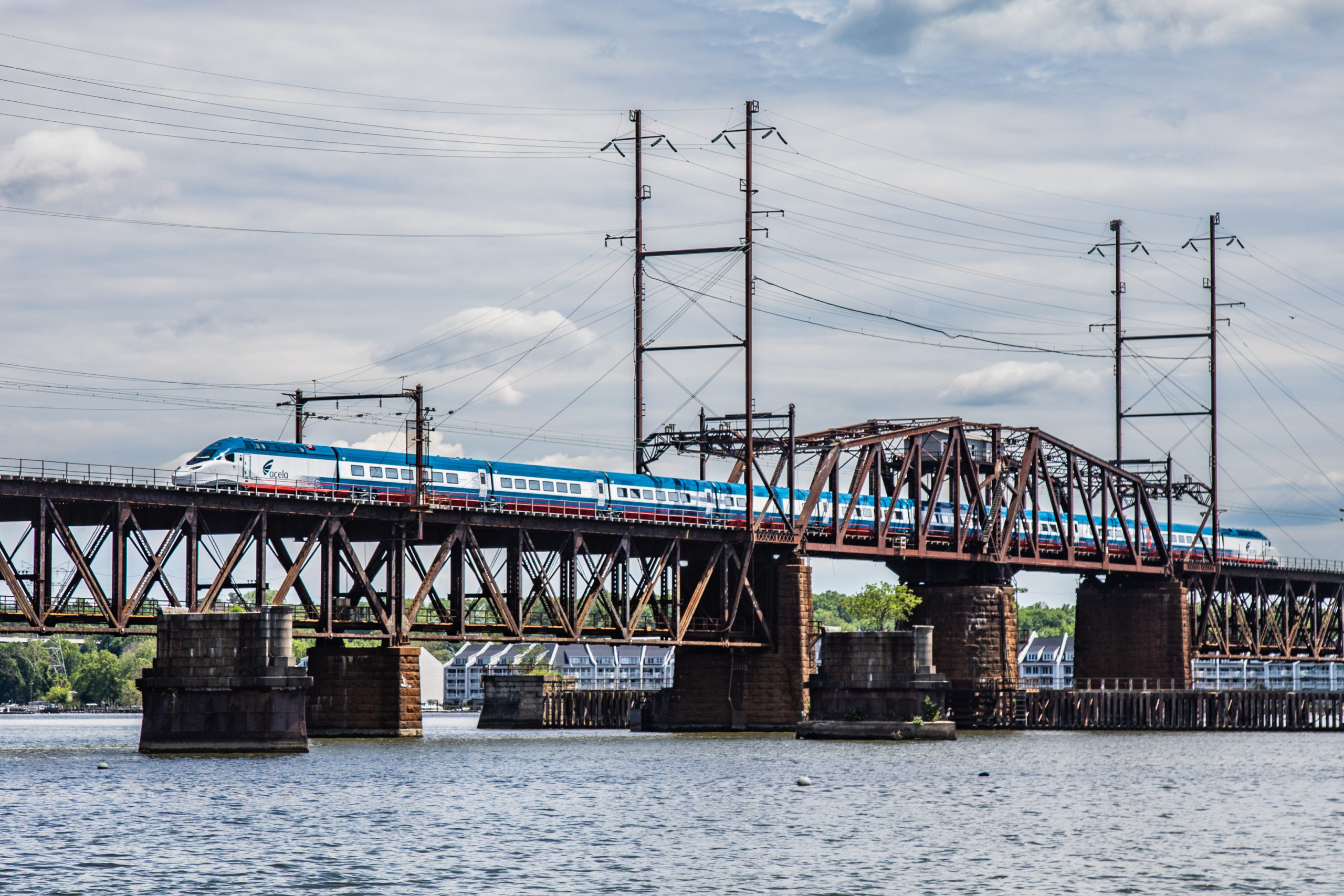
Traveling by Amtrak from Washington, D.C., to New York City offers a seamless, center-city-to-center-city experience that avoids the congestion of I-95 and the stress of airport security. Passengers can expect a journey lasting between 2 hours and 50 minutes and 3 hours and 30 minutes, featuring spacious seating, reliable Wi-Fi, and frequent departures throughout the day.
The Northeast Corridor (NEC) is the crown jewel of the American rail system, connecting the political capital of the United States with its financial and cultural heart. As of 2026, this route remains the most popular rail line in North America, having undergone significant fleet modernizations and infrastructure improvements. Whether you are a business traveler heading to a meeting in Midtown or a tourist exploring the East Coast, understanding the nuances of the Amtrak experience—from booking classes to station logistics—ensures a productive and comfortable trip.
Choosing Your Service: Acela vs. Northeast Regional
The most critical decision you will make when booking your trip is choosing between the two primary service types: the high-speed Acela and the frequent Northeast Regional. While both travel the same tracks, the experience and price points differ substantially.
The Acela Experience
The Acela is Amtrak’s premium high-speed service. By 2026, the fleet primarily consists of the advanced Avelia Liberty trainsets, which replaced the original Acela equipment. These trains utilize tilt technology to maintain higher speeds through the curves of the corridor, reaching up to 160 mph in certain segments.
On the Acela, there is no "Coach" class. Instead, the train is divided into Business Class and First Class. Every seat on the Acela is reserved, meaning you are guaranteed a specific spot, which you can often select at the time of booking. First Class passengers receive at-seat meal service, complimentary alcoholic beverages, and access to the Metropolitan Lounges at both Union Station and Moynihan Train Hall.
The Northeast Regional
The Northeast Regional is the workhorse of the corridor. It is generally more affordable and makes more frequent stops (such as New Carrollton, BWI Airport, and Aberdeen). While it is slower than the Acela, the time difference is often less than 45 minutes.
The Regional offers Coach and Business Class. Unlike the Acela, Coach seating on the Regional is unassigned; you choose your seat upon boarding. Business Class on the Regional offers extra legroom and a dedicated car, usually located at the end of the train, providing a quieter environment for work or rest.
Navigating the Stations: Washington Union Station and Moynihan Train Hall
Your journey begins at Washington Union Station, a historic Beaux-Arts masterpiece located just blocks from the U.S. Capitol. By 2026, the station has seen continued enhancements to its passenger concourses to handle increased ridership.
When you arrive at Union Station, keep an eye on the large digital flight-style boards. Trains are typically assigned a gate 15 to 20 minutes before departure. If you are traveling in Acela First Class or have a high-tier Amtrak Guest Rewards status, you should head to the Metropolitan Lounge. This provides a quiet space with snacks, beverages, and priority boarding, allowing you to bypass the general boarding lines that can become quite long during rush hour.
Upon arrival in New York City, you will arrive at the Moynihan Train Hall, located across 8th Avenue from the original Pennsylvania Station. Moynihan is a world-class facility with high ceilings, massive LED screens, and a wide array of high-end food vendors. It has transformed the arrival experience in New York, offering a bright, airy environment that is significantly easier to navigate than the subterranean levels of the old Penn Station.
Booking Strategies and Fare Classes in 2026
Amtrak utilizes a dynamic pricing model similar to airlines. As the train fills up, the prices increase. To secure the lowest rates, it is advisable to book at least 14 to 21 days in advance.
Fare Categories
Amtrak simplified its fare structure to offer more transparency. The primary categories you will encounter are:
- Flex: Fully refundable and changeable without fees. This is ideal for business travelers whose schedules may shift.
- Value: Offers a lower price point but carries heavy cancellation fees and limited changeability.
- Sale/Saver: The cheapest tickets available, usually non-refundable and only available for booking well in advance.
The BidUp Program
If you have booked a Coach or Business Class ticket, you may receive an email inviting you to "BidUp." This allows you to place a monetary bid for an upgrade to Business or First Class. If the train has unsold premium seats, Amtrak may accept your bid a few hours before departure, providing a more luxurious experience for a fraction of the standard upgrade cost.
Onboard Amenities and Technical Specifications
The 2026 Amtrak experience is defined by connectivity and comfort. Both the new Avelia Liberty (Acela) and the refreshed Amfleet or Venture cars (Regional) are designed with the modern traveler in mind.
Connectivity and Power
Every seat on the Northeast Corridor is equipped with at least two standard 120V power outlets. By 2026, many of the newer trainsets also include USB-C charging ports integrated into the seatback or armrest.
Wi-Fi 2.0 has been implemented across the corridor, providing more stable bandwidth than in previous years. While it is sufficient for emails, web browsing, and messaging, high-definition video streaming may still experience occasional buffering in "dead zones" near Baltimore or through the tunnels leading into Manhattan.
Seating Configuration
- Coach (Regional): 2x2 configuration with a fold-down tray table, overhead luggage racks, and significant recline. The legroom in Amtrak Coach is famously superior to domestic airline Economy class.
- Business Class (Acela/Regional): 2x2 configuration with increased pitch (legroom) and often more substantial padding. On Acela, Business Class seats also feature adjustable headrests and footrests.
- First Class (Acela): 1x2 or 2x2 configuration (including "conference tables" for groups). These seats are wider and offer the most personal space on the train.
Dining and The Cafe Car
On most Northeast Corridor trains, a Cafe Car is located near the center of the train. It serves a variety of hot and cold items, including sandwiches, salads, pizza, and snacks. A selection of craft beers, wines, and spirits is also available.
For Acela First Class passengers, dining is an elevated experience. Meals are served at your seat on real chinaware. The menus are updated seasonally and often feature regional specialties, such as Maryland-style crab cakes or artisanal salads. Dietary restrictions, including vegan and gluten-free options, are generally accommodated, though it is wise to confirm this via the Amtrak app before your journey.
Comparison of Service Levels (Washington DC to New York)
| Feature | Northeast Regional (Coach) | Northeast Regional (Business) | Acela (Business) | Acela (First Class) |
|---|---|---|---|---|
| Typical Travel Time | 3h 15m - 3h 30m | 3h 15m - 3h 30m | 2h 50m - 2h 55m | 2h 50m - 2h 55m |
| Seat Assignment | No (First-come, first-served) | Yes | Yes | Yes |
| Legroom | 39 inches | 42 inches | 42 inches | 45+ inches |
| Complimentary Food | No | No (Free non-alcoholic drinks) | No | Yes (Full meal) |
| Lounge Access | No | No | No | Yes |
| Quiet Car | Yes | No | Yes | No |
The "Quiet Car" Protocol
One of the most cherished features of the Northeast Corridor is the Quiet Car. On the Northeast Regional, this is typically the car adjacent to Business Class. On the Acela, it is usually located at one end of the train.
In the Quiet Car, the rules are strictly enforced by both the conductor and fellow passengers:
- No cell phone conversations.
- All electronic devices must be muted or used with headphones.
- Conversations must be conducted in low whispers. If you need to make a phone call or prefer a more social atmosphere, it is best to avoid this car. However, for those looking to sleep or work in total silence, the Quiet Car is the best "hidden gem" of Amtrak travel.
Luggage and Accessibility
Amtrak’s luggage policy is significantly more generous than most airlines. Passengers are allowed two carry-on bags (up to 50 lbs each) and two personal items. There are large luggage racks at the end of every car and ample space above the seats. Checked baggage service is available on certain long-distance trains that stop at these stations, but for the DC-to-NY corridor, almost all passengers utilize the carry-on options.
Accessibility (ADA)
Every Amtrak train is equipped with accessible seating and restrooms. Stations like Union Station and Moynihan Train Hall are fully ADA-compliant with elevators and level boarding platforms. If you require assistance boarding, Amtrak "Red Cap" agents are available at the station entrances. They can provide wheelchair assistance or help with heavy luggage, and they often provide early boarding for those they assist. It is customary to tip Red Cap agents for their service.
Scenic Highlights Along the Route
While the Northeast Corridor is a bustling transit artery, it offers several scenic moments that are worth putting your laptop away for:
- The Susquehanna River Crossing: Shortly after leaving Aberdeen, Maryland, the train crosses a long bridge over the Susquehanna. The views of the Chesapeake Bay to the east are spectacular, especially at sunrise or sunset.
- The Philadelphia Skyline: As you approach 30th Street Station, you get a panoramic view of the Schuylkill River and the skyscrapers of Center City Philadelphia.
- The New Jersey Meadowlands: Before entering the final tunnel into New York, the train traverses the marshes of northern New Jersey, offering a unique glimpse of the Empire State Building and the Manhattan skyline in the distance.
Frequently Asked Questions
Is the Acela really worth the extra cost over the Regional?
The value of the Acela depends on your priorities. If you are on a tight schedule or need a guaranteed assigned seat in a more professional environment, the Acela is superior. If you are traveling on a budget and don't mind a slightly longer trip, the Northeast Regional Coach class offers nearly identical comfort in terms of seat size for a much lower price.
How early should I arrive at the station?
Unlike airports, you do not need to arrive two hours early. If you already have your ticket on your phone, arriving 20 to 30 minutes before departure is usually sufficient. This gives you enough time to find your gate and join the boarding line. If you require Red Cap assistance, aim for 45 minutes.
Can I bring my own food and drinks?
Yes, passengers are welcome to bring their own food and non-alcoholic beverages onto the train. You may also bring your own alcohol, but federal regulations prohibit you from consuming your own alcohol in public areas of the train; it must be consumed only in private sleeping car accommodations (which are not standard on this specific DC-to-NY route).
What happens if my train is delayed?
While the Northeast Corridor has the best on-time performance in the Amtrak system, delays can happen due to weather or infrastructure issues. If a delay occurs, Amtrak's mobile app provides real-time tracking. If your train is significantly delayed or canceled, "Flex" and "Value" fares can often be rebooked through the app or at a station kiosk without a major hassle.
Is there a limit on how many bags I can bring?
The standard limit is two personal items and two carry-on bags. In practice, as long as you can carry your own luggage and it fits in the overhead racks or the luggage storage areas at the end of the cars, Amtrak is very lenient compared to airlines.
Final Recommendations for Your Trip
To make the most of your travel between Washington, D.C., and New York, download the Amtrak mobile app before you arrive at the station. The app acts as your boarding pass, notifies you of track assignments, and allows you to modify your reservation on the fly.
If you are looking for the best balance of price and comfort, book a Business Class seat on a Northeast Regional train. You will get a dedicated car and a reserved seat without the higher price tag of the Acela. However, for a quintessential "New York" arrival, ensure your train is destined for Moynihan Train Hall, as the transition from the train platform to the street level is significantly more efficient and pleasant than at any other station on the East Coast.