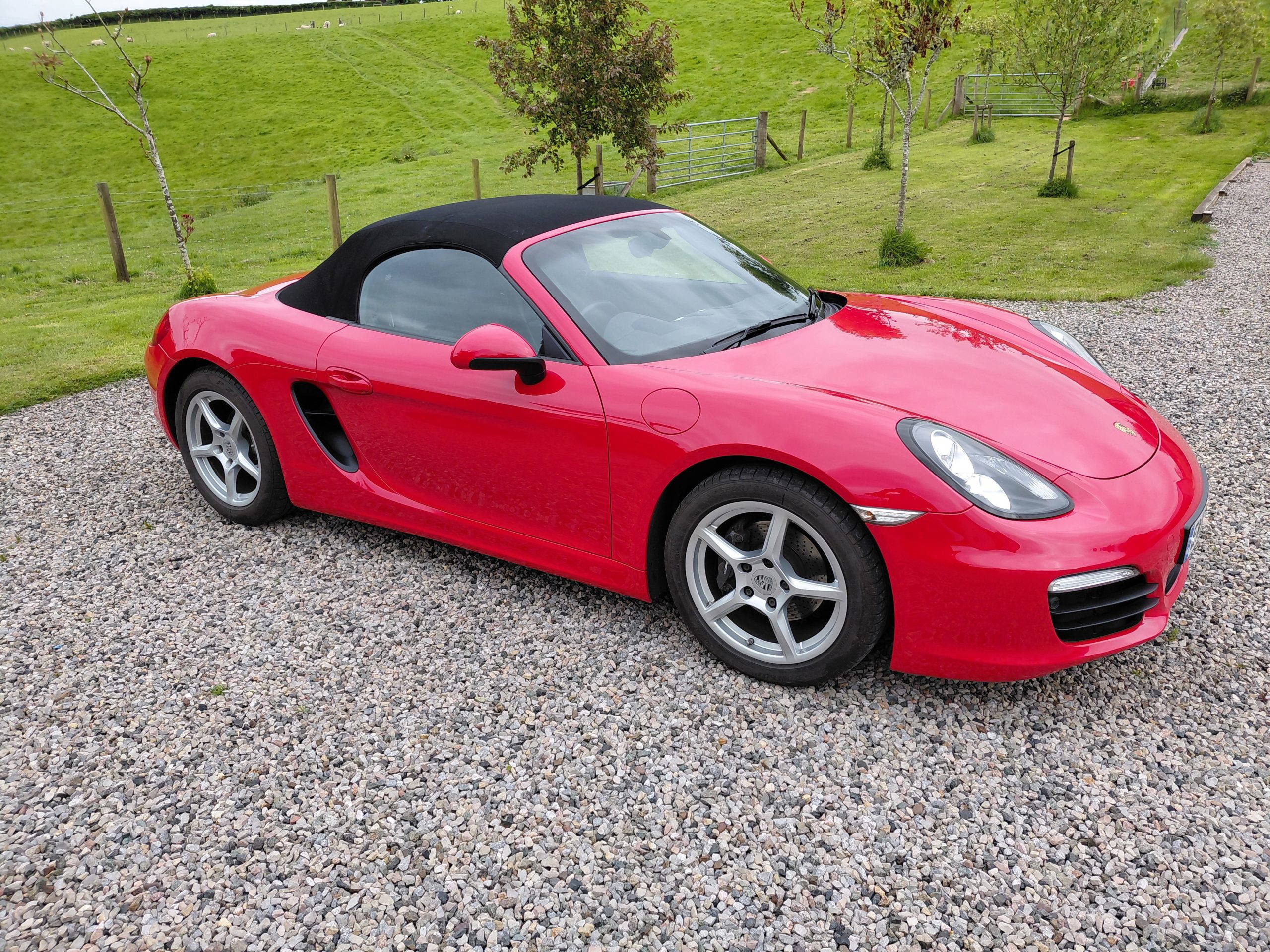
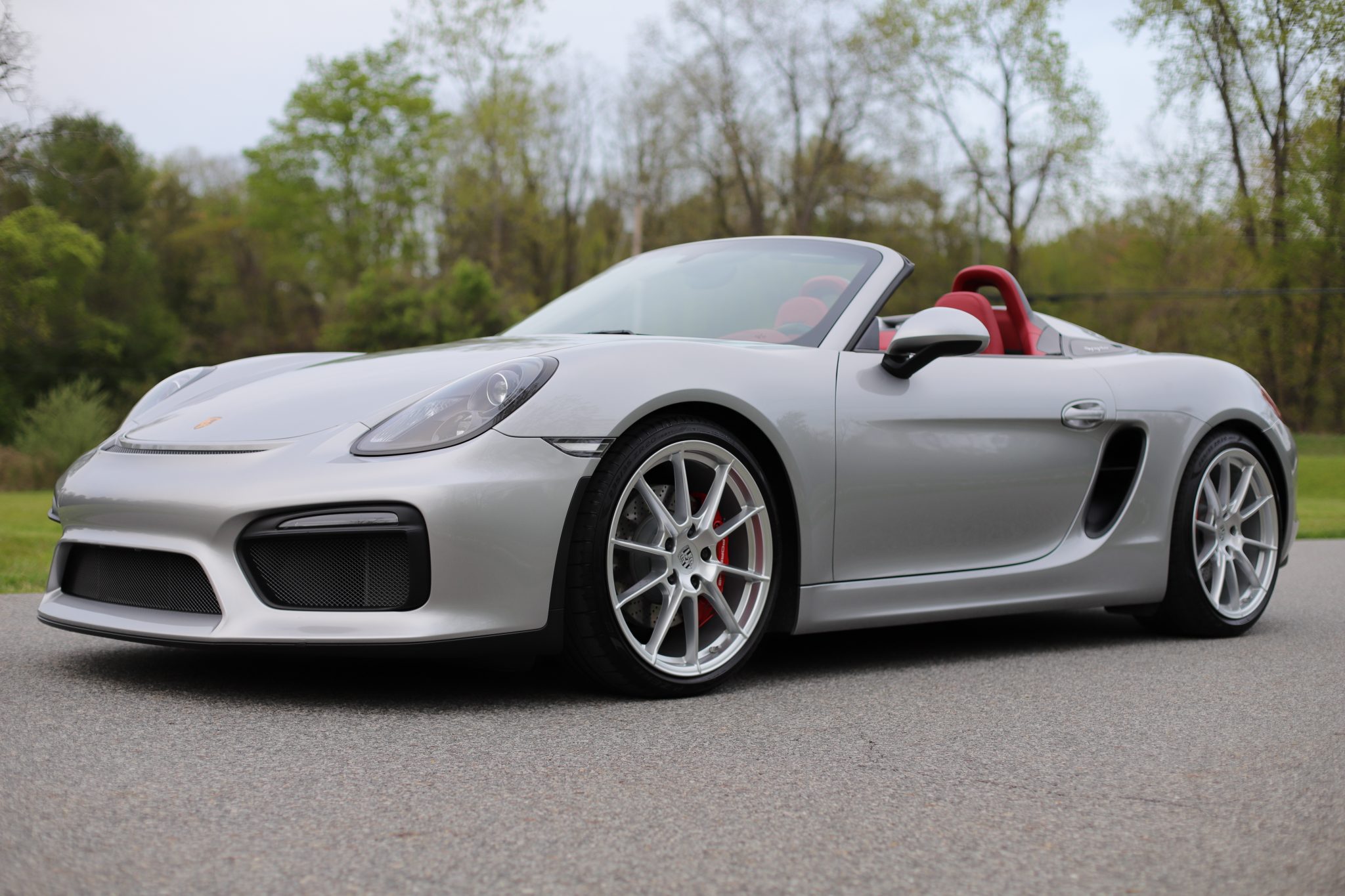
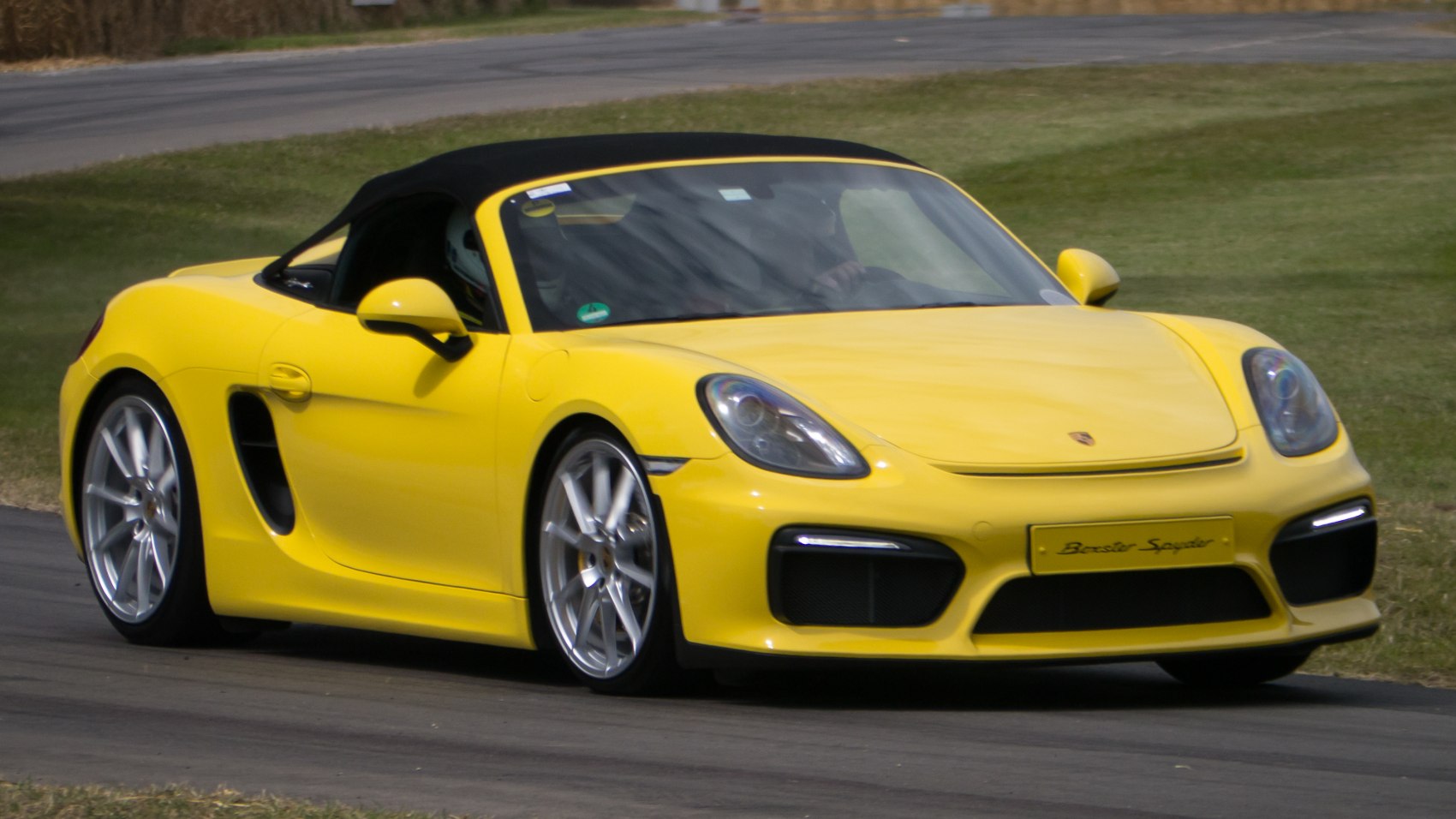
The Porsche 981 Boxster was produced between 2012 and 2016 (corresponding to the 2013–2016 model years in North America). This generation represents the final era of the naturally aspirated flat-six engine across the entire Boxster lineup, making it a highly coveted modern classic for driving enthusiasts and collectors.
The 981 generation marked a significant departure from its predecessor, the 987. With a longer wheelbase, wider track, and a complete interior overhaul, the 981 transformed the Boxster from a "junior" 911 into a world-class sports car in its own right. As we look at these vehicles in 2026, they occupy a "sweet spot" in the market, offering modern technology and safety features without the turbocharged four-cylinder engines found in the subsequent 718 generation.
The Evolution of the 981 Boxster (2012–2016)
When the 981 debuted at the 2012 Geneva Motor Show, it was immediately clear that Porsche had prioritized a more aggressive, mature aesthetic. The chassis was approximately 40% more rigid than the outgoing 987, yet the car was lighter by about 77 pounds (35 kg) thanks to an aluminum-steel composite construction.
2012–2013: The Introduction
In Europe, the 981 launched in early 2012, while North American buyers generally saw these as 2013 model year vehicles. The lineup launched with two primary variants: the Base Boxster and the Boxster S.
The Base model featured a 2.7-liter flat-six engine producing 265 horsepower. While some purists worried about the decrease in displacement from the previous 2.9-liter engine, the 2.7-liter was more efficient and loved to rev, with a redline of 7,400 RPM. The Boxster S utilized a 3.4-liter engine producing 315 horsepower, providing a significant bump in torque and mid-range punch.
2014: Refinement and Personalization
The 2014 model year was largely a year of stability for the 981. Porsche expanded the "Porsche Exclusive" options, allowing buyers more ways to customize the interior leather, stitching, and paint-to-sample (PTS) colors. This year is often cited by second-hand buyers as the "stable" year where early production glitches, such as minor software bugs in the Porsche Communication Management (PCM) system, were largely ironed out.
2015: The Arrival of the GTS
The 2015 model year introduced the Boxster GTS, which many enthusiasts consider the pinnacle of the 981's daily-driver range. The GTS took the 3.4-liter engine from the "S" and massaged it to produce 330 horsepower. More importantly, it bundled several performance options as standard:
- Porsche Active Suspension Management (PASM).
- Sport Chrono Package.
- Sport Exhaust System.
- Sport seats and Alcantara interior trim.
The GTS also featured a unique front fascia and smoked headlight housings, giving it a distinct, more aggressive presence.
2016: The Grand Finale and the Spyder
The 2016 model year was the final year of 981 production before the transition to the turbocharged 718. To celebrate the end of the run, Porsche released two notable versions.
First was the Boxster Black Edition, which was essentially a base 2.7-liter model with a high level of standard equipment and an all-black aesthetic. Second, and more importantly, was the 981 Boxster Spyder. The Spyder was a radical departure, featuring the 3.8-liter flat-six from the 911 Carrera S, producing 375 horsepower. It featured a manual-only transmission and a lightweight, manually operated fabric top, making it the lightest and fastest 981 ever produced.
Technical Specifications and Performance Data
The 981 generation is defined by its mechanical layout: mid-engine, rear-wheel drive, and naturally aspirated power. Below is a comparison of the primary 981 variants available during the production years.
| Feature | Boxster (Base) | Boxster S | Boxster GTS | Boxster Spyder |
|---|---|---|---|---|
| Engine | 2.7L Flat-6 | 3.4L Flat-6 | 3.4L Flat-6 | 3.8L Flat-6 |
| Horsepower | 265 hp | 315 hp | 330 hp | 375 hp |
| Torque | 206 lb-ft | 266 lb-ft | 273 lb-ft | 310 lb-ft |
| 0-60 MPH (PDK) | ~4.8 Seconds | ~4.5 Seconds | ~4.1 Seconds | ~4.3 Seconds (Manual) |
| Top Speed | 164 mph | 173 mph | 175 mph | 180 mph |
| Transmission | 6-MT / 7-PDK | 6-MT / 7-PDK | 6-MT / 7-PDK | 6-Speed Manual Only |
Note: 0-60 times vary based on the presence of the Sport Chrono package and launch control.
Mechanical Improvements and Key Features
The 981 brought several technological advancements that improved both performance and daily livability. Understanding these features is essential for anyone evaluating different model years.
Electric Power Steering (EPS)
The 981 was the first Boxster to move from hydraulic to electric power steering. Initially, this was a point of contention for Porsche purists who felt the steering lost some "road feel." However, compared to early EPS systems in other brands, Porsche's implementation was highly praised for its precision and weight. By the time the 2015-2016 models were produced, software tuning had made the EPS feel natural to most drivers.
The 9A1 Engine Architecture
The 981 utilized the 9A1 engine, which is a "direct fuel injection" (DFI) unit. Crucially, this engine design lacks the Intermediate Shaft (IMS) found in earlier Boxsters (1997–2008). This means the 981 is not susceptible to the catastrophic IMS bearing failures that plagued earlier generations, making it significantly more reliable as a long-term investment.
Transmission Options: PDK vs. Manual
- 7-Speed PDK (Porsche Doppelkupplung): This dual-clutch automatic is widely considered one of the best transmissions ever made. It offers lightning-fast shifts and includes a "sailing" mode (coasting) to improve fuel economy.
- 6-Speed Manual: For the 981 years, the manual transmission remained a favorite for those seeking engagement. In the GTS and later models equipped with Sport Chrono, the car features automatic "rev-matching" in Sport Plus mode, though this can be disabled by turning off stability control.
Interior and Ergonomics: The Modern Standard
The 981 interior was a massive leap forward, heavily influenced by the Carrera GT and the 991-generation 911. The center console was raised, bringing the gear shifter closer to the steering wheel—a design choice intended to mimic a race car cockpit.
Infotainment and Connectivity
The 981 used the PCM 3.1 system. By today's 2026 standards, the native navigation may feel dated, but the system supports Bluetooth calling and audio streaming. Many owners in the current market opt to install aftermarket modules that enable Apple CarPlay and Android Auto on the original screen, which modernizes the cabin significantly without altering the factory aesthetic.
Storage and Utility
The mid-engine layout allows for the "frunk" (front trunk) and a traditional rear trunk.
- Front Trunk: 150 liters (5.3 cubic feet)—deep enough for a standard carry-on suitcase.
- Rear Trunk: 130 liters (4.6 cubic feet)—shallower, ideal for soft bags or groceries. The total storage capacity makes the 981 a surprisingly viable car for long-distance road trips.
Maintenance and Reliability in 2026
If you are looking at a 981 Boxster today, maintenance history is the most important factor. While the 981 is robust, it is a high-performance machine with specific service requirements.
Common Issues to Watch For
- Dynamic Engine Mounts: Cars equipped with the Sport Chrono package have active mounts that can fail over time. If the dashboard displays a "PADM" fault, the mounts likely need replacement, which can be expensive.
- Door Panel Warping: In hotter climates, the adhesive on the upper door cards can fail, causing the material to warp or pull away from the window seal. This is a common cosmetic issue across the 981 and 991 platforms.
- Water Pumps: Like many Porsches, the water pump is a wear item. If you notice a faint smell of coolant or see pink crusty deposits during an inspection, a replacement is imminent.
- Headliner and Convertible Top: Ensure the top operates smoothly. The 981 top is fully electric (except for the Spyder) and should latch and unlatch without hesitation. Check the drain holes near the top mechanism; if these clog, water can back up and damage electronic modules under the seats.
Recommended Service Intervals
For a 981 that is now 10–14 years old, the following schedule is recommended:
- Oil Changes: Every 5,000 to 7,500 miles or once a year.
- Spark Plugs: Every 4 years or 40,000 miles.
- Drive Belt: Inspect every 4 years; replace by 60,000 miles.
- Brake Fluid: Flush every 2 years regardless of mileage to prevent moisture buildup in the ABS system.
Buying Guide: Which Year and Model is Best?
Choosing the right 981 Boxster depends on your budget and intended use.
- The Budget Enthusiast (Base 2.7L): Don't let the "Base" badge fool you. The 2.7L engine loves to sing at high RPMs and is arguably the most reliable due to its lower thermal stress. It is the perfect entry point into Porsche ownership.
- The Daily Driver (Boxster S): The 3.4L engine provides the torque needed for effortless highway passing and city driving. It offers the best balance of performance and price.
- The Collector (Boxster GTS): With its unique styling and standard performance upgrades, the GTS has held its value remarkably well. It is often cited as the "best sounding" 981 due to the standard sport exhaust tuning.
- The Purist (Boxster Spyder): If you want a raw, analog experience and don't mind a manual top, the Spyder is a masterpiece. It is also the most likely to appreciate in value over the next decade.
For further research on official technical bulletins and historical recalls, owners should consult the National Highway Traffic Safety Administration (NHTSA) or the Porsche Newsroom for archival press kits.
Frequently Asked Questions
Did the 981 Boxster have IMS bearing issues?
No. The 981 uses the 9A1 engine architecture, which was designed without an intermediate shaft. This effectively eliminated the IMS bearing failure risk associated with Porsche models built between 1997 and 2008.
What is the difference between the 981 and the 718 Boxster?
The primary difference is the engine. The 981 uses a naturally aspirated flat-six engine, known for its linear power delivery and high-pitched exhaust note. The 718 (produced after 2016) moved to a turbocharged four-cylinder engine, which offers more torque and better fuel efficiency but lacks the traditional "flat-six" sound.
How can I tell if a 981 has the Sport Exhaust (PSE)?
Look for a button on the center console with an icon that looks like two exhaust tips. If pressed, it opens valves in the muffler to increase the sound. If the car doesn't have the button, it may still have an aftermarket exhaust, but the factory Porsche Sport Exhaust was a highly desirable option.
Is the 981 Boxster a good investment in 2026?
While most cars are depreciating assets, the 981 (especially the GTS and Spyder) has shown incredible price resilience. Because it was the last naturally aspirated six-cylinder Boxster (excluding the high-end 718 GT4/Spyder), demand remains high among enthusiasts who prefer the sound and feel of a non-turbocharged engine.
Can I fit a set of golf clubs in a 981 Boxster?
Yes, but with a caveat. A standard-sized golf bag usually fits in the rear trunk if you remove the longer clubs (like the driver) and place them separately. The front trunk is generally too narrow for golf bags but perfect for suitcases.
Final Recommendation
When shopping for a 981 Boxster, prioritize maintenance records over low mileage. A 981 that has been driven regularly and serviced on time is often a better purchase than a "garage queen" with original fluids and dry-rotted tires. For the best overall experience, look for a model with the Infotainment Package (for the upgraded sound) and PASM (for adjustable ride comfort). Regardless of the specific year, the 981 remains one of the most balanced and rewarding driver's cars ever produced by Stuttgart.