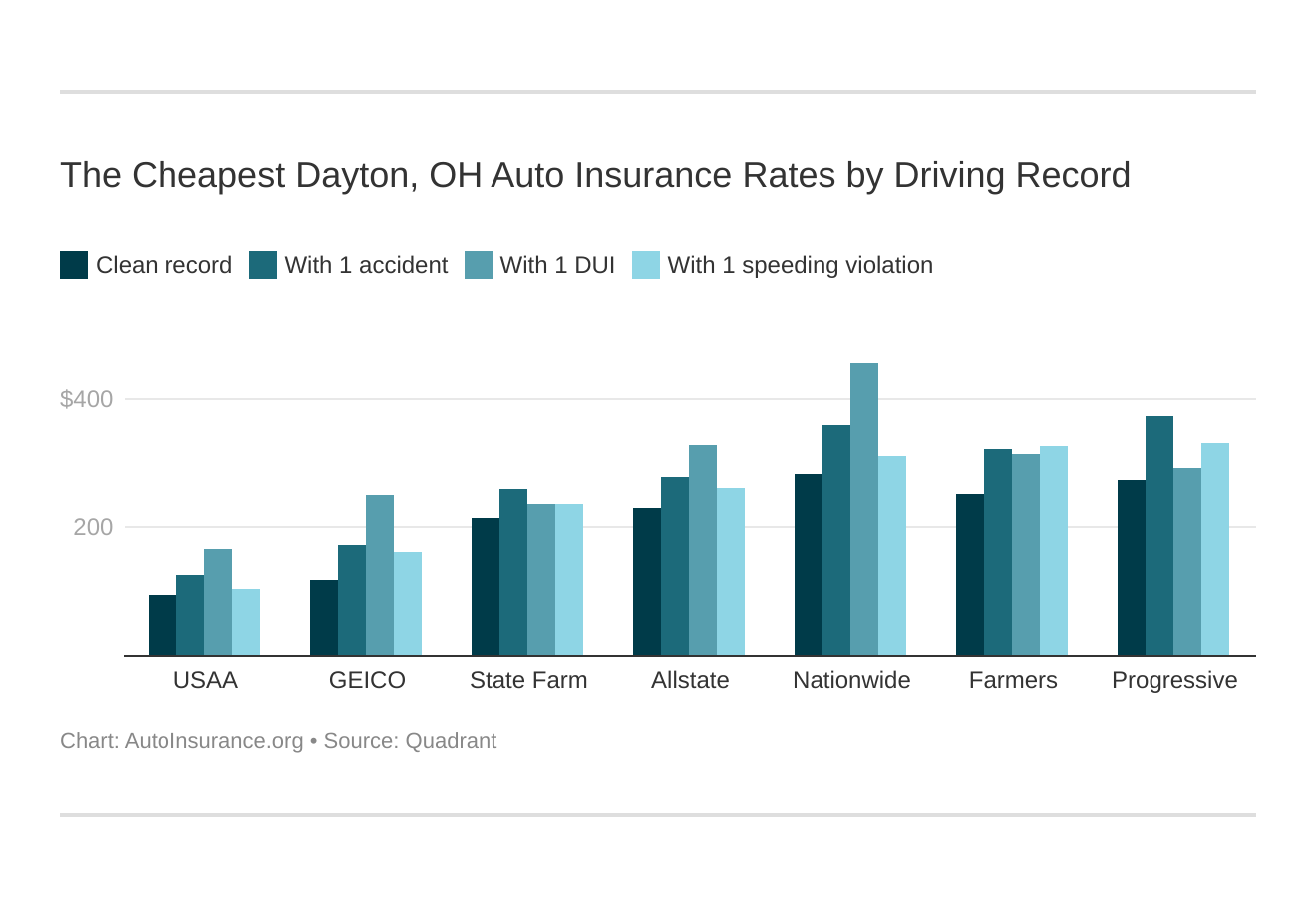
Finding the best car insurance rates in Ohio involves a combination of maintaining a clean driving record, strategically selecting coverage limits, and leveraging the state’s competitive insurance market. By comparing multiple quotes, maximizing Ohio-specific discounts, and utilizing telematics technology in 2026, drivers can significantly reduce their annual premiums while maintaining robust protection.
Ohio remains one of the more affordable states for car insurance compared to the national average, but "affordable" is relative. Rates are influenced by a complex tapestry of state laws, local weather patterns, and individual risk profiles. As we navigate the insurance landscape in 2026, the Ohio Department of Insurance (ODI) continues to oversee a market with hundreds of licensed providers, offering consumers a high degree of choice. However, choice requires due diligence.
To secure the most competitive rates, you must understand the underlying mechanics of how Ohio insurers price their policies and which levers you can pull to lower those costs without sacrificing essential legal or financial protections.
Understanding Ohio’s Insurance Landscape and Legal Requirements
Before diving into the specific ways to save, it is vital to understand the regulatory environment in Ohio. Ohio operates under a tort system, meaning the driver found at fault in an accident is responsible for the damages. This differs from "no-fault" states and places a premium on having adequate liability coverage to protect your personal assets.
The Ohio Financial Responsibility (FR) law requires every driver to carry a minimum amount of insurance or prove financial responsibility. In 2026, the minimum liability requirements in Ohio remain:
- $25,000 for bodily injury per person.
- $50,000 for bodily injury per accident.
- $25,000 for property damage.
While these are the legal minimums, most financial experts recommend higher limits (such as 100/300/100) because medical costs and vehicle repairs in cities like Columbus, Cleveland, and Cincinnati often exceed these base amounts. If you are at fault in a multi-car pileup on I-71, the state minimums will likely be exhausted quickly, leaving you personally liable for the remaining balance.
1. Conduct Rigorous Comparative Shopping
The most effective way to find the best rates in Ohio is to compare quotes from at least three to five different carriers. In 2026, the variance between the highest and lowest quotes for the same driver can be over $1,000 annually. This is because every insurance company uses a proprietary algorithm to assess risk.
Some companies, such as Progressive or State Farm, may prioritize drivers with long histories of continuous coverage. Others, like Erie Insurance or Cincinnati Insurance, may offer better rates for homeowners or those with specific professional backgrounds. National carriers often have the technology to offer lower rates to low-risk drivers, while regional carriers might have a better understanding of local Ohio risks, such as the increased frequency of deer-related claims in rural counties.
When shopping, ensure you are comparing "apples to apples." This means the deductibles, liability limits, and add-ons (like roadside assistance or rental reimbursement) must be identical across all quotes. Using independent agents who represent multiple carriers can streamline this process, as they can access the "back-end" rating systems of several companies simultaneously.
2. Leverage Ohio-Specific and Lifestyle Discounts
Insurance companies in Ohio offer a wide array of discounts that often go unclaimed. In 2026, these are increasingly digitized and automated, but they still require initial verification.
- Multi-Policy (Bundling): This remains the king of discounts. In Ohio, combining your auto insurance with homeowners, renters, or life insurance can result in a 15% to 25% reduction in premiums.
- Good Student Discounts: Ohio has a high density of college students (attending institutions like Ohio State, Miami University, or Ohio University). Students under 25 with a "B" average or higher can often save 10% or more.
- Affiliation Discounts: Many Ohio insurers offer lower rates to employees of major healthcare systems (like Cleveland Clinic), members of credit unions, or alumni of specific universities.
- Safe Driver and Accident-Free: If you have gone three to five years without a moving violation or an at-fault accident in Ohio, you are eligible for "preferred" tier pricing, which is the lowest available.
3. Embrace Telematics and Usage-Based Insurance (UBI)
By 2026, telematics has become a standard offering for most Ohio insurers. Programs like Progressive’s Snapshot, State Farm’s Drive Safe & Save, or Allstate’s Drivewise allow the company to monitor your driving habits via a smartphone app or a plug-in device.
In Ohio’s urban centers, where stop-and-go traffic is common, telematics can be a double-edged sword. However, for cautious drivers who avoid late-night driving and hard braking, the savings can be substantial—sometimes reaching 30% or more. These programs track:
- Braking and Acceleration: Smooth transitions are rewarded.
- Mileage: Low-mileage drivers (those working from home in suburbs like Dublin or Westlake) benefit significantly.
- Time of Day: Driving between midnight and 4:00 AM is considered high-risk.
If you are a safe driver, opting into a telematics program is one of the fastest ways to lower your rate in Ohio without changing your coverage levels.
4. Optimize Your Deductibles
The deductible is the amount you pay out of pocket before your insurance coverage kicks in for collision or comprehensive claims. In Ohio, the standard deductible is often $500, but increasing it to $1,000 can lower your monthly premium by 15% to 30%.
This strategy is particularly effective if you have an emergency fund. For example, if saving $200 a year on premiums by increasing your deductible from $500 to $1,000, you will "break even" in two and a half years. Given that the average driver files a claim only once every decade, the long-term math favors the higher deductible. However, if you live in an area prone to frequent minor incidents—such as hail damage in the Ohio Valley—ensure you can afford the out-of-pocket cost if a claim arises.
5. Improve and Monitor Your Credit-Based Insurance Score
In the state of Ohio, insurance companies are legally allowed to use your credit history to help determine your premium. This is known as a credit-based insurance score. Actuarial data suggests a strong correlation between credit management and insurance risk.
Drivers with "Excellent" credit in Ohio can pay nearly 50% less than drivers with "Poor" credit, even if their driving records are identical. To find the best rates in 2026:
- Pay all bills on time to maintain a solid payment history.
- Keep credit card balances low relative to your limits.
- Avoid opening multiple new credit lines in a short period.
If you have recently improved your credit score, notify your insurance agent immediately. They may not automatically re-run your credit until your policy renewal, and a mid-term adjustment could save you money.
6. Align Coverage with the Value of Your Vehicle
As vehicles age, the cost of "full coverage" (Collision and Comprehensive) may eventually exceed the potential benefit. In Ohio, if you are driving a vehicle that is over 10 years old or has high mileage, its Actual Cash Value (ACV) might be less than $4,000.
If your annual premium for collision and comprehensive coverage is $800 and your deductible is $1,000, you are essentially paying $800 a year for the chance to collect a maximum of $2,200 ($4,000 value minus $1,000 deductible and the premium paid). Many Ohio drivers find that once a car reaches a certain age, switching to Liability Only provides the best value. This eliminates the "physical damage" portion of the policy while keeping you legally compliant and protected against lawsuits.
7. Account for Local Geographic Factors
Where you park your car in Ohio matters. Insurance rates are highly localized by ZIP code. For instance, rates in a quiet suburb of Dayton will generally be lower than in downtown Cleveland due to lower rates of theft, vandalism, and traffic density.
In 2026, insurers also look at weather-related risks. Parts of Northern Ohio in the "snow belt" may have higher rates due to the increased probability of winter weather accidents. Conversely, central Ohio may see higher comprehensive rates due to frequent spring thunderstorms and hail. If you are planning a move within the state, check the insurance rates for your new ZIP code before finalizing your housing; the difference can be enough to impact your monthly budget.
Ohio Coverage Comparison Table (2026 Estimates)
The following table illustrates how different coverage levels might look for a standard Ohio driver (35 years old, clean record, mid-sized sedan).
| Coverage Level | Key Components | Estimated Annual Premium | Who It’s For |
|---|---|---|---|
| State Minimum | 25/50/25 Liability Only | $450 - $600 | Drivers with low-value assets and old cars. |
| Standard Coverage | 50/100/50 + $1,000 Deductible | $850 - $1,100 | Most Ohio drivers seeking a balance of cost and protection. |
| High Protection | 100/300/100 + $500 Deductible + UM/UIM | $1,300 - $1,700 | Homeowners, families, and those with significant assets. |
| Full Telematics | Standard Coverage + Active UBI App | $650 - $900 | Safe, low-mileage drivers willing to be monitored. |
Note: UM/UIM refers to Uninsured/Underinsured Motorist coverage, which is highly recommended in Ohio as roughly 13-15% of drivers remain uninsured despite state laws.
Common Pitfalls When Searching for Ohio Rates
When chasing the "best" rate, it is easy to fall into traps that could cost you more in the long run. One common mistake is neglecting Uninsured/Underinsured Motorist (UM/UIM) coverage. While not legally required in Ohio, it protects you if you are hit by someone who has no insurance or carries only the $25,000 state minimum. Given the high cost of modern medical care in 2026, UM/UIM is often the most valuable part of a policy.
Another pitfall is failing to report changes in your commute. If you transitioned to a fully remote role in a company based in Cincinnati but live in the suburbs, your "annual mileage" has dropped significantly. Failing to update this means you are paying a "commuter" rate for a "pleasure" vehicle.
Lastly, be wary of "teaser" rates. Some companies offer a low introductory rate that spikes after the first six months. Always ask your agent if the quoted price includes a "new customer discount" that will expire upon renewal.
FAQ: Frequently Asked Questions about Ohio Car Insurance
Does Ohio require PIP (Personal Injury Protection)? No, Ohio is not a no-fault state and does not require PIP. Instead, Ohio offers Medical Payments (MedPay) coverage. MedPay is optional but recommended as it covers medical expenses for you and your passengers regardless of fault, helping to bridge the gap before health insurance or a legal settlement kicks in.
How do Ohio's "deer accidents" affect my insurance? In Ohio, hitting a deer is typically covered under Comprehensive coverage, not Collision. Because deer accidents are common in the Midwest, having a lower comprehensive deductible can be beneficial if you live in a wooded or rural area. These claims usually do not cause your rates to spike as much as an at-fault accident would.
Can I get insurance in Ohio with an SR-22? Yes. If your license was suspended (due to a DUI or driving without insurance), the Ohio BMV may require an SR-22 certificate. This is not a separate insurance policy but a filing added to your existing policy that proves you meet the state's financial responsibility requirements. Many "non-standard" insurers in Ohio specialize in SR-22 filings.
How does "Gap Insurance" work in Ohio? If you finance or lease a new car in Ohio, the car's value drops the moment you drive it off the lot. If the car is totaled, your standard insurance only pays the Actual Cash Value. Gap insurance covers the "gap" between what you owe on your loan and the car's current value. This is highly recommended for any vehicle with less than 20% equity.
Are there penalties for a lapse in coverage in Ohio? Yes, Ohio has strict penalties for driving without insurance. If caught, the Ohio Bureau of Motor Vehicles (BMV) can suspend your driver's license, registration, and license plates. To reinstate them, you will likely have to pay fees ranging from $100 to $600 and maintain an SR-22 filing for several years.
Practical Recommendation
To find the absolute best car insurance rates in Ohio for 2026, your first step should be to visit the Ohio Department of Insurance (ODI) website to verify the complaint ratios of companies you are considering. Once you have a shortlist of reputable carriers, gather your current "Declarations Page" to ensure you are matching coverage limits exactly.
Request quotes from at least one national giant, one regional player (like Erie or Grange), and one tech-focused carrier. If you are a safe driver, prioritize those that offer a telematics discount. Review your credit report for errors before applying, as a clean credit file is just as important as a clean driving record in the Ohio market.
Disclaimer: This information is for educational purposes and does not constitute legal or financial advice. Insurance regulations and rates are subject to change. Consult with a licensed insurance professional in Ohio for specific policy recommendations.