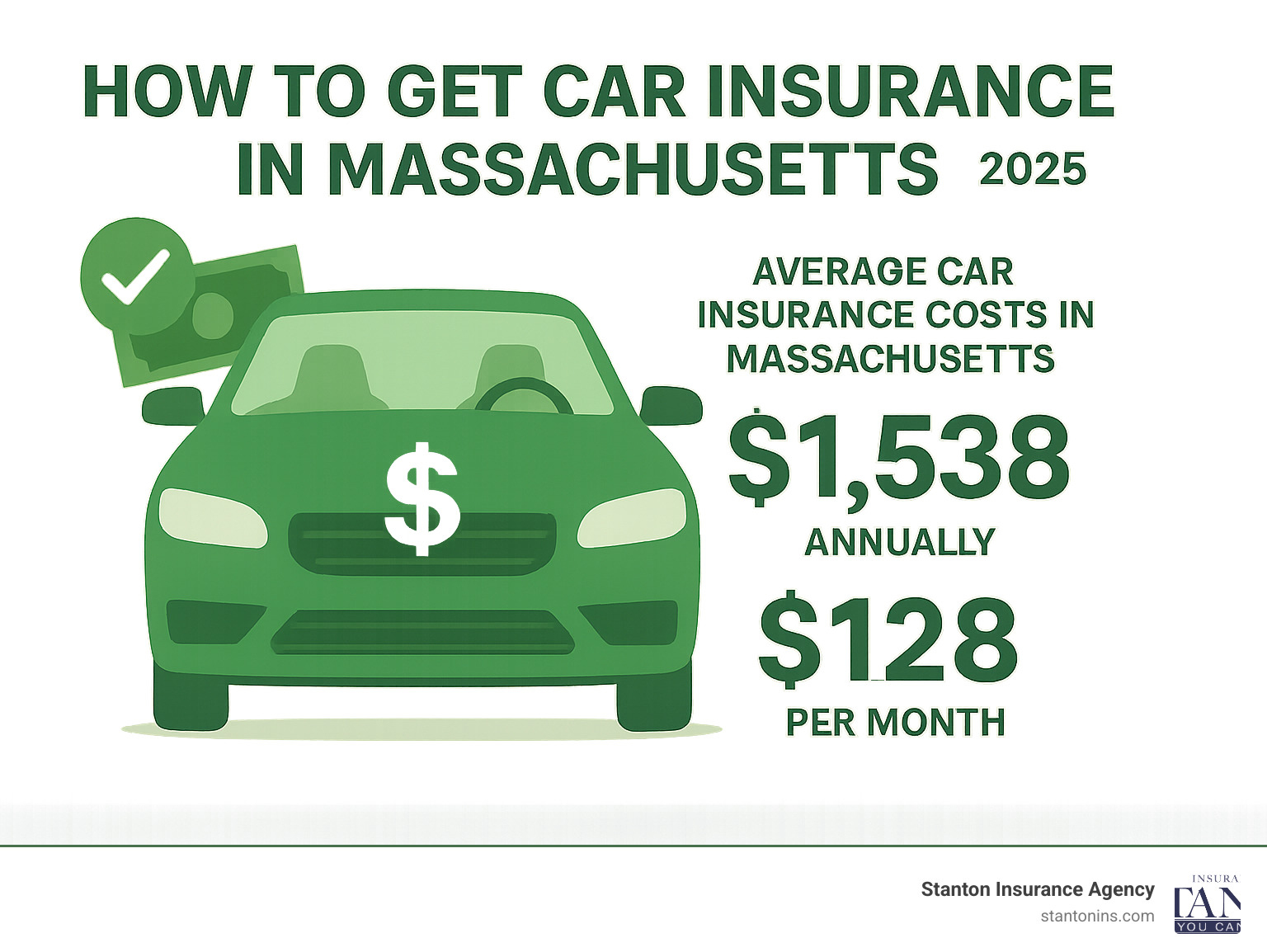
The average cost of auto insurance for a 27-year-old typically ranges between $1,500 and $2,200 per year for full coverage, though individual rates vary significantly based on location, driving history, credit score, vehicle make and model, and chosen coverage limits.
Navigating the financial landscape of personal car insurance can be complex, especially for young adults who have moved past the steep risk brackets of early driving years but have not yet entered the traditionally lower-rate brackets of middle age. At 27 years old, drivers are generally viewed more favorably by insurance underwriters compared to teenagers or drivers under 25. However, calculating or answering "how much is the average auto insurance for a 27 year" requires more than throwing out a single national baseline number. Because insurance premiums are hyper-personalized financial products, answering this question accurately demands examining the exact context, methodology, and variables that shape the final price tag.
Understanding how to address, calculate, and contextualize these costs helps consumers, researchers, and financial planners make informed decisions. Below are seven distinct ways to answer and approach the question of average auto insurance costs for a 27-year-old, ranging from macroeconomic benchmark data to hyper-local risk profiling and policy optimization.
1. Provide the National Baseline Benchmark
The most direct way to answer the question is by citing macroeconomic benchmark data from major industry regulators, consumer research groups, and insurance data aggregators. On a national scale, a 27-year-old driver with a clean driving record and good credit history can expect to pay an average of approximately $1,650 to $2,100 annually for a standard full-coverage policy, which includes liability, comprehensive, and collision protection.
When delivering this benchmark, it is crucial to clarify what "full coverage" entails. A standard policy typically features:
- Liability Coverage: Pays for bodily injury and property damage you cause to others.
- Collision Coverage: Pays for damage to your own vehicle resulting from a collision with another vehicle or object.
- Comprehensive Coverage: Pays for theft, vandalism, fire, weather events, or animal strikes.
While national averages offer a helpful baseline or macro-level starting point, they rarely reflect what any single individual will actually pay. Insurance companies calculate premiums using proprietary algorithms that weigh dozens of localized risk factors. Therefore, presenting this benchmark should always be accompanied by the caveat that geographic location and personal risk profiles heavily distort the national average.
2. Break Down the Cost by Coverage Level (Minimum vs. Full Coverage)
Another effective way to answer the question is by differentiating between state-mandated minimum liability insurance and comprehensive full coverage. Many 27-year-olds on a tight budget look for the cheapest legal way to drive, making the distinction between these two coverage levels vital.
| Coverage Type | Estimated Annual Cost for 27-Year-Old | What It Includes | Primary Financial Risk |
|---|---|---|---|
| State Minimum Liability | $500 – $900 | Basic third-party injury and property damage limits required by law. | Out-of-pocket costs for repairing your own car or severe medical bills exceeding limits. |
| Full Coverage (100/300/100) | $1,500 – $2,200 | Liability plus collision and comprehensive coverage with higher limits. | Higher monthly premium, but protects against total vehicle loss and major lawsuits. |
Drivers who own their vehicles outright often feel tempted to drop down to state minimum coverage to save money. However, doing so at age 27 can expose a driver to catastrophic financial risk if they cause an accident that totals a modern vehicle. Explaining the cost differential between these two tiers provides a practical framework for drivers trying to balance monthly cash flow with long-term asset protection.
3. Analyze the Impact of Geographic Location and State Regulations
Insurance pricing is fundamentally local. A 27-year-old living in a dense urban center with high traffic congestion, higher rates of vehicle theft, and litigious legal environments will pay vastly more than a peer living in a rural farming community.
When answering how much insurance costs at this age, breaking down the regional variance is essential. For example:
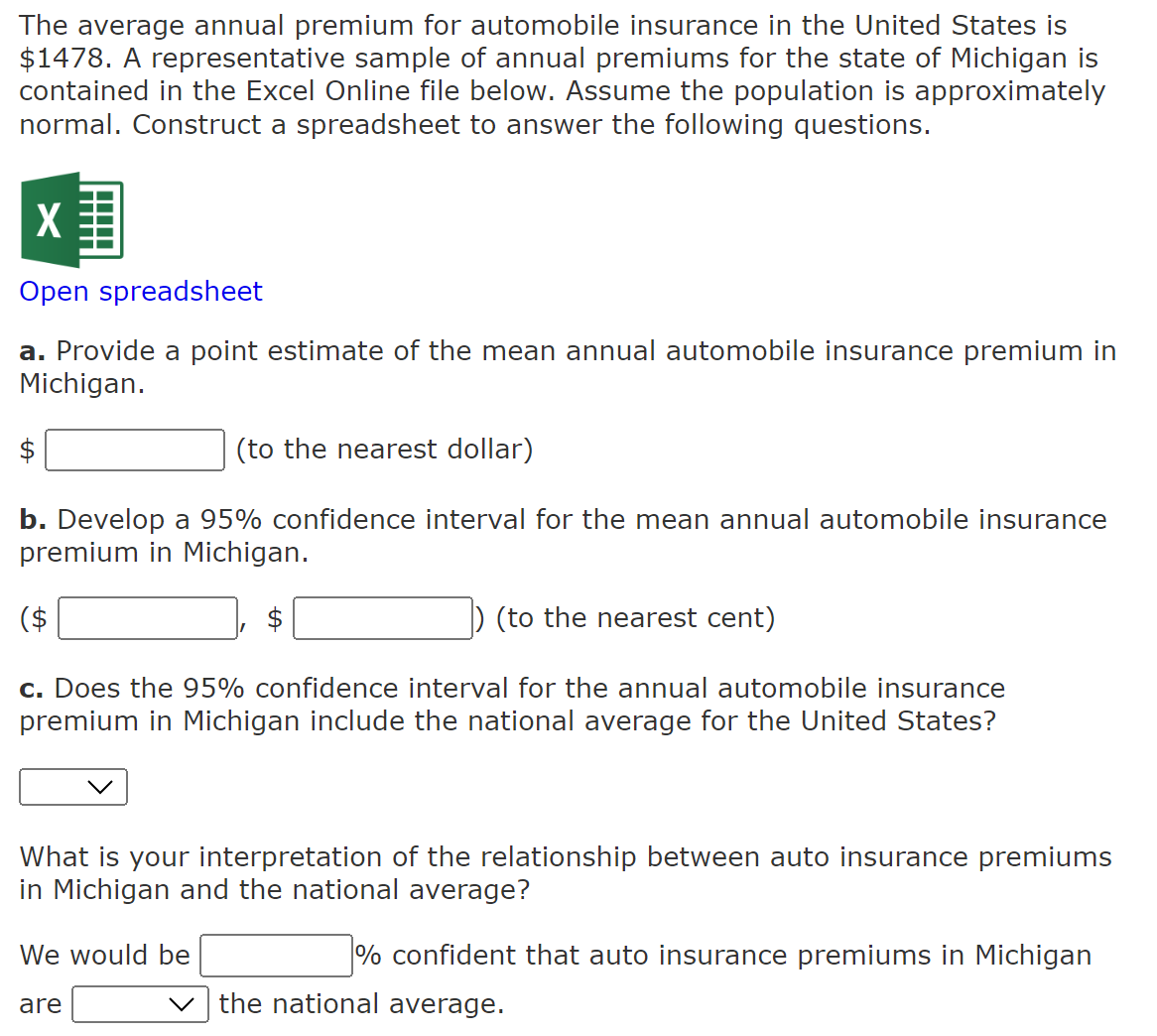
- High-Cost States: States like Florida, New York, Michigan, and California frequently see average premiums for young adults exceed $2,500 to $3,000 annually due to state-mandated coverage rules (such as Personal Injury Protection in no-fault states) and high litigation rates.
- Low-Cost States: States like Idaho, Maine, Ohio, and North Carolina often feature average premiums closer to $1,000 to $1,300 per year for the same demographic.
Furthermore, state-specific minimum liability limits dictate the baseline floor of what insurance companies can charge. Explaining how ZIP codes dictate risk pooling helps demystify why two 27-year-olds with identical driving records can receive quotes that differ by over a thousand dollars simply based on where they park their cars at night.
4. Evaluate Driving History and Motor Vehicle Records
At 27, a driver has typically accumulated roughly a decade of driving experience, assuming they received their license at 16 or 17. Insurance companies heavily reward this accumulated experience—provided it is clean.
To answer the question thoroughly, one must explain how driving infractions dramatically swing the average price:
- Clean Record: Qualifies the 27-year-old for standard or preferred tier pricing, keeping the average near the $1,600–$2,100 mark.
- Single Speeding Ticket: Can spike annual premiums by 20% to 35%, pushing average costs well past $2,500 depending on how many miles over the limit the infraction occurred.
- At-Fault Accident: Typically stays on a driving record for three to five years, causing premium increases of 40% to 50% or more.
- DUI / DWI Infraction: Catapults insurance costs into high-risk assigned-risk pools, where annual premiums can easily exceed $4,000 to $6,000, and often requires filing an SR-22 financial responsibility form.
This perspective shifts the answer from a static demographic number to a behavioral metric, emphasizing that insurance cost is largely within the driver's immediate control through safe driving habits.
5. Account for Credit Scores and Financial Stability
In most U.S. states, insurance companies are legally permitted to use credit-based insurance scores as a rating factor. Actuarial studies have historically demonstrated a strong statistical correlation between how an individual manages credit and their likelihood of filing an insurance claim.
For a 27-year-old, credit history can be a massive financial lever:
- Good to Excellent Credit (740+): Unlocks the lowest available rate tiers, ensuring the driver pays closer to the lower end of the national average.
- Fair Credit (580–669): Results in moderate surcharges, often adding hundreds of dollars annually to the bill.
- Poor Credit (<580): Can double or even triple insurance rates compared to drivers with pristine credit, regardless of a clean driving record.
When answering the question of what insurance costs, it is vital to note that states such as California, Hawaii, Massachusetts, and Michigan have banned or heavily restricted the use of credit scores in auto insurance underwriting. Acknowledging these regulatory exceptions provides a comprehensive, legally accurate answer.
6. Explore Discounts, Vehicle Choice, and Policy Optimization
Instead of merely stating a statistical average, a proactive answer provides actionable strategies that a 27-year-old can use to beat that average. Insurance pricing is not entirely fixed; consumers can leverage multiple discounts and strategic choices to lower their premiums.
Key optimization methods include:
- Vehicle Selection: Insuring a modest sedan, crossover, or economy SUV costs significantly less than insuring a high-horsepower sports car or a luxury imported vehicle with expensive, specialized aluminum body parts and complex sensor arrays.
- Telematics Programs: Enrolling in app-based tracking programs (such as Progressive Snapshot or State Farm Drive Safe & Save) allows safe drivers to earn deep discounts based on actual driving behavior, such as avoiding rapid acceleration, hard braking, and late-night driving.
- Bundling Policies: Combining auto insurance with renters or homeowners insurance with the same carrier often yields a multi-policy discount of 10% to 25%.
- Deductible Adjustments: Raising comprehensive and collision deductibles from $500 to $1,000 can reduce annual premium costs by 10% to 15%, provided the driver maintains an emergency fund to cover the higher out-of-pocket cost if an accident occurs.
7. Compare Rates Across Multiple Carriers (The Shopping Approach)
The final and perhaps most practical way to answer "how much is the average auto insurance for a 27 year" is to emphasize that there is no single price because insurance companies price risk differently.
Underwriters at different firms weigh rating factors according to their own internal risk appetites. For instance, Company A might heavily penalize a single minor speeding ticket, while Company B might overlook it if the driver has excellent credit. As a result, quotes for the exact same 27-year-old driver living at the exact same address can vary by hundreds—or even thousands—of dollars between competing insurers.
To determine the true cost for any specific individual at age 27, the only foolproof method is to obtain personalized quotes from at least three different carriers: a national major brand, a regional insurer, and a direct-to-consumer digital carrier. Comparing these quotes side-by-side reveals the true market rate for that specific driver's unique profile.
Frequently Asked Questions
Is auto insurance significantly cheaper at 27 compared to age 25?
Yes, generally speaking. While turning 25 is often cited as the milestone when insurance rates begin to drop significantly due to statistical maturity, rates continue to trend downward gradually from ages 25 to 30 as driving experience increases and driving habits stabilize, provided the record remains clean.
Do 27-year-old male and female drivers pay the same amount?
Historically, young male drivers pay notably higher auto insurance rates than female drivers of the same age because actuarial data indicates men are statistically more prone to high-speed and severe accidents. However, the magnitude of this gender gap narrows significantly by age 27 compared to the teenage years, and several states (such as California, Hawaii, Massachusetts, Michigan, Montana, North Carolina, and Pennsylvania) prohibit the use of gender as a rating factor altogether.
What is the best coverage deductible for a 27-year-old?
A $500 deductible is the most common industry standard, balancing monthly premium costs with out-of-pocket expenses in the event of a claim. However, if a 27-year-old has a healthy emergency savings fund, opting for a $1,000 deductible is often recommended because it lowers the recurring monthly premium substantially.
How often should a 27-year-old shop around for car insurance?
It is advisable to review and compare auto insurance rates at least once a year, or whenever a major life event occurs—such as moving to a new ZIP code, buying a new car, getting married, improving your credit score, or having a traffic violation drop off your driving record.