Selecting the best dental tourism destination requires a careful evaluation of clinical standards, regulatory frameworks, total financial investment, logistical accessibility, and post-procedure continuity of care. Patients must look beyond low upfront treatment costs to verify the qualifications of international practitioners, the accreditation of clinics, and the quality of materials used in procedures like implants and crowns.
The globalization of healthcare has transformed elective dental care into a multi-billion-dollar industry. Millions of patients travel internationally each year to access complex procedures—such as full-mouth restorations, dental implants, root canals, and cosmetic reconstructions—at a fraction of domestic costs. However, traveling across borders for medical and dental interventions introduces distinct variables that require structured decision-making. Choosing a destination cannot rely solely on online advertisements or promotional pricing packages. It demands a systematic review of clinical proficiency, legal recourse, material traceability, and travel logistics.
Navigating this space safely requires an understanding of what separates a reputable international dental hub from a high-risk facility. The following five strategic approaches provide a framework for evaluating and selecting the ideal dental tourism destination for your specific clinical needs.
1. Evaluate Clinical Standards, Accreditation, and Practitioner Credentials
The primary determinant of a successful dental procedure is the skill of the practitioner and the operational standards of the clinic. When assessing a potential dental tourism destination, patients must investigate the regulatory bodies governing dentistry in that country and the specific credentials of individual clinicians.
Understanding International and National Accreditations
Reputable dental clinics often seek independent validation of their safety, hygiene, and patient management protocols. Look for facilities accredited by recognized international organizations, such as the Joint Commission International (JCI) or similar national healthcare accreditation bodies.
- JCI Accreditation: Represents the gold standard in global healthcare quality, evaluating hospital-grade safety, infection control, and patient rights.
- National Dental Associations: Check whether the treating dentist is registered with their home country’s national dental board or council. For example, dentists in Mexico often register with the Secretaría de Educación Pública (SEP) and maintain memberships in bodies like the American Dental Association (ADA) as international members.
- Specialist Certifications: If you require specialized work such as periodontics, endodontics, or maxillofacial surgery, verify that the practitioner has completed post-graduate residency training rather than just a general dental degree.
Investigating Educational Backgrounds and Continuing Education
The best destinations feature dense networks of clinicians who have trained internationally or participated in advanced fellowship programs in the United States, Europe, or other established medical centers. Review practitioner biographies for residency completions, peer-reviewed publications, and active participation in global dental academies (e.g., the International Congress of Oral Implantologists).
2. Verify Material Quality, Laboratory Standards, and Technology
A skilled dentist using substandard materials can lead to premature implant failure, crown fractures, or chronic inflammation. When choosing a destination, the quality of the dental hardware and the presence of in-house or certified external laboratories are critical decision factors.
Traceability of Dental Materials
Patients must demand transparency regarding the brands of dental implants, bonding agents, ceramics, and alloys used in their treatments. Top-tier destinations in countries like Costa Rica, Hungary, and Thailand typically utilize globally recognized, FDA-approved or CE-marked manufacturing brands.
| Material Category | Premium Global Brands to Look For | Potential Risks of Unverified Alternatives |
|---|---|---|
| Dental Implants | Straumann, Nobel Biocare, Zimmer Biomet, Astra Tech | Osseointegration failure, proprietary component incompatibility |
| Ceramics & Crowns | Ivoclar Vivadent (IPS e.max), 3M Lava, Zirconia | Chipping, marginal leakage, discoloration, aesthetic mismatch |
| Bone Grafting | Geistlich Bio-Oss, Puros, Grafton | Infection transmission risks, poor bone regeneration, resorption |
Technological Integration
Modern dentistry relies heavily on digital workflows. The best destinations feature clinics equipped with advanced diagnostic and execution technology:
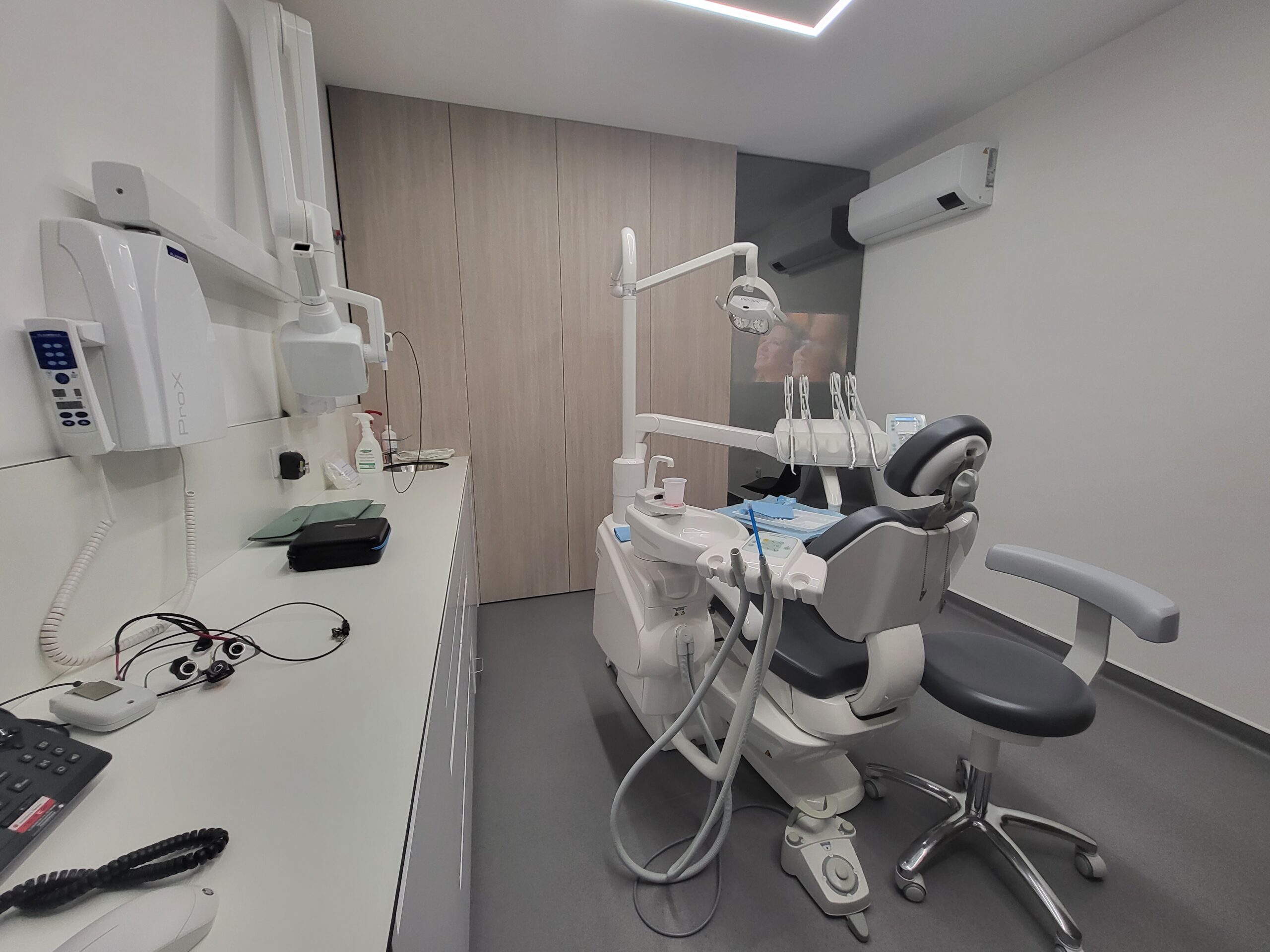
- Cone-Beam Computed Tomography (CBCT): Essential for precise 3D imaging of jawbone density and nerve pathways prior to implant placement.
- CAD/CAM Systems: Computer-Aided Design and Computer-Aided Manufacturing allow same-day crowns and digital impressions, reducing the need for multiple manual fittings.
- In-House Laboratories: Clinics with integrated laboratories can adjust prosthetics rapidly, ensuring a custom fit before the patient departs.
3. Analyze Total Financial Investment and Hidden Costs
While cost savings represent the primary catalyst for dental tourism, focusing solely on the sticker price of a procedure can lead to severe financial and clinical complications. A comprehensive financial analysis must account for the total cost of ownership over the lifecycle of the dental work.
Calculating the True Cost of Dental Tourism
When budgeting for international dental care, patients should aggregate all associated expenditures rather than looking at procedure fees in isolation:
- Primary Procedure Fees: The direct cost charged by the clinic for extractions, implants, abutments, crowns, or veneers.
- Travel and Accommodation: Round-trip airfare, local transit (taxis, shuttles), and hotel stays adjusted for the expected duration of the treatment plan.
- Recovery Time Living Expenses: Food and incidental costs during the healing period, particularly if follow-up visits require extended stays.
- Contingency Funds: Financial reserves allocated for unexpected complications, prescription medications, or emergency medical interventions.
The Financial Risk of Cheap Dentistry
Extremely low-cost treatments often indicate compromises in material quality, sterilization protocols, or practitioner compensation. If an implant fails two years after returning home, local dentists in your home country may refuse to service foreign hardware, or they may charge exorbitant fees to remove and replace incompatible components. Selecting a mid-tier or premium international clinic that offers a comprehensive warranty often yields lower long-term costs than choosing the cheapest available provider.
4. Assess Logistical Accessibility, Travel Logistics, and Recovery Environments
The geographical location of a dental destination dictates travel fatigue, ease of transit, and the suitability of the environment for post-operative recovery.
Flight Durations and Infrastructure
For patients traveling from North America, destinations in Central America (Costa Rica, Mexico) and the Caribbean (Colombia) offer short flight durations, minimal time zone disruption, and frequent direct flights. Conversely, patients traveling to Southeast Asia (Thailand) or Eastern Europe (Hungary) must factor in long-haul flight fatigue, which can exacerbate post-surgical discomfort and increase the risk of complications such as deep vein thrombosis (DVT) following invasive procedures.
Recovery Infrastructure and Support Services
The recovery environment is just as important as the clinical chair. Consider the following logistical factors:
- Medical Tourism Concierges: Many top destinations feature clinics with dedicated patient coordinators who manage airport transfers, hotel bookings, and translation services.
- Language Proficiency: Ensure that the treating clinicians and support staff speak fluent English (or your native language) to prevent miscommunication regarding medical history, pain levels, and post-operative instructions.
- Climate and Post-Op Activity: High heat, humidity, or strenuous tourist activities can hinder healing following major oral surgeries. Choose a destination that allows for a quiet, low-stress recovery period.
5. Evaluate Legal Recourse, Warranties, and Continuity of Care
Unlike domestic healthcare, where local medical boards and legal systems offer clear avenues for dispute resolution, international medical travel operates across different jurisdictions. Understanding warranties and establishing a plan for follow-up care is essential for long-term safety.
Written Guarantees and Warranties
Reputable international clinics stand by their work with clear, written guarantees. When evaluating a destination, examine the terms of their warranty:
- Duration: Implants often carry warranties ranging from 10 years to a lifetime, while crowns and bridges typically carry 3-to-5-year guarantees.
- Conditions: Read the fine print. Warranties often require the patient to maintain biannual professional cleanings and avoid lifestyle factors like heavy smoking or untreated bruxism (teeth grinding).
- Coverage Scope: Determine whether the warranty covers only the physical replacement part or also includes the labor costs associated with corrective surgery.
Continuity of Care and Domestic Coordination
Before departing, establish a communication bridge between your international dental team and a local dentist in your home country.
- Obtain complete digital dental records, panoramic X-rays, CBCT scans, and a detailed surgical log specifying the exact implant brands and lot numbers used.
- Confirm that a local provider is willing to perform routine cleanings and post-operative check-ins to monitor the integration of your dental work.
Frequently Asked Questions
What are the most popular dental tourism destinations?
Countries renowned for dental tourism include Mexico and Costa Rica (popular for North American patients due to proximity), Hungary (a major European hub for affordable high-end prosthetics), and Thailand (known for combining advanced hospital infrastructure with tourism).
How do I handle dental emergencies after returning home?
Before leaving the international clinic, secure a detailed treatment report and secure a local dentist in your home country who agrees to act as an emergency contact. Always keep the contact details of your international dental coordinator accessible.
Are international dental clinics as sterile as domestic clinics?
Top-tier international clinics adhere to strict sterilization guidelines, utilizing autoclaves and single-use disposable barriers. Patients should request virtual or in-person tours of sterilization bays to verify compliance with international infection control standards.
Will my domestic insurance cover dental work done abroad?
Most standard domestic dental insurance policies do not cover elective procedures performed outside the home country. However, some international health insurance plans or specialized medical travel insurance policies may offer limited coverage or complication riders.
How long do I need to stay abroad for dental implants?
A standard dental implant process often requires two separate trips: the first for extractions and implant placement (requiring a 3-to-5-day stay), followed by a healing period of 3 to 6 months, and a second trip of 7 to 10 days for final abutment and crown placement. Some advanced clinics offer single-stage or immediate-load implants, but clinical eligibility depends entirely on bone density.
Conclusion and Next Actions
Choosing the best dental tourism destination requires balancing financial savings with rigorous clinical evaluation. Start by defining your specific dental requirements, consulting with a domestic practitioner to establish a baseline treatment plan, and vetting international clinics through verified accreditation bodies, material transparency, and clear warranty policies. Prioritize clinical safety and long-term hardware compatibility over the lowest upfront price to ensure a successful and enduring outcome.