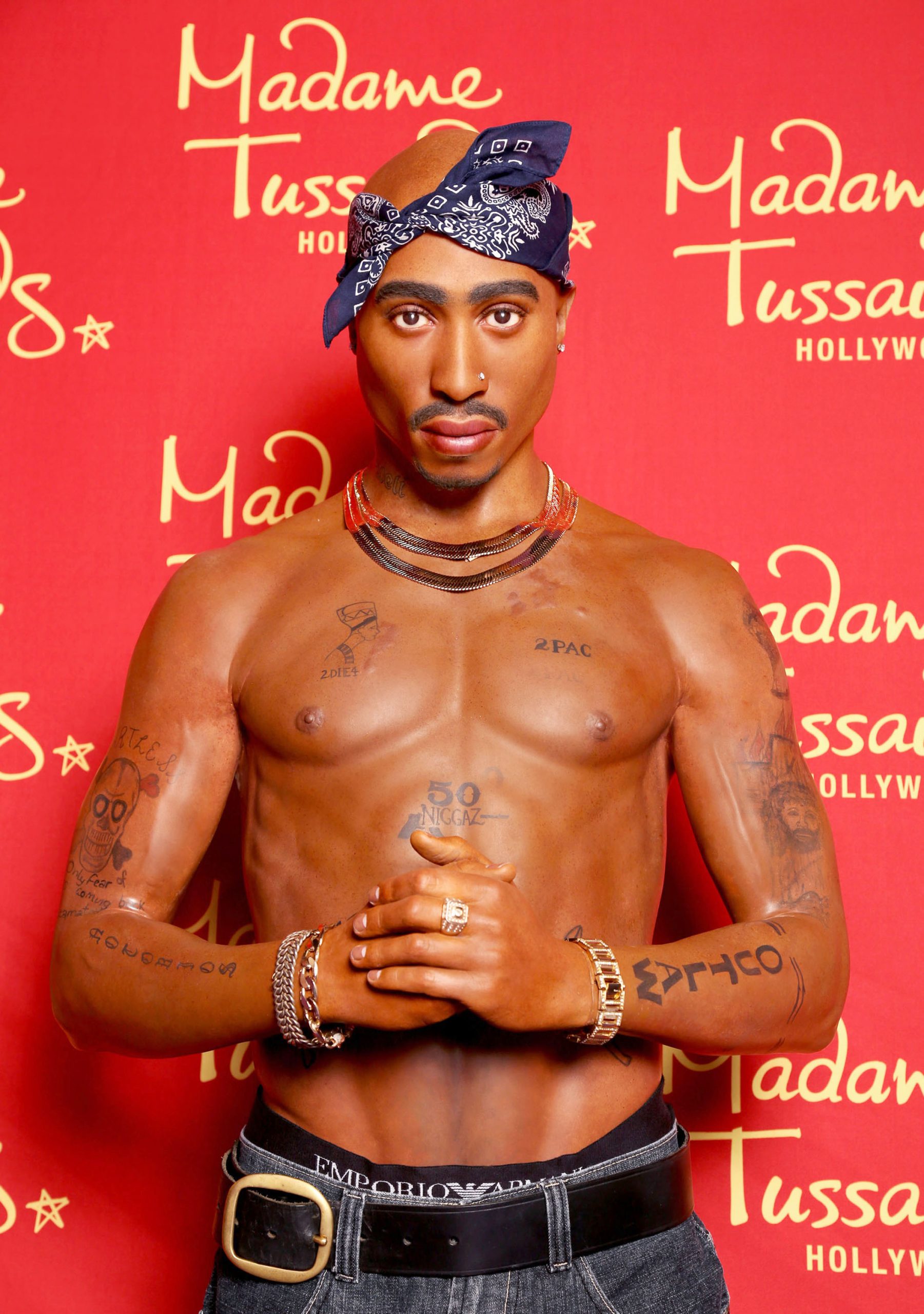
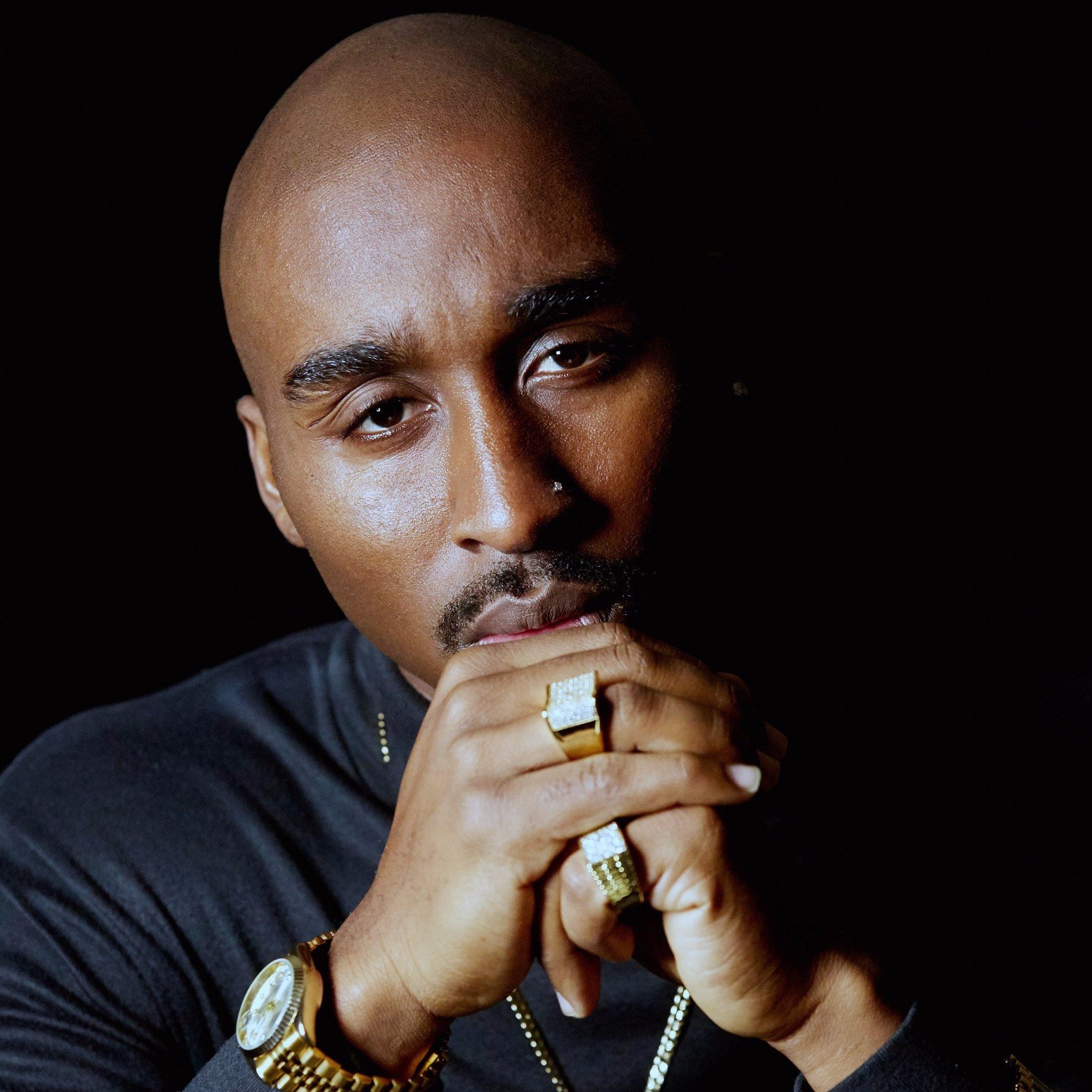
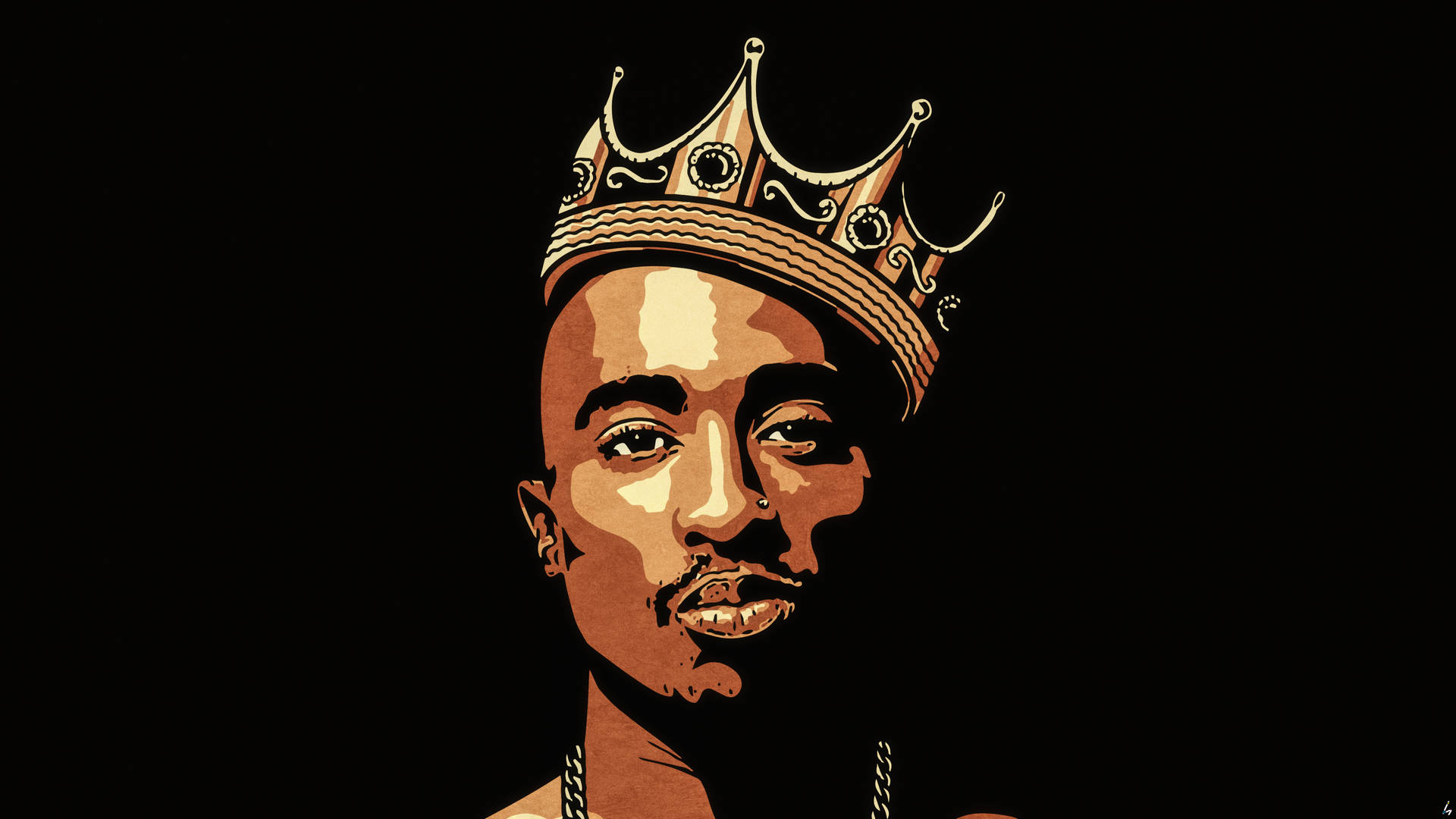
In 2018, the estimated net worth attributed to the estate of Tupac Shakur was approximately $40 million. This valuation primarily encompassed the management of his prolific intellectual property, including a vast catalog of unreleased music, ongoing royalty streams from his master recordings, and various licensing agreements that remained active more than two decades after his passing.
The Composition of the Shakur Estate’s Valuation
To understand why the estate carried this valuation in 2018, it is necessary to separate the concept of "net worth" from liquid cash. For a deceased artist, net worth is a calculation of the present value of future earnings generated by intellectual property (IP) assets. Unlike a living individual, whose net worth might fluctuate based on personal investments or debt obligations, the Shakur estate functions as a business entity designed to hold and monetize creative works.
The primary driver of the estate’s value has always been the music catalog. By 2018, the digital streaming era had fundamentally altered the revenue potential of back catalogs. While physical sales were in steady decline, the persistent popularity of hip-hop classics meant that Tupac’s songs remained consistent earners on platforms like Spotify, Apple Music, and YouTube. Because the estate retained ownership of key masters and publishing rights, the valuation was anchored in the predictable, long-term cash flow these assets provided.
Intellectual Property and Royalty Streams
The financial stability of the Tupac Shakur estate is deeply rooted in his prolific output during the early to mid-1990s. At the time of his death in 1996, Shakur left behind a significant amount of "vault material." Throughout the 2000s and into 2018, the estate oversaw the release of several posthumous albums, such as Until the End of Time and Loyal to the Game.
These projects were not merely historical releases; they were commercial ventures that required careful legal navigation. The estate had to manage:
- Master Recording Rights: The revenue generated when his songs were played in films, television shows, or commercial advertisements.
- Publishing Royalties: Payments made to the songwriters and publishers whenever a composition was performed, streamed, or reproduced.
- Licensing and Merchandising: The use of his likeness, name, and image on apparel, in video games, and in biographical documentaries.
By 2018, the legal framework surrounding his estate was mature. Earlier litigation, such as the disputes between Afeni Shakur and various record labels or production entities, had largely been resolved, allowing the estate to streamline its operations and focus on the professional management of these intellectual assets.
Market Factors and Financial Stability
The valuation of $40 million in 2018 was also a reflection of the general appreciation of high-quality music catalogs during that period. Private equity firms and major music conglomerates began aggressively acquiring song catalogs, driving up the perceived value of legendary artists' works.
However, the Shakur estate faced unique operational costs that impacted its "net" standing. These included:
- Legal and Administrative Fees: Maintaining an estate of this magnitude requires specialized legal counsel to manage copyrights, trademark protections, and ongoing litigation regarding intellectual property infringement.
- Archival Preservation: The cost of digitizing and maintaining master tapes and original recordings to ensure they meet modern broadcast standards.
- Charitable Initiatives: The Shakur family, particularly through the Tupac Amaru Shakur Foundation, maintained a commitment to arts education and community development, which necessitated consistent funding.
Comparison of Financial Milestones (1996–2018)
| Milestone Period | Financial Status Context | Primary Revenue Driver |
|---|---|---|
| 1996 | Immediate post-death evaluation | Active record sales (CD/Cassette) |
| 2005 | Posthumous album growth | Legacy airplay and licensing |
| 2018 | Digital streaming maturation | Streaming, Sync licensing, and IP |
Addressing Ambiguity in Posthumous Valuation
When researching "2018 Tupac net worth," users often encounter conflicting figures. It is important to distinguish between the valuation of the estate’s total assets and the annual income of the estate. The $40 million figure is an estimate of the capital value of the rights held by the estate.
If an article or report cites a much lower figure, it is likely conflating personal cash on hand—which is irrelevant to the value of a deceased person's estate—with the long-term asset base. Conversely, some reports may inflate the value by including speculative future earnings that have not been discounted to their "present value." In the context of 2018 financial reporting, $40 million represented a conservative, professional estimate based on the reliable performance of his music catalog.
Common Misconceptions Regarding Deceased Celebrity Wealth
A frequent point of confusion is the idea that a deceased celebrity's net worth is stagnant. In reality, the net worth of an artist like Tupac Shakur changes based on the health of the music industry. When a major film or documentary is released, interest in the artist spikes, which in turn inflates the valuation of their catalog.
Furthermore, taxes play a significant role. The estate is subject to federal estate taxes and, in many cases, state-level taxes depending on where the assets are domiciled. These obligations are paid out of the gross earnings of the estate, directly impacting the net worth reported in any given fiscal year.
Frequently Asked Questions
Did the estate own all of Tupac’s master recordings in 2018? Not entirely. While the estate held a significant portion, parts of his catalog were subject to various distribution agreements and licensing deals made during his lifetime. The complexity of these ownership stakes is one reason why net worth estimates can vary between sources.
How do streaming services impact the estate’s valuation? Streaming services have provided a consistent, recurring revenue stream. Unlike physical sales, which are one-time transactions, every stream of a song generates a fraction of a cent. Over billions of streams, this adds up to a predictable annuity that helps maintain the high valuation of the catalog.
Was the 2018 valuation influenced by new music releases? By 2018, the frequency of new "posthumous" releases had slowed significantly compared to the early 2000s. The estate shifted toward a model of brand management and licensing rather than attempting to construct new albums from fragmented studio outtakes. This stability contributed to the clarity of the 2018 valuation.
Why does the estimated net worth change every year? Valuation is dynamic. It is adjusted based on inflation, interest rates used to calculate the present value of future royalties, and the overall market demand for hip-hop heritage content. Each year, the "remaining life" of certain copyrights is also factored into the equation.
Is it possible to verify the exact bank balance of the estate? No. The estate of a deceased individual is a private entity. Unless the estate is involved in a public court proceeding that necessitates the disclosure of assets, the exact figures remain private. Public estimates are formulated by financial analysts using industry benchmarks and public performance data.
Conclusion and Next Actions
The $40 million estimate for the Tupac Shakur estate in 2018 serves as a benchmark for the enduring commercial viability of his work. For those interested in the financial side of the music industry, the primary lesson is that the value of an artist’s legacy is rarely in physical possessions, but in the ironclad protection of intellectual property rights.
If you are researching this for historical financial analysis, rely on data from reputable music industry trade publications that track royalty trends rather than celebrity gossip sites. For specific legal or tax information regarding how estates are valued, consult the guidelines provided by the Internal Revenue Service (IRS) regarding estate valuation for tax purposes, as these rules provide the most accurate methodology for determining asset worth.