The 10 8 life insurance strategy is a specialized financial arrangement involving permanent cash value life insurance—typically Indexed Universal Life (IUL)—designed to leverage low-cost policy loans against accumulated cash value. By utilizing a structural spread between the interest charged on a policy loan and the interest or credited rate earned on the underlying cash value, policyholders attempt to capture positive arbitrage, generate retirement income, and maintain a permanent death benefit.
Understanding the Foundation of Permanent Life Insurance and Cash Value
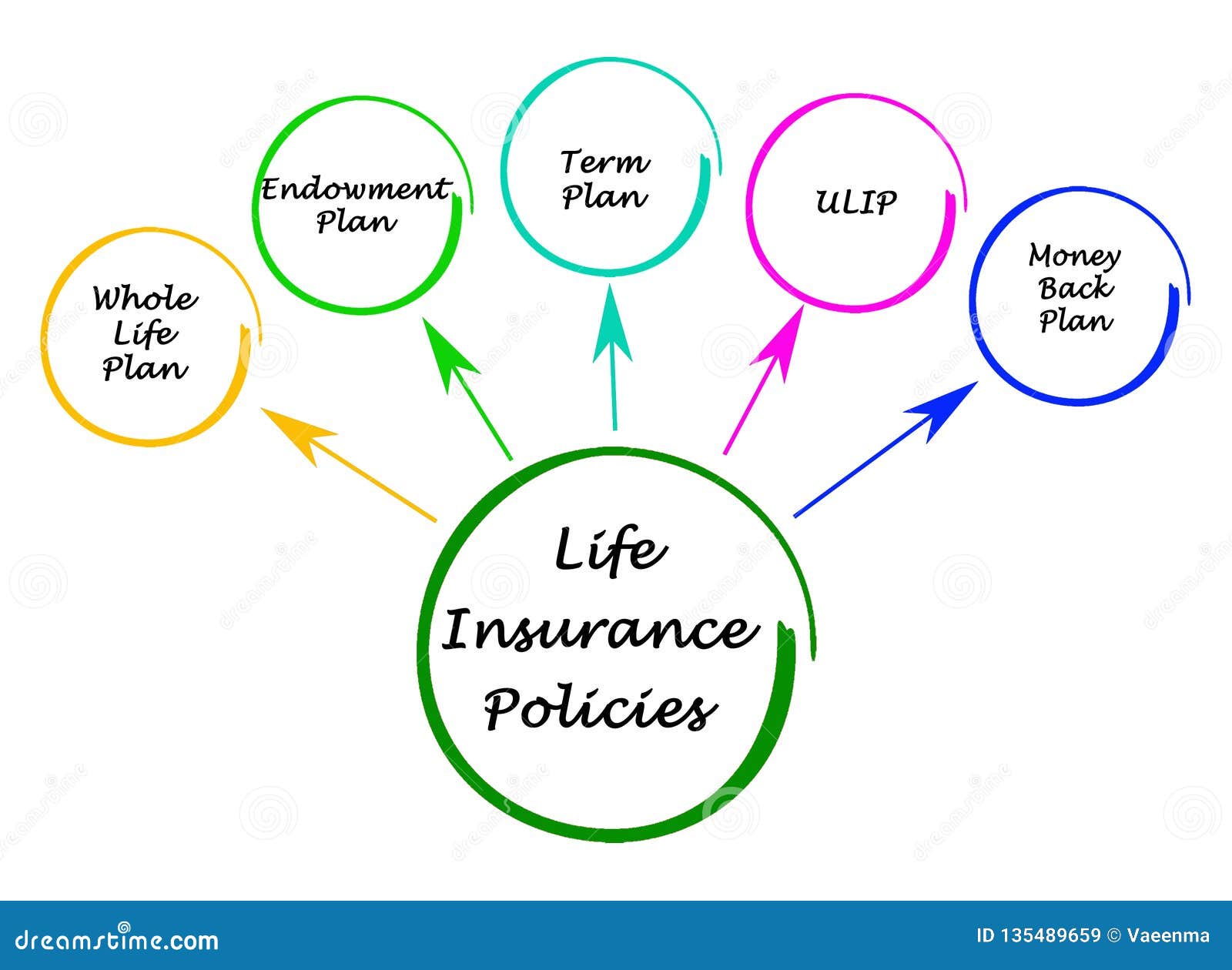
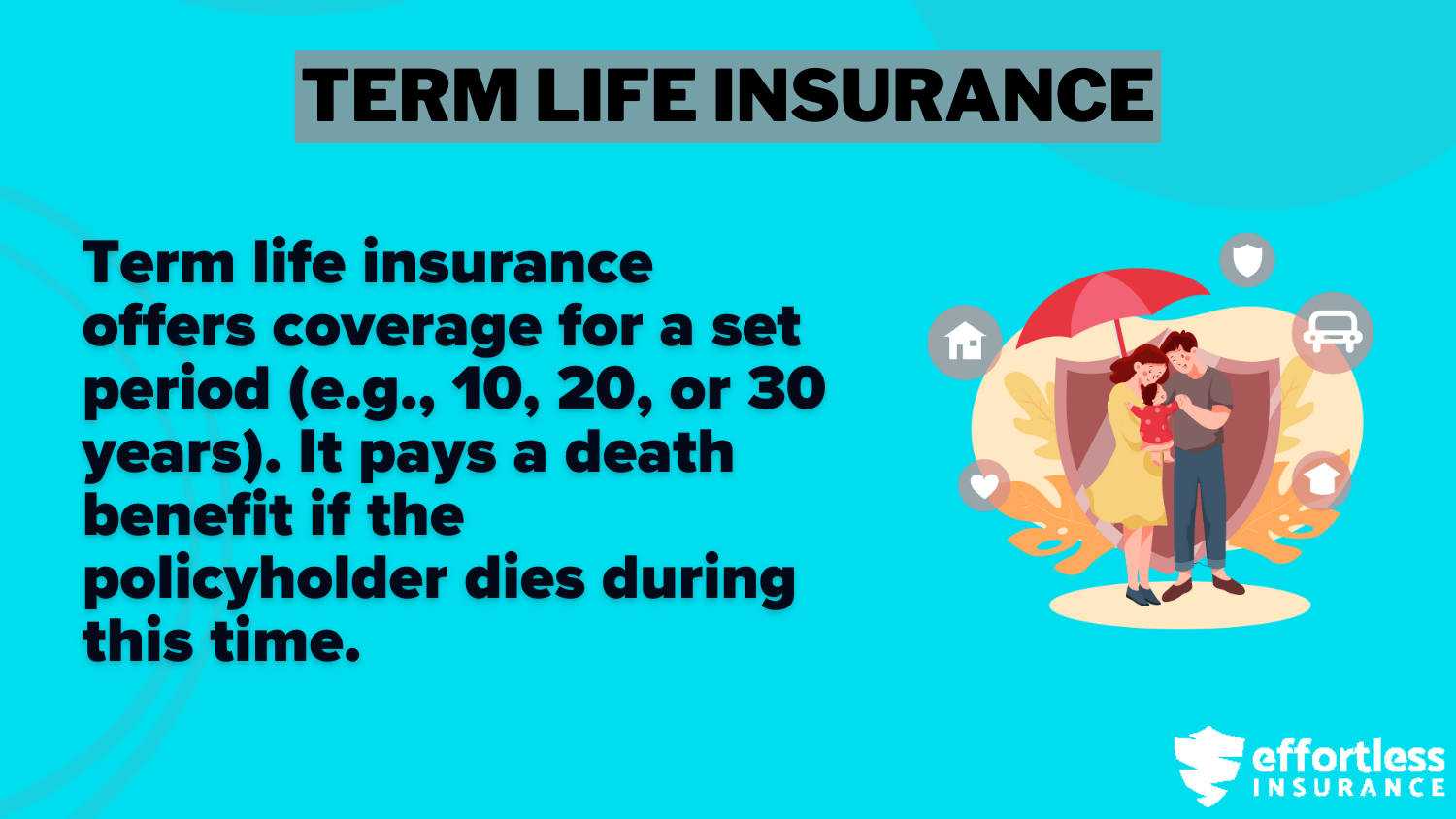
To understand how the 10 8 strategy functions, one must first examine the mechanics of permanent life insurance. Unlike term insurance, which provides pure protection for a specified period, permanent policies—such as Whole Life, Universal Life, and Indexed Universal Life—include a cash value component alongside the death benefit. A portion of the premium paid by the policyholder covers administrative costs and the cost of insurance (COI), while the remainder is deposited into a cash value account.
Over time, this cash value grows on a tax-deferred basis. In an Indexed Universal Life policy, the growth is tied to the performance of an external market index, such as the S&P 500, subject to specific caps, floors, and participation rates. Crucially, the floor typically sits at 0%, meaning that if the market experiences a downturn, the policy's cash value does not lose principal due to market drops (though ongoing policy fees still apply). This accumulation of tax-advantaged capital serves as the financial engine for advanced leverage techniques.
The Mechanics of the 10 8 Life Insurance Strategy
The numeric moniker "10 8" stems from historical or target interest rate parameters traditionally associated with this concept, where policy loans might be accessed at a fixed or variable rate of approximately 8%, while the cash value is projected or structured to earn a credited rate of around 10%. However, these exact figures are illustrative concepts rather than rigid statutory guarantees.
The strategy relies heavily on a feature known as policy loans, specifically participating or wash loans offered by certain insurance carriers:
- Collateralized Borrowing: Instead of withdrawing cash value—which can trigger taxable events if it exceeds the policy's cost basis—the policyholder takes a loan from the insurance company using the cash value as collateral.
- The Arbitrage Spread: The borrowed funds remain inside the policy's cash value account, continuing to earn interest or index credits. If the cash value earns a higher percentage than the interest rate charged on the loan, the policyholder captures the difference.
- Tax-Free Income Stream: Under current United States tax law (Internal Revenue Code Section 7702 and related provisions), properly structured life insurance policy loans are generally distributed income-tax-free, providing an alternative to traditional retirement vehicles like 401(k)s or IRAs.
Prerequisites and Policy Structuring Requirements
Executing a strategy of this complexity requires precise policy design from inception. You cannot simply purchase a standard, maximum-death-benefit policy and begin leveraging loans without severe risk of policy lapse.
Maximum Cash Accumulation Design
A policy intended for the 10 8 strategy must be engineered to minimize the net amount at risk for the insurer while maximizing the flow of cash into the policy. This is typically achieved by keeping the death benefit as low as legally permissible relative to the cash value, adhering to the Modified Endowment Contract (MEC) guidelines established by the IRS.
Avoiding Modified Endowment Contract (MEC) Status
If too much money is funneled into a life insurance policy within a seven-year window, it becomes classified as a MEC. When a policy is designated as a MEC, tax-free withdrawals and policy loans are subject to Last-In, First-Out (LIFO) tax treatment, and distributions taken before age 59½ may incur a 10% IRS penalty. Careful premium funding schedules managed by a qualified financial professional are essential to maintain non-MEC status.
Carrier Selection and Loan Types
Not all insurance carriers permit or support aggressive leveraging strategies. Policyholders must look for companies offering:
- Fixed versus Variable Loan Rates: Understanding whether the loan interest rate is locked or fluctuates with an index.
- Participating Loans: Ensuring that the cash value continues to receive interest or index credits even while borrowed against.
| Feature / Metric | Standard Permanent Policy | 10 8 Strategy Structured Policy |
|---|---|---|
| Primary Objective | Maximum lifetime death benefit protection | Optimized cash accumulation and leverage |
| Funding Level | Often minimum required to keep policy active | Funded up to the maximum IRS MEC limit |
| Death Benefit | High relative to cash value | Minimized relative to cash value to reduce insurance costs |
| Loan Utilization | Occasional emergency borrowing | Systematic, planned retirement income distribution |
| Tax Treatment | Tax-free death benefit; loans tax-free if non-MEC | Tax-free loans utilized for supplemental income |
Potential Benefits of the Strategy
When executed correctly under favorable economic and market conditions, the 10 8 strategy offers several distinct financial advantages for high-income earners and business owners who have maximized traditional retirement accounts.
- Tax Diversification: Distributions taken via policy loans do not count toward adjusted gross income (AGI), which can help retirees manage taxation on Social Security benefits and avoid higher Medicare premium brackets (IRMAA).
- Asset Protection: In many jurisdictions, cash value life insurance enjoys strong legal protections from creditors and civil litigation, adding a layer of security for business owners and professionals.
- Liquidity and Control: Policyholders do not need bank approval, credit checks, or lengthy underwriting to access funds via policy loans, making capital readily available for real estate opportunities or emergencies.
Risks, Challenges, and Common Misconceptions
Despite its appeal, the 10 8 strategy carries substantial financial risks that require careful ongoing monitoring. Misunderstanding these vulnerabilities can lead to catastrophic policy collapse.
Market Volatility and Sequence of Returns Risk
Indexed Universal Life policies depend on market performance to credit interest. If the underlying index performs poorly over an extended period, the cash value may fail to grow at the projected rate. If the loan interest continues to accrue at a steady rate while the cash value earns little to nothing, the spread reverses, rapidly depleting the remaining cash value.
The Danger of Policy Lapse
If outstanding loans and accumulated loan interest exceed the total cash value of the policy, the contract will lapse. A policy lapse triggers a taxable event: the IRS treats the entire outstanding loan balance as a taxable distribution in a single year, often resulting in a massive, unexpected tax bill while simultaneously terminating the death benefit.
Fee Structures and Cost of Insurance Increases
Permanent insurance policies feature internal costs, including administrative fees, premium loads, and rising costs of insurance as the insured ages. In later years, these COI charges can escalate dramatically, creating a significant drag on cash value accumulation if the policy was underfunded initially.
Comparative Overview: 10 8 Strategy vs. Traditional Retirement Accounts
| Criteria | Traditional 401(k) / IRA | 10 8 Life Insurance Strategy |
|---|---|---|
| Contribution Limits | Strict annual IRS limits | Capped only by IRS Section 7702 MEC guidelines |
| Taxation on Contributions | Pre-tax (traditional) or post-tax (Roth) | Post-tax only |
| Taxation on Distributions | Taxed as ordinary income (traditional) | Income-tax-free via policy loans (if non-MEC) |
| Withdrawal Restrictions | Penalties before age 59½ | Subject to policy cash value and loan rules |
| Mandatory Distributions | RMDs required at designated ages | No IRS-mandated RMDs during the insured's life |
Frequently Asked Questions
Is the 10 8 strategy a guaranteed investment?
No. The 10 8 strategy utilizes life insurance products, which are not investments or securities. Cash value growth in an IUL policy is dependent on market index performance, caps, and participation rates. Projected returns used in illustrations are not guarantees of future performance.
What happens if the insurance carrier raises loan interest rates?
Many permanent policies utilize variable loan interest rates tied to corporate bond yields or published indices. If prevailing interest rates rise, the cost to borrow against the policy increases. If the cash value fails to match this increase through higher credited rates, the financial margin narrows, increasing the risk of policy erosion.
Can anyone qualify for this strategy?
Qualifying requires passing stringent medical underwriting and financial underwriting. Insurance carriers evaluate an applicant's health, age, and demonstrable financial need or insurable interest to ensure the high premium payments align with their financial profile.
How does this strategy impact my heirs?
Because the policy is structured with a minimized death benefit to maximize cash accumulation, the ultimate payout to beneficiaries upon the insured's death may be significantly lower than a traditional policy of the same face value. Furthermore, any outstanding policy loans plus accrued interest are subtracted directly from the death benefit before proceeds are distributed.
Professional Guidance and Next Actions
Implementing advanced financial concepts like the 10 8 strategy demands personalized guidance from fee-only financial planners, fiduciary advisors, and tax professionals who are independent of specific insurance sales quotas. Before committing capital to a heavily funded permanent life insurance contract, request a full ledger illustration showing guaranteed versus non-guaranteed scenarios, stress-tested against extended periods of low market performance and rising loan interest rates.