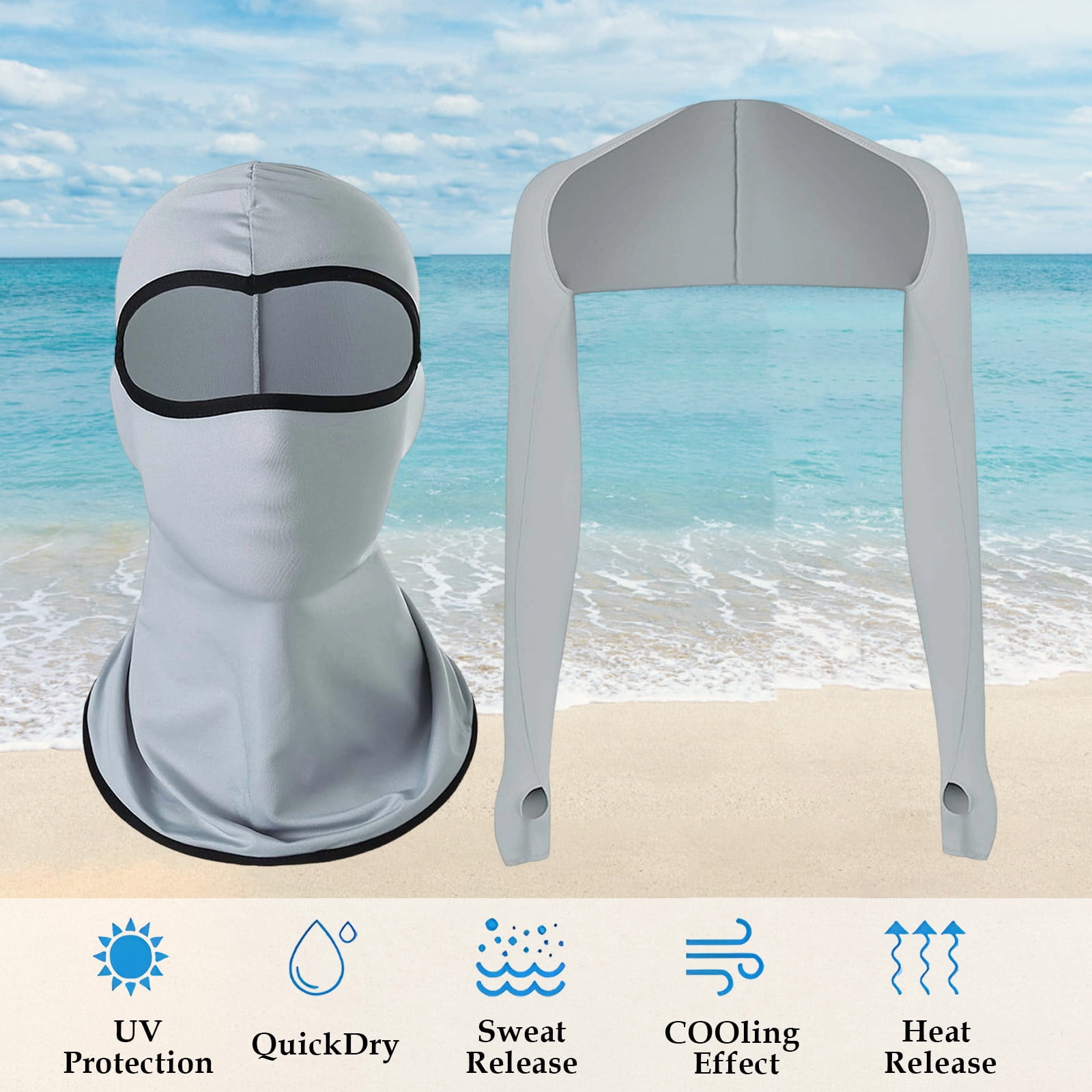
Face sleeves are highly effective for UV protection, moisture management, and defense against environmental elements like wind and dust. Their efficacy depends largely on the fabric's UPF rating, material composition, and fit. While excellent for outdoor activities and sun safety, they are generally not suitable as medical-grade respiratory protection.
As we move through 2026, face sleeves—often referred to interchangeably as neck gaiters, buffs, or multi-functional headwear—have evolved from simple fabric tubes into sophisticated pieces of technical apparel. Whether you are an elite athlete, an outdoor worker, or a casual hiker, understanding the mechanics of how these garments interact with your skin and the environment is crucial for selecting the right gear.
Understanding the Mechanics of Face Sleeve Efficacy
To determine if a face sleeve is effective, one must first define the specific task it is intended to perform. Effectiveness in the context of technical apparel is measured by how well a garment maintains its protective properties under stress, such as high heat, intense movement, or prolonged exposure to moisture.
Most high-quality face sleeves are constructed from synthetic blends, primarily polyester and elastane (spandex). These materials are chosen for their ability to be knitted tightly while maintaining significant stretch. The effectiveness of the "sleeve" design lies in its versatility; it can be worn as a neck gaiter, a face cover, a headband, or even a hood. However, this versatility can sometimes compromise specific performance metrics if the user does not choose the correct material for their environment.
The Role of Fabric Density and Construction
The primary factor in face sleeve effectiveness is the "gauge" or density of the knit. A loosely woven fabric may feel more breathable, but it allows more ultraviolet (UV) radiation and particulate matter to pass through. In 2026, advanced 3D-knitting techniques allow manufacturers to create variable-density sleeves. These products feature higher density over the nose and mouth for filtration and sun protection, while maintaining a more open structure around the neck for heat dissipation.
UV Protection: The Science of UPF Ratings
The most common reason for using a face sleeve is sun protection. For individuals who spend hours outdoors, such as fly fishers, long-distance runners, or construction professionals, a face sleeve is often more effective than sunscreen because it provides a physical barrier that does not wear off or require reapplication.
UPF vs. SPF
While SPF (Sun Protection Factor) measures the effectiveness of topical lotions, UPF (Ultraviolet Protection Factor) measures the amount of UV radiation that penetrates a fabric. A face sleeve with a UPF 50+ rating is exceptionally effective, as it allows only 1/50th (or 2%) of the sun's UV rays to pass through.
The effectiveness of this protection is contingent on several factors:
- Fabric Tension: When a face sleeve is stretched excessively, the gaps between the fibers widen, significantly reducing the UPF rating. This is why proper sizing is vital.
- Moisture Content: For many standard fabrics, becoming wet reduces UV effectiveness. However, many technical face sleeves in 2026 are specifically engineered to maintain their UPF rating even when saturated with sweat or water.
- Color and Dye: Darker colors and high-saturation dyes generally absorb more UV radiation than lighter colors, though modern chemical treatments can make even white fabrics highly reflective to UV rays.
According to the Skin Cancer Foundation, clothing is the single most effective form of sun protection because it does not wash off and provides a consistent shield throughout the day.
Thermoregulation and Cooling Efficacy
A common misconception is that adding a layer of fabric to the face and neck will inevitably cause overheating. In reality, technical face sleeves are designed to aid in thermoregulation through evaporative cooling.
How Evaporative Cooling Works
In 2026, specialized "cooling fibers" have become the industry standard. These fibers are designed with non-circular cross-sections (such as X-shaped or Y-shaped channels) that pull moisture away from the skin via capillary action. As the moisture moves to the outer surface of the sleeve, it evaporates. Because evaporation is an endothermic process, it consumes heat energy, effectively lowering the temperature of the fabric and the skin beneath it.
For a face sleeve to be effective at cooling, the environment must have some airflow. In stagnant, humid conditions, the evaporation rate slows down, and the sleeve may begin to feel heavy or damp. However, in any environment with a breeze—or if the wearer is moving (running, cycling)—the cooling effect is immediate and measurable.
Defense Against Dust, Wind, and Debris
For off-road enthusiasts, desert runners, and workers in arid environments, face sleeves serve as a critical first line of defense against airborne particulates.
Particulate Filtration
Standard face sleeves are effective at blocking large particles like sand, grit, and large-grain dust. This protects the respiratory system from immediate irritation and prevents "mechanical" damage to the throat and lungs during high-intensity exercise in dusty areas.
However, it is important to note that standard single-layer gaiters are generally ineffective against fine particulate matter (PM2.5) or smoke. In 2026, users requiring protection from finer dust or pollution should look for face sleeves that incorporate integrated filter pockets or electrostatically charged fibers designed specifically for sub-micron filtration.
Windburn Prevention
Windburn is essentially skin irritation caused by the stripping of natural oils and moisture from the skin's surface by cold, dry air. A face sleeve is highly effective at preventing windburn by maintaining a micro-climate of humidity and warmth against the skin. This is particularly relevant for skiers and high-altitude climbers where the combination of cold temperatures and high wind speeds can cause skin damage in minutes.
Breathability vs. Filtration: Finding the Balance
One of the greatest challenges in face sleeve design is the trade-off between breathability and filtration. A garment that is "too effective" at filtering air will become difficult to breathe through during aerobic exertion, leading to CO2 buildup and discomfort.
Effective 2026 designs resolve this through zonal construction. By using different knit patterns for different areas of the face, manufacturers can provide a "mesh-like" breathability over the mouth while maintaining high-density protection over the cheekbones and nose, which are more susceptible to sun damage.
Comparison of Face Sleeve Types and Efficacy
To choose the most effective gear, it is necessary to compare the different categories of face sleeves available on the market today.
| Sleeve Category | Primary Material | Best Use Case | UV Effectiveness | Breathability |
|---|---|---|---|---|
| Lightweight Cooling | Polyester/Spandex Blend | Summer fishing, running, hiking | High (UPF 50+) | Excellent |
| Thermal/Fleece | Brushed Polyester or Merino | Skiing, winter work, alpine | Moderate | Low to Moderate |
| Filtered/Industrial | Multi-layer with PM2.5 pocket | Construction, high-pollution areas | High | Moderate |
| Insect-Repellent | Permethrin-treated synthetic | Tropical hiking, camping | High | Excellent |
| Merino Wool | 100% Natural Wool | Multi-day trips, variable weather | High (Natural) | High (Odor resistant) |
Durability and Long-Term Effectiveness
A face sleeve's effectiveness is not permanent. Over time, mechanical wear and chemical exposure can degrade the performance of the garment.
- Elasticity Loss: Repeated stretching eventually breaks down the elastane fibers. Once a sleeve loses its "snap," it will no longer sit flush against the face, allowing UV rays to enter through the gaps and reducing its ability to wick moisture effectively.
- Wash Cycles: While the physical barrier to UV remains, chemical treatments (such as antimicrobial coatings or insect repellents) typically have a lifespan of 30 to 50 washes.
- Pilling: Surface pilling (small balls of fiber) can occur with lower-quality polyester. While largely aesthetic, significant pilling can reduce the smoothness of the fabric, potentially causing skin irritation during long periods of wear.
To maintain effectiveness, face sleeves should be washed in cold water and air-dried. High heat from dryers can melt synthetic fibers or damage the elasticity of the garment.
Common Mistakes That Reduce Effectiveness
Even the best face sleeve will fail if used incorrectly. Avoid these common pitfalls to ensure maximum protection:
- Ignoring the Nose Bridge: Many users pull the sleeve just under their nose for easier breathing. This leaves the bridge of the nose—one of the most common sites for skin cancer—completely exposed to direct sunlight.
- Over-stretching: Buying a size too small creates tension that thins the fabric, effectively "opening the door" for UV radiation.
- Neglecting the Back of the Neck: A face sleeve should be long enough to tuck into your shirt collar. If there is a gap between the sleeve and your shirt, the back of your neck remains vulnerable to severe sun damage.
Frequently Asked Questions
Are face sleeves more effective than sunscreen?
For physical protection, yes. A UPF 50+ face sleeve provides a constant, measurable barrier that does not require reapplication and cannot be "missed" like a spot of lotion. However, sunscreen remains necessary for areas the sleeve does not cover, such as the ears or the skin around the eyes if goggles are not worn.
Can face sleeves protect against COVID-19 or other viruses?
In 2026, the consensus remains that standard single-layer face sleeves are significantly less effective than N95 or KF94 respirators at preventing viral transmission. While they provide a basic barrier against large droplets, they should not be relied upon in high-risk clinical environments unless they are specifically certified for medical use and feature a multi-layer filtration system.
Do face sleeves work for people with sensitive skin?
Yes, but material choice is critical. Synthetic fibers can sometimes trap heat or harbor bacteria if not washed frequently, leading to "maskne" (mask acne). Individuals with sensitive skin should opt for Merino wool or sleeves with antimicrobial silver-ion treatments, which reduce bacterial growth and are naturally more hypoallergenic.
How do cooling face sleeves feel cold without ice?
They utilize the principle of evaporative cooling. By spreading moisture across a large surface area and facilitating rapid evaporation, the fabric draws heat away from your skin. This makes the fabric feel physically cooler to the touch as long as there is some movement of air.
Are face sleeves effective in the winter?
Yes, but you must switch from a cooling-focused sleeve to a thermal-focused one. Winter sleeves use "brushed" fabrics or Merino wool to trap a layer of air against the skin, which acts as an insulator. They are highly effective at preventing heat loss through the neck and face, which are high-vascularity areas.
Does the color of the face sleeve matter?
Technically, yes. Darker colors absorb more heat but can offer slightly better UV protection in non-rated fabrics. However, for most UPF-rated technical gear in 2026, the color is secondary to the chemical treatment and weave density. Choose a color that matches your visibility needs (e.g., high-visibility orange for work sites).
Final Recommendation
Face sleeves are an essential and highly effective tool for anyone regularly exposed to the elements. For the best results, prioritize garments with a verified UPF 50+ rating and a moisture-wicking synthetic or Merino wool composition. Ensure the fit is snug but not overly stretched, and replace the garment once it shows signs of permanent stretching or thinning. If your primary goal is sun safety, a face sleeve is one of the most reliable investments you can make in 2026.