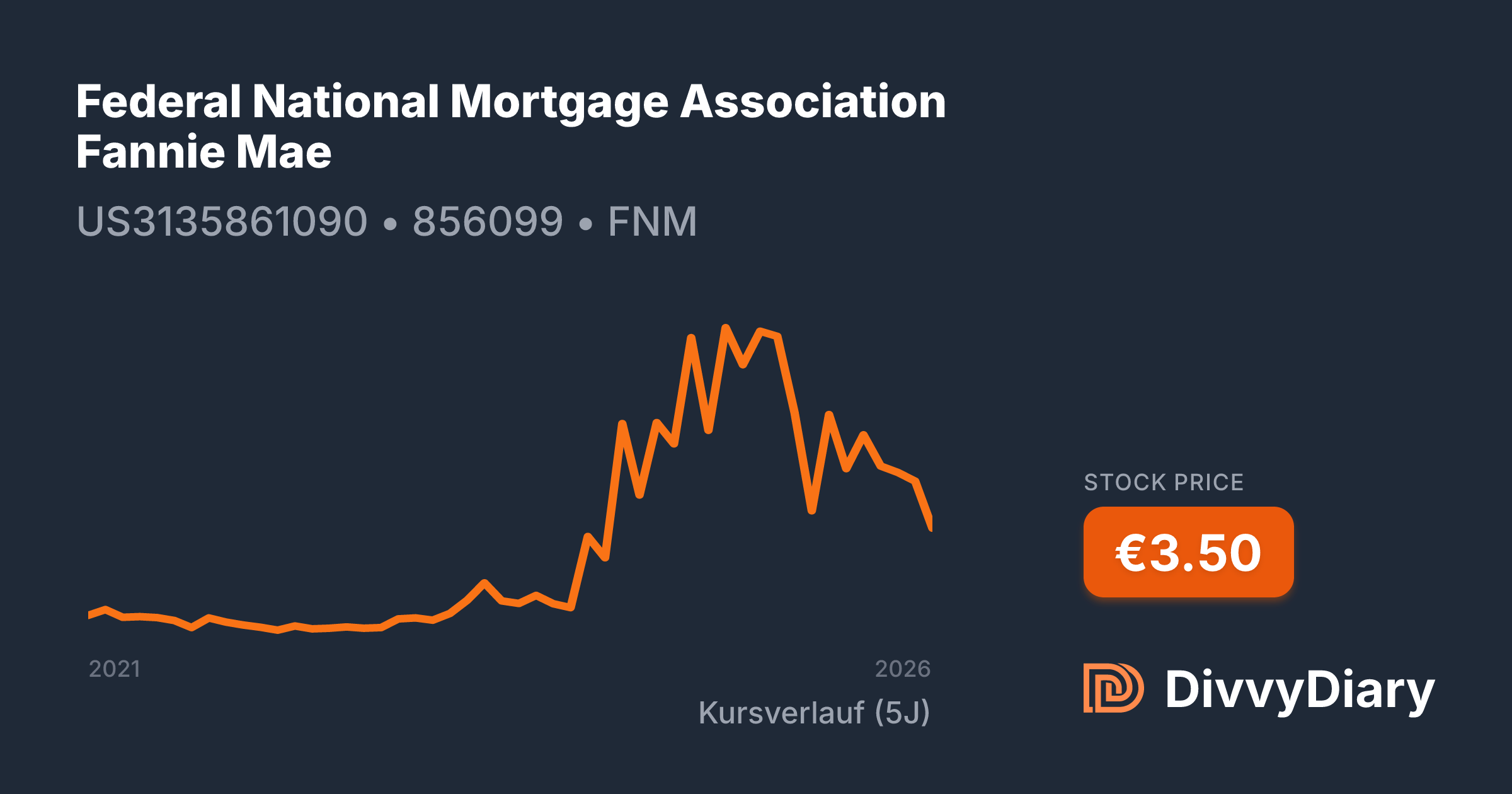
Federal National Mortgage Association (Fannie Mae) bonds remain a cornerstone of the 2026 fixed-income market, offering a compelling middle ground between ultra-safe U.S. Treasuries and higher-risk corporate debt. While they provide superior yields to Treasuries, their "worth" depends on your tolerance for prepayment risk and the current interest rate trajectory.
The Federal National Mortgage Association, commonly known as Fannie Mae, is a Government-Sponsored Enterprise (GSE) that plays a critical role in the United States housing market. For decades, investors have flocked to FNMA bonds, often debating whether the incremental yield they offer over U.S. Treasuries justifies the unique risks associated with mortgage-backed debt. As we navigate the economic landscape of 2026, understanding the mechanics, benefits, and pitfalls of these securities is essential for any disciplined portfolio manager or individual investor.
Understanding the Structure of Fannie Mae Bonds
To determine if FNMA bonds are worth the hype, one must first understand what they actually are. Unlike a standard corporate bond, where a company borrows money for general operations, Fannie Mae bonds are typically tied to the residential mortgage market. Fannie Mae does not originate loans; instead, it buys mortgages from lenders, packages them into securities, and sells them to investors.
There are two primary types of Fannie Mae debt:
- Agency Debentures (Non-MBS Debt): These are traditional bonds issued by Fannie Mae to fund its operations and investment portfolio. They pay a fixed or floating rate of interest and have a set maturity date.
- Mortgage-Backed Securities (MBS): These represent an undivided interest in a pool of specific mortgages. When homeowners pay their monthly mortgage bills, that cash flow is passed through to the bondholders.
The "hype" surrounding these bonds often stems from their credit quality. Although Fannie Mae is a private corporation, it has been under the conservatorship of the Federal Housing Finance Agency (FHFA) since the financial crisis of 2008. This creates an "implicit guarantee" by the U.S. government. While not legally backed by the "full faith and credit" of the United States in the same way Treasuries are, the market operates under the assumption that the government would not allow Fannie Mae to default.
The Case for Fannie Mae Bonds: Why the Hype Persists
The primary allure of FNMA bonds in 2026 is the yield spread. In a typical market environment, Fannie Mae bonds offer 30 to 100 basis points (0.3% to 1.0%) more yield than comparable U.S. Treasury notes. For large institutional investors, this spread represents a significant increase in income without a proportional increase in default risk.
High Credit Quality and Liquidity
FNMA bonds are among the most liquid assets in the world. The "To Be Announced" (TBA) market for Fannie Mae MBS allows investors to trade these securities with ease, ensuring that you can enter or exit a position almost instantly. In terms of credit safety, the FHFA’s ongoing oversight ensures that Fannie Mae maintains rigorous underwriting standards for the mortgages it securitizes. This makes them a "safe haven" asset during periods of corporate market volatility.
Diversification Away from Corporate Default Risk
In 2026, as corporate balance sheets face pressure from varying economic cycles, FNMA bonds provide a buffer. Because their performance is tied to the U.S. housing market rather than the profitability of a specific company, they offer a diversification benefit. Even if the economy slows down, most people prioritize their mortgage payments, providing a consistent stream of income to bondholders.
The Risks: Why Some Investors Remain Skeptical
The debate over whether these bonds are "worth it" usually centers on two complex risks: prepayment risk and extension risk. These are unique to mortgage-backed securities and can significantly impact your total return.
Prepayment Risk (The Downside of Falling Rates)
When interest rates drop, homeowners often refinance their mortgages to get a lower rate. When they do this, the old mortgage is paid off, and the principal is returned to the FNMA bondholder. While getting your money back might sound good, it happens exactly when interest rates are low, meaning you are forced to reinvest that capital at a lower yield. This is known as "call risk" or "prepayment risk," and it can erode the long-term gains of an MBS portfolio.
Extension Risk (The Downside of Rising Rates)
Conversely, when interest rates rise, homeowners stop refinancing and stay in their homes longer. This causes the expected life of the FNMA bond to "extend." As a result, the investor is stuck with a lower-yielding bond for a longer period while the rest of the market is enjoying higher rates. This "negative convexity" is the primary reason FNMA bonds are more volatile than Treasuries when interest rates shift.
Tax Considerations
Unlike U.S. Treasuries, the interest earned on Fannie Mae bonds is generally not exempt from state and local taxes. For investors in high-tax jurisdictions like New York or California, the "tax-equivalent yield" of a Fannie Mae bond may actually be lower than that of a Treasury, despite the higher nominal coupon rate.
Comparing FNMA Bonds to Other Fixed-Income Assets
To see if the hype holds up, we must compare FNMA securities against their closest competitors in the 2026 market.
| Feature | U.S. Treasury Bonds | FNMA (Fannie Mae) Bonds | Investment Grade Corporates |
|---|---|---|---|
| Credit Risk | Virtually Zero (Full Faith & Credit) | Low (Implicit Government Backing) | Moderate (Dependent on Company) |
| Yield Potential | Lowest | Moderate (Spread over Treasuries) | Highest (Risk Premium) |
| Liquidity | Extreme | Very High | Moderate to High |
| Prepayment Risk | None | High (for MBS) | Low (unless callable) |
| Tax Status | Exempt from State/Local Tax | Fully Taxable at All Levels | Fully Taxable at All Levels |
| Primary Driver | Macro Economy/Fed Policy | Housing Market/Interest Rates | Corporate Earnings/Economy |
How to Invest in Fannie Mae Bonds in 2026
For the average investor, buying individual Fannie Mae bonds can be difficult due to high minimum investment requirements—often $25,000 or more for direct MBS. However, several accessible avenues exist:
- Exchange-Traded Funds (ETFs): This is the most common method. ETFs like the iShares MBS ETF provide broad exposure to Fannie Mae, Freddie Mac, and Ginnie Mae securities. These funds offer daily liquidity and professional management of prepayment risks.
- Mutual Funds: Many "Total Bond Market" funds allocate a significant portion (often 20-30%) of their portfolio to Agency MBS. This provides an easy way to capture the FNMA yield spread without having to manage the individual securities.
- Direct Purchase via Brokerage: High-net-worth individuals can purchase specific "CUSIPs" (individual bond issues) through full-service brokerages. This allows for more granular control over the specific maturity and coupon of the bonds.
Before investing, it is crucial to check the FINRA Fixed Income resources to verify the current trading prices and yields for specific Fannie Mae issues.
The 2026 Market Outlook: Are They Worth It Right Now?
As of 2026, the "worth" of FNMA bonds is heavily influenced by the stability of the housing market and the Federal Reserve's stance on interest rates.
If the market expects interest rates to remain relatively stable, FNMA bonds are highly attractive. In a stable rate environment, prepayment risk is minimized, allowing investors to pocket the "yield pick-up" over Treasuries. However, if 2026 is characterized by significant rate volatility, the negative convexity of mortgage-backed securities could lead to underperformance compared to traditional bonds.
Furthermore, the ongoing discussion regarding the "re-privatization" of Fannie Mae remains a wildcard. Any legislative shift that reduces the government's role in supporting Fannie Mae could lead to a widening of spreads, meaning the price of existing bonds would fall as investors demand a higher risk premium.
Common Mistakes to Avoid
- Ignoring the Tax Impact: Always calculate your after-tax yield. If you are in a high state-tax bracket, the "hype" of a 5% Fannie Mae bond might be less attractive than a 4.5% Treasury bond.
- Chasing Yield Without Understanding Duration: A Fannie Mae MBS with a high coupon might look great, but it is the most likely to be prepaid if rates drop even slightly.
- Confusing Fannie Mae with Ginnie Mae: Ginnie Mae (GNMA) bonds carry the explicit full faith and credit of the U.S. government, whereas Fannie Mae (FNMA) carries only an implicit guarantee. While the risk difference is marginal in practice, it is a technical distinction that matters during extreme market stress.
Verdict: Worth the Hype?
Fannie Mae bonds are worth the hype for income-oriented investors who understand that they are being paid a premium to take on interest rate and prepayment risk. They are not a "set-and-forget" substitute for Treasuries, but rather a strategic tool to enhance yield in a diversified portfolio.
For the conservative investor, the implicit government backing provides peace of mind that is rarely found in the corporate sector. However, if you are looking for a simple, tax-efficient way to park cash, the complexities of mortgage-backed cash flows might make these bonds more trouble than they are worth.
Frequently Asked Questions
Are Fannie Mae bonds as safe as U.S. Treasuries? While Fannie Mae bonds are considered very safe, they are technically one step below U.S. Treasuries. Treasuries are backed by the "full faith and credit" of the U.S. government. Fannie Mae bonds are backed by the corporation's assets and an implicit guarantee, though they have been under government control since 2008, which provides a high degree of security.
Why do Fannie Mae bonds pay more than Treasuries? The higher yield, or "spread," is compensation for prepayment risk. Because homeowners can pay off their mortgages at any time (refinancing), the timing of an investor's cash flow is unpredictable. Investors demand a higher interest rate to compensate for this uncertainty.
Do I have to pay state taxes on FNMA bond interest? Yes. Unlike U.S. Treasury bonds, the interest income from Federal National Mortgage Association bonds is typically subject to federal, state, and local income taxes. This is a vital consideration for investors in high-tax states when comparing yields.
What happens to Fannie Mae bonds if the housing market crashes? Even in a housing downturn, Fannie Mae bonds are relatively resilient because they are backed by the credit of the agency, not just the physical houses. As long as the federal government supports the agency’s solvency, bondholders continue to receive payments. However, the market value of the bonds may fluctuate due to changes in perceived risk.
Can I buy Fannie Mae bonds directly from the government? No. Unlike Treasuries, which can be bought via TreasuryDirect, Fannie Mae bonds must be purchased through a bank or brokerage firm. They are traded on the secondary market, similar to corporate bonds or stocks.
How does inflation affect these bonds in 2026? Like all fixed-income securities, inflation erodes the purchasing power of the bond's fixed interest payments. If inflation rises unexpectedly in 2026, the market value of FNMA bonds will likely fall as investors demand higher yields to keep up with rising prices.
Next Steps for Investors: If you are considering adding FNMA bonds to your portfolio, start by reviewing your current exposure to the housing market. If you already own a home and have several real estate investments, adding mortgage-backed bonds might increase your "sector concentration." Consult with a financial advisor to determine if the current 2026 yield spreads align with your long-term income goals.