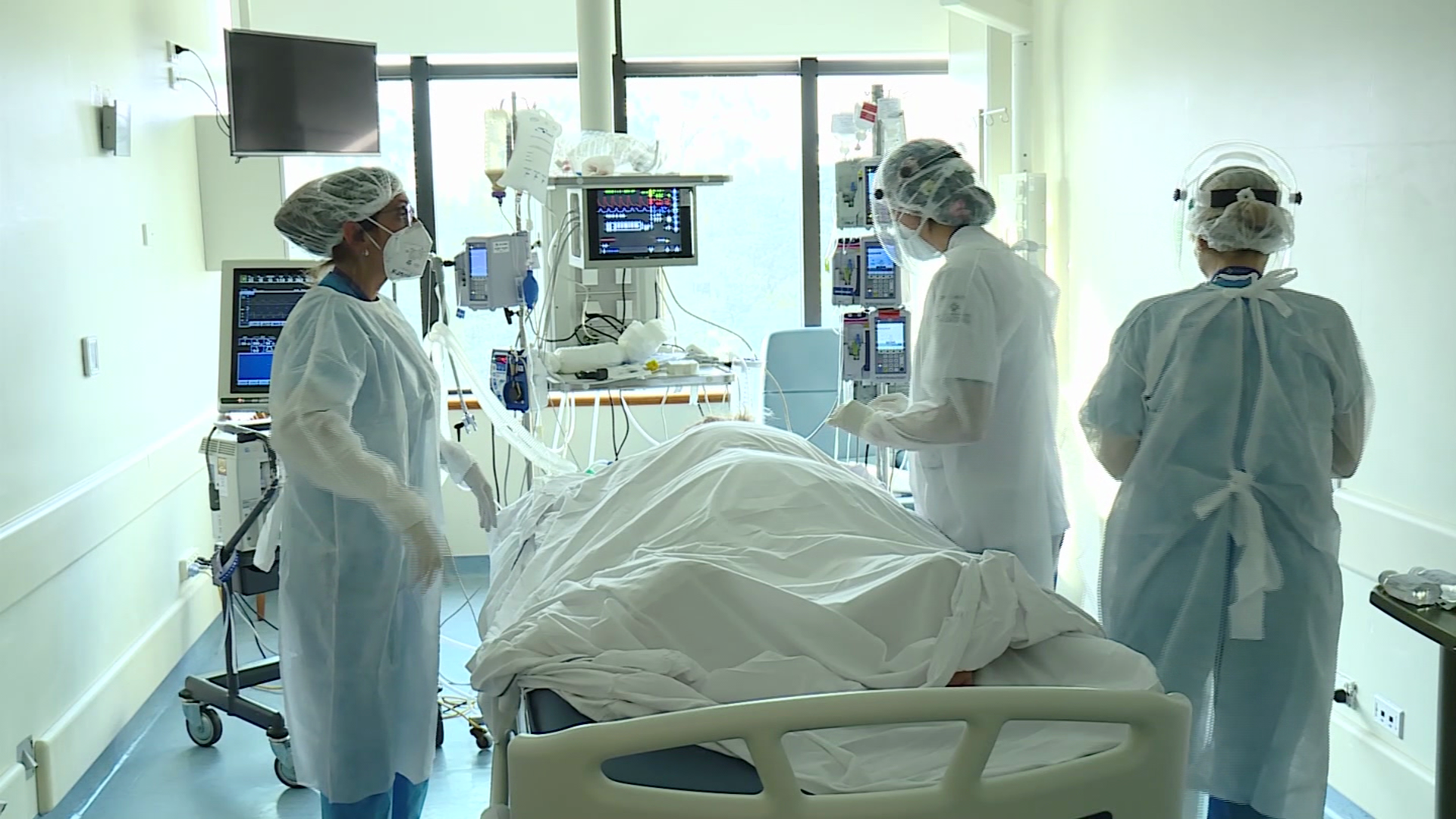
Accessing a hospital in Argentina requires understanding a unique, three-tiered healthcare system consisting of public, social security, and private sectors. While public hospitals offer free emergency care to all, private institutions like Hospital Italiano and Hospital Alemán provide international-standard facilities. Success in navigating these facilities depends on identifying your coverage type, bringing valid identification, and understanding regional billing variations.
Understanding the Triple-Tier Healthcare Structure
Argentina’s healthcare system is one of the most complex in Latin America, characterized by its fragmented but highly capable structure. To understand how hospitals operate in 2026, one must distinguish between the three primary pillars of care.
The Public Sector (Sector Público)
The public sector is managed by the Ministry of Health at national, provincial, and municipal levels. These hospitals are mandated by the national constitution to provide free care to anyone physically present in the country, including tourists and undocumented residents. In 2026, the public sector continues to handle the majority of emergency trauma and high-complexity cases.
However, "free" does not always mean "immediate." Public hospitals often face significant demand, leading to long wait times for elective surgeries and specialized consultations. While the medical staff is often world-class—many are professors at the University of Buenos Aires (UBA)—the physical infrastructure can vary wildly between a modern facility in Buenos Aires and a rural clinic in the North.
The Social Security Sector (Obras Sociales)
This sector covers the majority of the Argentine workforce. Obras Sociales are insurance funds managed by trade unions. If you are formally employed in Argentina, a percentage of your salary goes to a specific fund (like OSECAC for commercial workers). These funds contract services from both public and private hospitals. For an expat or traveler, this tier is usually irrelevant unless they are working locally under a formal contract.
The Private Sector (Sector Privado)
Commonly referred to as Prepagas, the private sector consists of independent companies (like OSDE, Swiss Medical, or Galeno) and "Community Hospitals." These institutions offer the highest level of comfort, shorter wait times, and a higher density of English-speaking staff. As of 2026, many private hospitals in Argentina are JCI (Joint Commission International) accredited, placing them on par with top-tier American or European facilities.
Top-Rated Hospitals and Medical Institutions
When seeking care in Argentina, particularly in the Autonomous City of Buenos Aires (CABA), several institutions stand out for their specialization and quality of care.
Hospital Italiano de Buenos Aires (HIBA)
Founded in 1853, HIBA is a non-profit healthcare organization that consistently ranks as one of the best hospitals in Latin America. It is a massive complex that functions as a teaching hospital. It is particularly renowned for organ transplants, robotic surgery, and complex oncology. For international patients, HIBA has a dedicated "International Patient Department" to coordinate billing with foreign insurance providers.
Hospital Alemán (German Hospital)
Located in the Recoleta neighborhood, Hospital Alemán is known for its efficiency and pristine facilities. It is often the preferred choice for expats because of its high concentration of bilingual doctors. Their "Guardia" (Emergency Room) is highly efficient, and they maintain a strong focus on preventive medicine and diagnostics.
Hospital Británico (British Hospital)
The British Hospital has a long-standing history of serving the English-speaking community. It offers a comprehensive range of services and operates its own nursing school. It is famous for its high standards of nursing care and its specialized maternity and pediatric wards.
FLENI (Foundation for Neurological and Brain Research)
If the medical issue is neurological or involves complex rehabilitation, FLENI is the premier choice. With campuses in Belgrano and Escobar, it is a global leader in treating strokes, brain injuries, and chronic neurological conditions. Their rehabilitation center is considered the most advanced in the Southern Cone.
Accessing Care: Prerequisites and Procedures
Whether you are entering a public "Guardia" or a private clinic, there are specific procedural steps you must follow.
Identification Requirements
In 2026, digital identification is standard in Argentina. If you are a resident, your DNI (Documento Nacional de Identidad) is mandatory. For tourists, a physical Passport is required. Most hospitals have digitized their records, so once you are in the system of a specific hospital network, your history will be accessible across their different branches.
The Triage Process
In the Emergency Room (Guardia), Argentina uses a standard color-coded triage system:
- Red: Immediate life-threatening emergency.
- Yellow: Urgent but stable (chest pain, fractures).
- Green: Non-urgent (fever, minor cuts).
- Blue: Non-emergency (consultations that could be handled by a GP).
If you arrive at a public hospital with a "Green" status, be prepared to wait several hours, as "Red" and "Yellow" cases will always be prioritized.
Regional Variations and Fees for Foreigners
A significant development leading into 2026 is the implementation of fees for non-resident foreigners in public hospitals in certain provinces. While the National Government traditionally funded universal care, provinces like Salta, Mendoza, and Santa Cruz have moved toward a system where non-residents (tourists) must pay for non-emergency services at a rate set by the provincial health ministry. Emergency life-saving care remains universally free, but follow-up care or elective procedures are now billable in these jurisdictions.
Costs and Insurance Logistics in 2026
Argentina's economic landscape, characterized by high inflation and fluctuating exchange rates, makes the cost of hospital care a moving target.
Private Care Costs
For those without local insurance (prepaga), private hospitals accept "Out-of-Pocket" payments. In 2026, prices for a standard consultation in a top-tier private hospital range from $40 to $80 USD, while an ER visit might cost between $150 and $300 USD, excluding complex tests or overnight stays.
International Insurance and Reimbursement
Most major international insurers (Cigna, Bupa, Allianz) are recognized by the "Big Three" (Italiano, Alemán, Británico). However, the process usually involves:
- GOP (Guarantee of Payment): Your insurance must send a GOP directly to the hospital’s international billing department.
- Pay and Claim: If a GOP is not established, you will likely need to pay upfront via credit card and claim reimbursement later. Ensure you ask for an "Factura B" or "Factura A" and a detailed medical report (epicrisis) in Spanish to provide to your insurer.
| Feature | Public Hospitals | Private Hospitals |
|---|---|---|
| Cost for Residents | Free | Monthly Premium |
| Cost for Tourists | Free (Emergency) / Fee-based (Elective)* | Out-of-pocket / International Insurance |
| Wait Times | High (Several hours for ER) | Low to Moderate |
| Bilingual Staff | Rare | Common in top-tier facilities |
| Technology | Moderate to High (in teaching hospitals) | State-of-the-art |
| Primary Location | Spread across all provinces | Concentrated in major cities (CABA, Córdoba, Rosario) |
*Note: Fee-based elective care for tourists depends on the specific province's legislation as of 2026.
Emergency Services: The SAME System vs. Private Ambulances
In the event of a medical emergency outside of a hospital setting, the primary resource is SAME (Sistema de Atención Médica de Emergencia). By dialing 107 from any phone, you can reach this public emergency service.
SAME is highly efficient in the City of Buenos Aires, often deploying helicopters for highway accidents or rapid-response motorcycles. However, SAME will typically transport you to the nearest Public Hospital. If you have a private prepaga or international insurance and wish to be taken to a specific private hospital, you should call the emergency number provided on your insurance card to dispatch a private ambulance (such as Vittal or Emergencias).
Practical Considerations for Patients
Medication and Prescriptions
Argentine hospitals use the generic name of drugs (nombre genérico). In 2026, electronic prescriptions (receta electrónica) are the norm. These are sent to your phone or email and can be presented at any pharmacy (farmacia). Note that many medications that require a prescription in the US or UK might be available over-the-counter in Argentina, but "Controlled Substances" (like psychotropics) are strictly regulated.
Language Barriers
While many doctors in major Argentine cities are fluent in English due to the requirement of reading medical literature in English, the administrative staff, nurses, and technicians may not be. It is highly recommended to have a translation app ready or, in complex cases, hire a local medical translator.
Patient Rights
Argentina has robust patient rights laws. You have the right to a second opinion, the right to access your medical records (which are legally yours), and the right to informed consent for any procedure. In 2026, most hospitals provide these documents in digital format via a patient portal.
FAQs About Argentina Hospitals
Can a tourist get a surgery in a public hospital for free?
As of 2026, this depends on the urgency. Life-saving surgery is provided free of charge at the point of service in any public hospital. However, for elective surgeries (like a planned hip replacement), several provinces now charge non-resident foreigners. In Buenos Aires City, public care remains largely free for all, though there is increasing pressure to prioritize residents for non-urgent procedures.
Which hospital is best for pediatric emergencies?
The Hospital de Pediatría Prof. Dr. Juan P. Garrahan is the gold standard for pediatric care in Argentina. It is a public, high-complexity hospital. For private care, the Hospital Italiano and Hospital Británico have excellent dedicated pediatric wings.
Do I need to pay upfront at a private hospital?
If you do not have a recognized local prepaga or a pre-approved Guarantee of Payment from an international insurer, yes. Private hospitals will typically ask for a credit card swipe or a cash deposit before admitting you for non-emergency treatment.
Are Argentine hospitals safe and clean?
Top-tier private hospitals in Argentina maintain international standards of hygiene and safety. Public hospitals, while medically excellent, may suffer from aesthetic neglect, such as peeling paint or older furniture, but they adhere to strict sterilization and medical safety protocols required by the Ministry of Health.
How do I call an ambulance if I don't speak Spanish?
Dialing 107 connects you to SAME. In Buenos Aires, they often have operators who can handle basic English, but it is not guaranteed. If you are at a hotel, have the concierge call. If you have international insurance, their emergency line usually offers multi-language support and can coordinate the ambulance for you.
Summary of Next Actions
If you are currently in Argentina and require hospital care, your first step should be to check your insurance coverage. For minor issues, visit a "Consultorios Externos" (Outpatient Clinic) at a private hospital like Hospital Alemán. For major emergencies, dial 107 for public assistance or your insurance's emergency line for private transport. Always keep a digital copy of your passport and insurance policy on your phone, as these are the first items requested at any intake desk. If you are in a province like Salta or Mendoza, be prepared to provide a method of payment even at a public facility if your condition is not life-threatening.
Professional-Advice Limitation: This guide is for informational purposes only and does not constitute medical or legal advice. Healthcare regulations and costs in Argentina are subject to change based on provincial laws and national economic policies. Always consult with a qualified medical professional for health concerns.