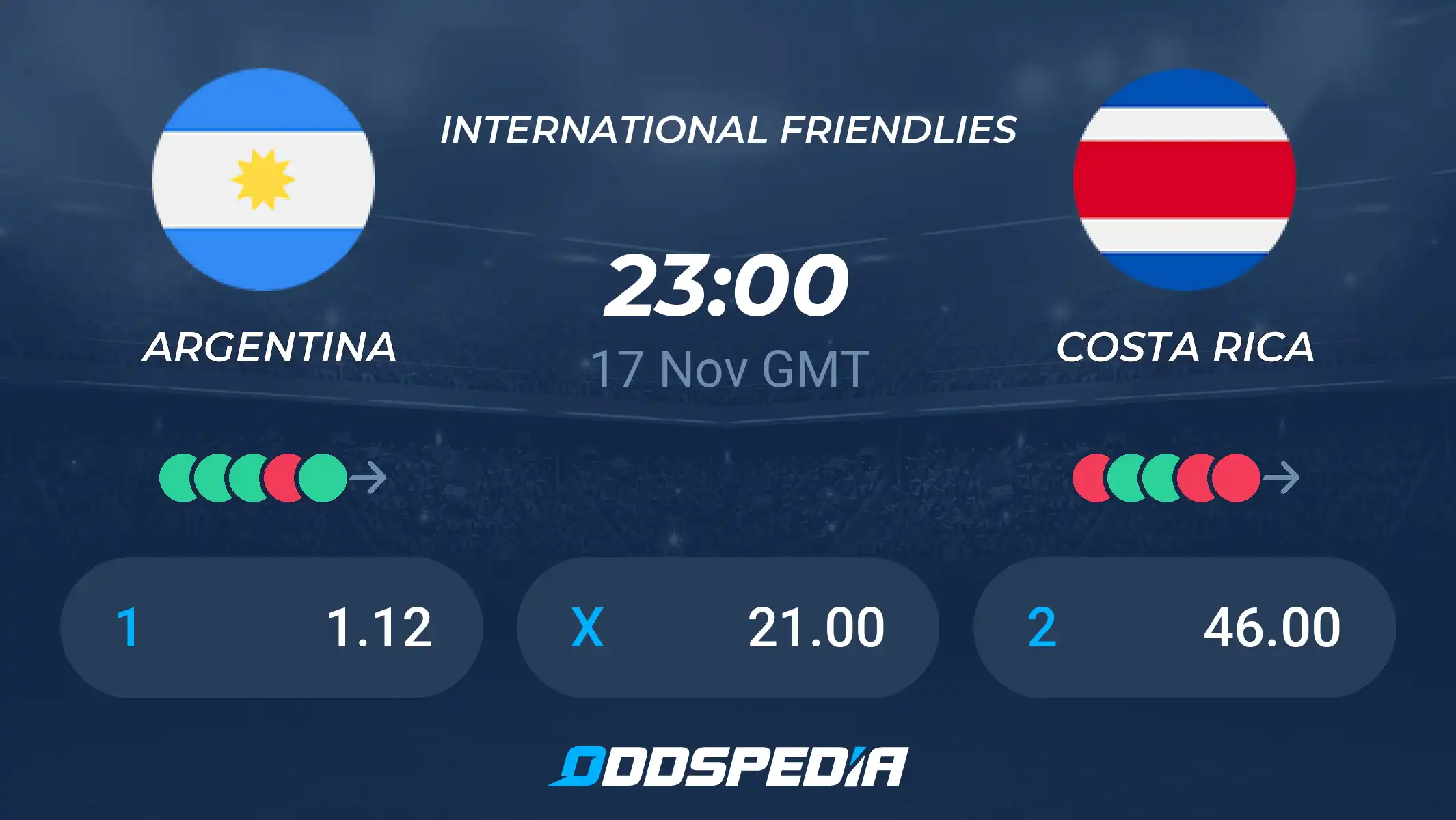
Argentina remains the dominant force in this international fixture, maintaining a historically undefeated record against Costa Rica across all competitions and friendlies. Their most recent high-profile encounter in March 2024 saw the reigning World Champions secure a 3-1 victory, further solidifying the competitive gap between the South American giants and the Central American contenders as both nations navigate the 2026 international football calendar.
The matchup between Argentina and Costa Rica represents more than just a game; it is a clash of footballing cultures, varying tactical philosophies, and regional prestige. While Argentina enters every match as a global powerhouse, Costa Rica often embraces the role of the disciplined underdog, a narrative that has defined their meetings over the last several decades. As we move through 2024 and into the heart of 2026, understanding the nuances of this rivalry requires looking at historical data, tactical evolution, and the current state of both federations.
Historical Context and Head-to-Head Record
The historical relationship between the Argentine Football Association (AFA) and the Costa Rican Football Federation (FCRF) is one-sided in terms of results but rich in competitive spirit. Argentina has historically viewed these matches as opportunities to test squad depth against organized CONCACAF opposition, while Costa Rica views them as a benchmark for their progress on the world stage.
Historically, the two teams have met sparingly. The most significant competitive meeting occurred during the 2011 Copa América, where Argentina served as the host nation. In that tournament, Argentina secured a decisive 3-0 victory in the group stage, with Sergio Agüero scoring twice and Angel Di Maria adding a third. Beyond competitive tournaments, the teams have engaged in several friendly matches that served as crucial preparation phases for World Cups and continental championships.
One of the most notable aspects of this rivalry is Costa Rica's inability to secure a victory against the "Albiceleste." Despite several draws and closely contested matches, the tactical sophistication and individual brilliance of Argentina's roster have consistently proven too much for "Los Ticos" to overcome. However, Costa Rica has often earned respect for their defensive resilience, particularly during the era of Keylor Navas, who frequently kept scorelines respectable against high-octane Argentine offenses.
The March 2024 Friendly: A Modern Benchmark
To understand the current standing of "Argentina vs. Costa Rica," one must look at their encounter on March 26, 2024, held at the United Airlines Field at the Memorial Coliseum in Los Angeles. This match was a pivotal moment for both teams, serving as a primary preparation tool for the 2024 Copa América and the subsequent 2026 World Cup qualifying cycles.
In this match, Costa Rica initially shocked the world by taking the lead in the 34th minute through a goal by Manfred Ugalde. The young striker capitalized on a rebound after a swift counter-attack, exposing a rare moment of vulnerability in the Argentine defense. This goal highlighted Costa Rica's growth in transition play and their ability to punish top-tier opponents when given the space.
The second half, however, belonged entirely to Lionel Scaloni’s side. Argentina’s tactical adjustments and superior conditioning took hold:
- The Equalizer: Angel Di Maria scored a stunning free-kick in the 52nd minute, reminding the world of his evergreen quality.
- The Lead: Alexis Mac Allister scored just four minutes later, capitalizing on a corner-kick scramble.
- The Closer: Lautaro Martinez ended a personal scoring drought in the 77th minute to finalize the 3-1 scoreline.
This match demonstrated that while Costa Rica has narrowed the gap in terms of organization and early-game intensity, Argentina possesses a "gear" that few teams in the world can match once they find their rhythm.
Tactical Analysis: Styles of Play
The tactical battle between Argentina and Costa Rica usually follows a predictable but fascinating pattern. Argentina utilizes a high-possession, fluid attacking system, while Costa Rica relies on a compact defensive block and verticality.
Argentina’s Tactical Fluidity
Under Lionel Scaloni, Argentina has evolved from a team reliant solely on individual brilliance to a cohesive unit characterized by "La Scaloneta" philosophy. This involves:
- Positional Rotation: Midfielders like Rodrigo De Paul and Alexis Mac Allister constantly rotate to create passing lanes, making it difficult for Costa Rica's man-marking schemes.
- Inverted Fullbacks: Argentina often uses fullbacks to tuck into the midfield, allowing their creative wingers to stay wide or drift into the "Zone 14" area.
- Counter-Pressing: The moment Argentina loses the ball, they apply immediate pressure to win it back, often preventing Costa Rica from initiating their preferred counter-attacks.
Costa Rica’s Defensive Resilience
Costa Rica’s approach is built on the foundations laid by various coaches who emphasize the "Pura Vida" spirit through grit and discipline.
- Low Block: Costa Rica typically sits deep, reducing the space behind the defense to negate the pace of Argentine attackers.
- Goalkeeping Excellence: For over a decade, Costa Rican success was synonymous with world-class goalkeeping. Even in the post-Navas era, the focus remains on high-level shot-stopping to keep the team in the game.
- Manfred Ugalde’s Role: The modern Costa Rican side looks to Ugalde as a focal point. His ability to hold up the ball against physical defenders like Cristian Romero is essential for allowing the Costa Rican midfield to join the attack.
Key Player Comparisons and Matchups
When these two nations meet, specific individual battles often determine the outcome of the game.
| Feature | Argentina (Albiceleste) | Costa Rica (Los Ticos) |
|---|---|---|
| Primary Playmaker | Alexis Mac Allister / Lionel Messi | Brandon Aguilera |
| Key Goal Threat | Lautaro Martinez / Julian Alvarez | Manfred Ugalde |
| Defensive Anchor | Cristian Romero | Francisco Calvo |
| Tactical Formation | 4-3-3 or 4-4-2 Diamond | 5-4-1 or 3-4-3 |
| Average FIFA Rank | 1st - 3rd | 40th - 60th |
| Style of Play | Proactive / Possession-based | Reactive / Counter-attacking |
The Battle for Midfield
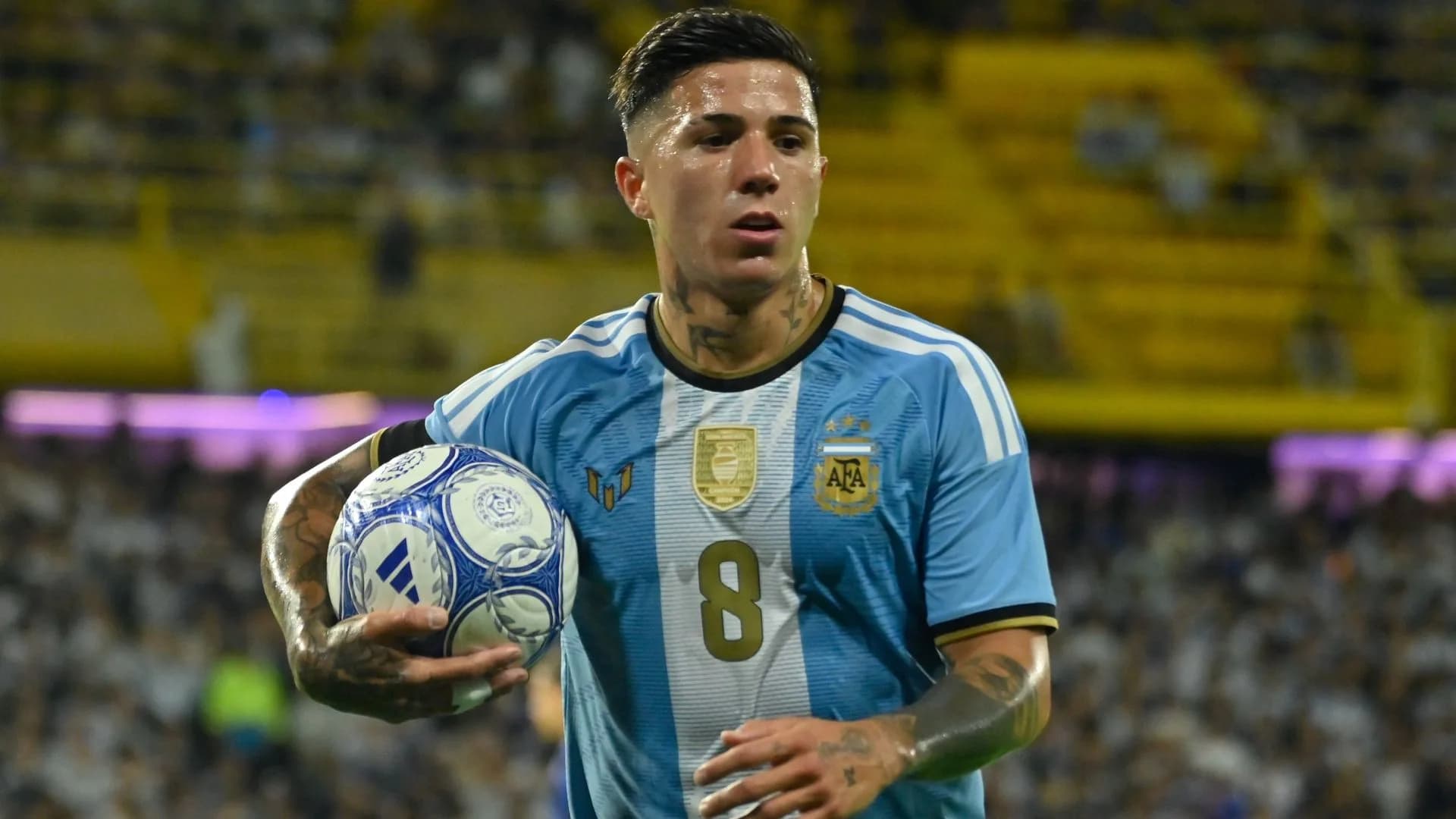
In recent matchups, the game has been won or lost in the center of the pitch. Argentina’s trio of Enzo Fernandez, De Paul, and Mac Allister provides a level of ball retention that few teams can disrupt. Costa Rica’s challenge is to disrupt this rhythm without committing too many fouls in dangerous areas. In the 2024 meeting, Costa Rica’s midfield showed flashes of brilliance in the first half but eventually succumbed to the sheer volume of passing sequences orchestrated by Argentina.
Experience vs. Youth
As of 2026, Argentina balances veteran leadership with a burgeoning class of young talent. Players who were youngsters during the 2022 World Cup are now established leaders. Conversely, Costa Rica is in a deeper state of transition. Moving on from the "Golden Generation" that reached the 2014 World Cup quarter-finals has been a long process, involving the integration of younger talents from the domestic league and MLS.
The Road to the 2026 FIFA World Cup
Both nations view their head-to-head encounters as vital preparation for the 2026 World Cup, hosted across North America. For Argentina, matches against CONCACAF opponents provide a glimpse into the environments they will face in the United States and Mexico. For Costa Rica, playing the world champions is the ultimate test of their readiness for a tournament where they hope to replicate their 2014 heroics.
Argentina’s Objectives
As defending champions, Argentina’s goal is maintaining the standard of excellence. Friendly matches against organized teams like Costa Rica allow Scaloni to experiment with different strike pairings—specifically testing how Julian Alvarez and Lautaro Martinez can coexist on the pitch. It also allows for the integration of new defensive prospects to ensure the backline remains robust as veteran players begin to phase out.
Costa Rica’s Objectives
For Costa Rica, the goal is consistent qualification and competitive respectability. Playing Argentina forces their defenders to maintain focus for 90 minutes, a requirement for surviving the World Cup group stages. The FCRF has focused heavily on improving the technical quality of their youth prospects, and the 2024 match showed that these younger players are less intimidated by "big name" opponents than previous generations might have been.
Frequently Asked Questions
What is the overall head-to-head record for Argentina vs. Costa Rica?
Argentina remains undefeated against Costa Rica. In their history of official and friendly meetings, Argentina has won the vast majority of matches, with a few draws occurring in friendly settings. Costa Rica has yet to record an official victory against the Argentine senior national team.
Who scored in the most recent Argentina vs. Costa Rica match?
In the March 2024 friendly, Argentina won 3-1. The goals for Argentina were scored by Angel Di Maria, Alexis Mac Allister, and Lautaro Martinez. Costa Rica’s lone goal was scored by Manfred Ugalde.
Has Costa Rica ever knocked Argentina out of a tournament?
No. In their most significant tournament meeting, the 2011 Copa América, Argentina defeated Costa Rica 3-0 in the group stage. While Costa Rica has performed well in various World Cups, they have not had the opportunity to face Argentina in a knockout setting in recent decades.
How does the FIFA ranking compare between the two teams in 2026?
Argentina typically maintains a top 3 position in the FIFA World Rankings, often holding the #1 spot as the defending World and Continental champions. Costa Rica generally fluctuates between the 40th and 60th positions, depending on their performance in CONCACAF Nations League and Gold Cup cycles.
Where are these matches usually played?
While competitive matches take place in South America (Copa América) or at neutral World Cup venues, friendlies between these two are frequently hosted in the United States. This is due to the large expatriate populations of both nations in the U.S. and the high-quality stadium infrastructure available in cities like Los Angeles, Miami, and New Jersey.
Future Outlook and Recommendations
Looking ahead through the remainder of 2026, football fans should expect Argentina to continue their dominance, but with a caveat: Costa Rica’s tactical discipline is improving. For bettors or analysts, the "Argentina vs. Costa Rica" fixture is often a study in "when" Argentina will score rather than "if."
Practical Recommendations for Fans and Analysts:
- Watch the First 20 Minutes: Costa Rica often starts with extreme intensity to disrupt Argentina's rhythm. If they don't concede early, the match usually becomes a fascinating tactical chess match.
- Monitor the Midfield Transition: Follow the performance of Argentina's holding midfielders. Their ability to switch play quickly is the primary tool used to break down Costa Rica's five-man backlines.
- Evaluate Youth Integration: Pay attention to how Costa Rica integrates players from their U-23 Olympic cycles, as these individuals are the key to closing the gap with CONMEBOL giants.
The gap between these two nations remains significant, but the matches continue to provide high-quality entertainment and essential data for both coaching staffs as they prepare for the ultimate stage of the 2026 FIFA World Cup.