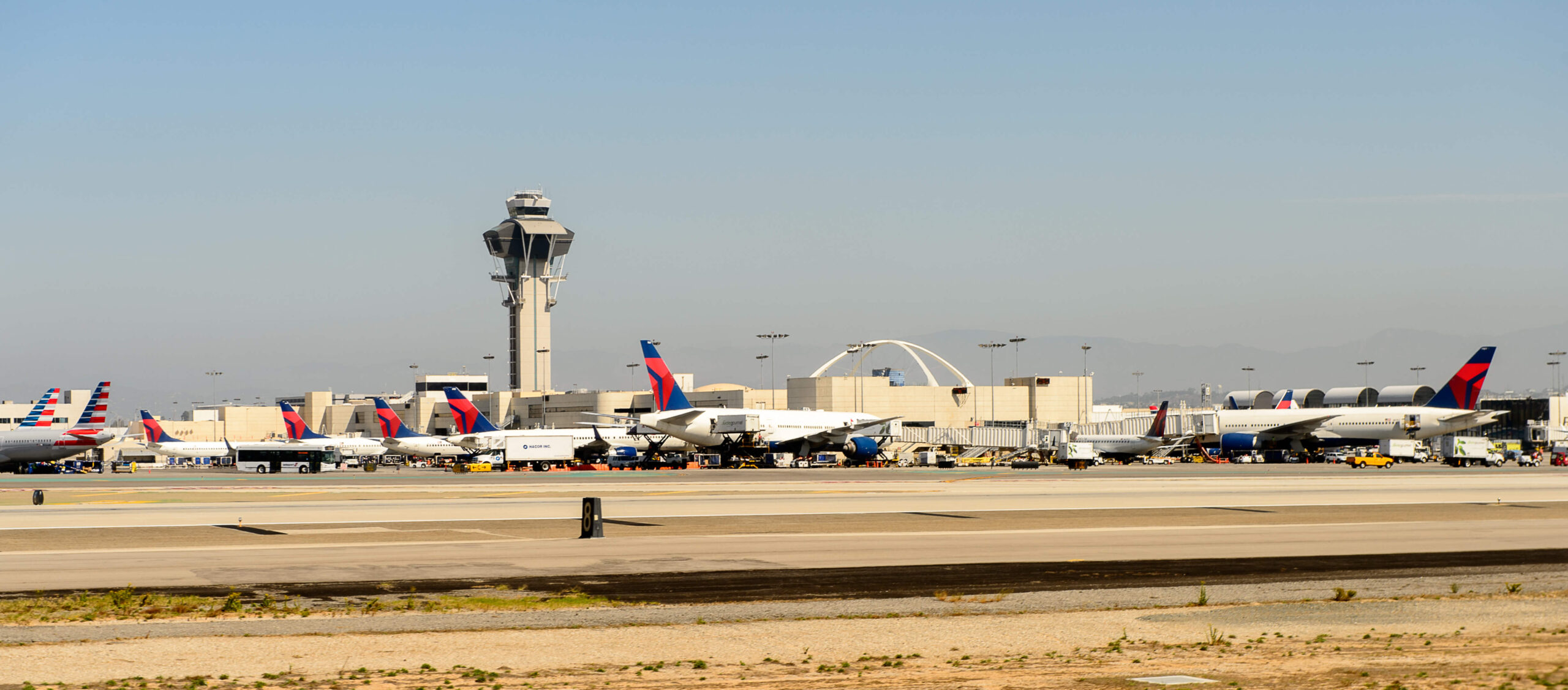
An approved airline is a commercial air carrier officially authorized by civil aviation authorities and government bodies to transport passengers, cargo, or mail within specified domestic or international airspace. This authorization relies on rigorous safety certifications, financial stability checks, and strict adherence to global regulatory frameworks established by organizations like the International Civil Aviation Organization and local civil aviation authorities.
Navigating the aviation industry requires a clear understanding of what constitutes an approved airline and the complex regulatory framework governing commercial flight operations. For corporate travel managers, government entities, insurance providers, and everyday passengers, verifying whether an air carrier holds proper authorization is a fundamental step in ensuring safety, legal compliance, and operational reliability. Aviation oversight spans multiple layers of governance, ranging from international treaties to national safety directives. This regulatory environment dictates how airlines are certified, monitored, and occasionally restricted or banned from specific airspaces.
Defining an Approved Airline: Core Concepts
At its most fundamental level, an approved airline is a commercial transport provider that has successfully navigated the certification processes mandated by state and international aviation authorities. These processes are designed to ensure that the carrier meets or exceeds baseline standards for aircraft airworthiness, crew training, maintenance protocols, and operational safety management systems.
Unlike private aircraft or unregulated charter operations, an approved commercial airline holds an Air Operator Certificate or equivalent operating license issued by the civil aviation authority of its home country. This certificate grants the carrier the legal right to offer scheduled or non-scheduled transportation services to the public. However, holding an AOC from a home state does not automatically grant universal approval to fly anywhere in the world. Cross-border operations require bilateral aviation safety agreements, foreign air carrier permits, and adherence to the host nation's specific regulatory mandates.
Furthermore, the definition of an approved airline often shifts depending on the context in which the term is used. For instance, a government agency procuring official travel will utilize a distinct set of statutory criteria—such as the Fly America Act in the United States—to determine which carriers are authorized for taxpayer-funded journeys. Similarly, corporate risk management frameworks often maintain proprietary lists of approved airlines based on internal safety audits, third-party safety ratings like the IATA Operational Safety Audit, and historical incident data.
The Global Regulatory Framework
International civil aviation governance rests upon a foundation of treaties, standards, and recommended practices that harmonize safety and operational procedures across borders. The primary architect of this global framework is the International Civil Aviation Organization, a specialized agency of the United Nations established by the Convention on International Civil Aviation, commonly known as the Chicago Convention of 1944.
The Role of ICAO and International Standards
The ICAO does not function as a global regulatory enforcement agency with the power to issue operating licenses or fine non-compliant airlines. Instead, it establishes international Standards and Recommended Practices covering air navigation, infrastructure, flight inspection, border facilitation, and aviation safety. Sovereign states that sign the Chicago Convention are obligated to incorporate these standards into their national laws and to ensure that their domestic civil aviation authorities enforce them rigorously.
These standards cover critical operational domains:
- Airworthiness of Aircraft: Mandating standardized inspection intervals, structural integrity checks, and maintenance documentation.
- Personnel Licensing: Establishing competency frameworks, medical standards, and training hours for pilots, air traffic controllers, and maintenance technicians.
- Operations of Aircraft: Defining rules for flight dispatch, fuel planning, weather minimums, and emergency procedures.
- Security: Implementing preventive security measures against acts of unlawful interference, including screening protocols and access controls.
National Civil Aviation Authorities
While ICAO provides the global baseline, national civil aviation authorities—such as the Federal Aviation Administration in the United States, the European Union Aviation Safety Agency, or the Civil Aviation Authority of Singapore—exercise direct regulatory jurisdiction over airlines registered within their territories.
National authorities possess the statutory power to issue, suspend, or revoke an airline's Air Operator Certificate. They conduct routine and unannounced audits of airline facilities, observe flight deck operations, inspect maintenance hangars, and review safety reporting systems. If an airline fails to maintain compliance with national regulations—which must meet or exceed ICAO standards—the civil aviation authority is empowered to ground specific aircraft models, restrict route expansion, or shut down operations entirely.
Safety Oversight and International Air Safety Listings
In an interconnected global network, safety deficiencies in one country can pose risks to international travelers worldwide. To mitigate this, regional and international bodies maintain active oversight programs that evaluate the safety standards of foreign carriers and impose operating bans when necessary.
Safety Assessments of Foreign Aircraft Programs
Programs such as the European Union's Safety Assessments of Foreign Aircraft inspect foreign aircraft landing at EU airports to verify that they comply with international safety standards established by ICAO. If a ramp inspection reveals major safety discrepancies—such as uncertified repairs, missing safety equipment, or fatigued flight crews—authorities can ground the aircraft until corrective actions are taken. Persistent safety failures by carriers from a specific state can trigger broader regulatory investigations into that nation's entire oversight system.
Air Safety Lists and Operational Bans
One of the most visible regulatory instruments is the EU Air Safety List, which identifies airlines that are subject to an operating ban within the European Union due to safety deficiencies that remain unaddressed by their home authorities. Carriers placed on this list—often colloquially referred to as airline blacklist regimes—fail to meet international safety standards, and their aircraft are barred from entering EU airspace.
| Regulatory Body / Program | Primary Function | Geographic Scope | Impact on Approved Status |
|---|---|---|---|
| ICAO (Universal Safety Oversight Audit Programme) | Evaluates national civil aviation authorities' compliance with global safety standards. | Global (Member States) | Identifies systemic regulatory failures that affect national carrier approvals. |
| EASA (SAFA Program) | Conducts ramp inspections on foreign aircraft operating in Europe. | European Union Airspace | Can ground individual aircraft or prompt broader airspace bans. |
| National Civil Aviation Authorities (FAA, EASA, etc.) | Issues operating certificates and enforces domestic aviation law. | National / Bilateral Jurisdictions | Grants or revokes the foundational legal right to operate commercial flights. |
| IATA (IOSA Registry) | Evaluates operational management and control systems of participating airlines. | Global Commercial Aviation | Serves as an industry benchmark for corporate and interline partnership approvals. |
Commercial and Corporate Approval Criteria
Beyond government regulation, commercial considerations often dictate whether an airline is considered approved for specific business functions, code-sharing agreements, or alliance memberships. An airline may hold a valid government operating license yet fail to meet the rigorous standards required for commercial integration.
Code-Sharing and Alliance Membership
Major international airline alliances, such as Star Alliance, oneworld, and SkyTeam, enforce strict entry requirements for member carriers. These standards typically require completion of the IATA Operational Safety Audit, adherence to high service quality benchmarks, and compatibility in reservation and baggage handling systems. Similarly, code-share agreements—where one airline sells seats on a flight operated by another—require extensive due diligence. Legal liability and brand reputation compel airlines to vet their partners meticulously, ensuring that operational standards align before passengers are booked onto partner-operated aircraft.
Corporate Travel Policies and Risk Management
For enterprise organizations, employee travel policies frequently incorporate approved airline lists to fulfill corporate duty of care obligations. Risk management departments assess airlines using a combination of official government data, IATA audit results, accident history, and insurance risk assessments. If an airline has a high incident rate or operates within a jurisdiction with lax regulatory oversight, corporate travel portals may automatically block bookings on that carrier to mitigate liability and protect employee safety.
Verification Processes and Practical Due Diligence
Verifying whether an airline is properly approved requires consulting authoritative sources rather than relying solely on consumer marketing or ticket availability. Because travel distribution systems aggregate flights from hundreds of carriers globally, booking a flight does not automatically guarantee that the operating carrier meets every regulatory or corporate standard.
When conducting due diligence on an airline, travelers and procurement officers should examine several key indicators:
- Regulatory Status: Confirm that the carrier holds a current, unrevoked Air Operator Certificate from its home national civil aviation authority.
- Safety Blacklists: Check active international safety listings, such as the EU Air Safety List or national equivalent notices, to ensure the carrier is not subject to operating bans.
- Industry Audits: Verify whether the airline is registered under recognized operational safety programs, such as the IOSA registry, which provides an independent assessment of operational management.
- Bilateral Rights: For international journeys, ensure the carrier holds the necessary foreign air carrier permits and traffic rights to operate on the specified route.
Common Misconceptions Regarding Airline Approval
Several persistent misunderstandings surround the concept of airline approval and regulatory oversight. Dispelling these myths is crucial for accurate risk assessment and travel planning.
- Myth: All airlines selling tickets through major search engines are government-approved. Fact: While online travel agencies display numerous carriers, ticket aggregators do not perform comprehensive safety audits. Inclusion in a booking engine reflects commercial distribution agreements, not regulatory verification.
- Myth: An airline approved in one country is automatically permitted to fly in all other countries. Fact: Sovereign nations maintain control over their domestic airspace. Operating rights require specific bilateral agreements, foreign carrier permits, and adherence to local regulatory filings.
- Myth: Safety audits are a one-time event. Fact: Regulatory oversight and industry accreditations are continuous processes. Air Operator Certificates require regular renewal, and safety audit programs like IOSA mandate recertification every two years.
Future Trends in Aviation Regulation
The regulatory landscape for approved airlines continues to evolve in response to technological advancements, shifting geopolitical dynamics, and environmental mandates. Emerging trends include the integration of uncrewed aircraft systems into controlled airspace, the implementation of advanced data-driven safety monitoring systems, and the harmonization of certification standards for sustainable aviation fuels and electric or hydrogen-powered propulsion technologies. As global aviation modernizes, regulatory frameworks must adapt to evaluate novel operational models without compromising the baseline safety standards that define an approved carrier.
Conclusion
Understanding the approved airlines definition and regulatory context requires looking past marketing claims to examine the intricate web of international treaties, national operating certificates, and industry safety audits. From ICAO baseline standards to national enforcement by civil aviation authorities and private risk assessments by corporate travel managers, multiple layers of oversight work in concert to regulate commercial flight operations. Ensuring compliance and safety requires continuous verification, strict adherence to statutory guidelines, and an awareness of international safety listings. For travelers and organizations alike, prioritizing approved carriers remains the most effective safeguard in global aviation mobility.