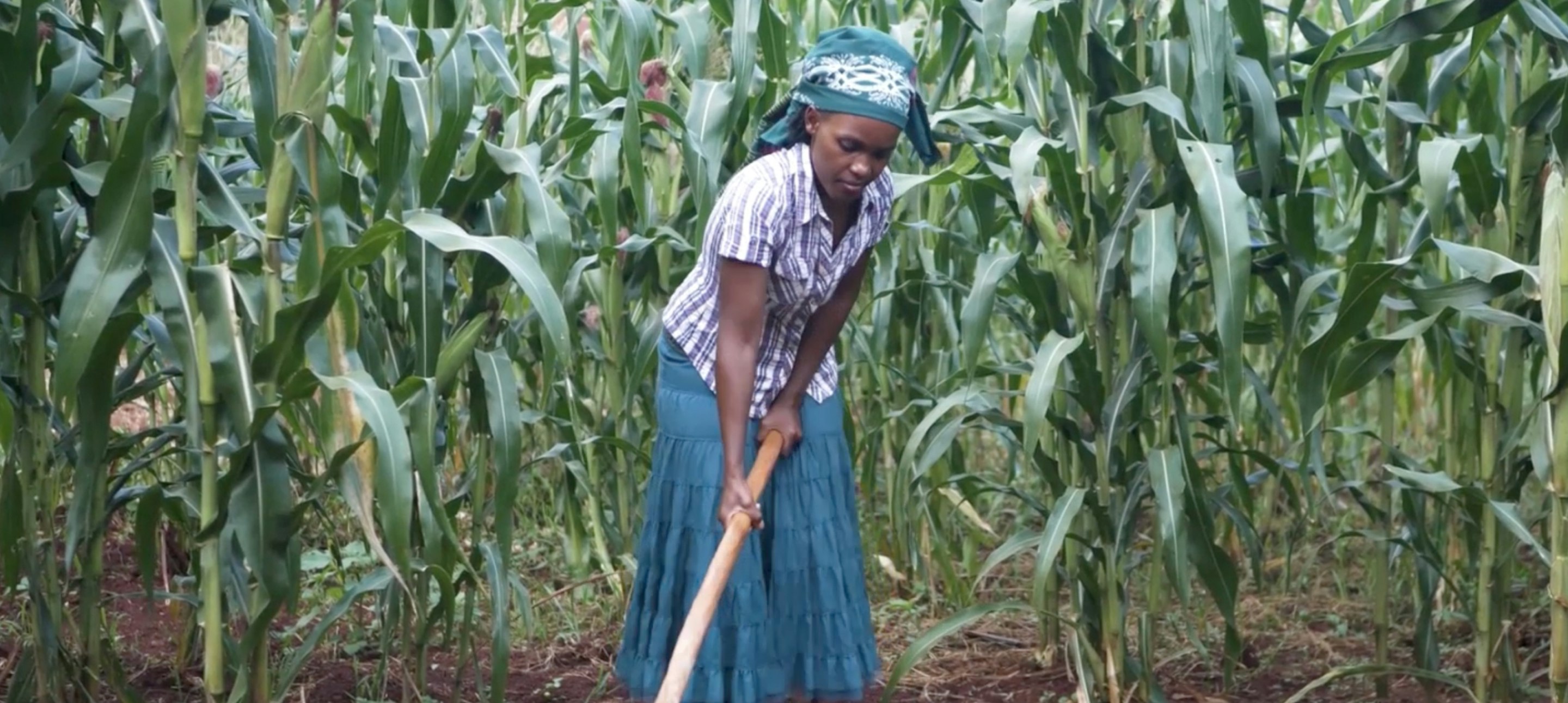
Apollo Agriculture is a Nairobi-based agri-fintech enterprise that provides smallholder farmers in Kenya with customized input credit, high-yield farm supplies, crop insurance, and data-driven extension services. By combining satellite imagery, machine learning, and mobile money, Apollo enables smallholders without traditional collateral to access seed, fertilizer, and agronomic advice needed to increase crop productivity.
What Is Apollo Agriculture?
Smallholder farming forms the backbone of Kenya’s agricultural economy, contributing significantly to national food security and employment. However, millions of small-scale farmers face systemic barriers: limited capital to purchase certified inputs, unpredictable weather patterns, lack of formal credit histories, and poor access to modern agronomy.
Founded to address these structural challenges, Apollo Agriculture operates as a technology-driven agricultural provider. Headquartered in Nairobi, the company bridges the gap between financial services and small-scale farming. Instead of handing out unmonitored cash loans, Apollo offers a "bundled" package. This package delivers physical farm inputs—such as hybrid seeds and specialized fertilizers—directly to farmers on credit, alongside micro-insurance policies and personalized advisory services.
By leveraging remote sensing data and automated credit underwriting, Apollo replaces traditional banking requirements, like land title deeds or payslips, with digital risk assessments. This allows the platform to serve rural populations that commercial banks and traditional microfinance institutions historically overlook due to high operational costs and perceived default risks.
The Core Product: The Bundled Farming Package
Apollo Agriculture does not function as a standard digital lending app that disburses cash directly to a mobile wallet. Instead, it relies on an asset-based financing model. When a farmer secures approval for an Apollo package, they receive a bundled service engineered to cover the entire crop cycle from land preparation to harvest.
- High-Quality Inputs: Certified seeds & specialized soil-appropriate fertilizers.
- Flexible Input Financing: Micro-credit without land titles; repayment aligned with harvest.
- Yield Protection: Index-based micro-insurance against drought or severe weather shocks.
- Agronomic Advisory: Automated SMS/voice guidance & field agent site visits.
1. High-Quality Farm Inputs
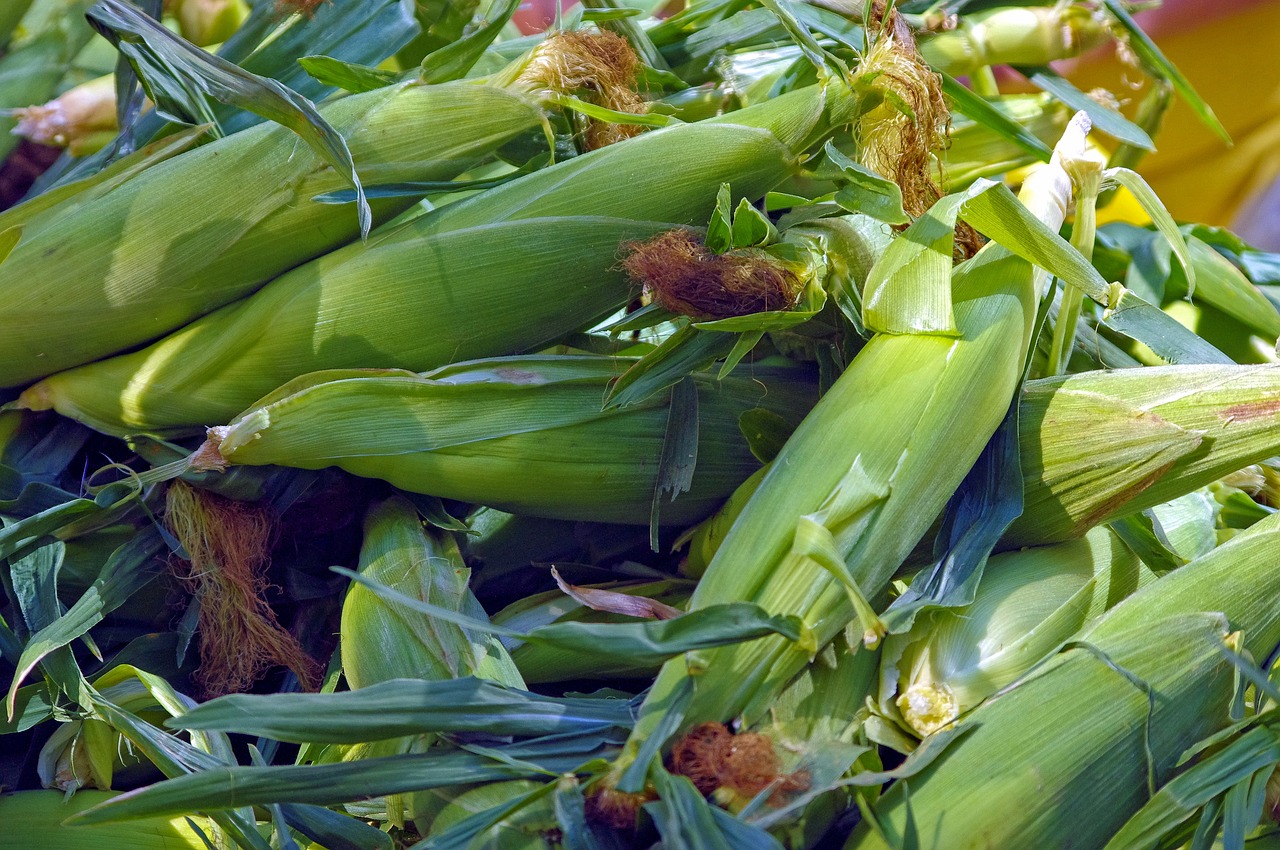
Fake or substandard agricultural inputs present a major financial hazard for Kenyan farmers. Ineffective fertilizers or low-germination seeds can cause severe crop failure. Apollo addresses this issue by partnering directly with vetted agricultural manufacturers and distributors. Farmers receive certified hybrid seeds (primarily maize, alongside staples like beans and potatoes) and soil-specific fertilizers formulated to improve soil fertility and maximize yield per acre.
2. Tailored Credit and Micro-Financing
Purchasing certified inputs upfront during planting season creates a financial strain when household liquid cash is lowest. Apollo provides input credit that covers the cost of these supplies. Farmers pay a modest initial deposit, while the remaining balance is structured into a flexible loan schedule timed to coincide with crop harvest and sales.
3. Index-Based Crop Insurance
Climate volatility, particularly prolonged droughts and unseasonal rainfall, represents a leading cause of agricultural loan defaults in East Africa. Apollo integrates yield-protection insurance directly into its financing package. Using satellite data to measure rainfall levels and vegetation health, this index-based insurance automatically triggers payouts or loan forgiveness if extreme weather prevents normal crop development, protecting the farmer from compounding debt.
4. Continuous Agronomic Advisory
Inputs alone do not guarantee a successful harvest; proper crop management is equally critical. Apollo offers ongoing technical advice delivered through automated SMS messages, interactive voice response (IVR) calls, and direct consultations with local field agents. Advice covers optimal planting dates, correct fertilizer application techniques, weed control, pest management (such as managing Fall Armyworm), and post-harvest handling.
How Technology Drives Apollo’s Model
Apollo Agriculture relies on a digital infrastructure that allows it to scale across geographically dispersed rural areas while maintaining low overhead costs.
Satellite Remote Sensing and Machine Learning
Before approving credit, Apollo evaluates land potential using satellite imagery. Remote sensing technology analyzes historical weather patterns, soil moisture retention, vegetation indices (such as NDVI), and historical crop performance for specific field coordinates. Machine learning algorithms process this data to estimate expected crop yields and evaluate the ecological suitability of a specific plot, creating an automated credit profile for the applicant.
Mobile Infrastructure and M-Pesa Integration
Kenya’s established mobile money ecosystem, predominantly powered by Safaricom’s M-Pesa, forms the transaction backbone for Apollo's operations. Farmers register, pay their initial loan deposits, make installment payments, and receive insurance payouts directly through their mobile phones. This eliminates physical cash handling, reduces transaction fraud, and speeds up processing times.
Proprietary Agent and Logistics Software
Apollo coordinates last-mile delivery through a network of local field agents equipped with smartphone applications. These digital tools allow agents to register new farmers, record precise GPS boundaries of farm plots, verify identity documents, and submit applications for automated scoring in real time.
Steps for Farmers to Access Apollo Loans and Supplies
Accessing an Apollo package follows a structured process designed to ensure that inputs arrive before the rainy season begins.
Step 1: Application & Registration
Step 2: GPS Boundary Mapping
Step 3: Automated Credit Scoring
Step 4: Voucher Redemption
Step 5: Season Support & Advisory
Step 6: Post-Harvest Repayment
Application and Registration: A farmer connects with a local Apollo field agent or registers through a designated USSD code or digital channel. Registration requires a valid Kenyan National Identity Card, an active mobile phone number, and details regarding location and farming experience.
GPS Boundary Mapping: A field agent visits the applicant's farm to map the precise plot boundaries using a smartphone with GPS capabilities. This spatial data links the applicant's identity directly to specific land coordinates for remote sensing evaluation.
Credit Scoring and Loan Approval: Apollo’s automated underwriting engine reviews the satellite land analysis alongside the farmer's financial profile. Upon approval, the system generates a customized package detailing the approved acreage, required down payment, input quantities, and loan repayment terms.
Deposit Payment and Input Collection: The farmer pays the required initial deposit via M-Pesa. Once confirmed, Apollo issues a digital voucher on the farmer's mobile phone. The farmer takes this voucher to a localized partner agro-dealer to collect certified seeds and fertilizers.
Seasonal Management and Support: Throughout the growing season, the farmer receives localized weather updates, agronomic alerts, and field visits from agricultural extensions agents.
Harvest and Loan Repayment: Following harvest and crop sales, the farmer repays the remaining loan balance through M-Pesa installments according to their agreement.
Comparing Apollo Agriculture with Alternative Agricultural Services
To evaluate Apollo’s market position in Kenya, it helps to compare its bundled model against traditional credit and input sources, such as commercial banks, localized SACCOs (Savings and Credit Cooperative Organizations), and informal lenders.
| Feature / Criteria | Apollo Agriculture | Commercial Banks | Local SACCOs | Informal Lenders / Pay-at-Pickup |
|---|---|---|---|---|
| Primary Collateral | Satellite data & crop potential | Title deeds, logbooks, payslips | Shares, guarantors, savings | Social trust, high risk penalty |
| Product Delivery | Physical inputs + advisory | Cash disbursement | Cash disbursement | Cash or retail inputs |
| Insurance Integration | Built-in index-based policy | Varies (often separate cost) | Rarely bundled | None |
| Repayment Alignment | Synchronized with harvest | Monthly cash installments | Monthly/Quarterly schedules | Irregular or immediate cash |
| Tech Integration | High (Satellite, AI, M-Pesa) | Moderate (Standard banking apps) | Low to Moderate | None |
| Target Audience | Smallholders (1–5 acres) | Medium-to-large commercial farms | Community/Co-op members | Unbanked individuals |
The Role of Local Agro-Dealers and Field Agents
Apollo Agriculture relies on existing community businesses and localized networks to run its last-mile supply chain.
Partner Agro-Dealers
Rather than maintaining costly physical retail branches across every sub-county, Apollo partners with existing, licensed local agro-dealers. These independent shopkeepers are integrated into Apollo’s inventory management system. When a farmer receives an input voucher via SMS, they visit a local partner dealer, who scans or inputs the voucher code into the system to release the pre-approved supplies. This model supports local rural businesses while keeping logistics efficient.
Community Field Agents
Field agents live within the communities they serve. They act as the human interface for Apollo's technology by:
- Onboarding new farmers and verifying identity details.
- Mapping farm boundaries using spatial tools.
- Assisting non-tech-literate farmers with USSD codes and M-Pesa transactions.
- Providing basic on-ground agronomic support and troubleshooting crop health issues.
This localized agent structure helps build trust, which is essential when introducing tech-enabled financial products to traditional farming communities.
Economic Benefits and Operational Challenges
While Apollo Agriculture offers clear advantages for small-scale growers, its tech-centric model presents both distinct benefits and practical challenges.
Key Benefits
- Increased Crop Yields: Access to certified hybrid seeds and correct fertilizer formulations frequently leads to higher yields per acre compared to open-pollinated seeds or unfertilized soil.
- Financial Inclusion: Farmers without formal credit scores or land titles gain access to working capital needed for seasonal operations.
- Climate Risk Mitigation: Integrated micro-insurance protects farming households from total financial loss following major climate events like severe droughts.
- Reduced Fraud: Procuring supplies through vetted agro-dealer networks minimizes the risk of purchasing counterfeit seeds and diluted chemicals.
Challenges and Operational Limitations
- Geographic and Crop Focus: Apollo primarily optimizes its algorithms for specific high-density crops (such as maize) and target agricultural zones in Kenya (e.g., Rift Valley, Central, and parts of Western and Eastern Kenya). Farmers in arid areas or those growing niche horticultural crops may find limited coverage.
- Technology Dependencies: Remote sensing model accuracy relies on precise land mapping. Small, heavily intercropped fields or farms under dense tree canopy can complicate satellite observations.
- Debt Responsibility: While index-based insurance covers extreme weather events, localized issues like minor pest infestations or improper input application may not trigger insurance payouts, leaving the farmer fully responsible for loan repayment despite reduced yields.
- Dependency on Rainfall Patterns: Even with inputs and advice, rain-fed agriculture remains vulnerable to shifting season onset dates, emphasizing the need for expanding irrigated farming practices.
Frequently Asked Questions
What collateral does Apollo Agriculture require for a loan?
Apollo does not require traditional asset collateral such as land title deeds, motor vehicle logbooks, or formal payslips. Instead, it evaluates creditworthiness using satellite land analysis, historical environmental data, location details, mobile money usage patterns, and a low initial cash deposit.
How does Apollo disburse inputs to farmers?
Apollo does not disburse cash for input purchases. Upon loan approval and deposit confirmation, the farmer receives a digital voucher via SMS. The farmer presents this voucher to an authorized local partner agro-dealer to collect their certified seeds and fertilizers.
What happens if crops fail due to drought or severe weather?
Apollo includes index-based crop insurance within its bundled financing package. Satellite technology monitors environmental parameters like rainfall totals and vegetation health throughout the season. If severe weather causes a verified crop failure, the insurance coverage pays out to offset the loan obligation, preventing the farmer from falling into predatory debt cycles.
Can farmers make loan repayments before the harvest?
Yes. While repayment schedules align with harvest timelines, farmers can make voluntary partial or full loan repayments at any time during the season using M-Pesa.
What crops does Apollo Agriculture support in Kenya?
Apollo primarily supports staple field crops with predictable production cycles and strong market demand, with maize being the main focus. Coverage for secondary crops like beans, potatoes, and specific commercial vegetables varies by region and ecological zone.
Next Actions and Getting Started
For smallholder farmers, agro-dealers, or agricultural stakeholders in Kenya looking to engage with Apollo Agriculture, consider the following practical steps:
- Verify Coverage: Confirm whether Apollo operates in your specific sub-county or region by contacting local field agents or using Apollo's official USSD registration shortcodes.
- Prepare Registration Details: Ensure you have a valid Kenyan National ID, an active mobile phone number registered for M-Pesa, and clear access to your land boundaries for spatial mapping.
- Plan Around Seasons: Initiate the registration and application process well before the onset of the long or short rainy seasons. Early registration ensures input vouchers are issued in time for land preparation and planting.
- Agro-Dealer Registration: Local agrovets interested in becoming distribution partners should contact Apollo’s business development team directly through official corporate channels to undergo stock auditing and digital system integration.
To learn more about current terms, seasonal deadlines, or distribution networks, visit the official Apollo Agriculture Website or consult an authorized field representative in your local county.