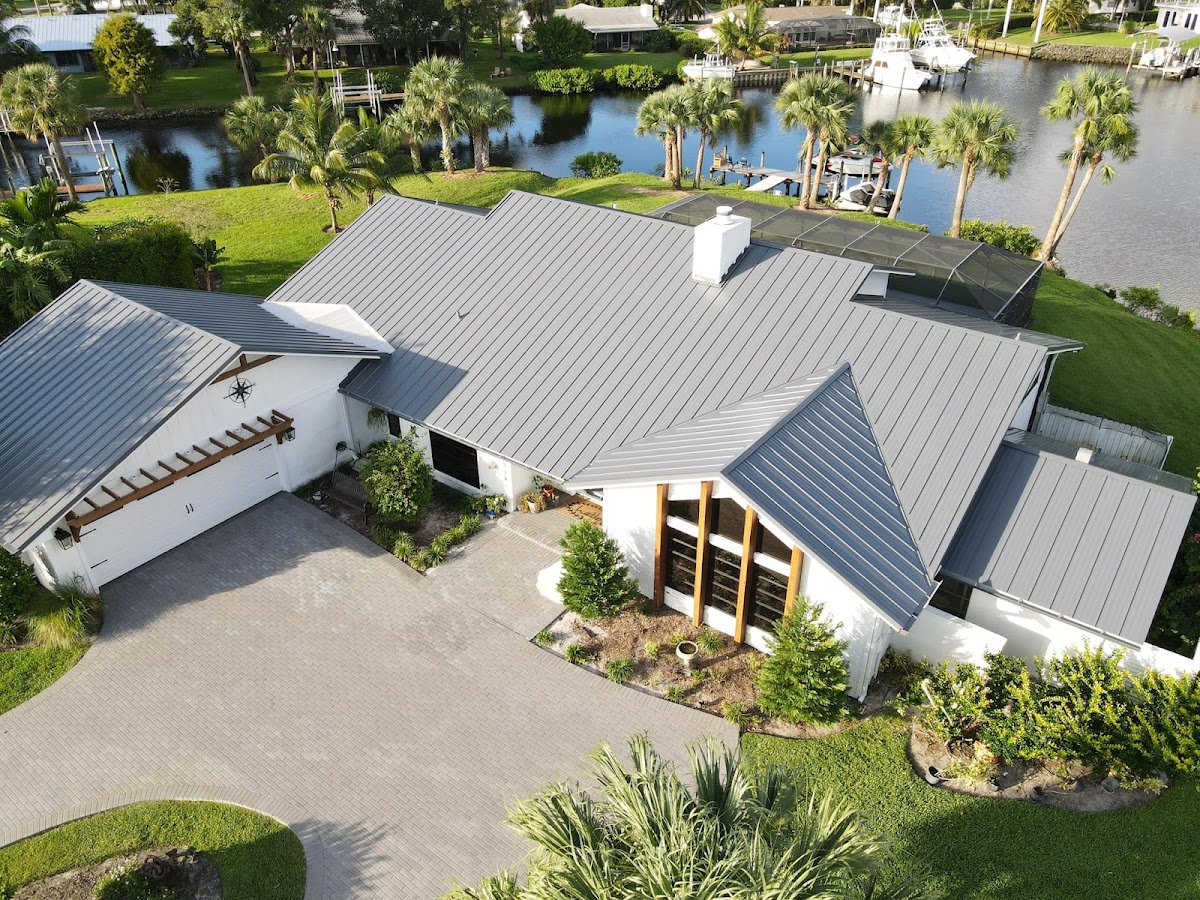
When considering Alliance Roofing for your next home improvement project, homeowners should prioritize analyzing verified project history, licensing credentials, and manufacturer certifications. Alliance Roofing typically operates as a regional contracting entity, necessitating a local-level investigation into their specific service area’s Better Business Bureau (BBB) ratings, building permit history, and direct customer feedback regarding installation quality and warranty service.
Navigating the process of hiring a roofing contractor is a high-stakes task for any homeowner. The roof is the primary defense against environmental degradation, and the quality of both the materials and the labor determines the long-term integrity of your home. When evaluating firms like Alliance Roofing, it is essential to look beyond marketing claims and focus on data-driven metrics. This guide outlines the steps for verifying a roofing contractor, understanding how to read customer reviews critically, and identifying the red flags that suggest you should look elsewhere.
Understanding the Role of Roofing Reviews
Customer reviews serve as a proxy for experience, but they must be interpreted within a specific context. When reading reviews for Alliance Roofing or any similar organization, you are effectively performing a risk assessment.
The Difference Between Subjective and Objective Feedback
Homeowner reviews generally fall into two categories: process-based and product-based. Process-based feedback concerns the professionalism of the sales staff, the punctuality of the crew, and the cleanliness of the job site. While these are critical for a stress-free experience, they do not necessarily reflect the technical proficiency of the roofer.
Objective feedback, conversely, focuses on structural outcomes: Did the roof leak after the first heavy rain? Did the contractor follow the flashing installation guidelines provided by the shingle manufacturer? When investigating Alliance Roofing, seek out reviews that mention specific technical aspects, such as proper valley installation, ridge vent ventilation, or the application of ice and water shields in cold-climate regions.
Evaluating Online Review Platforms
Not all platforms are equal. Google Business profiles often contain a high volume of reviews, which makes them statistically significant but prone to volatility. The Better Business Bureau remains a gold standard for dispute resolution; if a company has an active, unresolved complaint, that is a significantly more damning metric than a five-star rating on an unverified social media page. Always check the nature of the complaints—did the company respond? Was the issue rectified? A company that addresses errors transparently is often a safer bet than one with a "perfect" record that lacks verifiable interaction.
Verifying Contractor Credentials
Before committing to a contract, you must verify that the entity you are hiring is legally equipped to work on your home. A review is only useful if the contractor performing the work is licensed and insured in your specific jurisdiction.
Licensing and Bonding
Requirements vary wildly by state and municipality. Some regions require a general contractor’s license, while others require a specialized roofing license. Check your local building department’s website. If an online review mentions that a contractor "skipped permits" or "avoided inspectors," treat this as a definitive warning. Performing roofing work without a permit often voids manufacturer warranties and can cause significant legal and financial issues during a future home sale.
Manufacturer Certifications
Many major roofing material manufacturers, such as GAF, Owens Corning, or CertainTeed, offer tiered certification programs. These programs are not merely marketing tools; they require contractors to undergo rigorous training and adhere to specific installation standards. Look for these designations on the Alliance Roofing website or verify them directly through the manufacturer’s "Find a Contractor" tool. A contractor with a "Master" or "Elite" certification is held to a higher standard of workmanship and can typically offer extended labor and material warranties that non-certified installers cannot.
Comparative Metrics for Roofing Contractors
When reviewing Alliance Roofing against other regional providers, use the following framework to organize your decision-making process. This comparative table helps visualize the factors that impact the total cost of ownership rather than just the initial bid price.
| Metric | Importance | What to Look For |
|---|---|---|
| Workmanship Warranty | Critical | Look for 5+ years; 1–2 years is often insufficient for leak detection. |
| Permit Inclusion | Mandatory | Always confirm the bid includes pulling and closing permits. |
| Waste Removal | Operational | Is the "dumpster fee" included or hidden in fine print? |
| Material Quality | Technical | Brand names (e.g., GAF, IKO) and product lines (architectural vs. 3-tab). |
| Insurance Coverage | Financial | Verify General Liability and Workers' Compensation (critical for liability). |
Common Pitfalls and How to Avoid Them
Homeowners often make decisions based on the lowest bid, a common mistake that leads to "change order" traps. A change order occurs when a contractor realizes midway through a project that they underpriced the work or missed structural damage, forcing you to pay significantly more to complete the roof.
The Dangers of Hidden Costs
When evaluating reviews of Alliance Roofing, look for mentions of "added costs" or "unforeseen rot." A reputable contractor should perform a detailed inspection of the roof deck before providing a quote. If a contractor is unwilling to climb the ladder to inspect the decking or attic ventilation, their initial price is likely an estimate that will inflate once the shingles are removed.
Analyzing Subcontractor Use
Many roofing companies act as management firms, hiring independent crews to perform the actual installation. While this is common practice, it can dilute accountability. Ask Alliance Roofing directly if they use in-house installers or subcontractors. If they use subcontractors, ask for evidence of the crew's insurance and check if the crew has been with the company long-term. High turnover in installation crews is a primary indicator of inconsistent quality.
Reading Between the Lines of Negative Reviews
Negative reviews are often more informative than positive ones. When analyzing critical feedback for Alliance Roofing, filter for the following patterns:
- Communication breakdowns: If multiple reviewers complain about an inability to reach project managers, this is a sign of an overwhelmed administrative team.
- Post-installation leaks: If a reviewer reports a leak shortly after installation, pay attention to the resolution. Did the company arrive within 48 hours to inspect?
- Property damage: Reports of damaged siding, broken window screens, or nails left in the driveway indicate poor job-site management.
Strategic Questions for Contractor Interviews
If you are currently in the bidding process, use these questions to filter the professionalism and technical transparency of the firm:
- "Can you provide a list of three local references from the past 12 months?" (References from years ago are less relevant than recent performance).
- "How do you handle roof deck ventilation requirements, specifically for ridge vents and soffit intake?" (If they cannot explain the balance of intake and exhaust, they do not understand the science of roofing).
- "What is your protocol if you discover rot or water-damaged sheathing during the tear-off?" (They should have a clear, pre-defined price per sheet of plywood for replacement).
- "Will the site supervisor be present throughout the entire installation, or only at the beginning and end?"
Establishing a Reasonable Expectation of Service
A roof installation is an invasive process. Even with the highest-rated contractor, you should expect noise, vibrations, and some debris. A professional roofing contractor will mitigate these by placing tarps over landscaping, using magnetic sweepers to collect stray nails, and coordinating the delivery of materials to minimize disruption. If a review highlights that the "cleanup process was impeccable," it suggests the company values homeowner satisfaction beyond the basic structural requirements.
Troubleshooting Common Post-Installation Concerns
If you have already engaged Alliance Roofing and encounter issues, your immediate step is to consult your contract. Under state laws, most roofing work is subject to a warranty period. Document every interaction in writing—emails are superior to phone calls for this purpose. If you identify a leak, take dated photographs of the damage from both the interior and the exterior if safely accessible. Contact the company to initiate a warranty claim immediately rather than attempting a DIY repair, as self-repair often voids the warranty provided by both the roofer and the manufacturer.
Frequently Asked Questions (FAQ)
How can I tell if a roofing review is fake?
Look for patterns of repetitive language, a lack of specific details about the project, or a "burst" of positive reviews posted on the same day. Genuine reviews usually include specific information about the process, the materials used, and the interactions with specific staff members.
Should I prioritize a lower price or a higher-rated company?
In roofing, the "low bid" is frequently the most expensive option in the long run. Roofing failure typically manifests years later. Prioritize the company that provides a clear, transparent scope of work, carries verified insurance, and has a track record of handling warranty claims effectively.
What insurance documentation must I demand from a roofer?
You should request a Certificate of Insurance (COI) that proves both General Liability and Workers' Compensation. Do not accept a verbal claim of insurance; the document should be sent directly from their insurance carrier to your email, ensuring it is active and has not been canceled.
What should I do if my roof leaks after the installation is complete?
Contact the contractor immediately. Most reputable roofing companies have an emergency protocol for leaks. If the leak is significant, clear the area of furniture, use a container to catch water, and document the damage. Do not hire another company to fix it until you have given the original contractor a chance to remediate, as this can complicate your warranty standing.
How often should I inspect my roof after it is installed?
Even with a new roof, you should perform a visual inspection from the ground using binoculars every six months—typically after the winter and after the summer heat. Look for shingles that appear to be curling, missing granules, or any signs of debris buildup in the valleys.
Final Recommendation
When assessing Alliance Roofing, treat their promotional materials as an introduction, but treat their legal credentials and verifiable customer history as the deciding factor. Always obtain at least three written bids for any project, and ensure that each bid breaks down the materials, labor, and permit fees separately. If a company resists providing detailed, line-item pricing, consider this a signal to move to the next candidate. Your home is a significant asset; protecting it requires a diligent, evidence-based approach to selecting the contractor who will hold the responsibility for your roof’s longevity.