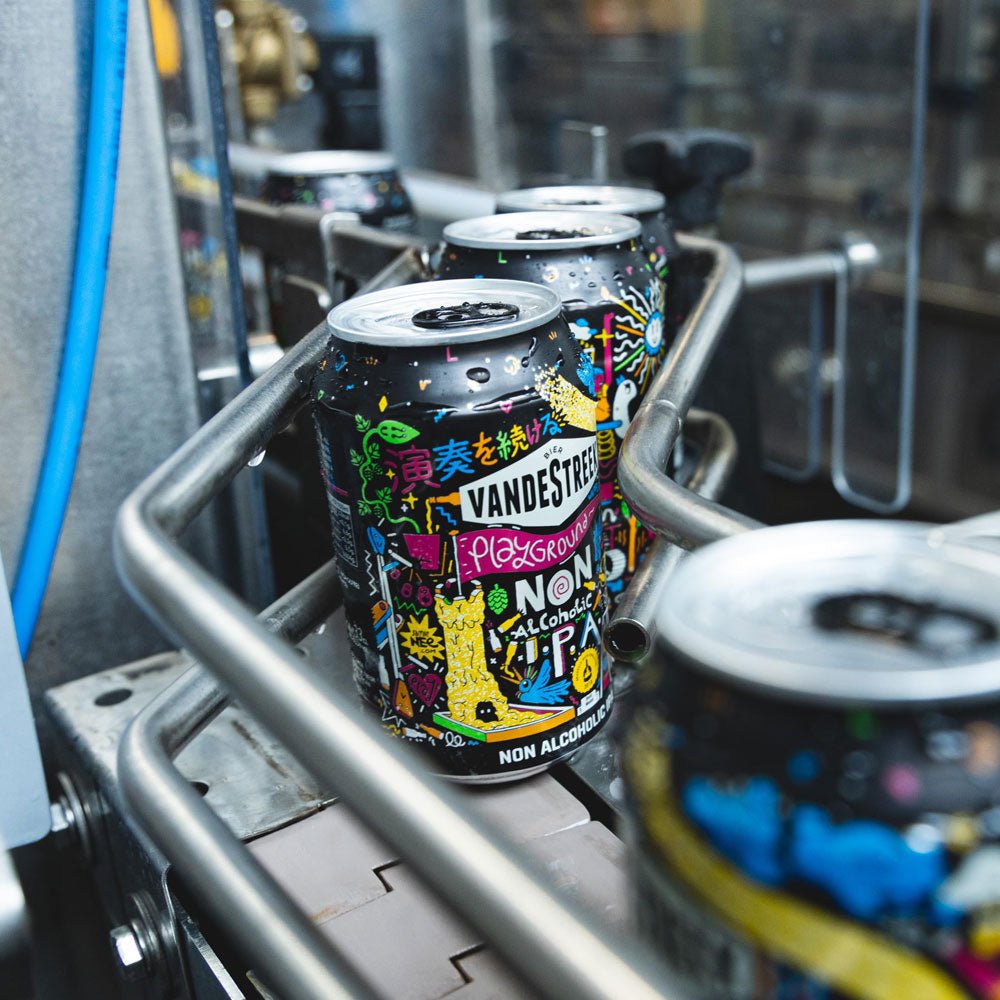
American non-alcoholic drinks represent a diverse category encompassing everything from traditional sodas and regional craft juices to the rapidly expanding market of dealcoholized spirits, adaptogenic elixirs, and functional botanical brews. As of 2026, the sector is defined by a shift toward health-conscious consumption, premiumization of alcohol-free alternatives, and a resurgence of classic regional beverages that define American cultural identity.
Understanding the American Non-Alcoholic Beverage Landscape
The landscape of non-alcoholic drinks in the United States is vast, spanning industrial giants that have dominated the market for over a century to modern craft producers operating at a micro-scale. When discussing these beverages, it is critical to distinguish between traditional soft drinks—which remain the volume leaders—and the newer wave of "sober-curious" or "adult" non-alcoholic alternatives designed to mimic the complexity of cocktails or provide functional health benefits.
Historically, the American beverage industry was built on the foundation of sodas, teas, and coffee. However, the current market is characterized by a significant transition. Consumers are increasingly scrutinizing labels for sugar content, artificial additives, and chemical preservatives. This has paved the way for "clean label" products that utilize natural sweeteners, real fruit infusions, and organic botanical extracts.
Core Categories of American Non-Alcoholic Drinks
To navigate the market effectively, it is helpful to categorize drinks based on their function, ingredients, and historical context.
1. Traditional Carbonated Soft Drinks (Sodas)
The United States remains a global leader in soda consumption. This category includes colas, root beers, ginger ales, and lemon-lime drinks. While many classic brands remain stable, there is a clear trend toward "craft soda," where producers use cane sugar instead of high-fructose corn syrup and natural extracts instead of artificial flavorings. Regional varieties, such as specific styles of birch beer common in the Northeast or Southern-style sweet tea sodas, continue to hold significant niche market share.
2. Functional and Adaptogenic Beverages
A major development in the 2020s has been the rise of functional beverages. These drinks go beyond hydration, aiming to provide a specific physical or mental effect. Adaptogens—herbs and mushrooms like ashwagandha, reishi, and lion’s mane—are now frequently infused into sparkling waters and teas. These products target stress relief, focus, or energy, positioning themselves as sophisticated alternatives to high-caffeine energy drinks or alcohol.
3. Dealcoholized Spirits and Ready-to-Drink (RTD) Mocktails
Perhaps the most notable growth in the last few years has been in the "alcohol-alternative" space. Using advanced distillation or fermentation processes, manufacturers create products that replicate the bite, mouthfeel, and complexity of spirits like gin, whiskey, or tequila without the alcohol content. These are often sold as standalone spirits for mixing or as pre-packaged RTD mocktails that offer the social experience of drinking without the ethanol.
4. Regional Classics and Cultural Staples
American beverage culture is also deeply tied to geography. Drinks such as regional lemonade variants, Arnold Palmers (a mix of iced tea and lemonade), egg creams (a New York City staple consisting of milk, carbonated water, and chocolate syrup), and various fruit shrubs reflect the intersection of culinary history and local availability.
Comparison Table: Non-Alcoholic Beverage Types
| Category | Typical Ingredients | Primary Benefit/Purpose | Market Position |
|---|---|---|---|
| Craft Soda | Cane sugar, botanical extracts | Taste, nostalgia, refreshment | Mid-tier/Accessible |
| Adaptogenic Elixirs | Mushrooms, herbs, vitamins | Stress management, focus | Premium/Functional |
| Dealcoholized Spirits | Water, botanical distillates, natural flavorings | Cocktail experience (no ABV) | Premium/Specialty |
| Sparkling Waters | Carbonated water, fruit essence | Hydration, low calorie | Mass-market/Essential |
| Shrubs/Drinking Vinegars | Vinegar, fruit, sugar | Probiotic health, acidity | Artisan/Niche |
Navigating the Rise of Functional Ingredients
As a consumer or business operator, understanding the "why" behind the shift to functional ingredients is essential. In 2026, the American consumer is increasingly aware of the link between gut health and overall well-being. This has led to the proliferation of prebiotic sodas—drinks that contain plant-based fiber, such as chicory root or agave inulin, designed to support the gut microbiome.
When selecting these drinks, verify the source of the functional ingredients. Reputable manufacturers provide clear labeling regarding the sourcing of their botanical extracts and the scientific backing for their health claims. Always consult a healthcare professional before incorporating high-potency adaptogens into your daily diet, as certain herbs can interact with medications or have contraindications for individuals with specific medical conditions.
The Technical Shift: How Alcohol is Removed
For those interested in the chemistry of non-alcoholic "spirits," it is important to understand the process. There are two primary methods for producing non-alcoholic beer and wine:
- Vacuum Distillation: This involves lowering the boiling point of alcohol by creating a vacuum, allowing the alcohol to be removed at lower temperatures. This is vital because it preserves the delicate flavor compounds (terpenes and esters) that would otherwise be destroyed by the heat of traditional distillation.
- Reverse Osmosis: This is a membrane-based process that filters the alcohol out of the beverage at the molecular level. It is highly effective but requires significant infrastructure, which is why these products often carry a higher price tag.
These technologies have enabled the creation of products that are virtually indistinguishable from their alcoholic counterparts, fulfilling the request of consumers who enjoy the ritual of a cocktail but seek to avoid the physiological effects of alcohol.
Guidelines for Responsible Consumption and Storage
While non-alcoholic drinks are generally considered safe, there are practical considerations for maintaining their quality and safety:
- Shelf Life and Preservatives: Many "clean label" drinks contain fewer preservatives than mass-market sodas. Check the expiration dates carefully and look for "keep refrigerated" labels. If a product contains live cultures or fresh fruit juice, failure to refrigerate can lead to pressure buildup in the bottle or spoilage.
- Sugar Content: Do not assume "non-alcoholic" equates to "healthy." Many products, especially craft sodas and mocktails, are high in added sugars. Always review the nutritional panel to understand the caloric impact.
- Alcohol Content Thresholds: In the United States, beverages with less than 0.5% alcohol by volume (ABV) are classified as non-alcoholic. If you have a specific reason to avoid even trace amounts of alcohol, look for products labeled "0.0% ABV," which guarantees total absence.
Common Mistakes to Avoid
- Ignoring the "Low Alcohol" trap: Be aware that some products marketed as "non-alcoholic" may still contain the legal limit of 0.5% ABV. If you are strictly abstaining, verify the label.
- Over-relying on functional drinks: While adaptogens and prebiotics can be beneficial, they are not a replacement for a balanced diet. Relying on them for medical outcomes is not recommended without a doctor’s guidance.
- Improper storage of craft items: Artisan shrubs, ferments, and non-alcoholic wines are more fragile than mass-produced sodas. Keeping them in a warm pantry can ruin the flavor profile in a matter of weeks.
Frequently Asked Questions
What does 0.0% ABV mean compared to "Non-Alcoholic"?
The term "Non-Alcoholic" in the U.S. generally allows for up to 0.5% ABV. Products labeled "0.0% ABV" are processed to ensure there is absolutely no alcohol present. If you are avoiding alcohol due to medical reasons or pregnancy, look for the 0.0% designation for total assurance.
Are pre-packaged mocktails healthier than soft drinks?
Not necessarily. While some mocktails are low-sugar and functional, many are designed to mimic the sweetness of cocktails and can be just as high in sugar as standard soda. Always compare the "Added Sugars" line on the nutritional facts label.
How do I store non-alcoholic spirits after opening?
Most premium non-alcoholic spirits should be treated similarly to high-end liqueurs. While they are shelf-stable before opening, they should be refrigerated after opening to preserve the integrity of the botanical flavors and prevent oxidation, which can alter the taste within weeks.
Can minors purchase non-alcoholic spirits and wines?
While these products contain negligible alcohol, they are often marketed toward adults and packaged to look like alcoholic beverages. Laws vary by state, but most retailers apply age-restricted purchasing policies to anything marketed as a "non-alcoholic spirit" to avoid confusion or potential misuse.
Why are these drinks more expensive than regular soda?
The cost reflects the technical complexity of de-alcoholization or the sourcing of rare botanical ingredients. The production process often involves sophisticated, proprietary technology, and the ingredients are frequently organic or fair-trade certified, which impacts the final retail price.
Next Steps for Enthusiasts
If you are looking to explore the world of American non-alcoholic beverages, start by identifying your preference for flavor profiles. If you enjoy the bitterness and complexity of classic cocktails, seek out distilled non-alcoholic spirits. If you prefer the refreshing, sweet, and carbonated experience of traditional American soft drinks, look for "craft soda" producers who focus on natural, high-quality ingredients.
For the best experience, visit a local specialty bottle shop or a high-end grocer that maintains a dedicated non-alcoholic section. These retailers often provide curated selections that allow you to sample different categories, such as shrubs, tonics, and functional elixirs, without committing to full-sized bottles of each. By engaging with these artisanal producers, you support the continued innovation within the American beverage industry.