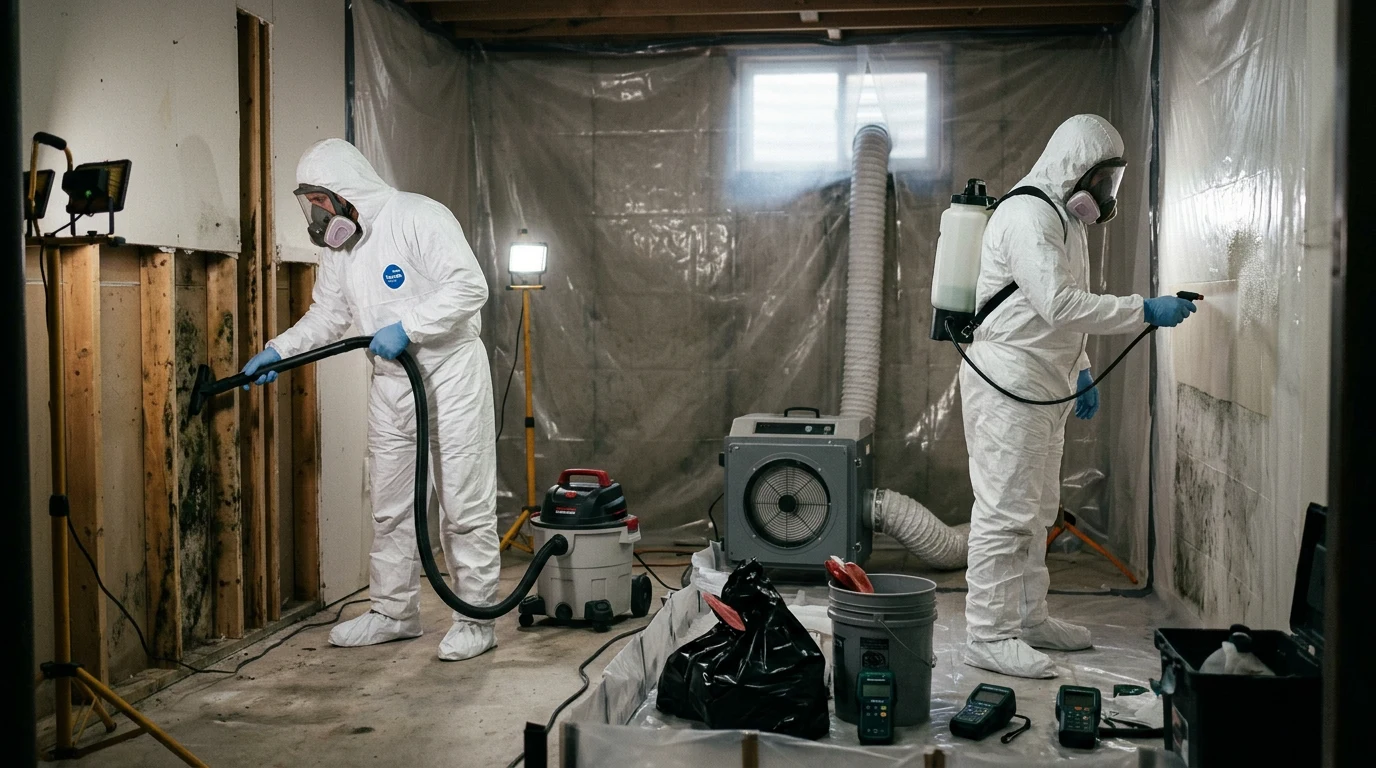
Using alcohol for mold remediation is a viable solution for treating surface growth on non-porous materials. Specifically, 70% isopropyl or ethyl alcohol effectively kills mold by denaturing proteins and dissolving lipids in cell membranes. However, its high volatility makes it ineffective for porous surfaces like drywall, where mold roots remain protected from the rapidly evaporating liquid.
The Chemistry of Alcohol as a Fungicide
To understand why alcohol is a frequent choice for mold remediation, one must look at its cellular impact on fungal structures. Mold consists of microscopic filaments called hyphae, which collectively form a mycelium. When high-concentration alcohol comes into contact with these structures, it initiates a process known as protein denaturation.
Alcohol molecules are amphiphilic, meaning they can interact with both water and fats. The cell membranes of mold spores and hyphae are largely composed of lipids (fats). Alcohol disrupts these membranes, causing the internal cellular contents to leak out and the proteins to unfold and clump together. This immediate structural failure effectively kills the active mold growth.
However, the efficacy of this process depends heavily on the type of alcohol used and its concentration. The two most common types used in remediation are isopropyl alcohol (isopropanol) and ethyl alcohol (ethanol). While both are effective, isopropyl alcohol is generally preferred in industrial and home settings due to its slightly higher efficacy against a broader range of fungal species and its lower regulatory hurdles for purchase.
The 70% Paradox: Why Higher Concentration Isn't Always Better
A common misconception in mold remediation is that 91% or 99% alcohol is superior to 70% solutions. From a technical standpoint, 70% alcohol is actually more effective for disinfection than its purer counterparts. This is due to the presence of water in the solution.
Water acts as a catalyst and plays a crucial role in the denaturation of proteins. In a 99% alcohol solution, the alcohol causes the proteins on the exterior of the mold cell to coagulate almost instantly. This creates a hard, protective shell around the cell, preventing the alcohol from penetrating deeper into the organism. Consequently, the mold may enter a dormant state rather than dying.
In contrast, the water in a 70% solution slows down the evaporation rate and prevents the immediate coagulation of surface proteins. This allow the alcohol to penetrate the cell wall entirely, ensuring the internal proteins are destroyed. Furthermore, 70% alcohol stays in contact with the surface longer before evaporating, providing the necessary "dwell time" to ensure a total kill.
Surface Compatibility: Where Alcohol Works and Where It Fails
The most critical factor in successful mold remediation is the substrate—the material the mold is growing on. Mold does not just sit on top of surfaces; it grows "roots" (hyphae) into the material to extract nutrients.
Non-Porous Surfaces
Alcohol is highly effective on non-porous materials. Because these surfaces do not allow moisture to penetrate, the mold remains entirely on the surface.
- Glass and Mirrors: Excellent for removing spores without leaving streaks.
- Metal (Stainless Steel, Aluminum): Alcohol is non-corrosive to most metals, unlike bleach.
- Hard Plastics: Effective for cleaning electronics casings or plastic bins.
- Sealed Tiles: Works well on the surface, though grout (which is porous) requires different treatment.
Porous and Semi-Porous Surfaces
This is where alcohol often fails as a standalone remediation agent.
- Drywall and Ceiling Tiles: These materials are essentially sponges. While alcohol will kill the mold on the surface, it evaporates too quickly to soak deep into the gypsum or cellulose where the roots reside. Once the alcohol is gone, any remaining moisture will trigger regrowth.
- Unfinished Wood: Similar to drywall, the porous nature of wood protects the fungal roots.
- Fabric and Upholstery: Alcohol can kill surface spores but may damage dyes or synthetic fibers, and it rarely reaches the inner padding of furniture.
Comparative Analysis of Remediation Agents
When choosing a remediation chemical, it is helpful to compare alcohol against other common household and professional options. The following table outlines the performance metrics for various agents as of 2026.
| Agent | Target Surface | Kills Roots? | Toxicity Level | Surface Damage Risk |
|---|---|---|---|---|
| 70% Isopropyl Alcohol | Non-Porous | No | Moderate (Fumes) | Low |
| Chlorine Bleach | Non-Porous only | No | High | High (Corrosive) |
| Distilled White Vinegar | All surfaces | Yes (Slowly) | Very Low | Low |
| Hydrogen Peroxide (3%) | Semi-Porous | Yes | Low | Moderate (Bleaching) |
| Concrobium / Mold Control | All surfaces | Yes | Low | Very Low |
Note: While bleach is commonly used, the EPA (Environmental Protection Agency) generally does not recommend its use for routine mold cleanup as it can be more hazardous than the mold itself.
Step-by-Step Guide to Using Alcohol for Mold
If you have identified surface mold on a non-porous item, follow these steps to ensure safe and effective removal.
1. Preparation and Safety
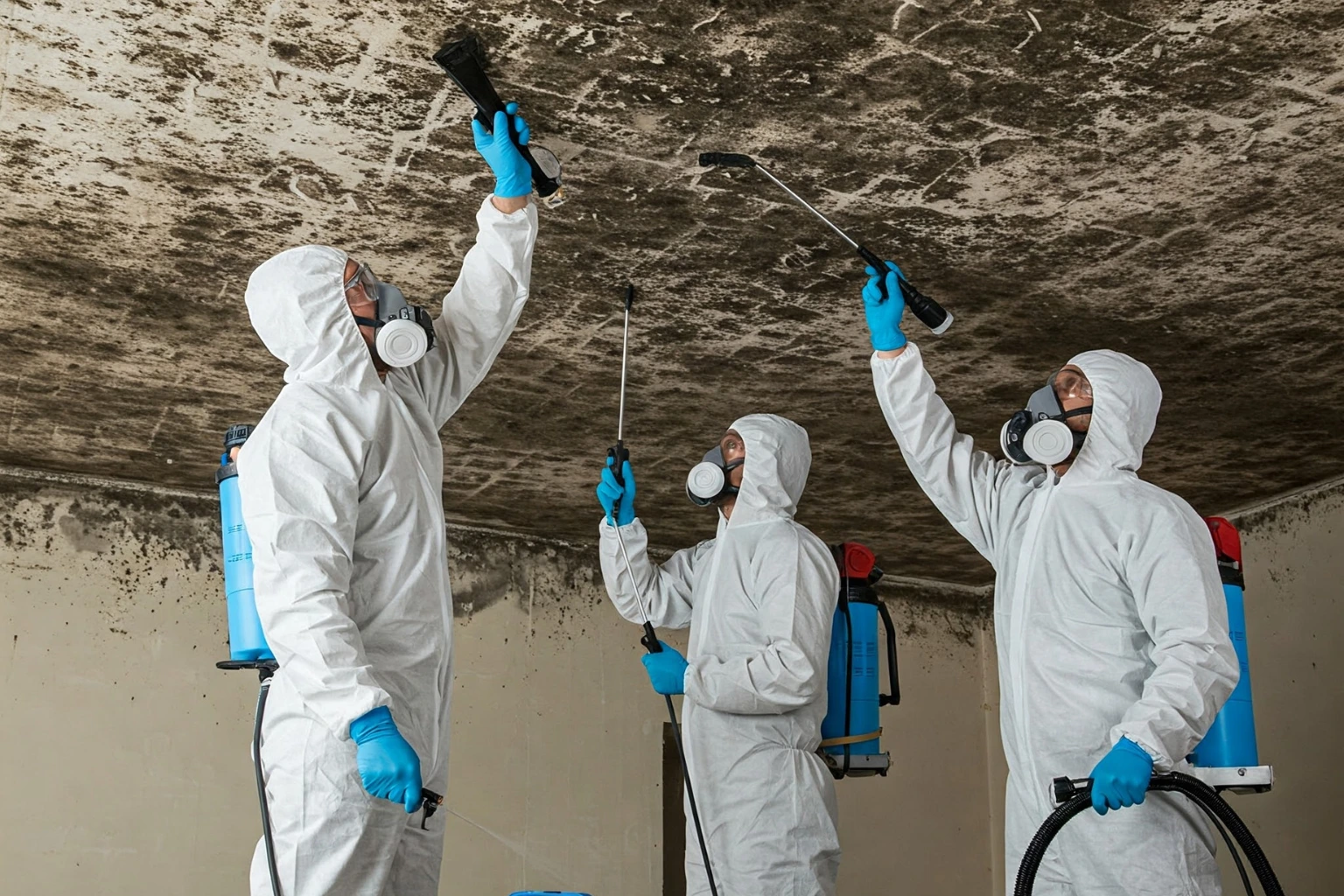
Before opening any bottles, ensure you have the correct Personal Protective Equipment (PPE). According to OSHA guidelines, even small-scale mold cleanup requires protection.
- N95 Respirator: To prevent inhalation of disturbed spores.
- Gloves: Nitrile or latex to protect skin from drying and irritation.
- Safety Goggles: To prevent splashes and protect eyes from alcohol vapors.
- Ventilation: Open windows and use fans to exhaust fumes. Alcohol is a Volatile Organic Compound (VOC) and can cause dizziness or respiratory irritation in enclosed spaces.
2. Isolate the Area
If the moldy object can be moved, take it outside to clean. If it is stationary, cover nearby items with plastic sheeting to prevent cross-contamination from airborne spores released during the cleaning process.
3. Application
Do not spray alcohol directly onto dry mold. Spraying can aerosolize the spores, spreading them throughout the room. Instead:
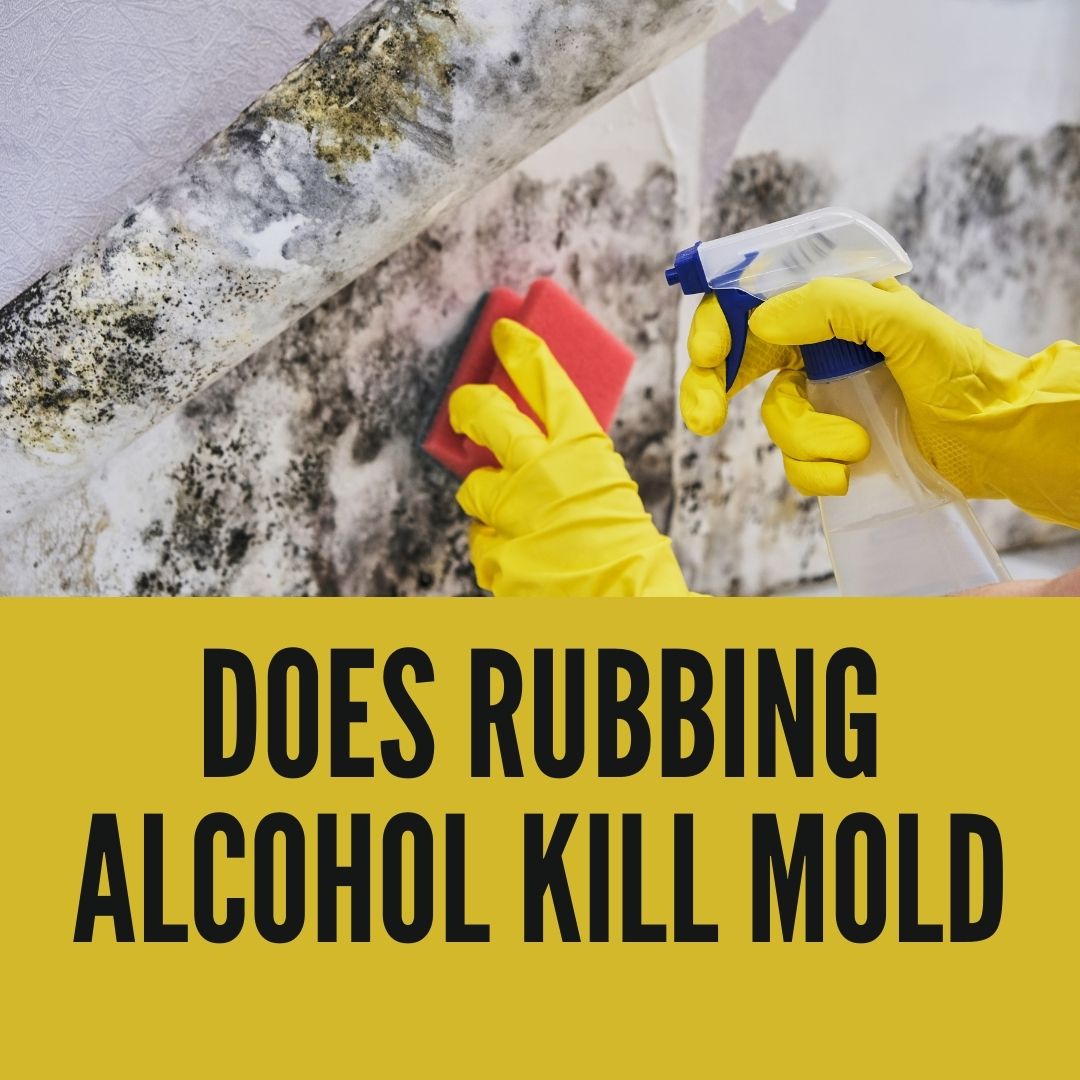
- Dampen a disposable cloth or paper towel with the 70% alcohol solution.
- Gently wipe the moldy surface, working from the outside of the colony toward the center.
- Change cleaning cloths frequently to avoid re-depositing spores.
4. Dwell Time and Drying
Apply a second layer of alcohol to the cleaned surface and let it air dry. This ensures that any microscopic spores left behind are neutralized. Because alcohol evaporates quickly, you may need to re-apply if the surface dries in less than 30 seconds.
5. Disposal
Place all used cloths, gloves, and plastic sheeting into a heavy-duty trash bag. Seal the bag tightly before moving it through the house to prevent spores from escaping.
Critical Safety Warnings and Fire Hazards
The most significant risk when using alcohol for mold remediation is its flammability. Isopropyl and ethyl alcohol have low flash points. In a domestic setting, the misuse of alcohol near ignition sources can lead to flash fires.
- Ignition Sources: Never use alcohol near pilot lights, stoves, space heaters, or while smoking.
- Vapor Accumulation: In small, unventilated areas (like a crawlspace or a small bathroom), alcohol vapors can reach explosive concentrations. Always ensure a continuous supply of fresh air.
- Chemical Mixing: Never mix alcohol with bleach. While not as famous as the bleach-ammonia reaction, mixing alcohol and chlorine bleach can produce chloroform and other toxic metabolites.
When to Avoid Alcohol and Call a Professional
Alcohol is a "spot treatment" tool. It is not designed for large-scale remediation projects. In 2026, industry standards generally dictate that if the mold growth covers more than 10 square feet (roughly a 3-foot by 3-foot patch), professional intervention is required.
Furthermore, if the mold is the result of sewage backup or "black water" flooding, alcohol is insufficient. These environments contain bacteria and pathogens that require industrial-strength biocides and specialized extraction equipment.
If you or anyone in your household suffers from severe asthma, mold allergies, or a compromised immune system, you should not attempt even small-scale remediation with alcohol. The act of cleaning, even when done carefully, increases the concentration of airborne spores and mycotoxins.
Preventing Recurrence: Beyond the Cleaning Phase
Killing the mold with alcohol is only half the battle. Mold is a symptom of a moisture problem. Unless the underlying cause of dampness is addressed, the mold will return within 24 to 48 hours, regardless of how much alcohol was used.
- Humidity Control: Maintain indoor relative humidity below 50%. In 2026, smart dehumidifiers are the standard for monitoring these levels automatically.
- Leak Repair: Inspect window seals, plumbing fixtures, and roof flashing.
- Airflow: Improve circulation in stagnant areas by moving furniture away from exterior walls and using exhaust fans in kitchens and bathrooms.
Frequently Asked Questions
Does alcohol kill mold spores?
Yes, 70% alcohol is effective at killing the reproductive spores of most common household molds, including Aspergillus and Penicillium. However, some "highly resistant" spores may require longer contact times or professional-grade fungicides. Alcohol is less effective against the spores of certain "black mold" species like Stachybotrys chartarum if they are embedded in porous materials.
Can I use vodka for mold remediation?
Most vodka is 40% alcohol (80 proof), which is below the concentration required to effectively denature mold proteins. For reliable remediation, a concentration between 60% and 80% is necessary. Using standard vodka may dampen the mold without killing it, potentially providing the moisture the colony needs to continue growing.
Is rubbing alcohol safe to use on wooden furniture?
Rubbing alcohol can be used on finished wood, but it carries risks. It can dissolve certain varnishes, lacquers, and shellacs, leading to spotting or permanent damage to the finish. Always test a small, inconspicuous area first. For unfinished or raw wood, alcohol is generally safe but will not be effective at killing the roots.
How long does it take for alcohol to kill mold?
On a non-porous surface, 70% alcohol typically kills mold within 30 to 60 seconds of contact. The "dwell time" is the duration the surface remains wet with the solution. Because alcohol evaporates quickly, you must ensure the surface stays visibly wet for at least one minute to guarantee efficacy.
Can I mix alcohol with essential oils for a better scent?
While some essential oils like tea tree or clove oil have antifungal properties, mixing them with alcohol for remediation is generally unnecessary and can sometimes reduce the alcohol's ability to penetrate the mold cell wall. If you choose to add them, do so in very small quantities and ensure the alcohol concentration remains above 60%.
Is alcohol effective against Stachybotrys (Black Mold)?
Alcohol will kill Stachybotrys on contact if the mold is on a non-porous surface. However, Stachybotrys typically grows on water-damaged cellulose materials like drywall or wood subflooring. In these cases, alcohol will not reach the deep mycelium, and the material usually needs to be removed and replaced rather than cleaned.
Practical Recommendation for 2026
For homeowners dealing with minor surface mold on items like plastic storage bins, metal racks, or glass windows, 70% isopropyl alcohol is an excellent, low-residue cleaning agent. However, always prioritize your safety by wearing an N95 mask and ensuring maximum ventilation. If you encounter mold on drywall or large areas of wood, skip the alcohol and consult a certified mold remediation specialist to address the structural integrity and moisture source of your home.