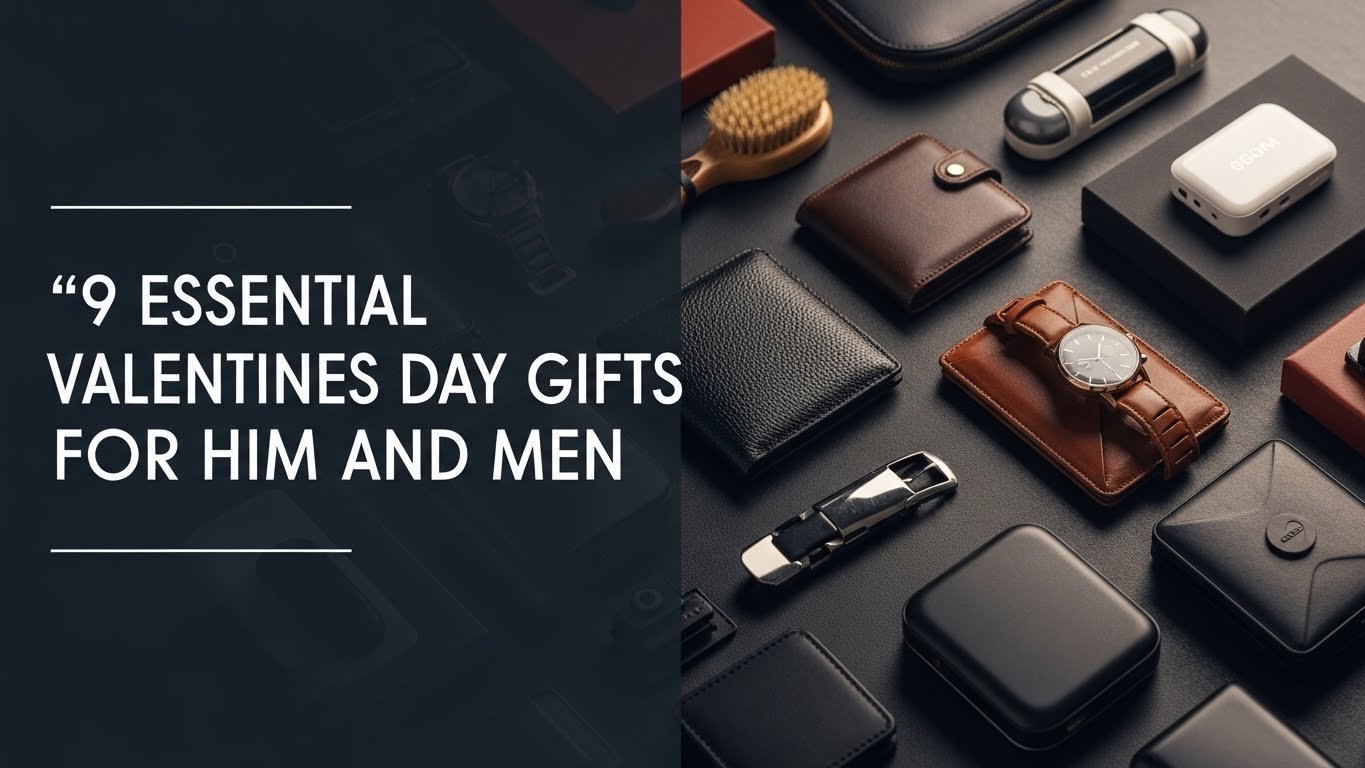
Finding a meaningful Valentine’s Day gift for him does not require a luxury budget, nor does it necessitate sacrificing quality. True value in gift-giving is derived from the alignment between an item and the recipient’s unique personality, habits, and daily needs. By prioritizing utility, personal sentiment, and longevity over high price tags, you can select affordable Valentine’s Day gifts for him that demonstrate genuine care and thoughtful consideration.
Understanding the Balance Between Price and Value
The concept of "thoughtful value" refers to the perceived worth of an item based on how well it serves or delights the recipient. An expensive gift can feel impersonal if it lacks relevance to his lifestyle, whereas a budget-friendly choice—such as a personalized accessory, a high-quality consumable he enjoys, or a tool that solves a recurring problem—often carries more weight. In 2026, the retail landscape remains saturated with "disposable" gifts; opting for items that emphasize durability or shared experiences is an effective strategy for maximizing value.
To determine if a gift qualifies as "thoughtful," consider the following criteria:
- Utility: Does it solve a problem, organize a space, or enhance a hobby?
- Permanence: Will it last, or is it an experience that leaves a lasting memory?
- Customization: Does it reflect an inside joke, a shared interest, or his specific aesthetic?
- Quality of Materials: Is it built well enough to withstand daily use?
Categories of Affordable, High-Value Gifts
When shopping on a budget, it is helpful to categorize gifts by the way they integrate into his life. This approach prevents impulse buying and ensures the gift remains functional rather than decorative clutter.
1. Functional Everyday Carry (EDC)
Men often value items they interact with multiple times a day. Upgrading a standard, worn-out item to a slightly more premium version is a gift that provides consistent reminders of your thoughtfulness.
- Quality Leather Goods: Look for minimalist wallets or passport holders made of vegetable-tanned leather. These items age gracefully and develop a patina, making them more valuable the longer they are used.
- Tech Organization: A structured tech organizer or a high-quality braided charging cable can mitigate the daily frustration of tangled wires and misplaced accessories.
2. Hobby-Specific Upgrades
If he has a specific interest—be it coffee brewing, mechanical keyboards, fitness, or outdoor activities—avoid purchasing generic kits. Instead, identify one specific component that he uses frequently but has not upgraded. For example, a single high-quality manual coffee grinder burr or a professional-grade set of resistance bands often costs less than a full kit but offers a significantly better experience.
3. Experiential and Consumable Gifts
If he prefers minimal physical possessions, focus on "consumable" value. A subscription to a digital service he has been wanting to try, or a curated selection of artisanal goods (such as craft coffee beans, specialty hot sauces, or craft beverage ingredients), provides a premium experience at an accessible price point.
Comparison of Gift Strategies
The following table evaluates different approaches to gifting based on impact and typical cost requirements to help you decide which path aligns best with your partner's preferences.
| Strategy | Primary Benefit | Emotional Impact | Estimated Cost (2026 USD) |
|---|---|---|---|
| Personalized Utility | Daily function | High (Frequent use) | $20 – $50 |
| Hobby-Specific Accessory | Skill advancement | High (Demonstrates interest) | $30 – $60 |
| Curated Consumables | Sensory enjoyment | Medium (Momentary) | $25 – $45 |
| Shared Experience | Memory creation | Very High | Variable |
| Quality Maintenance | Longevity of assets | Medium (Practical) | $15 – $40 |
Navigating the Pitfalls of "Affordability"
A common mistake when seeking affordable gifts is falling for "giftable" sets found in seasonal aisles. These are often manufactured with lower-quality materials and are designed primarily for visual appeal rather than longevity. To ensure you are obtaining true value, prioritize brands that offer warranties, regardless of how small the item is.
Another mistake is prioritizing aesthetic "novelty" over function. While a humorous mug or a gadget with flashing lights might seem amusing in the moment, these items often lose their appeal quickly. Focus on products that are "evergreen"—items that serve a purpose regardless of the current season or trends.
Practical Steps to Selecting the Right Gift
To ensure your chosen gift lands with the intended impact, follow this systematic approach:
- Inventory His Pain Points: Observe what he complains about or struggles with during his routine. Does he struggle to keep his workspace tidy? Does he frequently lose his keys? A dedicated storage solution or an AirTag-style tracker can provide immense value.
- Verify Compatibility: Before purchasing a tech-related accessory, confirm specific models or versions. A charging dock that is incompatible with his specific phone model will be a source of stress rather than satisfaction.
- The "Use-Case" Test: Ask yourself, "Where will he put this, and how often will he touch it?" If you cannot visualize a place for the item in his home or bag, it is likely not the right gift.
- Add a Personal Note: The "thoughtful value" is often cemented by the sentiment attached to it. A handwritten note explaining why you chose the item—specifically mentioning how you noticed a need he had—elevates a standard item into a cherished gift.
Frequently Asked Questions
How can I make a low-cost gift feel more significant?
The secret to elevating a low-cost gift lies in the presentation and the narrative. Wrap the gift thoughtfully and include a card that explains the logic behind the choice. When you explain that you chose the item because you noticed he had a specific need, the gift becomes a symbol of your attentiveness, which is inherently more valuable than the object itself.
What are some examples of high-value gifts that last?
Focus on materials that hold up to wear. Examples include stainless steel or brass multi-tools, canvas-lined gear pouches, high-grade wool socks, or heavy-duty ceramic drinkware. These items are designed for daily use and maintain their structural integrity, ensuring that he remembers the gift every time he picks them up.
Is it better to give a gift card or a physical item?
If you are unsure of his preferences, a gift card to a specialized store—such as a local hardware shop, a specific outdoor retailer, or a boutique roastery—is better than a general-purpose gift card. However, a physical item shows that you invested time in researching his needs, which generally carries more emotional weight.
What if my budget is extremely tight?
If your budget is under $20, prioritize an "act of service" gift that requires an investment of your time. This could involve cleaning and organizing his vehicle, preparing a multi-course meal featuring his favorite ingredients, or creating a digital photo album or playlist that documents your shared history. These acts often have higher "value" than inexpensive retail items.
How do I avoid "clutter" gifts?
Avoid items that do not have a defined storage space or a clear function. If the gift does not have a "home" in his daily routine, it will eventually become clutter. If you are unsure, ask him if he feels he has enough of a certain item before purchasing it.
Final Recommendation: The "Upgrade" Method
If you are struggling to finalize a choice, the most effective strategy for providing thoughtful value is the "Upgrade Method." Identify one item he currently uses every single day—perhaps his wallet, his gym bag, his keychain, or his primary kitchen knife. Research the highest-rated version of that specific item within your budget. Because it replaces an existing, well-loved, or worn-out item, you are guaranteed that the gift will be used and appreciated. This demonstrates that you have paid attention to his daily life, which is the cornerstone of any truly thoughtful Valentine’s Day gesture.