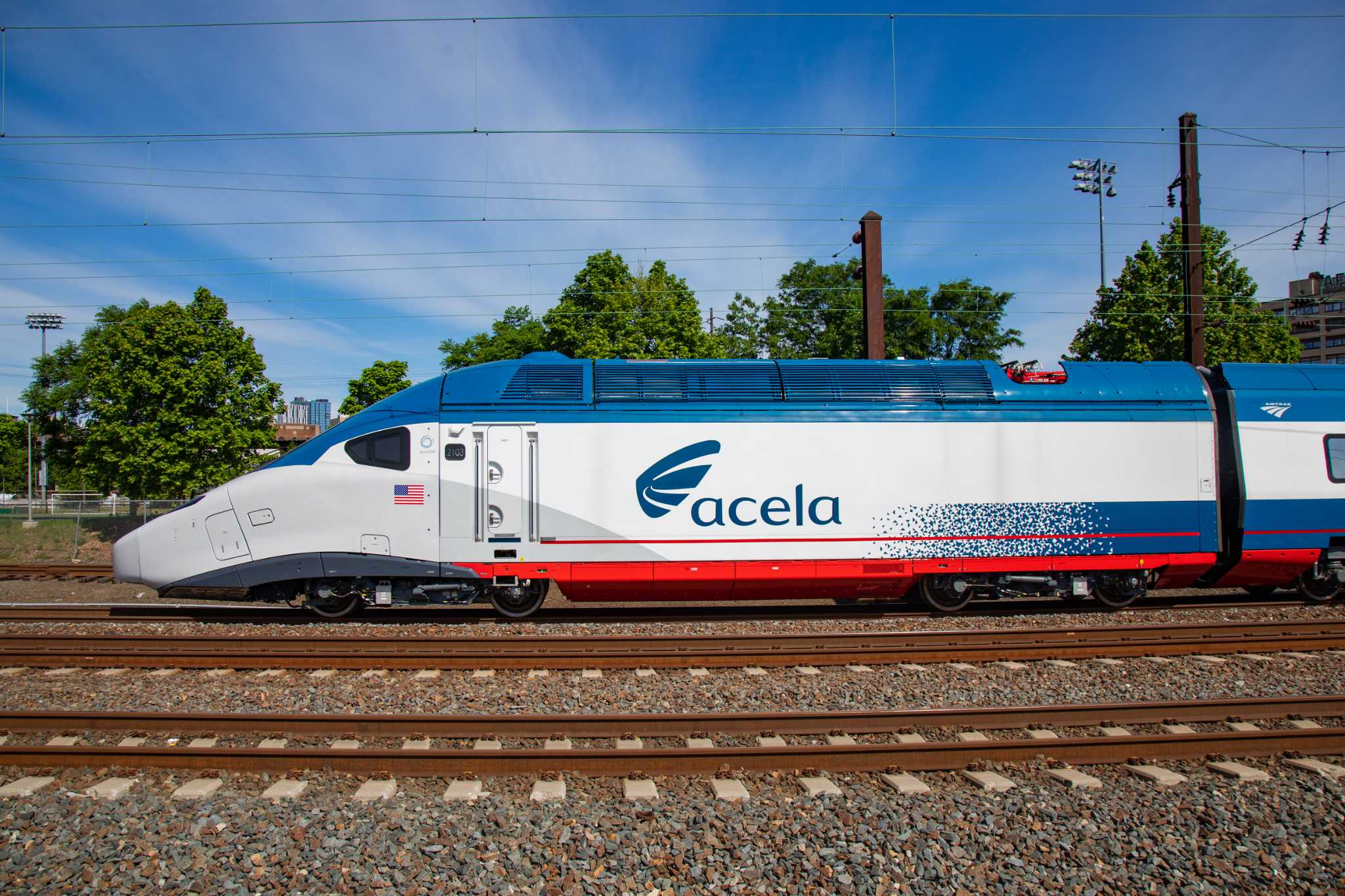
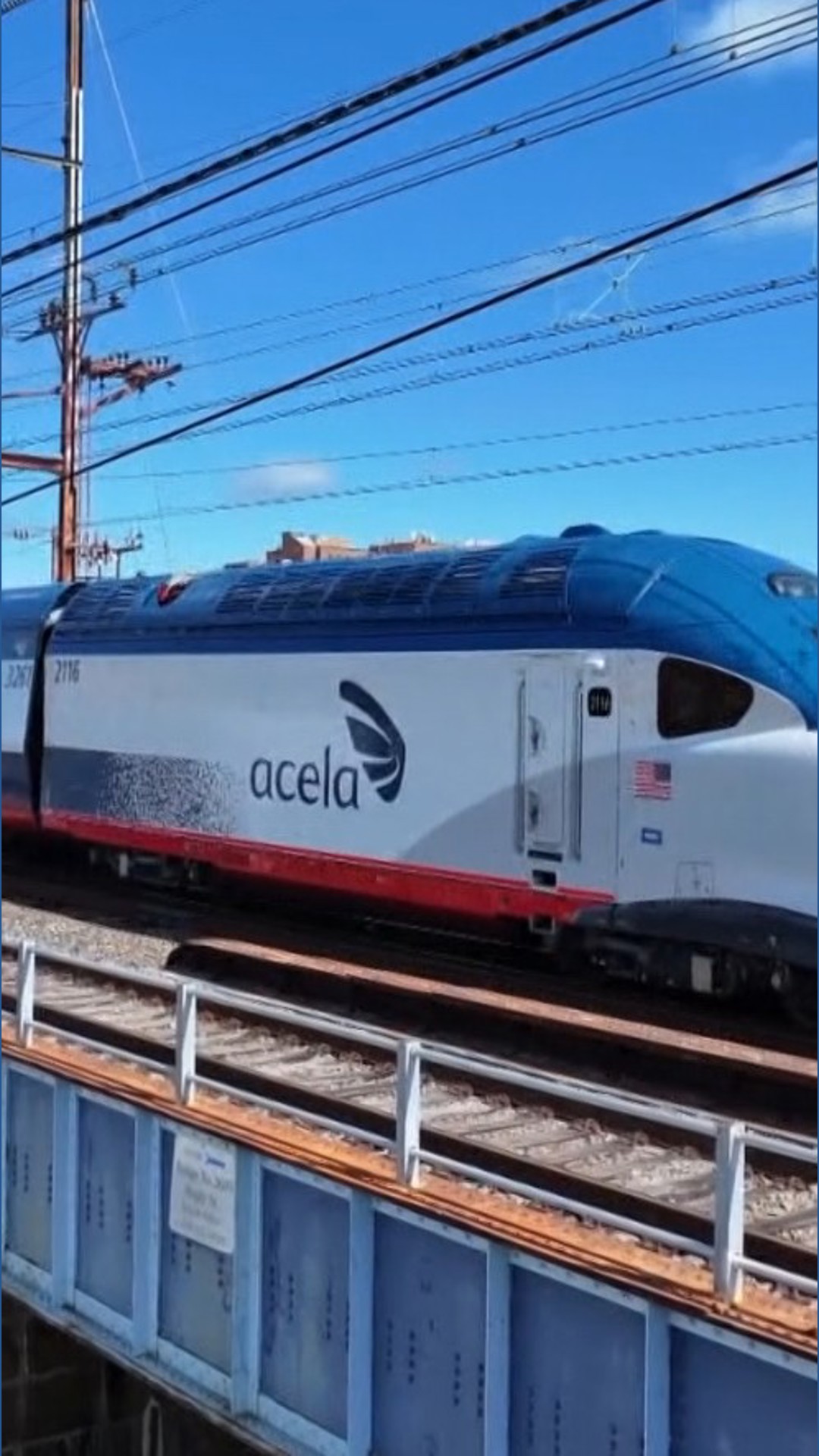
The Acela, Amtrak’s flagship high-speed rail service, provides premium passenger travel along the Northeast Corridor (NEC) between Boston, New York, and Washington, D.C. Designed for business travelers and those seeking speed, comfort, and city-center-to-city-center convenience, the Acela reaches top speeds of 150 mph on specific segments, offering a sophisticated alternative to short-haul aviation and highway congestion.
Understanding the Acela Network and Infrastructure
The Acela operates primarily on the Northeast Corridor, the most heavily utilized passenger rail line in the United States. Spanning approximately 457 miles between Boston’s South Station and Washington’s Union Station, the route is a critical artery for the American economy. Unlike the European or Japanese high-speed rail networks that operate on dedicated, grade-separated tracks, the Acela shares the NEC infrastructure with regional passenger trains, commuter rail agencies, and freight operators.
This shared environment is the defining characteristic of the Acela experience. Because the rail line dates back to the 19th century and passes through high-density urban areas, the track geometry—specifically the tight curvature of the tracks—historically limited top speeds. The introduction of the Acela in 2000 brought tilting technology to the fleet, allowing the train to lean into curves at higher speeds, thereby maintaining velocity where standard trains would be forced to decelerate.
As of 2026, the physical infrastructure of the NEC continues to undergo significant rehabilitation. Key bottlenecks, such as the aging Baltimore and Potomac Tunnel and the portal bridges into New York City, remain focus areas for capital improvement projects. Passengers should note that while the train is technologically capable of high speeds, its average speed is heavily dictated by track conditions, speed restrictions in tunnels, and the necessity of sharing the tracks with slower rail traffic.
Evolution of the Acela Fleet: From Original to Avelia Liberty
The Acela service has seen two primary generations of rolling stock. The original trainsets, which served the corridor for over two decades, were notable for their distinctive power cars and robust construction. However, by the mid-2020s, these sets were retired to make way for the next generation of high-speed rail in America.
The modern Acela fleet, powered by the Avelia Liberty trainsets, represents a leap forward in both capacity and passenger amenities. These trainsets are designed to meet stringent federal safety requirements while utilizing distributed power. Unlike the original locomotives that pulled carriages, the Avelia Liberty units distribute power throughout the trainset, which improves acceleration and braking performance—critical factors for a line with frequent stops.
Key technical improvements in the current fleet include:
- Increased Passenger Capacity: Designed to accommodate more travelers per trainset than the outgoing equipment.
- Improved Accessibility: Level boarding capabilities at stations that have been retrofitted to support them, reducing dwell times and increasing safety.
- Advanced Suspension: Enhanced ride quality to minimize vibration and noise, providing a more stable environment for working or resting.
Service Classes and Booking Considerations
Amtrak offers two primary service tiers on the Acela: Business Class and First Class. Unlike standard regional trains, the Acela does not offer a "Coach" fare, reflecting its positioning as a premium product.
Business Class
Business Class is the standard offering on the Acela. It features large, comfortable seats arranged in a 2-2 configuration. These seats are equipped with adjustable headrests, footrests, and tray tables suitable for laptop work. Passengers in Business Class have access to power outlets at their seats and onboard Wi-Fi, though users should be mindful that cellular and data connectivity can be intermittent in certain areas, particularly when traveling through rural segments or tunnels.
First Class
First Class provides an elevated experience, including wider seats in a 1-2 configuration, providing more personal space. The primary differentiator for First Class is the level of service and hospitality. Passengers receive complimentary at-seat meal service, which is curated to reflect regional tastes along the Northeast Corridor. Furthermore, First Class passengers have access to Amtrak’s Metropolitan Lounges at select major stations, providing a quiet space to wait for departures with amenities such as refreshments, business facilities, and priority boarding.
Cost Structure and Revenue Management
The Acela utilizes a dynamic pricing model, similar to the airline industry. Fares are not fixed and fluctuate significantly based on demand, lead time of booking, and the time of day.
- Advance Booking: Prices are generally lowest when booked weeks or months in advance. As the departure date approaches, the supply of lower-fare seats diminishes, and prices increase sharply.
- Peak Travel Times: Commuter-heavy hours—typically weekday mornings and late afternoons—command higher prices. Similarly, holiday periods and major event weekends see surge pricing.
- Flexibility: While discounted tickets often carry restrictions on changes or cancellations, higher-priced "Flexible" fares allow for modifications, which can be essential for business travelers with unpredictable schedules.
To manage costs, frequent travelers often leverage the Amtrak Guest Rewards program. By accumulating points on Acela travel, members can offset the cost of future trips. In 2026, the valuation of these points remains tied to the underlying ticket price, making them a viable method for managing the high baseline cost of Acela travel.
Comparing the Acela to Alternatives
When deciding whether to take the Acela, passengers must weigh the service against three primary competitors: regional rail, air travel, and private automobiles.
Comparison Table: Acela vs. Alternative Modes
| Factor | Acela High Speed | Regional Rail | Short-Haul Air | Personal Auto |
|---|---|---|---|---|
| Travel Time | Fast (City-to-City) | Slower | Varies (inc. Security) | Unpredictable |
| Productivity | High | Moderate | Low | None |
| Cost | Premium | Economical | Highly Variable | Parking/Fuel/Tolls |
| Center-to-Center | Yes | Yes | No (requires transfer) | Yes |
| Predictability | High | Moderate | Low (Weather/ATC) | Low (Traffic) |
The Acela's primary advantage is the "center-to-center" benefit. Because Amtrak stations are located in the hearts of cities like New York (Moynihan Train Hall) and Boston (South Station), passengers avoid the time-consuming transit to and from airports. When accounting for the two-hour window often required for security and boarding at an airport, the Acela often proves faster for total trip duration.
Operational Limitations and Troubleshooting
Despite its status as a premium service, the Acela is subject to the realities of American rail infrastructure. Passengers should be prepared for potential operational challenges.
Delays and Infrastructure
The NEC is a complex system. Maintenance-of-way (track repairs), signal failures, and power issues are rare but impactful events. Because the Acela runs on the same tracks as slower trains, a delay at one point in the system can ripple across the entire corridor. Amtrak generally provides real-time tracking through its website and mobile application, which should be the primary source of information during a delay.
Connectivity Issues
While onboard Wi-Fi is standard, it relies on cellular networks along the route. In deep cuts, tunnels, or remote stretches, the signal may drop. For travelers who require constant internet access for high-bandwidth tasks, it is advisable to have an offline backup of critical documents or to use a personal cellular hotspot as a failover.
Station Transfers
When traveling through New York Penn Station or Moynihan Train Hall, navigation can be difficult for the uninitiated. First-time travelers are advised to arrive at least 20 minutes before departure to navigate the station environment. Most stations utilize electronic gate systems where passengers scan a QR code from their ticket to board, so keeping your ticket digitally accessible or printed is a prerequisite for a smooth boarding experience.
Frequently Asked Questions
Is the Acela really "high-speed"?
By global standards, the Acela is classified as "higher-speed" rail. While it reaches 150 mph on short, optimized stretches, its average speed is significantly lower. It is the fastest rail option in North America, but it does not compete with the 200+ mph speeds seen on dedicated high-speed lines in Europe or Asia.
Can I work effectively on the Acela?
Yes. The Acela is designed specifically for business productivity. The seats feature ample workspace, power outlets, and a relatively quiet environment compared to other modes of transport. However, it is always wise to bring noise-canceling headphones to mitigate the ambient sound of the train.
How far in advance should I book my ticket?
For the best rates, book at least 14 to 21 days in advance. Last-minute tickets on the Acela are frequently priced at a premium, often rivaling or exceeding the cost of a last-minute flight, especially for business-heavy routes like New York to Washington.
What happens if I miss my train?
If you hold a flexible fare, you may be able to exchange your ticket for a later departure without a penalty, depending on current seat availability. If you hold a restricted, non-refundable ticket, you may be required to pay the fare difference, or in some cases, forfeit the ticket value. Always review the fare rules at the time of purchase.
Are there luggage restrictions?
Amtrak’s luggage policy is generous compared to airlines. You are generally allowed two personal items and two carry-on bags. Because there is no formal checked-baggage service on most Acela trainsets, ensure that your belongings fit within the overhead racks or the luggage storage areas at the end of each car.
Next Steps for the Acela Traveler
To ensure a seamless journey, start by creating an account on the official Amtrak website. This allows you to store your passenger information and payment preferences, significantly speeding up the checkout process for future trips. Prior to your travel date, download the Amtrak app to receive live updates regarding track conditions, platform assignments, and any potential service disruptions.
For those looking to optimize their travel budget, compare mid-week travel dates and off-peak departure times (typically mid-morning or mid-day) against peak morning and evening commute windows. By combining early booking with flexible fare types, you can balance the need for speed and convenience with the practical realities of travel costs on the Northeast Corridor.