Choosing the right computer in 2026 requires balancing raw processing power with specialized AI-acceleration capabilities. The best desktop to buy depends entirely on your workflow: the Apple iMac (M4/M5) leads for all-in-one simplicity, the Dell XPS Desktop remains the gold standard for Windows versatility, and the Alienware Aurora R17 dominates the high-end gaming sector with advanced thermal management.
The desktop market in 2026 has shifted significantly toward "AI PCs," where the inclusion of a dedicated Neural Processing Unit (NPU) is as vital as the CPU or GPU. Whether you are a creative professional rendering 8K video, a student managing hybrid coursework, or a gamer seeking path-traced realism, the hardware landscape offers more specialized solutions than ever before. This guide analyzes the seven premier options across every major category to help you make an informed investment.
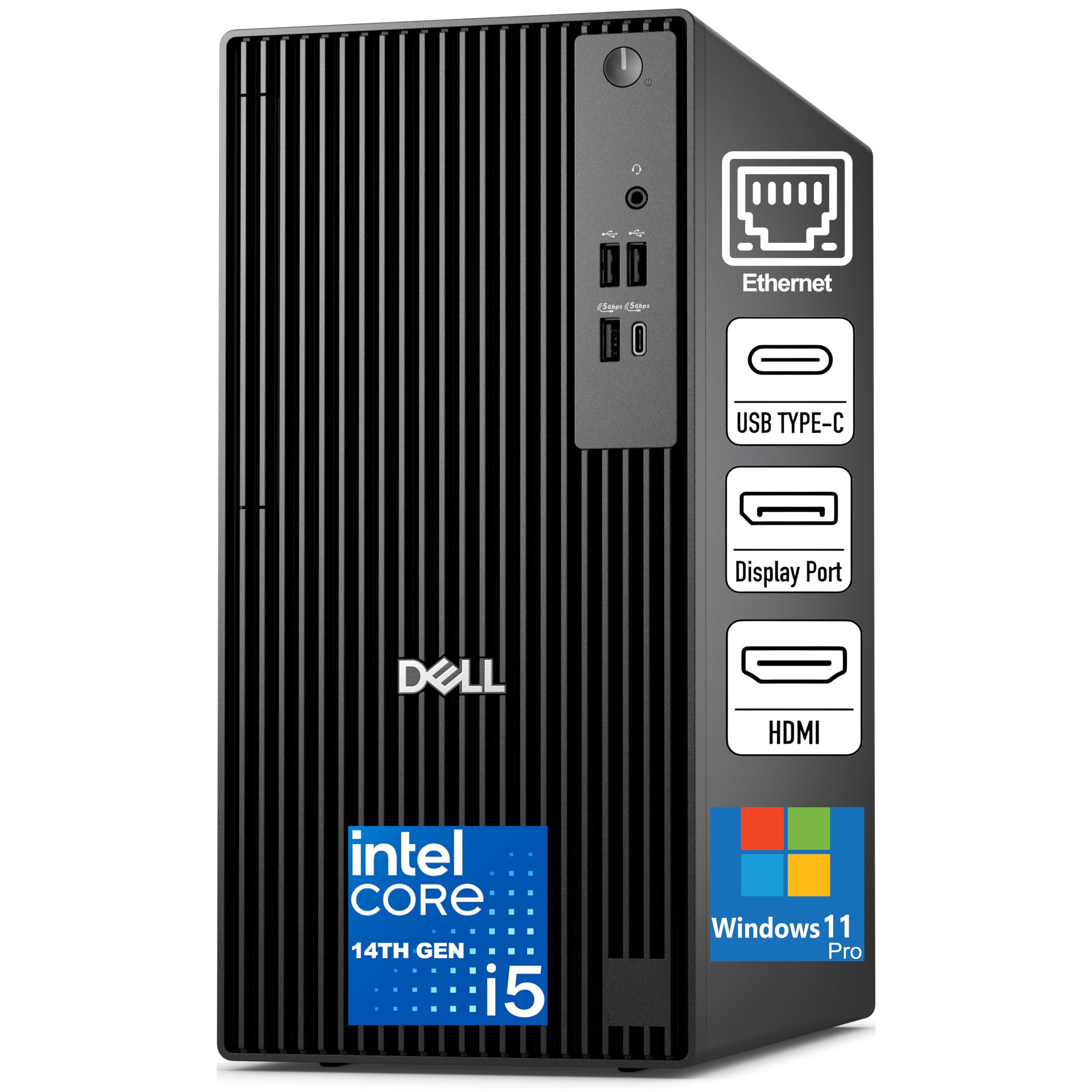
1. Best Overall Windows Desktop: Dell XPS Desktop (8970 Series)
The Dell XPS Desktop continues to be the most reliable recommendation for the average user who needs a machine that can do everything well. In 2026, the 8970 series emphasizes a "sleeper" aesthetic—a minimalist chassis that hides immense power. It bridges the gap between a standard home office computer and a high-performance workstation without the aggressive styling of a gaming rig.
Technically, the XPS Desktop excels due to its modularity. Unlike many modern pre-built systems that use proprietary parts, Dell utilizes standard ATX-style layouts for several components, allowing for easier RAM and storage upgrades down the line. The 2026 model typically ships with 16th or 17th Gen Intel Core processors, which feature improved efficiency cores to keep the system silent during light tasks like web browsing or document editing.
For those engaging in light content creation or moderate gaming, the XPS can be configured with mid-range NVIDIA RTX 50-series GPUs. This makes it a formidable tool for photo editing in Adobe Lightroom or managing large data sets in Excel. The thermal design has been refined to include larger, slower-spinning fans, ensuring that even under heavy load, the acoustic profile remains unobtrusive in a quiet home office environment.
2. Best All-in-One (AiO): Apple iMac 24-inch (M4/M5 Chip)
For users who prioritize aesthetics, cable management, and display quality, the Apple iMac remains the undisputed leader in the All-in-One category. In 2026, the iMac powered by the M4 or M5 family of silicon provides a level of integration that Windows competitors struggle to match. The entire computer is housed within a frame thinner than most standalone monitors.
The centerpiece of the iMac is its 4.5K Retina display. With P3 wide color gamut support and 500 nits of brightness, it is an exceptional choice for visual artists and photographers who require color accuracy out of the box. The transition to Apple Silicon has allowed the iMac to remain cool and silent because the SoC (System on a Chip) architecture generates significantly less heat than traditional socketed CPUs.
The 2026 iteration features enhanced "Center Stage" camera technology, utilizing the NPU to keep the user framed during video calls, which has become a staple of remote professional life. While the iMac lacks internal upgradability, its four Thunderbolt ports allow for high-speed external storage expansion. It is the ideal "kitchen table" or "reception desk" computer where visual presentation is as important as performance.
3. Best High-End Gaming Desktop: Alienware Aurora R17
Gaming in 2026 is defined by real-time path tracing and AI-driven frame generation. The Alienware Aurora R17 is designed specifically to house the massive power requirements of the NVIDIA RTX 5090 or AMD Radeon equivalent. Alienware’s "Legend 4.0" design language isn't just for show; it focuses on an open-air internal layout that maximizes airflow through the GPU chamber.
The R17’s primary advantage is its liquid cooling integration. High-end components in 2026 push thermal limits, and the Aurora uses a 240mm or 360mm heat exchanger to keep the CPU from throttling during extended gaming sessions. This ensures consistent 1% low frame rates, which is critical for competitive e-sports and immersive VR experiences.
Beyond performance, the Aurora R17 offers the Alienware Command Center software, which has been optimized for the 2026 Windows environment. It allows users to create per-game performance profiles, adjusting overclocking settings and RGB lighting automatically. While it carries a price premium, the ease of use and the robust warranty support make it the premier choice for gamers who want a "plug-and-play" powerhouse.
4. Best for Creative Professionals: Apple Mac Studio
If your "need" involves 3D rendering, complex 8K multi-stream video editing, or large-scale software development, the Mac Studio is the most efficient workstation on the market. Occupying a small footprint on the desk, the Mac Studio (equipped with M4 Ultra or M5 Max chips) outperforms traditional towers that consume three times the power.
The secret to the Mac Studio’s dominance in the creative field is its Unified Memory Architecture (UMA). By placing the memory on the chip package, the CPU and GPU can access the same data pool with incredibly low latency. In 2026, configurations with up to 192GB of unified memory allow users to load massive 3D scenes or high-resolution textures that would choke a standard desktop with separate VRAM.
Connectivity is another pillar of the Mac Studio’s design. With multiple Thunderbolt 5 ports, 10Gb Ethernet, and an SDXC card slot (UHS-II) on the front, it caters to the workflow of a pro photographer or videographer who needs to ingest data quickly. It is a specialized tool meant for those whose time is literally money, offering a level of stability and "quiet power" that is rare in the workstation segment.
5. Best Budget/Student Desktop: HP Pavilion Desktop
Not every user needs a liquid-cooled beast or a high-end workstation. The HP Pavilion Desktop remains the best desktop to buy for students and home users who need a reliable machine for daily tasks at an affordable price point. By 2026, the Pavilion has benefited from the "trickle-down" of high-speed NVMe storage and DDR5 RAM, making even the base models feel snappy and responsive.
The HP Pavilion is designed for longevity and ease of maintenance. It typically uses an AMD Ryzen 5 or Intel Core i5 processor, providing more than enough power for multitasking across dozens of browser tabs, streaming 4K video, and managing school projects. HP also includes a suite of security features, such as a BIOS-level protection system, which is increasingly important for students navigating various campus and public networks.
One of the often-overlooked benefits of the Pavilion is its port variety. While premium desktops often move toward USB-C exclusively, the Pavilion retains several USB-A ports and a built-in media card reader, ensuring compatibility with older printers, external drives, and peripherals without the need for expensive dongles.
6. Best Mini PC: Apple Mac mini (M4)
The Mac mini has evolved into the most versatile computer in Apple’s lineup. For users who already own a high-quality monitor, keyboard, and mouse, the Mac mini offers the most affordable entry point into the macOS ecosystem without sacrificing performance. In 2026, the M4-powered Mac mini is capable of handling tasks that previously required a much larger desktop.
The compact 7.7-inch square design makes it perfect for a variety of use cases:
- Home Theater PC: Its silent operation and 8K HDMI output make it ideal for a living room media center.
- Developer Workstation: The M-series chips are highly optimized for compiling code and running virtual machines.
- Small Business Server: Its low power draw allows it to stay on 24/7 with minimal electricity costs.
Despite its size, the Mac mini does not compromise on speed. The 2026 model features significantly faster neural engines, making it a "local AI" powerhouse for tasks like automated photo sorting, voice-to-text transcription, and AI-assisted coding. It represents the pinnacle of the "less is more" philosophy in desktop computing.
7. Best for Business and Productivity: Lenovo ThinkCentre M-Series (Tiny)
For corporate environments and dedicated home offices, the Lenovo ThinkCentre M-Series Tiny is the gold standard for reliability. These "one-liter" PCs are built to military-grade specifications (MIL-SPEC), meaning they can survive dust, vibration, and extreme temperatures that would kill a consumer-grade desktop.
Business users prioritize security and manageability. The ThinkCentre M-series includes Intel vPro technology, allowing IT departments to manage, update, and repair the machines remotely, even if the OS is unresponsive. In 2026, these units are often mounted behind monitors (creating a "modular" all-in-one) or tucked under desks to save space.
The performance is tuned for stability. Lenovo uses "T-series" processors that are optimized for lower power consumption and heat output, ensuring the machine can run for years without hardware failure. For a professional who needs a "set it and forget it" machine that will reliably boot every morning for the next five to seven years, the ThinkCentre is the logical choice.
Technical Comparison of Top 2026 Desktops
| Model | Primary Use | Processor (Typical 2026) | Base RAM | Storage |
|---|---|---|---|---|
| Dell XPS 8970 | Versatile/Home | Intel Core i7-16700K | 32GB DDR5 | 1TB Gen5 SSD |
| Apple iMac 24" | All-in-One | Apple M4/M5 | 16GB UMA | 512GB SSD |
| Alienware R17 | High-End Gaming | Intel Core i9-16900KS | 64GB DDR5 | 2TB Gen5 SSD |
| Apple Mac Studio | Professional Creative | Apple M4 Ultra | 64GB UMA | 1TB SSD |
| HP Pavilion | Budget/Student | AMD Ryzen 5 9600 | 16GB DDR5 | 512GB SSD |
| Mac mini | Compact/Value | Apple M4 | 16GB UMA | 512GB SSD |
| Lenovo ThinkCentre | Business | Intel Core i5 (vPro) | 16GB DDR5 | 512GB SSD |
Key Factors to Consider When Buying a Desktop in 2026
The Rise of the AI PC and NPU
By 2026, the most important technical specification is no longer just the clock speed (GHz). It is the TOPS (Trillions of Operations Per Second) rating of the Neural Processing Unit (NPU). Modern operating systems use the NPU for background tasks like noise cancellation, background blur in videos, local file indexing, and generative AI features. When selecting a desktop, ensure the processor includes a dedicated NPU to ensure compatibility with future software updates.
Memory Requirements (RAM)
The 8GB era is officially over. In 2026, 16GB is the absolute minimum for a smooth experience in Windows or macOS. For users who multitask heavily or use creative suites like Adobe Creative Cloud, 32GB is the new "sweet spot." Professional workstations and high-end gaming rigs should aim for 64GB to accommodate the increasingly large datasets and high-resolution textures used in modern software.
Storage: Beyond Capacity
While capacity (1TB, 2TB) is important, the interface speed matters more for system snappiness. Look for desktops that utilize PCIe Gen5 NVMe SSDs. These drives offer read speeds exceeding 10,000 MB/s, which drastically reduces boot times and eliminates loading screens in games. Avoid any system that still uses "SATA" drives as the primary boot disk.
Upgradability vs. Form Factor
Before purchasing, decide if you want a machine that grows with you. Large towers like the Dell XPS or Alienware Aurora allow you to swap out GPUs and add more storage later. Conversely, compact machines like the iMac, Mac mini, and Mac Studio are essentially "sealed" units. If you choose a non-upgradable machine, it is vital to buy the highest RAM and storage configuration you can afford today to prevent obsolescence.
Frequently Asked Questions
Is it better to buy a desktop or a laptop in 2026?
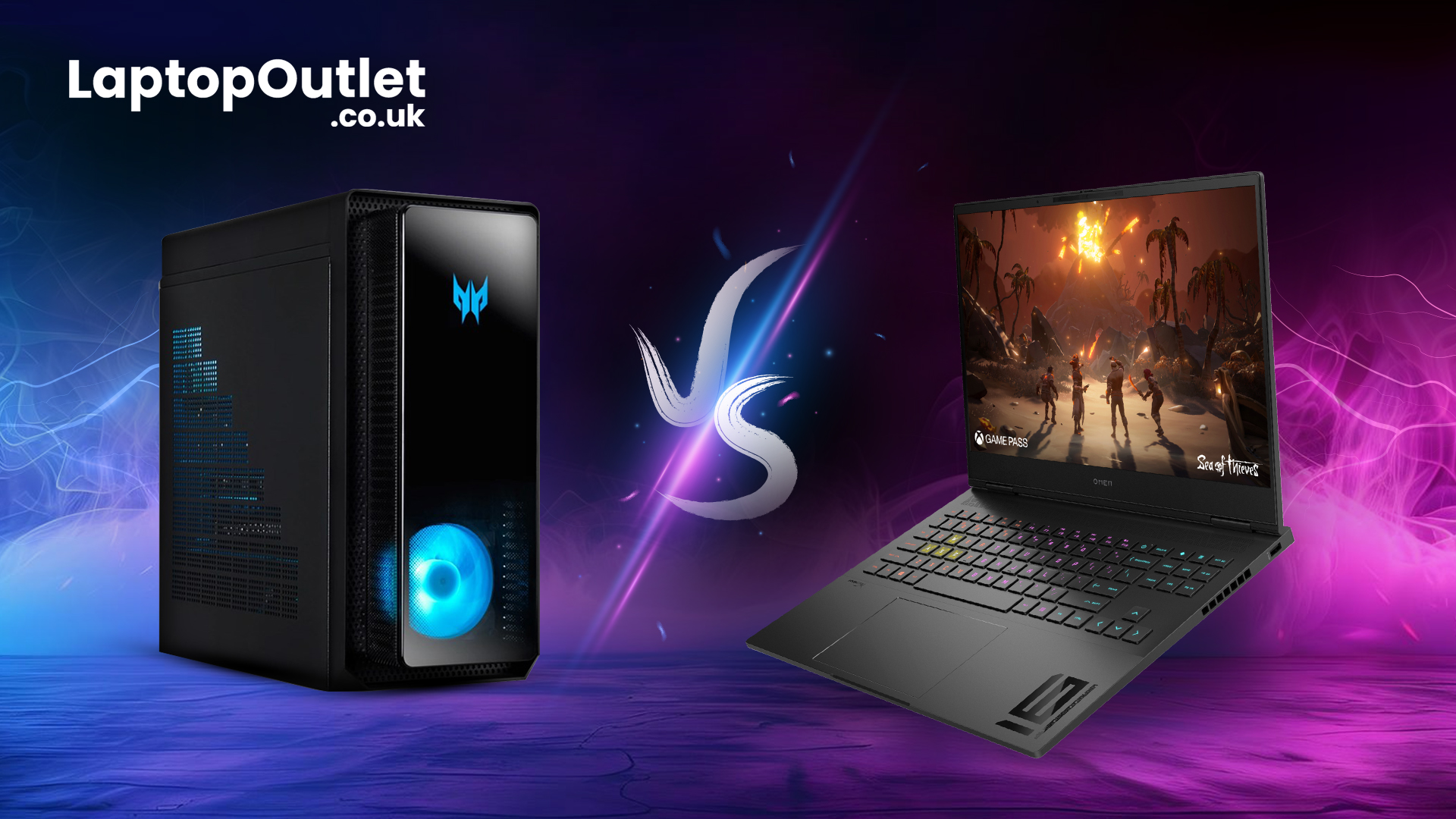
Desktops offer significantly better price-to-performance ratios and thermal management. A desktop GPU will always outperform a laptop GPU of the same name because it can draw more power and stay cooler. Choose a desktop if you have a dedicated workspace and require maximum performance for gaming, video editing, or prolonged productivity sessions.
Can I upgrade the GPU in a modern pre-built desktop?
In most Windows-based towers (like the Dell XPS or Alienware Aurora), the GPU is a standard PCIe card that can be upgraded. However, you must check the Power Supply Unit (PSU) wattage. High-end GPUs in 2026 often require 850W to 1000W power supplies. Most All-in-Ones and Mini PCs do not allow for GPU upgrades.
How long should a new desktop last?
A well-configured desktop bought in 2026 should remain highly functional for 5 to 7 years. To ensure this longevity, prioritize a modern processor with a strong NPU and at least 32GB of RAM. Systems with modular parts (towers) generally have a longer lifespan because individual failing or outdated components can be replaced.
Do I need a 4K monitor for these desktops?
While not strictly required, a 4K monitor is highly recommended for any desktop in 2026. The text clarity (pixel density) significantly reduces eye strain during long work hours. Furthermore, modern GPUs are designed for high resolutions; running a high-end desktop on an old 1080p monitor is essentially wasting the hardware's potential.
Are gaming desktops good for office work?
Yes, gaming desktops are excellent for office work because they are designed for high performance. However, they are often louder, larger, and consume more power than dedicated office PCs. If you do not plan on gaming or doing heavy video work, a gaming rig may be an unnecessary expense in terms of both initial cost and electricity usage.
Recommendation for Next Action
To find the best desktop to buy for your specific situation, first define your "must-have" feature: portability, aesthetics, or raw power. If you are unsure, the Dell XPS Desktop provides the safest middle ground for Windows users, while the Mac mini offers the best value for those entering the Apple ecosystem. Once you have selected a model, verify that the configuration includes at least 16GB of RAM and an NPU-equipped processor to ensure your investment remains relevant through the end of the decade.