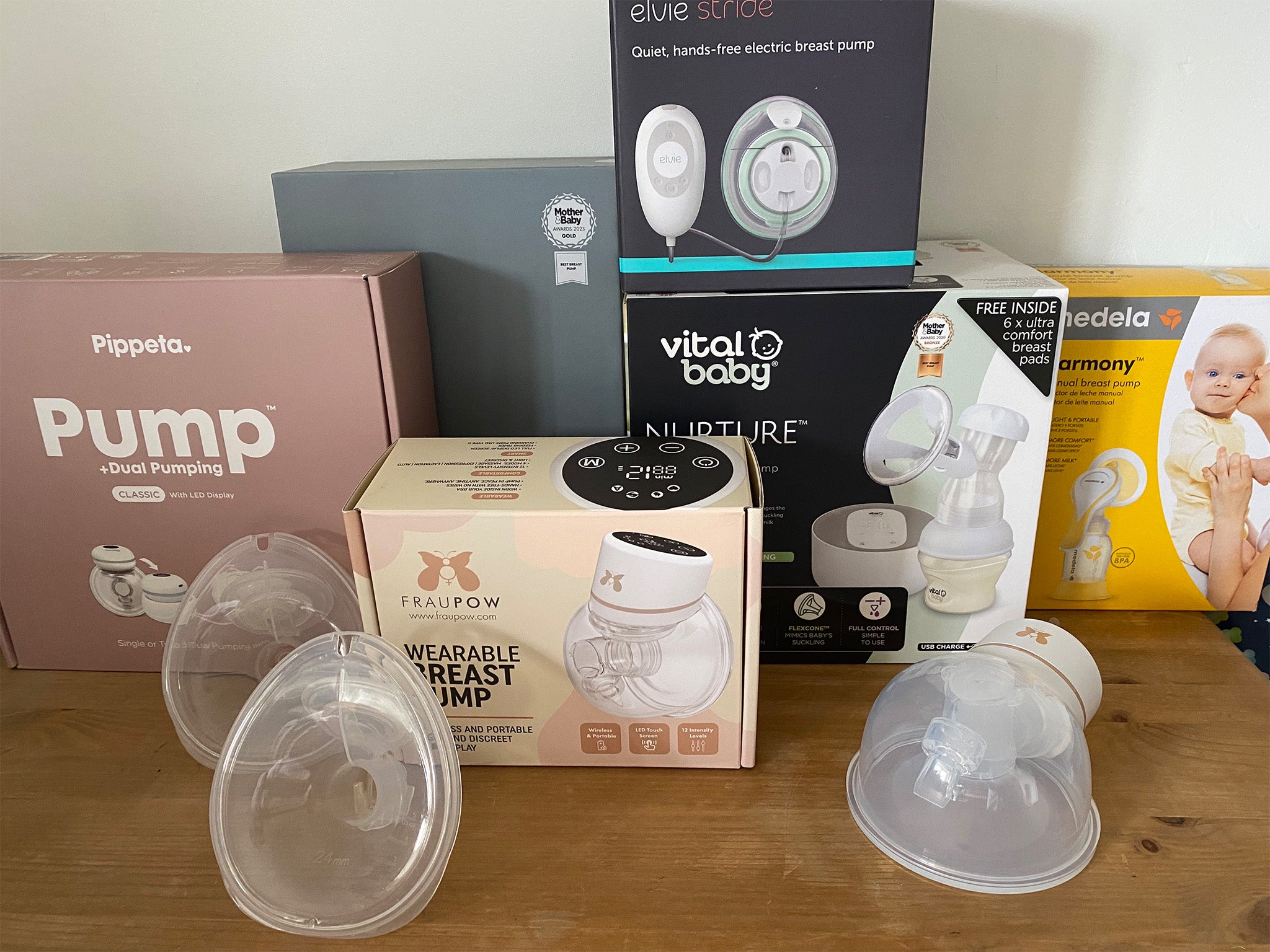
Choosing the right breast pump is one of the most significant decisions a new mother faces, impacting daily comfort, milk supply maintenance, and postpartum lifestyle flexibility. Navigating the diverse market requires evaluating distinct brand ecosystems, motor mechanisms, portability features, and insurance compliance standards to find a reliable model that matches your unique nursing and pumping goals.
Understanding Breast Pump Categories and Selection Criteria
When evaluating breast pump brands, new mothers must first understand the fundamental technical classifications: hospital-grade multi-user pumps, standard personal double-electric pumps, portable hands-free wearables, and manual pumps. Hospital-grade pumps feature powerful, closed-system motors designed for heavy-duty use and establishing supply. Personal double-electric pumps balance power and portability for daily routine use. Wearable pumps integrate the motor and collection cups into a discreet, cord-free design that fits inside a nursing bra.
Before committing to a brand, several operational factors demand careful examination:
- Suction Strength and Cycles: Adjustable vacuum levels and cycle speeds mimic baby nursing patterns and protect sensitive nipple tissue.
- Closed vs. Open Systems: Closed systems feature a physical barrier (tubing protector) that prevents milk from entering the motor tubing, ensuring hygiene and motor longevity.
- Portability and Power Source: Corded wall units offer maximum consistent power, while rechargeable lithium-ion batteries and compact wearables provide mobility.
- Noise Level: Quiet motor performance matters during nighttime sessions, work hours, or pumping on the go.
- Part Count and Cleaning Complexity: Fewer components reduce daily washing and assembly time.
Top 5 Breast Pump Brands Compared
To help you navigate the marketplace, the following sections examine five prominent breast pump brands currently available, highlighting their distinct design philosophies, flagship models, and operational tradeoffs.
1. Spectra Baby USA
Spectra has earned a fiercely loyal following among lactation consultants and new mothers due to its focus on hospital-grade performance in consumer-friendly packages. The brand specializes in closed-system electric pumps utilizing natural expression technology.
- Flagship Models: Spectra S1 Plus (rechargeable battery) and Spectra S2 Plus (plug-in).
- Key Strengths: Spectra pumps are celebrated for their exceptionally gentle, natural-feeling suction rhythm that closely mimics an infant's nursing pattern. The adjustable vacuum strength and cycle speed controls allow users to independently fine-tune settings for comfort and maximum letdown efficiency. The S1 Plus features a built-in rechargeable battery that lasts for several sessions, eliminating the need to stay tethered to a wall outlet.
- Limitations: The traditional design requires external tubing, bottles, and hanging flanges, making it less discreet for mobile pumping. The physical footprint of the motor unit is also bulkier than newer wearable alternatives.
- Best Suited For: Mothers prioritizing maximum milk output, comfort, and reliability for primary home-based pumping routines.
2. Medela
Medela stands as a legacy brand deeply rooted in clinical research and hospital partnerships. Their pumps are widely distributed through medical supply channels and hospital lactation departments worldwide.
- Flagship Models: Medela Pump In Style with MaxFlow and Medela Freestyle Hands-free.
- Key Strengths: Medela’s research-backed 2-Phase Expression technology combines short, stimulating cycles with longer expression phases to optimize milk flow. The brand’s replacement parts, replacement valves, and accessories are universally available in pharmacies and retail stores globally. The newer Freestyle Hands-free offers an ergonomic, collection-cup design that fits inside standard nursing bras.
- Limitations: Some traditional Medela models feature open or semi-closed systems that require meticulous cleaning of tubing to prevent condensation buildup, though newer generations lean toward closed systems. Replacement membranes and connectors must be swapped regularly to maintain optimal suction.
- Best Suited For: Mothers seeking time-tested clinical reliability, widespread accessory availability, and seamless insurance fulfillment through medical DME (Durable Medical Equipment) suppliers.
3. Elvie
Elvie revolutionized the postpartum landscape by introducing ultra-quiet, completely wearable smart pumps designed to fit entirely inside a standard nursing bra without external cords, tubes, or hanging collection bottles.
- Flagship Models: Elvie Pump and Elvie Stride.
- Key Strengths: True portability defines the Elvie experience, allowing users to pump while working, driving, or caring for older children without being anchored to a wall. The Elvie app tracks milk volume in real time and remembers pumping history. The whisper-quiet motor technology ensures discreet operation in professional or public environments.
- Limitations: Wearable pumps generally cannot match the raw suction power or rapid emptying capability of heavy-duty plug-in motors like the Spectra S2. They also represent a higher out-of-pocket investment for upgraded models, and precise flange sizing is critical to prevent leaks and maximize output.
- Best Suited For: Working professionals, active mothers, and anyone who requires complete freedom of movement during pumping sessions.
4. Willow
Willow is a pioneer in spill-proof mobile pumping technology, catering directly to active mothers who need reliable, leak-resistant performance across varied body positions.
- Flagship Models: Willow 3.0 and Willow Go.
- Key Strengths: Unlike many wearable pumps that leak if the user bends over or lies down, Willow pumps utilize specialized milk bags or closed-system containers that allow 360-degree mobility. The Willow 3.0 offers true mobile freedom with no dangling cords or external tubes. The Willow Go provides a slightly more streamlined, container-based alternative for everyday wear.
- Limitations: The learning curve for positioning and alignment can be steep for first-time users. Consumable costs for single-use milk bags (on compatible models) add up over time, and cleaning complex components requires patience.
- Best Suited For: Mothers who need to move, bend, and multitask aggressively without risking milk spillage.
5. Motif Medical
Motif Medical focuses heavily on insurance-covered pumps designed to deliver hospital-grade power with user-friendly interfaces tailored to modern parenting lifestyles.
- Flagship Models: Motif Luna and Motif Duo.
- Key Strengths: The Motif Luna is widely praised for its powerful yet quiet motor, offering adjustable suction levels in both massage and expression modes. It is frequently fully covered by health insurance providers under the Affordable Care Act. Its lightweight design and built-in nightlight make nighttime pumping manageable.
- Limitations: While highly functional, the Luna is still a traditional tube-and-flange pump requiring a seated posture and a stable surface or pumping bra.
- Best Suited For: Cost-conscious mothers looking to maximize insurance coverage benefits without sacrificing motor strength or reliability.
Comparative Brand Overview
| Brand Name | Primary Pump Type | Power Source | Portability Level | Standout Feature |
|---|---|---|---|---|
| Spectra Baby USA | Electric (Hospital-grade) | Rechargeable Battery or AC Adapter | Moderate (Desktop unit with handle) | Gentle, customizable suction cycles |
| Medela | Electric (Clinical heritage) | Rechargeable Battery or AC Adapter | Moderate to High (Varies by model) | Widespread retail parts availability |
| Elvie | Wearable (Smart technology) | Rechargeable Battery | High (In-bra, cord-free) | Whisper-quiet, discreet operation |
| Willow | Wearable (Spill-proof) | Rechargeable Battery | High (In-bra, 360-degree mobility) | Leak-proof movement in any position |
| Motif Medical | Electric (Insurance-focused) | Rechargeable Battery or AC Adapter | Moderate (Compact desktop unit) | Strong insurance coverage approval rates |
Factors to Consider When Selecting Your Pump
Selecting the right device goes beyond brand reputation; it requires an honest assessment of your personal lifestyle, feeding goals, and physical anatomy.
1. Insurance Coverage and DME Suppliers
Under United States federal guidelines, most health insurance plans cover the cost of a standard breast pump and replacement supplies. Contact your insurance provider or a reputable medical equipment supplier before purchasing to verify covered brands, required prescriptions from your OB-GYN or midwife, and upgrade fees if you choose a premium wearable model.
2. Exclusive Pumping vs. Occasional Nursing
If you plan to exclusively pump (feeding your baby expressed milk exclusively via bottle), prioritize a robust, high-durability motor like the Spectra S1 or Medela Pump In Style that can handle 6 to 8 daily sessions for months without losing suction. If you nurse directly at the breast and pump only occasionally for date nights or returning to work part-time, a compact wearable or lighter single/double electric pump may suffice.
3. Flange Sizing and Anatomy
No matter how powerful or expensive a pump brand is, improper flange (breast shield) sizing will cause discomfort, nipple trauma, and poor milk removal. Many brands include standard 24mm flanges in the box, but measuring your nipple diameter beforehand and purchasing the correct insert or shield size is essential for successful pumping.
Frequently Asked Questions
Can I use insurance to pay for a wearable pump like Elvie or Willow?
Many health insurance plans cover a standard baseline electric pump fully. However, premium wearable brands like Elvie or Willow are typically classified as upgrades. You can usually pay an out-of-pocket difference fee to apply your insurance benefit toward the cost of a wearable model through approved medical suppliers.
What is the difference between an open system and a closed system pump?
A closed system features a physical barrier—such as a duckbill valve and membrane or tubing protector—that prevents expressed milk from traveling up into the motor tubing. This design protects the motor from mold and bacteria growth, making closed-system pumps safer if resold or passed between users, whereas open systems carry a higher contamination risk.
How often should I replace breast pump parts?
Valves, membranes, backflow protectors, and tubing wear down over time due to frequent washing and sterilization. For primary users pumping multiple times daily, silicone valves and membranes should generally be replaced every 1 to 3 months, while hard plastic flanges and collection bottles can last 6 months or longer if inspected for cracks.
Can I use generic replacement parts with brand-name pumps?
While third-party replacement valves, tubing, and flanges are widely available online and often cost less, ensure they are compatible with your specific pump model. Using ill-fitting or poorly manufactured aftermarket parts can alter suction pressure and reduce milk output efficiency.
Practical Next Actions
To finalize your breast pump choice, start by contacting your health insurance provider to request their approved list of DME suppliers and covered pump models. Next, consult with a board-certified lactation consultant (IBCLC) or healthcare provider to discuss your anticipated feeding schedule and return-to-work timeline. Once you confirm your coverage and personal requirements, order your pump at least three to four weeks before your due date to ensure you are fully prepared when your baby arrives.