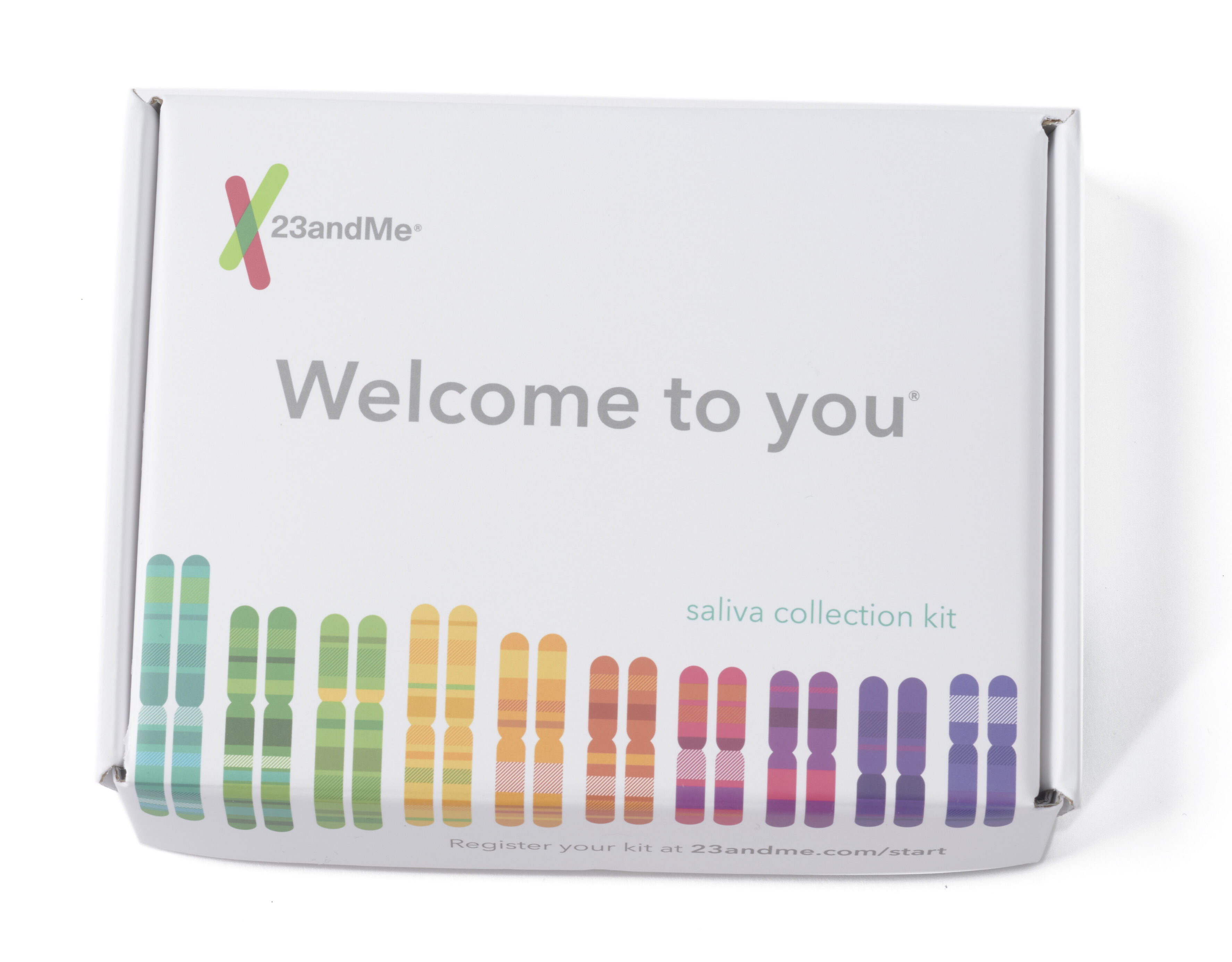
Yes, 23andMe still exists and continues to offer consumer DNA testing kits, though the company has undergone significant corporate restructuring, leadership changes, and strategic shifts following financial and data privacy challenges. Customers can still purchase ancestry and health kits online, access existing genetic reports through the customer portal, and rely on the platform for ongoing data services, albeit under a heavily scrutinized operational environment.
The Current Operational Status of 23andMe in 2026
For consumers wondering whether 23andMe is still active, the short answer is that the company remains operational, processes new DNA samples, and maintains its massive genetic database. However, the landscape surrounding direct-to-consumer (DTC) genetic testing has evolved dramatically. 23andMe weathered a turbulent period characterized by falling stock valuations, mass layoffs, and a high-profile boardroom shakeup that saw co-founder Anne Wojcicki navigate multiple buyout proposals and restructuring strategies. Despite these financial headwinds, the core service infrastructure has not vanished.
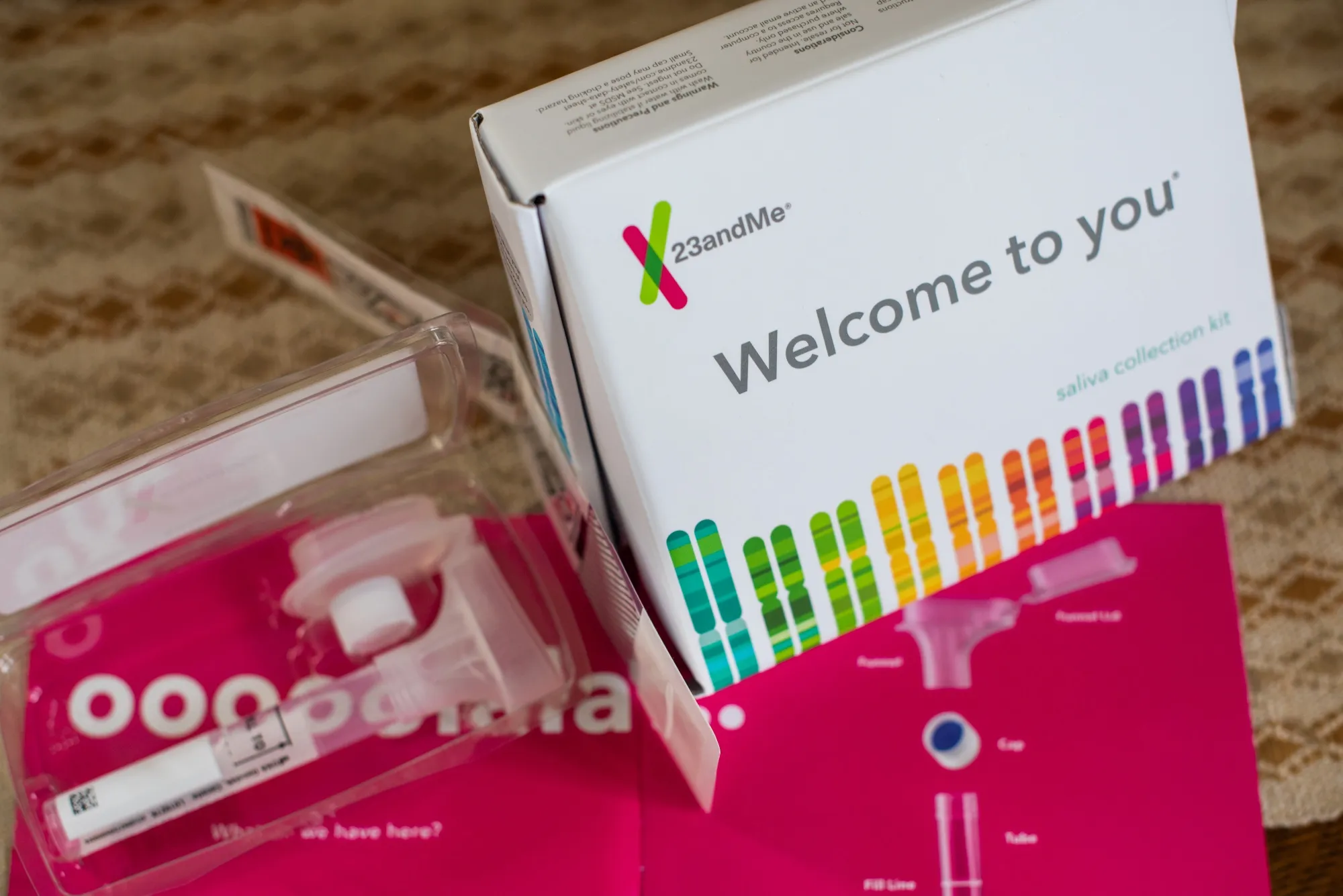
When users order a kit today, the logistics pipeline functions much as it has for over a decade: a saliva collection tube arrives in the mail, the user registers the barcode online, deposits a sample, mails it back to a certified laboratory, and awaits digital notification. The laboratory processes the DNA using microarray technology to analyze hundreds of thousands of single nucleotide polymorphisms (SNPs) across the genome. While corporate viability questions occasionally surface in financial news, regulatory compliance, CLIA (Clinical Laboratory Improvement Amendments) certifications, and CAP (College of American Pathologists) accreditations remain in place to ensure that laboratory operations meet federal standards.
Understanding the Product Lineup: Ancestry Versus Health
23andMe structures its commercial offerings primarily around two core product tiers, supplemented by higher-end membership options. Understanding what each tier provides is essential for consumers determining whether the service matches their personal research goals or health inquiry needs.
Ancestry + Traits Service
The entry-level tier focuses primarily on genealogical composition and inherited physical traits.
- Ancestry Composition: Breaks down ancestral origins across more than 2,000 geographic regions globally, utilizing reference populations to estimate ancestral percentages.
- DNA Relative Finder: Opt-in feature that connects users with genetic matches in the database, ranging from close family members to distant cousins.
- Haplogroups: Traces maternal and paternal lineages deep into ancestral history through mitochondrial DNA and Y-chromosome analysis (where applicable).
- Neanderthal Ancestry: Calculates the precise percentage of Neanderthal DNA inherited from ancient human interbreeding events.
- Trait Reports: Predicts physical and physiological characteristics—such as bitter taste perception, hair curliness, and flush response to alcohol—based on genetic markers.
Health + Ancestry Service
This comprehensive tier includes everything in the Ancestry + Traits package alongside clinical and predisposition reporting.
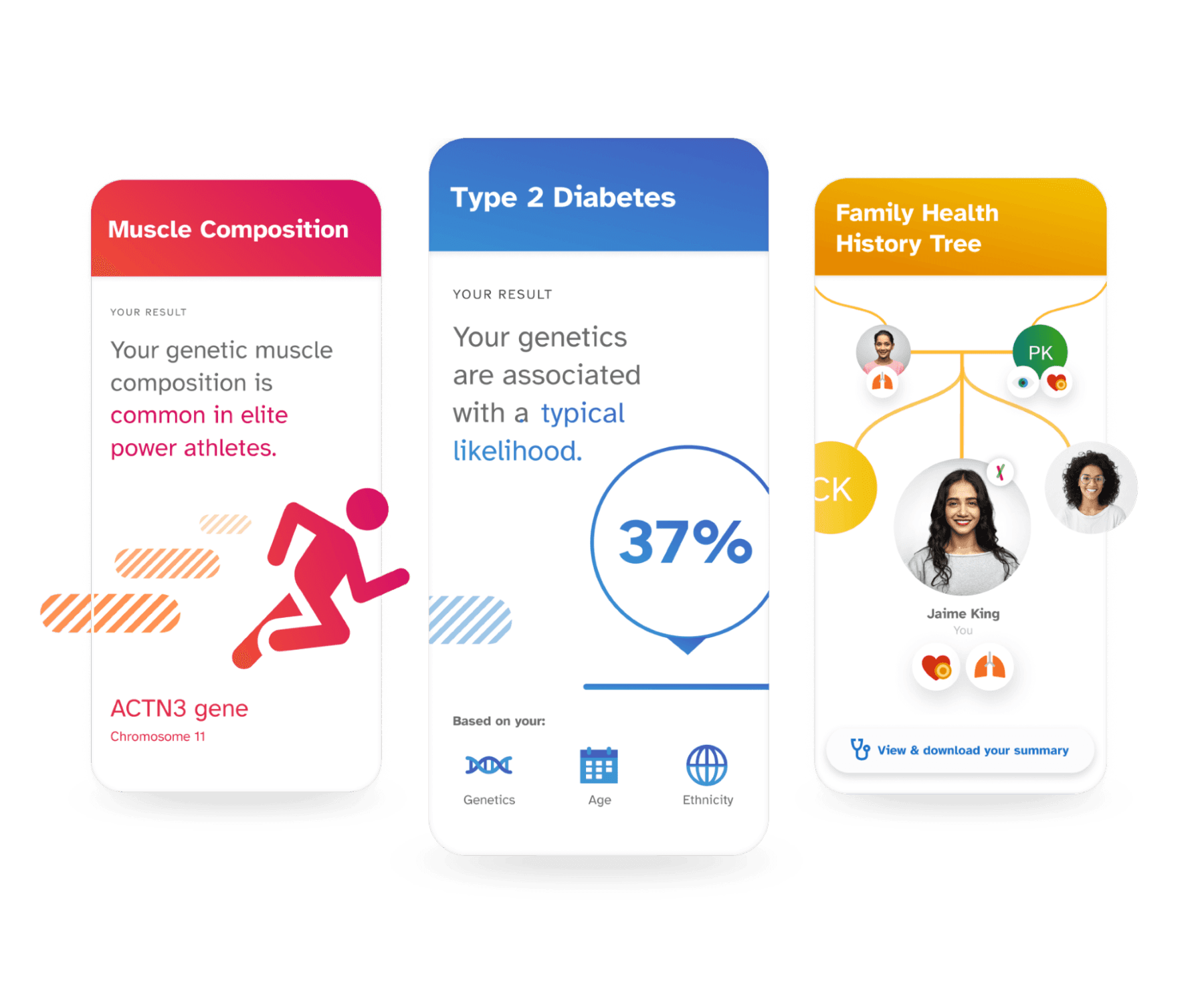
- Genetic Health Risks: Reports on whether a user carries genetic variants associated with increased risks for specific conditions, such as late-onset Alzheimer’s disease, Parkinson's disease, or hereditary thrombophilia. Note that these are risk estimates, not definitive diagnoses.
- Carrier Status: Identifies whether an individual carries recessive genetic mutations for conditions like cystic fibrosis, sickle cell anemia, or Tay-Sachs disease, which is particularly relevant for family planning.
- Wellness Reports: Evaluates genetic predispositions toward lifestyle factors such as sleep movement, deep sleep duration, lactose intolerance, and weight-related metabolism markers.
Privacy, Data Security, and Regulatory Realities
One of the most pressing concerns for prospective and existing 23andMe customers involves data privacy, particularly in light of historical data security incidents and changing corporate control. In late 2023, 23andMe suffered a credential-stuffing cyberattack that exposed profile data of roughly 6.9 million users who utilized the "DNA Relatives" feature. This incident prompted widespread public scrutiny, class-action lawsuits, and a renewed focus on how genetic data is stored, shared, and protected.
When evaluating whether to use 23andMe, consumers must weigh the convenience of genetic discovery against inherent privacy considerations. The company operates under strict privacy statements that allow users to manage their data preferences granularly:
- Research Consent: Users can choose whether or not to contribute their anonymized genetic data to third-party or internal pharmaceutical research studies. Opting out prevents data usage outside of personal report generation.
- Sample and Data Deletion: Customers retain the legal right to request the permanent destruction of their physical saliva sample and the complete deletion of their account data from 23andMe servers.
- Law Enforcement Access: 23andMe maintains a strict transparency policy regarding law enforcement requests, requiring a valid warrant or subpoena before disclosing genetic data, unlike some competitors that have permitted broader police access for forensic genealogy.
| Feature / Consideration | 23andMe Ancestry + Traits | 23andMe Health + Ancestry | Competitor Standard (e.g., AncestryDNA) |
|---|---|---|---|
| Primary Focus | Lineage and traits | Lineage, health risks, and carrier status | Genealogy and family tree building |
| FDA Authorization | Not required for ancestry-only | Yes, for specific health reports | Generally limited health reporting |
| Raw Data Download | Available | Available | Available |
| Database Size | Millions of profiles globally | Millions of profiles globally | Largest pure-play genealogy database |
| Subscription Add-ons | Optional deeper ancestry features | Optional deeper health insights | Subscription required for advanced records |
How to Order, Register, and Use the Service Today
For users ready to engage with 23andMe, the onboarding workflow remains standardized. However, navigating the platform requires attention to detail regarding kit activation, sample handling, and account management.
Step-by-Step User Journey
- Purchase and Delivery: Kits are purchased directly through the official website or verified retail partners. Upon arrival, unseal the box and ensure all components—including the collection tube and return biohazard bag—are intact.
- Online Registration: Before spitting into the tube, create a 23andMe account and enter the unique barcode printed on the side of the collection tube. Failing to register the barcode online prevents the laboratory from linking the sample to the user, resulting in discarded samples and testing delays.
- Sample Collection: Provide a saliva sample up to the designated fill line (not including bubbles). Liquid stabilizing solution is then released from the cap into the tube upon twisting and tightening.
- Mailing and Tracking: Place the secured tube into the provided biohazard bag, insert it into the prepaid return box, and mail it via the designated postal carrier. Users can track the status of their sample through their online dashboard as it moves from extraction to genotyping.
- Report Generation: Results typically become available within two to six weeks from the date the laboratory receives the sample. Users receive email notifications when individual reports are ready for review.
Common Misconceptions and Troubleshooting
Navigating direct-to-consumer genetic testing often gives rise to misunderstandings regarding what DNA tests can and cannot achieve.
Clarifying Medical Limitations
A common point of confusion is treating 23andMe health reports as diagnostic medical tests. The health risk and carrier status reports provided by 23andMe are designed for informational purposes and are cleared or approved by the U.S. Food and Drug Administration (FDA) as over-the-counter wellness tools. They do not diagnose genetic conditions, nor do they screen for all possible mutations associated with a given disease. Individuals who receive positive results for elevated genetic risks should always consult a licensed physician or a certified genetic counselor for confirmatory clinical testing and professional interpretation.
Resolving Sample Failures
Occasionally, a saliva sample fails laboratory processing due to insufficient DNA yield, bacterial contamination, or improper collection. When this occurs, 23andMe typically sends one replacement kit free of charge. To minimize the risk of a second failure, users should refrain from eating, drinking, smoking, chewing gum, or brushing teeth for at least 30 minutes prior to providing the saliva sample, and ensure they collect pure liquid saliva rather than frothy bubbles.
Practical Guidance and Next Steps
Deciding whether to use 23andMe depends entirely on your personal objectives. If your primary goal is building an expansive family tree with historical records and massive genealogical databases, alternative services like AncestryDNA may offer superior matching pools due to their extensive family tree integration. Conversely, if you are specifically interested in a blend of biogeographical ancestry, physical trait predictions, and broad health predisposition screening—and you are comfortable with the data privacy policies governing genetic repositories—23andMe remains a viable, fully functional option in the consumer genetics marketplace.
Review the privacy settings thoroughly before activating your kit, opt out of research participation if you prefer strict data isolation, and remember to download your raw data file if you wish to explore secondary analysis platforms independently.