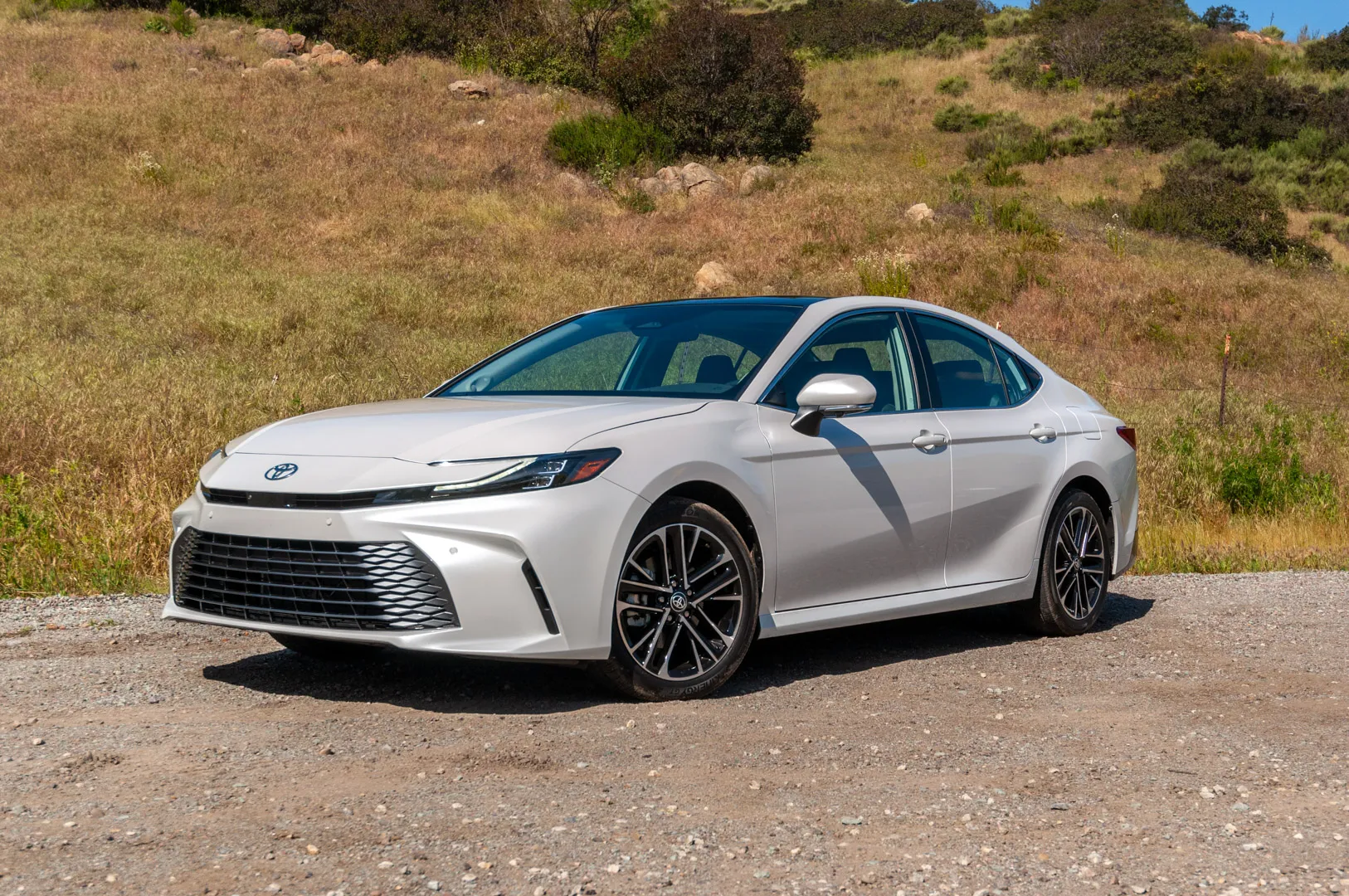
The 1998 Toyota Camry LE V6 remains a hallmark of automotive engineering, representing the XV20 generation’s peak balance of comfort and power. Featuring the 194-horsepower 1MZ-FE engine, it provides a smooth, surprisingly quick driving experience. While celebrated for its longevity, it remains the subject of ongoing debates regarding engine oil sludge and the shift toward cost-effective manufacturing.
The XV20 Legacy: Contextualizing the 1998 Model Year
In the landscape of 2026, the 1998 Toyota Camry LE V6 has transitioned from a common commuter vehicle to a respected "Youngtimer" classic. To understand its significance, one must look at its origin. The XV20 generation, which launched in late 1996 for the 1997 model year, was a pivotal moment for Toyota. Following the "bubble era" XV10 (1992–1996), which many critics argued was over-engineered and too expensive to produce, the 1998 model represented Toyota’s effort to maintain high quality while streamlining production costs.
The LE (Luxury Edition) trim was the mid-range sweet spot. It lacked the leather-clad opulence of the XLE but offered significantly more refinement than the base CE. When equipped with the V6 engine, the LE became a "sleeper"—a car that looked like a sensible family sedan but possessed the torque and smoothness to outpace many contemporary entry-level sport coupes.
Detailed Technical Specifications of the 1MZ-FE V6
The heart of the 1998 Camry LE V6 is the 1MZ-FE engine. This 3.0-liter, 24-valve, dual-overhead-cam (DOHC) V6 was a massive leap forward from the iron-block engines of the previous decade.
Engine Architecture
The 1MZ-FE utilized an aluminum block and aluminum cylinder heads, which significantly reduced front-end weight compared to iron-block competitors. This weight savings contributed to better handling and fuel efficiency. It featured a 60-degree V-angle, which is inherently balanced, leading to the "whisper-quiet" idle that became a Toyota trademark.
- Displacement: 2,995 cc (3.0 Liters)
- Bore and Stroke: 87.5 mm x 83.0 mm
- Compression Ratio: 10.5:1
- Fuel System: Multi-point fuel injection (MFI) with a Toyota Computer Control System (TCCS).
Power Output
For 1998, the V6 was rated at 194 horsepower at 5,200 RPM and 209 lb-ft of torque at 4,400 RPM. While these numbers might seem modest by 2026 standards, where turbocharged four-cylinders often exceed 250 hp, the delivery of the 1MZ-FE was unique. The torque curve was exceptionally flat, providing immediate passing power on the highway without the need for the transmission to hunt for gears aggressively.
Transmission and Drivetrain Dynamics
The 1998 LE V6 was almost exclusively paired with the A541E 4-speed automatic transmission. Unlike the 4-cylinder models that occasionally saw a 5-speed manual, the V6 was positioned as a premium, effortless cruiser.
The A541E was an electronically controlled unit that featured an "ECT" (Electronically Controlled Transmission) switch. This allowed drivers to toggle between "Normal" and "Power" modes. In Power mode, the transmission would hold gears longer and downshift more readily, sharpening the car's responsiveness. In 2026, these transmissions are still noted for their durability, provided the fluid has been changed at 30,000-mile intervals. The shift logic was sophisticated for the time, using throttle position and engine load sensors to minimize "shift shock," ensuring that transitions between gears were nearly imperceptible to passengers.
Performance Metrics: More Than a Grocery Getter
When enthusiasts discuss the 1998 Camry V6, the conversation often turns to its surprising agility. Because it weighed approximately 3,100 to 3,200 pounds—light by modern standards—the 194-hp engine could propel the sedan from 0 to 60 mph in roughly 7.7 to 8.0 seconds.
Ride and Handling
The suspension utilized independent MacPherson struts at all four corners, with stabilizer bars in the front and rear. The LE V6 was tuned specifically for "compliance." It was designed to soak up expansion joints and potholes with minimal cabin intrusion. However, this came at the cost of body roll. In sharp corners, the 1998 Camry leans significantly, though it maintains a predictable line.
Braking and Safety
The V6 LE came standard with power-assisted ventilated front discs and solid rear discs. This was an upgrade over the 4-cylinder LE, which often utilized rear drum brakes. Anti-lock Braking System (ABS) was a common option or standard depending on the specific regional package. By 1998, Toyota had also refined the dual SRS airbag system and side-impact protection, making it one of the safest vehicles in its class for that era.
The Great Engine Sludge Debate
No technical analysis of the 1998 Camry LE V6 is complete without addressing the "sludge" controversy. This remains one of the most debated topics in Toyota forums and owner circles even decades later.
What is Oil Sludge?
Oil sludge (or oil gelling) occurs when engine oil breaks down and leaves heavy deposits on the internal components of the engine. In the 1MZ-FE engine, these deposits could clog oil passages, leading to starvation and eventual engine failure.
The Debate: Design Flaw or Maintenance Neglect?
The debate generally splits into two camps. One side argues that the 1998 1MZ-FE had a design flaw: the cylinder heads had narrow oil return passages and ran exceptionally hot to meet stricter California Air Resources Board (CARB) emissions standards. The high heat effectively "cooked" the oil if it wasn't high-quality synthetic or changed very frequently.
The opposing side, often supported by Toyota’s initial stance, argued that the issue was primarily due to "short-trip" driving and extended oil change intervals. Toyota eventually settled a class-action lawsuit, offering a special policy adjustment that covered sludge-related repairs for eight years from the date of purchase.
The 2026 Perspective
For someone looking at a 1998 Camry today, the sludge issue is largely a historical footnote. If a car has survived nearly 30 years and reached 200,000 miles, it either was not prone to the issue or was maintained with the necessary 3,000-to-5,000-mile oil changes that mitigated the risk. However, the debate remains a cautionary tale for the importance of thermal management in engine design.
Interior Ergonomics and Build Quality
The 1998 LE V6 interior was a masterclass in functional simplicity. While the XV20 generation introduced more plastics than the leather-and-soft-touch XV10, the fit and finish remained industry-leading.
- Dashboard Layout: The controls were oriented toward the driver, with large, tactile buttons for the HVAC system and a simple, high-mounted radio slot.
- Seating: The LE featured "high-grade" cloth upholstery that has proven remarkably resilient to wear and UV damage. The V6 trim often included a power-adjustable driver's seat.
- Cabin Quietness: Toyota utilized extensive asphalt-sheet damping in the floor and double-seal weatherstripping. Even at 70 mph, the 1998 V6 remains quieter than many modern economy cars.
Comparison Table: 1998 Camry LE V6 vs. Contemporaries
| Feature | 1998 Camry LE V6 | 1998 Honda Accord EX V6 | 1998 Nissan Maxima SE |
|---|---|---|---|
| Engine | 3.0L 1MZ-FE V6 | 3.0L J30A1 V6 | 3.0L VQ30DE V6 |
| Horsepower | 194 hp | 200 hp | 190 hp |
| Torque | 209 lb-ft | 195 lb-ft | 205 lb-ft |
| 0-60 MPH | ~7.8 Seconds | ~8.0 Seconds | ~7.1 Seconds |
| Transmission | 4-Speed Auto (ECT) | 4-Speed Auto | 4-Speed Auto / 5-Speed Manual |
| Rear Suspension | Independent Strut | Multi-link | Multi-link Beam (Solid) |
| Curb Weight | ~3,180 lbs | ~3,250 lbs | ~3,050 lbs |
Ongoing Maintenance Concerns in 2026
If you are maintaining or purchasing a 1998 Camry LE V6 in 2026, several technical areas require attention beyond standard oil changes.
Timing Belt and Water Pump
The 1MZ-FE is a timing belt-driven engine. In the 1998 non-VVT-i version, it is generally considered a "non-interference" engine, meaning if the belt snaps, the valves will not hit the pistons. However, a failure will still leave you stranded. The service interval is 90,000 miles. It is standard practice to replace the water pump and the "Jesus bolt" (crankshaft pulley bolt) during this service.
Cooling System Integrity
The plastic radiator end tanks on the XV20 are prone to hair-line fractures after 25 years of heat cycles. A slow coolant leak can lead to overheating, which is the fastest way to kill a 1MZ-FE. Replacing the radiator with a modern aluminum-core unit is a highly recommended preventative measure.
Vacuum Lines and Sensors
As these cars age, the rubber vacuum lines become brittle. This often leads to "Check Engine" lights related to the EGR (Exhaust Gas Recirculation) system or EVAP system. Replacing these lines with silicone hoses is a common "modernization" fix for enthusiasts.
The "Boring" vs. "Timeless" Debate
Perhaps the most subjective debate surrounding the 1998 Camry is its personality. Critics in the late 90s often labeled it "an appliance on wheels"—as reliable and exciting as a refrigerator.
However, in 2026, this perspective has shifted. As modern cars become increasingly complex with touchscreens, driver-assistance nannies, and subscription-based features, the 1998 Camry LE V6 is viewed as timeless. Its appeal lies in its "invisible" excellence. It does not demand attention; it simply functions. For many, the ability to travel 500 miles in quiet comfort with a 30-year-old vehicle is more "exciting" than a modern car with a flashy interface.
FAQs
Is the 1998 Camry V6 an interference engine?
The 1998 version of the 1MZ-FE V6 (non-VVT-i) is widely classified as a non-interference engine. This means that if the timing belt breaks while the engine is running, the pistons and valves are unlikely to collide, preventing catastrophic internal damage. However, you should still follow the 90,000-mile replacement interval to avoid being stranded.
What is the real-world fuel economy for the V6?
While the EPA originally rated it around 19 mpg city and 26 mpg highway, real-world 2026 figures often hover around 21-23 mpg combined. The V6 is noticeably thirstier than the 5S-FE 4-cylinder model but offers a significant upgrade in highway merging capability and smoothness.
Can the oil sludge issue be prevented?
Yes. The sludge issue is entirely preventable by using high-quality synthetic oil and maintaining a strict change interval of no more than 5,000 miles (or 6 months). Ensuring the PCV (Positive Crankcase Ventilation) valve is clean and the cooling system is functioning correctly also helps keep internal engine temperatures within the safe range.
How does the LE V6 differ from the XLE?
The LE was the volume seller. Compared to the XLE, the LE V6 usually lacks leather seats, automatic climate control, and a power sunroof (though the sunroof was a common option on LEs). Mechanically, the LE V6 and XLE V6 are identical, sharing the same engine, transmission, and suspension tuning.
Are parts still available for the 1998 Camry in 2026?
Yes, parts availability is excellent. Because Toyota sold millions of XV20 Camrys globally, and because the 1MZ-FE engine was used in the Avalon, Sienna, and Lexus ES300, mechanical parts are widely stocked by both OEM and aftermarket suppliers. Interior trim pieces are becoming harder to find in mint condition and usually require sourcing from specialized recyclers.
Final Recommendation for Owners and Buyers
For those seeking a reliable, low-stress vehicle in 2026, the 1998 Toyota Camry LE V6 remains one of the best values in the used market. When evaluating a potential purchase, prioritize service records over low mileage. A 200,000-mile car with a documented history of timing belt changes and synthetic oil use is often a safer bet than a 60,000-mile "barn find" that may have sat with old fluids.
Focus your inspection on the underside for rust—particularly in the rear subframe—and check the valve cover gaskets for leaks, as the rear bank on the V6 is notorious for slow oil seeps that can smell when they hit the exhaust. If the car passes these checks, it is likely to provide another decade of the "boring" reliability that made Toyota a global leader.