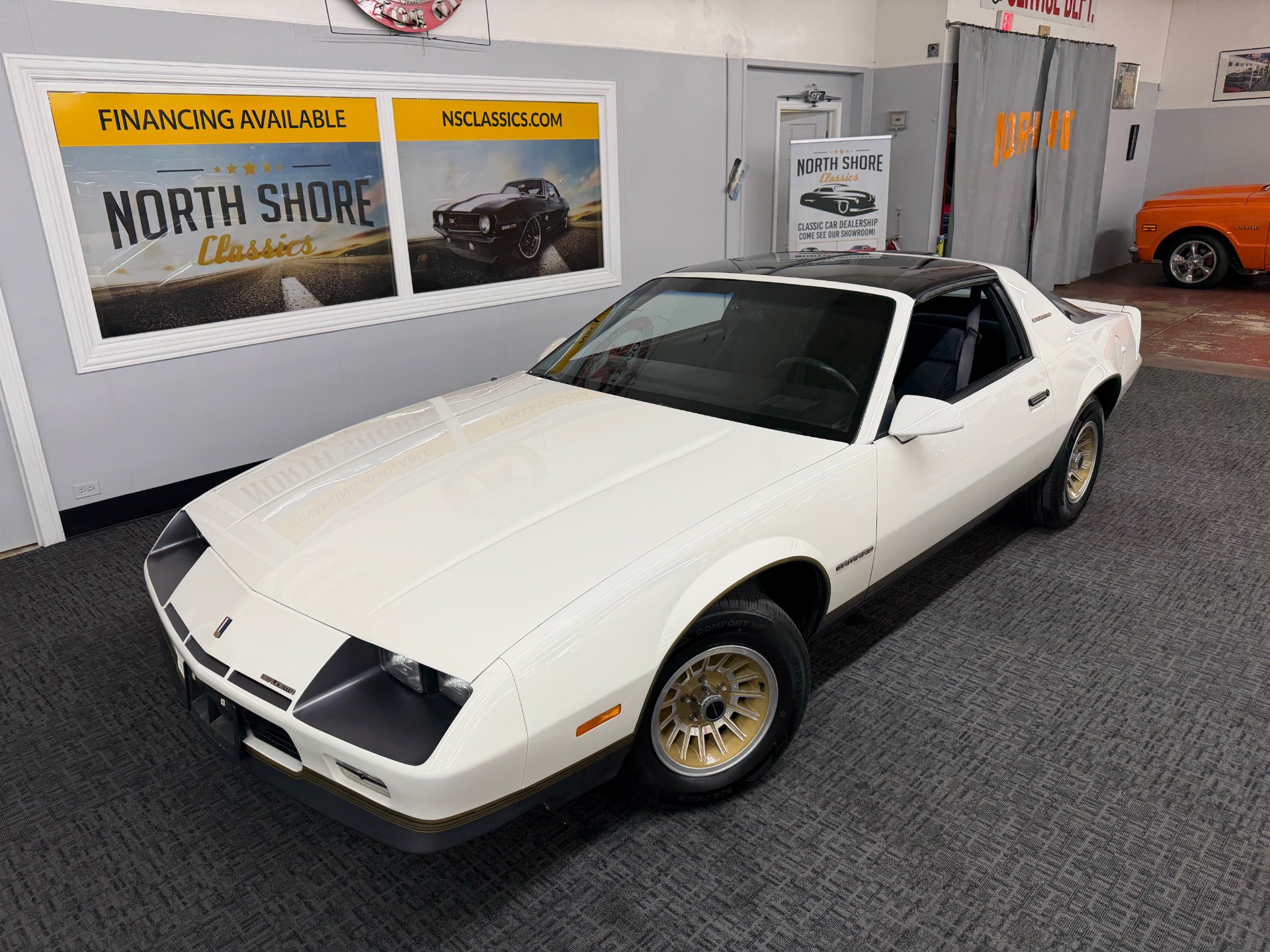
The 1986 Camaro Berlinetta interior is defined by its futuristic "Starship" aesthetic, featuring a sophisticated digital instrument cluster, dual control pods, and a unique swivel-mounted radio. As the final production year for this high-tech trim, the 1986 model represents the pinnacle of General Motors' 1980s digital experimentation, offering a luxury-oriented alternative to the performance-focused Z28 and IROC-Z models.
The Evolution of the "Starship" Camaro Interior
By 1986, the third-generation Chevrolet Camaro had firmly established itself as a cultural icon. However, while the Z28 and the newly introduced IROC-Z focused on cornering G-forces and horsepower, the Berlinetta trim was designed to capture the "luxury-sport" market. The centerpiece of this effort was an interior that looked more like the cockpit of a fighter jet or a science-fiction spacecraft than a traditional American pony car.
The "Starship" interior first appeared in 1984, but by 1986, it had undergone minor refinements to improve reliability and ergonomics. For collectors and restorers in 2026, the 1986 Berlinetta remains a fascinatng case study in automotive design because it moved away from the standard horizontal dashboard layout used in every other Camaro variant of the era. Instead, it utilized a modular approach that prioritized driver reach and visual impact.
The Digital Instrument Cluster: A 1980s Marvel
The heart of the 1986 Camaro Berlinetta interior is the digital instrument cluster. Unlike the analog needles found in the Sport Coupe or Z28, the Berlinetta used Vacuum Fluorescent Displays (VFD). These displays emitted a sharp, greenish-blue light that was highly legible in both direct sunlight and total darkness.
Features of the Digital Display
The cluster was divided into several distinct zones:
- Digital Speedometer: A large numerical readout in the center provided immediate speed data.
- Graphic Tachometer: Instead of a circular dial, the tachometer featured a horizontal bar graph that climbed as the 2.8L V6 or 5.0L V8 engine revved.
- Ancillary Gauges: Digital readouts for fuel level, oil pressure, coolant temperature, and system voltage were arranged around the primary displays.
- Electronic Odometer: A radical departure for 1986, the Berlinetta tracked mileage digitally, though these units are notorious for "freezing" if the internal battery or capacitors fail after four decades of use.
Technical Complexity and Maintenance
From a technical standpoint, the 1986 digital dash was controlled by a dedicated logic module located behind the dashboard. This module translated analog sensor signals (such as the fuel float or temperature sender) into digital data. In the current market, finding a 1986 Berlinetta with a fully functional digital dash is rare. Common failure points include "burnt-out" segments in the VFD and cracked solder joints on the circuit boards caused by decades of heat cycles and vibration.
The Dual Control Pods and Swivel Radio
One of the most striking ergonomic features of the 1986 Camaro Berlinetta interior is the removal of traditional stalks on the steering column. Most 1980s cars used a "multifunction" stalk for wipers, blinkers, and cruise control. The Berlinetta, however, moved these functions to two adjustable "pods" located on either side of the instrument cluster.
The Left and Right Pods
- The Left Pod: This unit housed the controls for the exterior lighting, including the headlamp switch, parking lights, and the turn signal toggle.
- The Right Pod: This unit controlled the windshield wipers and washers. It featured a sliding rheostat for intermittent wiper speed, a high-tech luxury for 1986.
Both pods were mounted on articulating brackets, allowing the driver to tilt them closer or further away based on their hand size and seating position. This "hands-on-the-wheel" philosophy was decades ahead of its time, mirroring the steering-wheel-mounted controls found on modern performance cars.
The "Swivel" Radio Pedestal
Perhaps the most famous component of the 1986 Berlinetta interior is the radio. Rather than being flush-mounted in the center console, the radio sat on a rotating pedestal. This allowed the driver to angle the faceplate toward them for easier adjustment, or rotate it toward the passenger. The radio itself was a specialized Delco unit featuring an optional graphic equalizer—a must-have for the 1980s audiophile.
Interior Comfort and Upholstery Specifications
While the electronics grabbed the headlines, the 1986 Berlinetta also offered a more refined seating experience compared to the base Camaro. The interior was heavily insulated to reduce Road, Engine, and Wind (REW) noise, reinforcing the "luxury" branding.
Fabric and Color Palettes
In 1986, the Berlinetta featured "Custom Cloth" upholstery. This was a high-grade velour-style fabric that was softer and more durable than the standard knit cloth. The seat patterns featured narrow vertical pleats, providing a more formal appearance than the aggressive bolsters of the Z28.
Common interior colors for the 1986 model year included:
- Black: Often paired with silver or gold exterior accents.
- Medium Gray: The most common choice, providing a neutral backdrop for the digital glow of the dash.
- Carmine Red: A bold, deep red that covered the seats, carpets, and door panels.
- Saddle/Tan: A traditional luxury color that contrasted well with the high-tech black plastics of the dashboard.
The Overhead Console
Adding to the "cockpit" feel, the 1986 Berlinetta came standard with a full-length overhead console. This unit included map lights, a storage compartment for sunglasses (which were becoming a popular accessory), and a removable flashlight—a unique touch that GM included to assist drivers during nighttime emergencies.
Comparison: Berlinetta vs. Standard Camaro Interiors (1986)
To understand the uniqueness of the Berlinetta, it is helpful to compare its components directly against the more common Z28 or Sport Coupe trims available in the same year.
| Feature | 1986 Camaro Berlinetta | 1986 Camaro Z28 / IROC-Z |
|---|---|---|
| Instrument Cluster | Full Digital VFD Starship Dash | Analog Needle Gauges (85mph or 145mph) |
| Control Interface | Dual Articulating Pods | Steering Column Stalks |
| Radio Mounting | Swivel-Mounted Pedestal | Fixed Center Stack Mount |
| Steering Wheel | Two-Spoke Luxury Design | Three-Spoke Sport Design |
| Overhead Console | Standard with Map Lights/Storage | Optional (Short Version) |
| Roof Options | Solid or T-Tops | Solid, T-Tops, or Convertible |
| Sound Insulation | High-Density Acoustic Package | Standard Weight-Saving Package |
Restoring the 1986 Berlinetta Interior: Challenges and Tips
Restoring a 1986 Berlinetta interior in 2026 presents unique challenges that differ significantly from restoring a standard Camaro. Because the Berlinetta-specific parts were only produced in limited quantities for three years (1984–1986), "New Old Stock" (NOS) parts are nearly non-existent.
Sourcing Electronic Components
The most difficult parts to find are the digital dash and the pod controllers. If your digital dash is dark, the problem is often the Power Supply Module or a blown fuse in the dedicated Berlinetta fuse block. Many restorers now turn to specialized electronics repair shops that can replace aged capacitors and resolder "cold" joints on the original boards.
Fabric and Trim Preservation
The "Custom Cloth" velour used in 1986 is prone to sun fading, especially in T-Top models. If the original fabric is beyond repair, finding an exact match is difficult. Most owners opt for high-quality reproductions from companies like TMI Products or Classic Industries, though you may need to custom-order the specific Berlinetta pleating patterns to maintain judging standards at car shows.
The "Grounding" Issue
A common "troubleshooting" tip for 1986 Berlinetta owners is to check the dashboard grounding wires. Because the entire interior is electronically controlled, a single loose ground wire can cause the radio to swivel on its own (if motorized), the dash to flicker, or the turn signals to malfunction. Cleaning the ground points behind the kick panels often solves "ghost" issues in the electrical system.
Market Value and Collectibility in 2026
For decades, the Berlinetta was the "black sheep" of the third-generation Camaro family, often overlooked in favor of the high-performance IROC-Z. However, as 1980s "Retrowave" and "Synthwave" aesthetics have surged in popularity, the 1986 Berlinetta has become a highly sought-after collector's item.
The rarity of the interior components has actually increased the car's value. A 1986 Berlinetta with a fully functional digital interior and pristine original upholstery can command a significant premium over a standard V6 Camaro of the same era. Collectors prize these cars for their "period-correct" futurism—they represent a specific moment in time when the automotive industry believed digital displays and pod-based ergonomics were the future of all transportation.
FAQs About the 1986 Camaro Berlinetta Interior
Can I swap a Berlinetta digital dash into a standard 1986 Z28?
While physically possible because the dashboard shells are similar, it is a massive undertaking. The Berlinetta uses a completely different wiring harness, different sensors (for digital signals), and lacks the traditional steering column stalks for blinkers and wipers. You would essentially need to strip the entire donor car's electrical system to make the swap functional.
Why does my Berlinetta have a different steering wheel than other Camaros?
The 1986 Berlinetta featured a unique two-spoke steering wheel designed for comfort and visibility of the digital gauges. Unlike the "string-wrapped" or three-spoke sport wheels found in the Z28, the Berlinetta wheel was thicker and more padded, often color-keyed to the interior fabric.
How do I fix the swivel radio if it becomes loose?
The swivel mechanism relies on a friction-based tensioner and a plastic locking tab. Over time, the plastic can become brittle and crack. Most owners fix this by carefully disassembling the pedestal and applying a thin layer of high-friction tape to the swivel joint or replacing the plastic hardware with 3D-printed replicas, which have become more available in recent years.
Was leather an option for the 1986 Berlinetta interior?
While leather was becoming more common in higher-end GM vehicles like the Corvette, the 1986 Berlinetta was primarily sold with "Custom Cloth" velour. Some dealership-installed leather packages existed, but the factory-standard "luxury" upgrade was the high-grade cloth, which was considered more futuristic and comfortable at the time.
Final Recommendation for Owners
If you are lucky enough to own or are looking to purchase a 1986 Camaro Berlinetta, your primary focus should be electrical preservation. Before attempting any cosmetic restoration, ensure that the logic modules and wiring harnesses are in good condition. Use a modern surge protector when jumping the battery, as the 1980s digital components are sensitive to voltage spikes. Preserving the "Starship" interior is not just about car maintenance; it is about keeping a unique piece of 20th-century technological history alive on the roads of 2026.