Investing in a 10-kilowatt (10kW) solar power system represents a significant step toward energy independence and long-term utility bill reduction for medium to large residential properties. Navigating the financial landscape of renewable energy requires a clear understanding of equipment costs, labor expenses, regional incentives, and hidden fees. This overview breaks down every financial component associated with installing a 10kW solar array to help property owners budget effectively.
Core Financial Breakdown of a 10kW Solar Array
A 10kW solar power system is a robust configuration capable of generating between 11,000 and 16,000 kilowatt-hours (kWh) of electricity annually, depending heavily on geographic location, roof orientation, and local weather patterns. For most average-sized single-family homes, this capacity offsets all or a vast majority of monthly electricity consumption, making it a popular choice for households with high energy demands, electric vehicles, or heat pump systems.
When evaluating the cost of such a system, buyers encounter a wide pricing spectrum influenced by equipment tiers, structural complexities, and contractor overhead. On average, a standard residential 10kW system ranges from $18,000 to $25,000 before factoring in any federal, state, or local financial incentives. Breaking down this gross price tag requires looking closely at the primary hardware components that make up the system: solar photovoltaic panels, inverters, and racking equipment.
Hardware Costs: Panels and Inverters
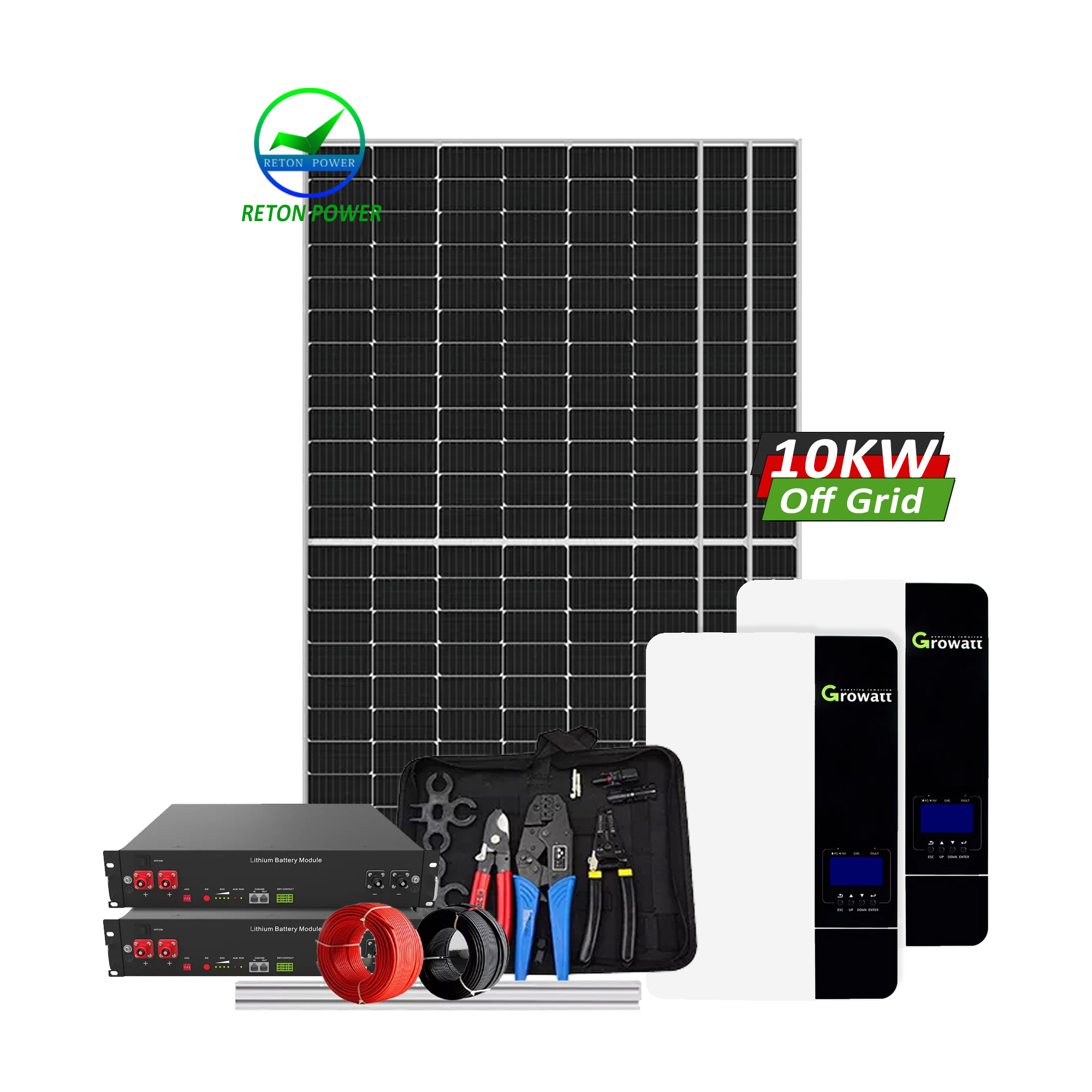
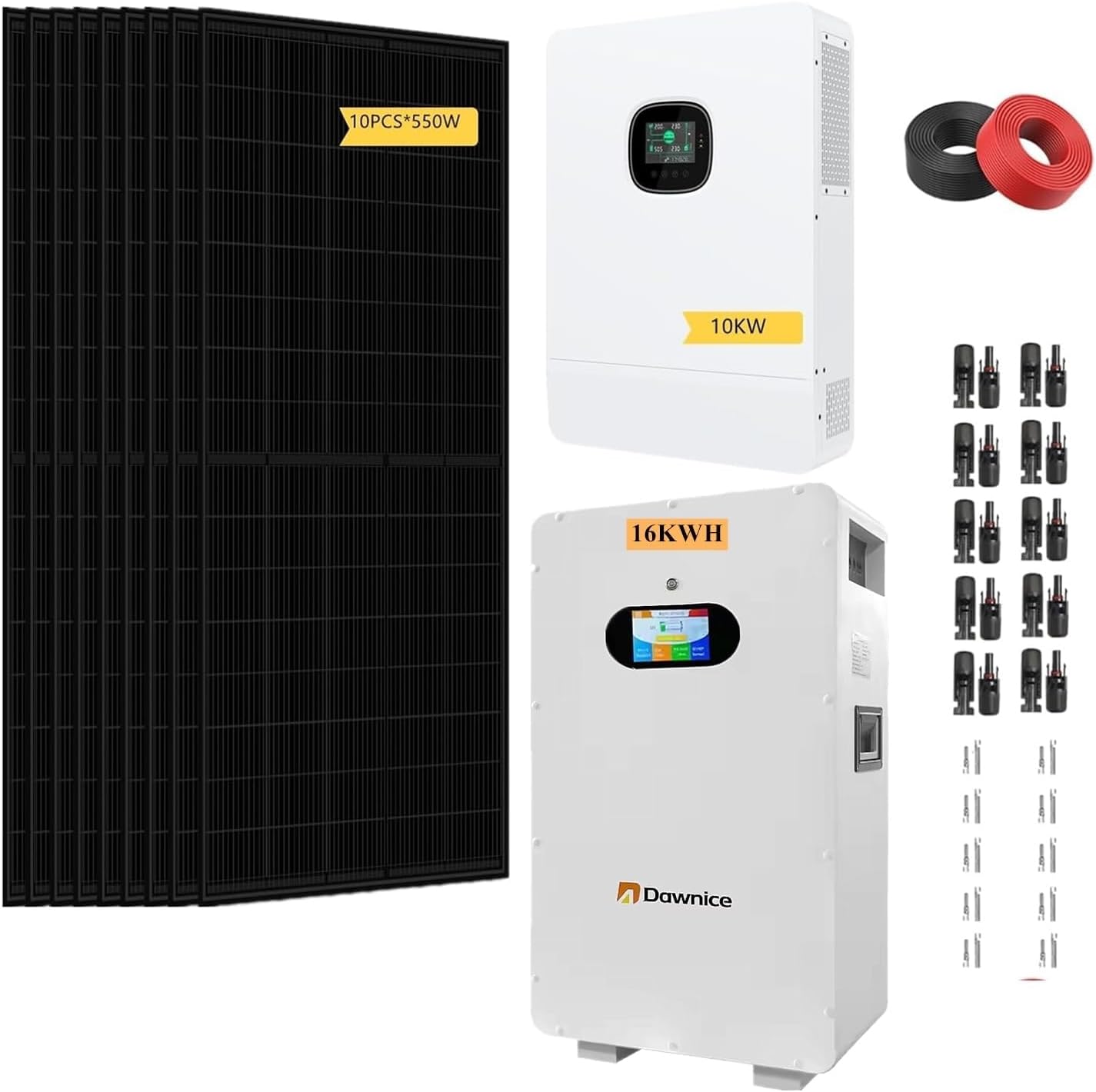
Solar panels constitute the most visible portion of the investment. Modern residential panels typically range from 400W to 450W each, meaning a 10kW setup requires roughly 22 to 25 individual panels. Panel manufacturing is generally split into three tiers based on efficiency, warranty longevity, and aesthetic appeal:
- Tier 1 Monocrystalline Panels: Representing the gold standard for residential roofs, these panels offer efficiencies above 20% and come with robust 25-year performance warranties. They command a higher upfront equipment cost but maximize energy generation on limited roof space.
- Polycrystalline Panels: Increasingly rare in modern residential installations due to lower efficiency and distinctive blue coloring, these panels are budget-friendly but require more physical roof area to achieve a 10kW output.
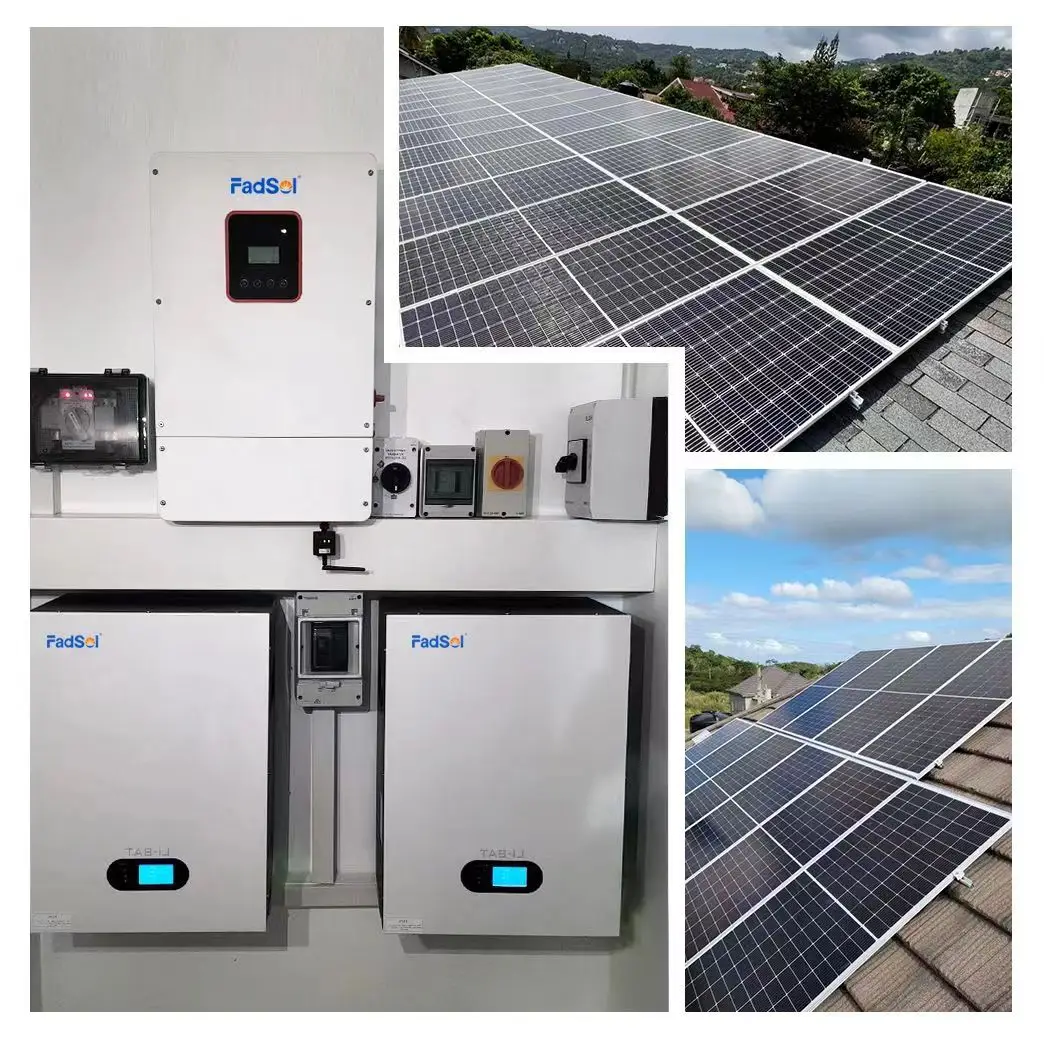
Inverters are the brain of the solar installation, converting direct current (DC) electricity generated by the panels into alternating current (AC) used by household appliances. Buyers generally choose between two primary technologies:
- String Inverters: A single central inverter manages the entire array. While less expensive initially, a drop in production on one panel (due to shading or debris) can disproportionately impact the output of the entire string.
- Microinverters or Power Optimizers: Installed at the individual panel level, these devices optimize energy harvest per panel and offer granular production monitoring. While they increase the hardware budget, they provide superior reliability and performance in less-than-ideal site conditions.
Balance of System and Labor Expenses
Hardware represents roughly 45% to 50% of the total quote provided by a solar contractor. The remaining balance—often referred to as Balance of System (BOS)—covers the essential structural and administrative elements required to bring a project safely online.
Racking and mounting hardware secure the array to asphalt shingle, tile, or metal roofs. Labor expenses encompass professional engineering drawings, structural assessments, electrical wiring, grid interconnection applications, and local building permit fees. Furthermore, licensed electrical contractors factor in liability insurance, commercial vehicle upkeep, and warranty servicing into their labor margins. Skipping professional installation to cut corners introduces severe safety hazards, voids equipment warranties, and invariably fails municipal electrical inspections.
Financial Comparison of 10kW Solar Configurations
To help visualize how different equipment configurations impact total investment, the following table outlines estimated pre-incentive costs, efficiency ratings, and hardware expectations for standard 10kW residential setups.
| System Tier | Estimated Gross Cost Range | Primary Technology | Typical Warranty | Best Suited For |
|---|---|---|---|---|
| Budget / Economy | $15,000 – $18,000 | Standard polycrystalline or lower-tier monocrystalline panels with a central string inverter. | 10 to 12 years (product), 25 years (linear power) | Large unobstructed roofs with minimal shading and tight initial budgets. |
| Standard / Mid-Range | $18,000 – $22,000 | High-efficiency monocrystalline panels paired with string inverters and optimizers. | 15 to 25 years (product), 25 years (linear power) | Standard suburban homes seeking an optimal balance of cost, durability, and yield. |
| Premium / High-End | $22,000 – $30,000+ | Premium all-black monocrystalline panels with microinverters and optional battery storage readiness. | 25 years comprehensive (product and power) | Architectural constraints, heavy aesthetic requirements, or maximum energy optimization. |
The Impact of Solar Batteries on Total Price
An increasingly common consideration for homeowners purchasing a 10kW system is the integration of a home energy storage battery. While a standard grid-tied system shuts down during a local utility blackout to protect grid line workers, a battery system stores surplus daytime energy for emergency backup or evening self-consumption.
Integrating a residential storage battery (such as a 10kWh to 15kWh lithium-ion unit) typically adds between $10,000 and $15,000 to the total project cost, inclusive of specialized backup gateway hardware and additional labor. Homeowners residing in regions with frequent grid instability or unfavorable net metering policies (where utilities pay low rates for exported solar energy) often find batteries financially justifiable despite the steep capital outlay.
Federal, State, and Local Incentives
Evaluating a 10kW solar power system price overview requires analyzing how government incentives drastically reduce the net investment. In the United States, the primary federal mechanism is the Residential Clean Energy Credit (often referred to as Section 25D), which allows homeowners to deduct a significant percentage of the total project cost from their federal tax liability.
Beyond federal tax credits, regional incentives vary dramatically by state, municipality, and utility provider:
- State Tax Credits: Certain states offer additional credits that stack on top of federal incentives, lowering out-of-pocket costs further.
- Solar Renewable Energy Certificates (SRECs): In select jurisdictions, owners earn tradable certificates for every megawatt-hour of electricity their system produces, providing an ongoing passive revenue stream.
- Property Tax Exemptions: Many local governments exempt the added property value of a solar installation from property tax assessments, protecting homeowners from higher municipal tax bills after upgrading their property.
Financing Options: Cash, Loans, and Leases
How a homeowner pays for a 10kW solar array shapes the long-term return on investment. Each financing pathway carries distinct financial implications:
- Cash Purchase: Buying the system outright yields the fastest payback period and maximizes long-term savings because the buyer avoids loan interest, dealer fees, and financing charges while capturing 100% of tax incentives.
- Solar Loans: Secured solar loans or home equity lines of credit (HELOCs) allow buyers to install solar with little to zero money down. While interest payments reduce net lifetime savings compared to cash, low-interest green loans often generate immediate monthly utility savings that outpace the monthly loan payment.
- Leases and Power Purchase Agreements (PPAs): In these arrangements, a third-party owner installs and maintains the system while the homeowner purchases the generated electricity at a set rate. While upfront costs are minimal, PPAs offer lower lifetime financial returns and can complicate future home sales if the buyer refuses to assume the contract.
Frequently Asked Questions
How much electricity does a 10kW solar system actually produce?
A 10kW solar system generates roughly 11,000 to 16,000 kWh annually. Real-world output depends on peak sun hours, geographic latitude, seasonal weather shifts, roof pitch, and whether the array faces true south without obstruction. Homeowners in sunny southern climates generate significantly more power than those in overcast northern regions.
Does a 10kW solar system include a battery backup?
No, standard 10kW quotes generally feature grid-tied, transformerless inverters without storage. Adding physical battery backup infrastructure requires dedicated battery hardware and specialized installation labor, which increases total project costs by several thousand dollars.
How long does it take for a 10kW solar system to pay for itself?
Payback periods typically range from 6 to 10 years, depending on local electricity rates, regional solar incentives, and the total gross price of the installation. Once the system pays for itself through accumulated utility bill savings, the electricity generated for the remainder of the equipment's lifespan is effectively free.
Are permits and inspections included in the contractor's quote?
Reputable solar installation companies bundle structural engineering stamps, local building permits, electrical permits, and utility interconnection paperwork into their turnkey pricing. Homeowners should always verify itemized scopes of work to ensure no unexpected administrative fees arise during project execution.
Can I install a 10kW solar system myself as a DIY project?
While DIY solar kits exist, self-installing a grid-tied 10kW system is exceptionally complex. It requires navigating strict municipal building codes, executing high-voltage AC/DC electrical work, managing structural roof penetrations, and passing rigorous utility inspection hurdles. Furthermore, unauthorized DIY installations usually forfeit manufacturer warranties and federal tax credit eligibility.
Next Actions and Implementation
Before requesting quotes from local contractors, homeowners should examine their past 12 months of utility bills to confirm their exact annual kilowatt-hour usage, ensuring a 10kW system appropriately matches their energy profile. Next, obtain multiple competing quotes from licensed, insured installers who offer transparent equipment breakdowns, comprehensive warranties, and assistance with local incentive paperwork. Always verify installer credentials and past project portfolios to guarantee long-term system reliability and safety.