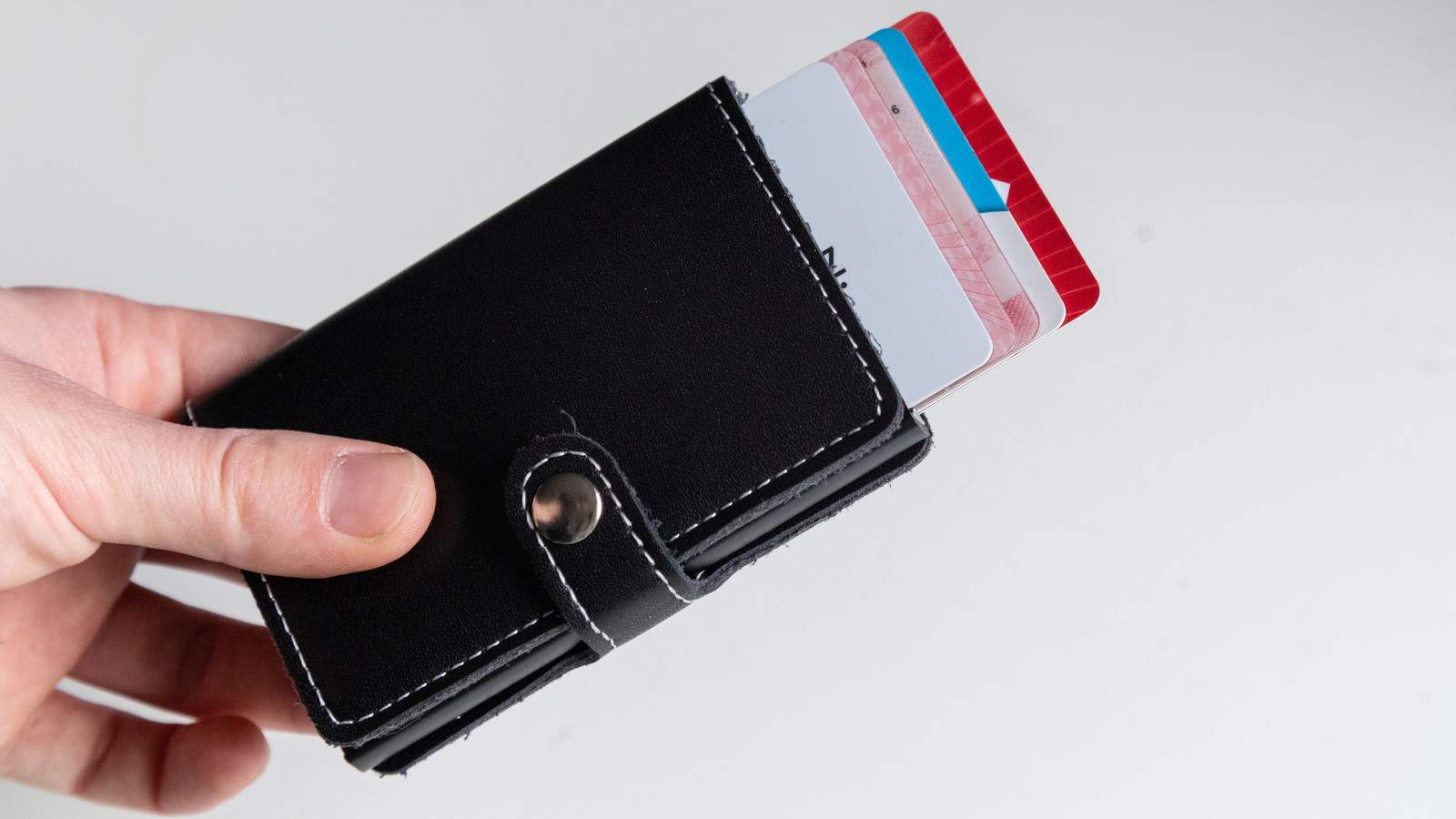
The "best" card for your wallet is not a static product but a strategic tool that must align with your specific monthly spending habits and debt-repayment capacity. If you carry a balance, the best card is a low-interest personal line of credit or a balance transfer card; if you pay in full, the best card is a high-reward points or cash-back product that maximizes your largest expense category.
Understanding the Financial Philosophy of Card Selection
Selecting a credit card is often framed as a search for the "best" rewards, but this is a common misunderstanding of financial utility. In the current 2026 economic landscape, the primary function of a card should be evaluated through the lens of your individual cash flow. Before looking at welcome bonuses, lounge access, or metal card designs, you must categorize your financial behavior into one of two distinct groups: the "transactor" (who pays the balance in full every month) and the "revolver" (who carries a balance from month to month).
For the transactor, the goal is to maximize the net value of rewards relative to the annual fee. If a card offers a 3% return on groceries but charges a $95 annual fee, you must spend over $3,166 annually on groceries just to break even on that specific perk. For the revolver, rewards are statistically irrelevant. The interest paid on a revolving balance—often exceeding 20% APR in the current cycle—will almost always eclipse the value of any cash-back or travel points earned. Consequently, for a revolver, the "best" card is one with the lowest possible interest rate or a introductory 0% APR offer.
Evaluating the Transactor’s Priority: Maximizing Yield
If you pay your balance in full, your search for the best card should be dictated by your highest-spend categories. Most issuers in 2026 segment cards into three buckets: flat-rate, tiered, and rotating.
- Flat-Rate Cards: These offer a consistent return, typically between 1.5% and 2% on every purchase. These are mathematically superior for individuals with highly diversified spending who do not want to track category-specific bonuses.
- Tiered Cards: These offer elevated returns (e.g., 3% to 6%) on specific categories like dining, travel, or supermarkets. These are the gold standard for budget-conscious spenders who can automate their spending patterns to hit these categories.
- Rotating Category Cards: These require manual activation of quarterly bonuses. While they offer high potential yields (often 5%), they present a high barrier to entry due to the administrative burden of tracking and activating categories.
The Revolver’s Dilemma: Cost Mitigation
For those who do not pay off their cards in full, the "best" card is effectively a loan product. The most dangerous trap in the credit card industry is the allure of "premium" travel cards for those who are struggling with debt. These cards often carry high annual fees and interest rates, which exacerbate debt accumulation.
If you are currently carrying debt, your verdict should prioritize two things:
- Balance Transfer Utility: Look for cards offering an introductory 0% APR period on balance transfers. This allows you to pause the compounding of interest and apply your monthly payments entirely to the principal.
- Non-Reward Low-Interest Options: Many credit unions offer cards with significantly lower interest rates than commercial banks. These cards rarely offer points or travel perks, but they provide the essential function of minimizing the cost of carrying a balance.
Technical Comparison of Card Utility
The following table illustrates how different user profiles should prioritize features when selecting a card in 2026.
| Feature | Primary Goal | Priority for Transactors | Priority for Revolvers |
|---|---|---|---|
| Annual Fee | Cost Control | Minimize vs. Rewards | Strictly $0 |
| APR | Debt Management | Irrelevant | Lowest Possible |
| Rewards Rate | Net Value | Maximize Category Spend | Secondary |
| Welcome Bonus | Quick Gains | High Priority | Avoid (Encourages Spend) |
| Insurance/Perks | Protection | Tiered by Travel Needs | Minimal |
The "Hidden" Costs of Optimization
When determining the best card for your wallet, you must account for the opportunity cost of administrative time and credit score impacts. Opening multiple new accounts to chase sign-up bonuses triggers "hard inquiries," which can temporarily lower your credit score. If you are preparing to apply for a mortgage or an auto loan in 2026, the potential reward of a credit card sign-up bonus is rarely worth the risk of a higher interest rate on a large-scale loan due to a fluctuating credit score.
Furthermore, consider the "automation threshold." If a card requires you to monitor an app, log into a portal, and manually activate rewards every three months, the time spent is a cost. If you fail to activate the reward, the yield drops to 1% or less, often making the card worse than a standard, passive 2% flat-rate card.
Prerequisites for Card Eligibility
Before applying for any card that you have identified as the "best" for your needs, verify your standing. Most premium reward cards require a "Good" to "Excellent" credit score—typically defined by major bureaus as a FICO score of 670 or higher.
- Credit Utilization: Ensure your current utilization is below 30% of your total available credit.
- Recent Inquiries: Many issuers will automatically decline applicants who have opened more than two or three accounts in the previous 24 months.
- Income Verification: You must be able to document your gross annual income, as issuers use this to determine your ability to pay and to set your credit limit.
Frequently Asked Questions
Is a card with a high annual fee ever worth it? Yes, if the value of the credits, travel perks, and reward points exceeds the cost of the fee. However, this is only true if you were already planning to spend money on those specific travel or dining categories. Never adjust your lifestyle to justify an annual fee.
How often should I change my credit card? There is no fixed interval. You should evaluate your cards once a year or whenever your spending habits change significantly, such as moving to a new city, starting a new job, or changing your travel frequency.
Does checking my credit score to see if I qualify hurt my credit? Checking your own score through free services does not hurt your credit. However, when you formally apply for a card, the issuer performs a "hard pull," which results in a small, temporary dip in your credit score.
What should I do if I have a card that no longer fits my needs? Rather than closing the account, which can shorten your credit history and lower your total available credit, consider asking the issuer to "product change" or "downgrade" the card to a version with no annual fee. This preserves the age of your credit account.
Final Verdict: The Strategic Selection
The verdict is clear: stop looking for the card that is "best" for everyone, and start looking for the card that is "best" for your current financial cycle. If your finances are stable and you are a transactor, the best card is a simple, high-yield, flat-rate, or category-optimized card that demands the least amount of management. If you are currently dealing with debt, the best card is the one that charges the least interest and helps you consolidate or eliminate your balance.
Your next step is to log into your primary bank account, export your spending data from the last twelve months, and categorize it. Identify where the majority of your money goes—groceries, travel, or general expenses—and choose the card that specifically provides the highest rebate for those identified categories. Do not allow marketing materials regarding luxury perks or high-limit status to distract you from the fundamental math of your personal cash flow.