September holds a unique place in the annual calendar, marking the transition from summer to autumn in the Northern Hemisphere and winter to spring in the Southern Hemisphere. While many people associate this month with the resumption of the academic year, the return to business routines, and changing weather patterns, it also features a diverse array of public holidays, cultural festivals, and global observances. Whether you are planning time off, scheduling business operations, or simply curious about international calendar events, understanding what holidays occur in September provides essential clarity for personal and professional planning.
Overview of September Calendars and Holiday Structures
Unlike months such as December or May, which feature heavy concentrations of widely recognized statutory and religious holidays, September is traditionally characterized by a quieter holiday landscape in many Western countries. However, this perception depends entirely on geographic location, cultural traditions, and national legislation.
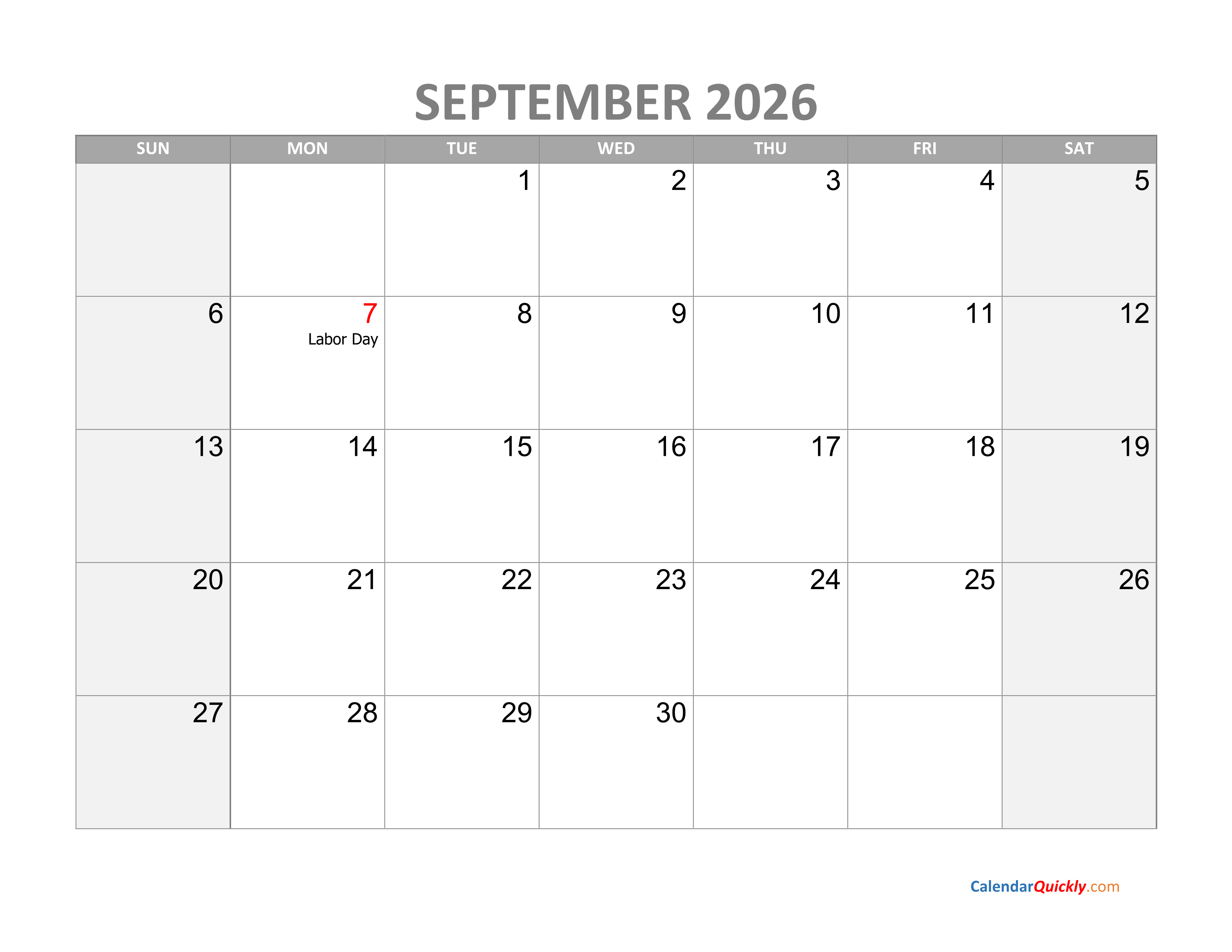
In the United States and Canada, September features a major federal and statutory holiday—Labor Day—which anchors a long weekend and serves as an unofficial transition point in the cultural calendar. In contrast, many nations in Central and South America celebrate their independence days during September, creating periods of intense national celebration, civic parades, and public closures. Meanwhile, international bodies like the United Nations utilize various days in September to draw global attention to peace, literacy, democracy, and environmental preservation.
When evaluating September holidays, it is helpful to categorize them into distinct types:
- Statutory / Public Holidays: Officially mandated days off work and school, regulated by national or regional governments.
- Cultural and National Anniversaries: Significant historical events, such as independence days, that may involve public celebrations, civic ceremonies, or modified working hours.
- International and Global Observances: Days proclaimed by organizations like the United Nations to promote awareness of specific issues, which do not typically involve statutory days off.
- Religious and Traditional Festivals: Observances tied to lunar cycles, ancient agricultural traditions, or religious calendars that fall within September depending on the year.
Major Statutory and Public Holidays in September
While September does not host as many public holidays as some other months, several key dates involve statutory closures, financial market shutdowns, and federal recognitions across different parts of the world.
Labor Day (United States and Canada)
Celebrated on the first Monday of September, Labor Day honors the American and Canadian labor movements and the contributions that workers have made to the strength, prosperity, and well-being of their respective countries.
- Timing: First Monday of September (falling between September 1 and September 7).
- Impact: Federal, state, and provincial government offices, banks, post offices, and schools are closed. Many retail and hospitality businesses remain open, often featuring promotional sales. For travelers, it marks the end of the peak summer travel season.
Independence Days in Latin America
Several countries celebrate their national independence days during the middle of September, leading to widespread public festivities, school closures, and national pride events.
- Mexico: Independence Day (El Grito de Dolores) is celebrated on September 16, commemorating the call to arms that initiated the Mexican War of Independence in 1810. September 15 is also marked by festive evening celebrations.
- Central American Nations: Costa Rica, El Salvador, Guatemala, Honduras, and Nicaragua all celebrate their independence on September 15, marking their separation from Spain in 1821.
- Impact: These dates are official national holidays in their respective countries, resulting in the closure of government institutions, banks, and schools, accompanied by civic parades and traditional music.
National Day and Patriot Observances Elsewhere
Other countries recognize significant historical milestones during this month. For example, Chile celebrates its Independence Day (Fiestas Patrias) on September 18, followed by Army Day on September 19, creating a multi-day national celebration period known as Dieciocho. Similarly, Papua New Guinea celebrates its Independence Day on September 16.
| Country / Region | Holiday Name | Typical Date in September | Statutory Status |
|---|---|---|---|
| United States & Canada | Labor Day | First Monday | Federal / Statutory Public Holiday |
| Costa Rica, Guatemala, Honduras, Nicaragua, El Salvador | Independence Day | September 15 | National Public Holiday |
| Mexico | Independence Day | September 16 | National Public Holiday |
| Papua New Guinea | Independence Day | September 16 | National Public Holiday |
| Chile | Fiestas Patrias (Independence Day) | September 18–19 | National Public Holiday |
Global and International Observances Recognized in September
In addition to statutory public holidays, September hosts numerous international and global observances established by the United Nations Educational, Scientific and Cultural Organization (UNESCO), the World Health Organization (WHO), and other international entities. While these days do not grant a day off from work, they are widely recognized in educational curricula, media campaigns, and international diplomacy.
International Literacy Day (September 8)
Proclaimed by UNESCO in 1966, International Literacy Day is observed annually on September 8 to remind the international community of the importance of literacy as a matter of dignity and human rights. Governments, non-governmental organizations, and educational institutions use this day to highlight advancements in global literacy rates and address persistent educational disparities.
International Day of Peace (September 21)
Established by a United Nations General Assembly resolution in 1981, the International Day of Peace is devoted to strengthening the ideals of peace, both within and among all nations and peoples. The UN invites all nations and people to honor a cessation of hostilities during this day, promoting educational and public awareness initiatives regarding conflict resolution and global harmony.
World Maritime Day (Late September)
Celebrated during the last week of September, World Maritime Day focuses on the importance of shipping safety, maritime security, and the marine environment. The specific date varies by year, often determined by individual member states of the International Maritime Organization (IMO), but it consistently highlights the critical role the maritime industry plays in global trade and economic development.
Cultural, Seasonal, and Religious Festivals in September
September also marks important seasonal transitions and religious observances that vary based on astronomical alignments and lunar calendars.
The Autumnal Equinox
In the Northern Hemisphere, the astronomical autumn (or fall) begins with the autumnal equinox, which typically occurs around September 22 or 23. This date marks the moment when the sun crosses the celestial equator, making day and night approximately equal in length. Ancient and modern cultures alike celebrate this shift through harvest festivals, agricultural fairs, and seasonal feasts.
Mid-Autumn Festival (Moon Festival)
In many East Asian and Southeast Asian cultures, the Mid-Autumn Festival falls on the 15th day of the 8th month of the lunar calendar, which frequently places it in September or early October. Families gather to celebrate the autumn harvest, light paper lanterns, and share mooncakes. While it is a deeply significant cultural festival, its statutory status varies: in places like Hong Kong and Taiwan, the day following the festival is often designated as a public holiday.
Rosh Hashanah and Yom Kippur
Depending on the Hebrew calendar, the Jewish High Holy Days of Rosh Hashanah (the Jewish New Year) and Yom Kippur (the Day of Atonement) frequently begin in September. While these are sacred religious days observed by Jewish communities worldwide with prayer and reflection, they are official public holidays in Israel and are recognized by many schools and workplaces globally through excused absence policies.
Practical Considerations for Travel, Business, and Planning
Navigating the month of September requires an understanding of how its holidays and seasonal shifts impact daily logistics, commercial operations, and travel plans.
Business Operations and Financial Markets
In North America, the Labor Day holiday creates a three-day weekend, which means financial markets, federal agencies, and banking institutions are closed on that Monday. This closure can affect settlement dates, international trade communications, and supply chain logistics. Similarly, businesses operating internationally must account for extended closures in Latin America around mid-September due to independence day celebrations, particularly in Mexico and Chile, where festivities often disrupt standard workweeks.
Travel Planning and Seasonal Shifts
September is widely regarded by travel industry professionals as part of the "shoulder season" in North America and Europe. Following the heavy family travel volume of July and August, schools resume operations, leading to a significant drop in domestic tourism traffic, lower airline fares, and reduced hotel rates in many destinations. However, travelers visiting countries celebrating national holidays in September—such as Mexico during El Grito or Chile during Fiestas Patrias—should anticipate heavy domestic travel, fully booked accommodations, and localized transportation congestion.
Educational Schedules
For students, teachers, and educational institutions, September is universally recognized as the beginning of the academic year in the Northern Hemisphere. School districts, universities, and vocational training centers typically commence their fall semesters during the first two weeks of the month, establishing routines that govern family schedules through the autumn and winter months.
Frequently Asked Questions About September Holidays
Is September 1 a public holiday globally?
No. While September 1 marks the beginning of the meteorological autumn in the Northern Hemisphere and is historically associated with the start of the school year or various historical observances in Eastern Europe and Russia (such as Knowledge Day), it is not a universally recognized statutory public holiday.
What is the biggest holiday in September in the United States?
Labor Day is the most prominent statutory public holiday in the United States during September. Celebrated on the first Monday of the month, it honors the American labor movement and provides a federal day off for most government and corporate workers.
Do banks close on Labor Day in September?
Yes. Because Labor Day is a federal and statutory holiday in both the United States and Canada, all commercial banks, credit unions, federal reserve banks, and government post offices are closed on that day. Electronic transactions and online banking remain active, but physical branch services and standard check clearings are paused.
Which countries celebrate Independence Day in September?
Several countries celebrate their independence in September, particularly in Central America and Latin America. Key examples include Costa Rica, El Salvador, Guatemala, Honduras, and Nicaragua (all on September 15), Mexico (September 16), and Chile (September 18).
Are there any international holidays recognized by the United Nations in September?
The United Nations observes several international awareness days in September rather than statutory holidays. Notable examples include International Literacy Day on September 8 and the International Day of Peace on September 21, both of which encourage global educational and civic programs without mandating public closures.
Conclusion and Next Actions
While September may not boast as many statutory public holidays as months dedicated to year-end festivities or spring celebrations, it features crucial national holidays like Labor Day in North America and independence celebrations across Latin America. Additionally, global observances and seasonal transitions make it a culturally rich and dynamic month.
To ensure smooth planning:
- Verify regional statutory holiday closures if you are conducting international business or trade with Latin American partners during mid-September.
- Take advantage of shoulder-season travel opportunities if planning a vacation after the North American Labor Day weekend.
- Check local school calendars and municipal schedules to align personal routines with the resumption of the academic year.