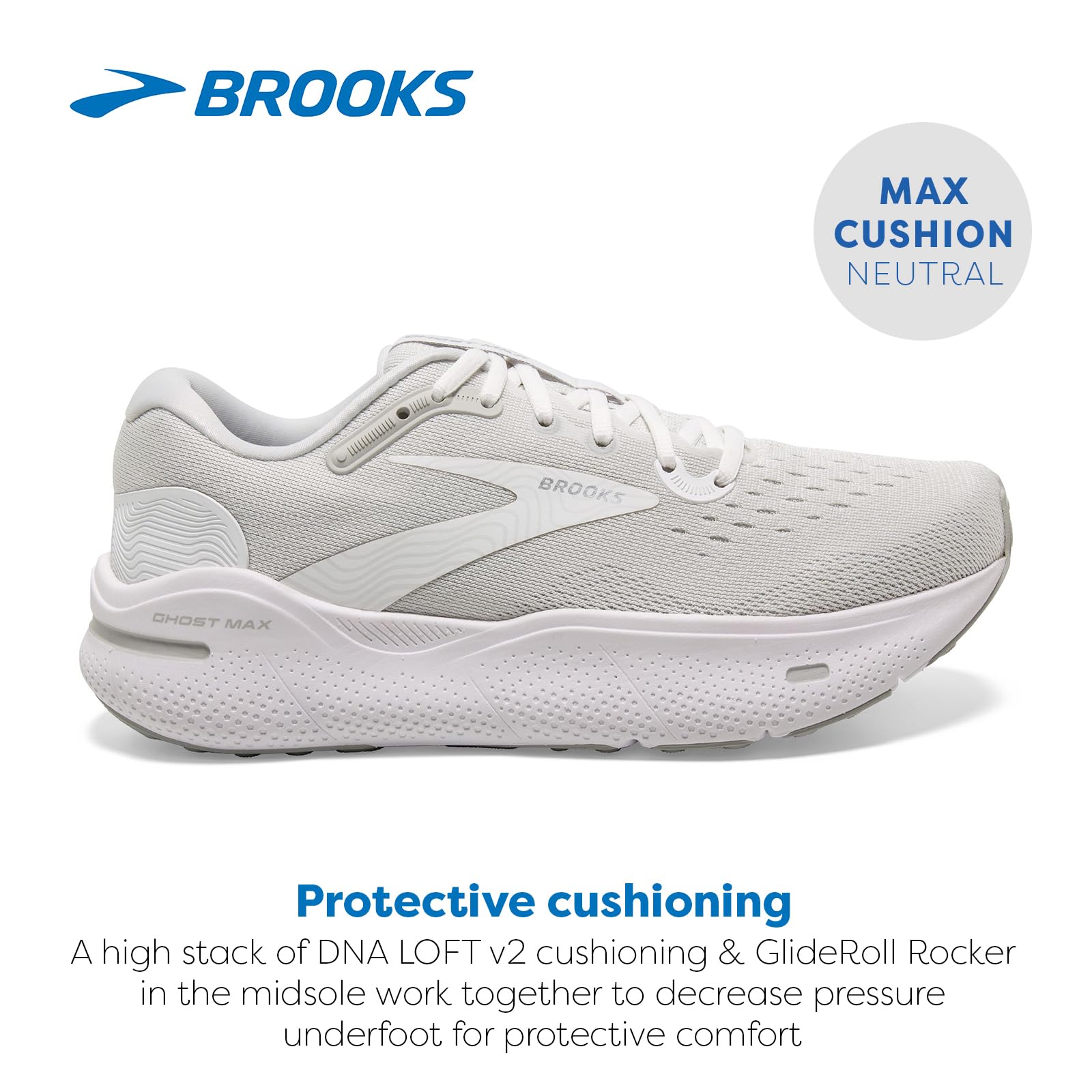
Brooks shoes are widely considered some of the best options for walking, despite the brand’s primary reputation as a running powerhouse. Their success in the walking category stems from advanced DNA cushioning systems, high-quality stability features like GuideRails®, and a variety of widths that accommodate different foot shapes and orthopedic needs.
For decades, Brooks has focused almost exclusively on the biomechanics of the human stride. While running and walking involve different impact forces, the fundamental requirements for a high-quality shoe—shock absorption, durability, and proper alignment—remain consistent across both activities. In 2026, Brooks continues to dominate the premium athletic footwear market by offering specialized models that cater to the unique heel-to-toe transition that defines the walking gate.
The Biomechanics of Walking: Why Running Shoes Often Work Best
To understand why Brooks is a premier choice for walking, it is essential to distinguish between the mechanics of walking and running. When you run, you experience an impact force roughly three times your body weight, often landing on the midfoot or forefoot. In contrast, walking is a lower-impact activity where one foot is always in contact with the ground. Walkers typically land heavily on their heels and roll through the step to the toe.
Brooks designs their shoes with a "Segmented Crash Pad," an integrated system of shock absorbers that look like caterpillars on the outsole. This design is particularly beneficial for walkers because it provides a smooth transition from the moment the heel hits the pavement until the toe pushes off. By over-engineering their shoes to handle the high-impact forces of running, Brooks creates a walking experience that feels exceptionally soft and stable.
Furthermore, the "drop" of a shoe—the height difference between the heel and the forefoot—is often higher in Brooks models (typically 10mm to 12mm). For walkers, a higher drop can reduce the strain on the Achilles tendon and calf muscles, making it easier to maintain a consistent pace during long-distance fitness walks or long shifts on hard floors.
Key Brooks Technologies for Walkers
The reason Brooks consistently ranks at the top of podiatrist-recommended lists is their proprietary technology. These are not merely marketing terms; they represent specific material engineering designed to solve common foot problems.
DNA LOFT and BioMoGo DNA Cushioning
Brooks uses several variations of their "DNA" cushioning. The DNA LOFT (now in version v3 for many 2026 models) is a nitrogen-infused foam that combines EVA foam, rubber, and air. This mixture is crucial for walkers because it provides "plushness" without being "mushy." A shoe that is too soft can cause foot fatigue over several miles, but DNA LOFT provides enough energy return to keep the foot moving forward. BioMoGo DNA, on the other hand, is a bit firmer and more responsive, often preferred by those who want to feel more connected to the ground.
GuideRails® Holistic Support System
For walkers who deal with overpronation (feet rolling inward) or supination (feet rolling outward), Brooks developed GuideRails®. Unlike traditional "medial posts" which are hard pieces of plastic shoved into the arch of the shoe, GuideRails® act like bowling alley bumpers. They sit on the sides of the shoe and only engage when your foot moves outside its natural path of motion. This is a significant advantage for walkers, as it helps protect the knees—the part of the body most susceptible to injury from improper walking alignment.
Engineered Mesh and Fit
The upper part of a Brooks shoe is usually made from an engineered mesh that provides structured stretch. This allows the shoe to expand slightly as a walker's feet swell over the course of a long day. For those with bunions or wide forefeet, this flexibility prevents the "pinching" sensation common in cheaper, more rigid walking shoes.
Top Brooks Models for Walking in 2026
Choosing the "best" Brooks shoe depends entirely on your foot type and where you plan to walk. Below are the most prominent models currently utilized by walkers.
1. Brooks Ghost (The Neutral Standard)
The Ghost is perhaps the most popular shoe in the Brooks lineup. It is a neutral shoe, meaning it is designed for people who do not have significant alignment issues. It offers a balanced feel that is neither too heavy nor too light. For the average walker, the Ghost provides a dependable, cushioned ride that can handle everything from a treadmill to a paved park path.
2. Brooks Adrenaline GTS (The Support Specialist)
The "GTS" in Adrenaline stands for "Go-To Support." This model features the GuideRails® system mentioned earlier. It is the gold standard for walkers who have flat feet or low arches. If you notice that the inner soles of your shoes wear down faster than the outer edges, the Adrenaline GTS is likely the correct choice to keep your ankles and knees aligned.
3. Brooks Glycerin (The Maximum Cushion Experience)
If you are looking for the softest possible experience, the Glycerin is the premium option. It uses the highest concentration of DNA LOFT v3 cushioning. It is ideal for walkers who spend eight to twelve hours a day standing on concrete or for seniors who require maximum shock absorption to protect sensitive joints.
4. Brooks Addiction Walker (The Specialized Walking Shoe)
Unlike the models above, the Addiction Walker is specifically built for walking. It features a more robust, slip-resistant outsole and a leather or synthetic upper. It is designed for maximum motion control and is often recommended for individuals with severe overpronation or those who need to wear custom medical orthotics.
Brooks Walking Shoe Comparison Table
| Model | Category | Cushion Level | Best For | Support Type |
|---|---|---|---|---|
| Brooks Ghost | Neutral | Balanced / Mid | Everyday walking, fitness walking | Neutral |
| Adrenaline GTS | Support | Balanced / Mid | Overpronation, arch pain, stability | GuideRails® Support |
| Glycerin | Neutral | High / Plush | Long shifts, joint sensitivity, concrete | Neutral |
| Addiction Walker | Motion Control | High / Firm | Severe flat feet, medical orthotics | Maximum Support |
| Brooks Ariel/Beast | Motion Control | Maximum | Heavy-set walkers, severe overpronation | Maximum Support |
Addressing Common Foot Conditions
Brooks has earned the American Podiatric Medical Association (APMA) Seal of Acceptance for many of its models. This is an important distinction for walkers dealing with specific medical issues.
Plantar Fasciitis
One of the most common complaints among walkers is heel pain, often diagnosed as plantar fasciitis. Brooks shoes are highly effective here because of their structured heel counters and significant heel-to-toe drop. By elevating the heel slightly, Brooks shoes reduce the tension on the plantar fascia ligament. The Ghost and Adrenaline GTS are frequently recommended by physical therapists for this condition.
Wide Feet and Bunions
Brooks is one of the few athletic brands that consistently offers multiple width options: Narrow (2A), Standard (B/D), Wide (D/2E), and Extra Wide (2E/4E). For walkers with bunions, the "straight last" of the Addiction Walker or the wide options in the Ghost prevents the side of the foot from rubbing against the shoe, reducing the risk of blisters and inflammation.
Knee and Hip Pain
Walking with improper alignment can cause "kinetic chain" issues, where foot problems travel up to the knees and hips. The GuideRails® technology in the GTS (Go-To Support) models helps stabilize the calcaneus (heel bone), which in turn prevents the tibia (shin bone) from rotating excessively. This stabilization is often the key to walking pain-free for those with osteoarthritis or general knee fatigue.
Durability and Lifespan
A major concern for regular walkers is how long a shoe will last before the cushioning "dies." Most high-quality walking shoes, including Brooks, have a lifespan of 300 to 500 miles. For a person walking 3 miles a day, this equates to a replacement every 4 to 6 months.
Brooks uses high-abrasion rubber on the outsoles, which tends to hold up better than the lightweight foam outsoles found on "fashion" sneakers. However, the internal foam (the DNA mid-sole) will eventually lose its ability to bounce back. A common mistake is waiting until the tread is gone to replace the shoe; instead, walkers should monitor how their joints feel. If you start feeling unusual aches in your shins or lower back, the internal support has likely reached its limit.
Potential Drawbacks
While Brooks are excellent for walking, they are not a universal solution for everyone.
- Price Point: Brooks are premium shoes, typically ranging from $140 to $170 in 2026. For casual walkers, this may be a significant investment compared to budget brands.
- Aesthetics: Brooks focuses on function over fashion. While their designs have improved, they often have a "sporty" or "medical" look that may not suit those looking for a lifestyle sneaker for social events.
- Weight: Because of the robust cushioning and support structures, Brooks can be slightly heavier than minimalist walking shoes. Some walkers prefer a "barefoot" feel, which Brooks does not prioritize in their core walking models.
How to Choose Your Pair
When purchasing Brooks for walking, follow these expert steps to ensure the best fit:
- Measure in the afternoon: Your feet swell throughout the day. A shoe that fits perfectly at 8:00 AM may be too tight by 4:00 PM.
- Check the "Thumb Rule": There should be about a thumb’s width of space between your longest toe and the end of the shoe. This allows for the foot to slide forward during the "toe-off" phase of your walk.
- Identify your arch: Wet your foot and step on a piece of cardboard. A full footprint indicates flat feet (need support/GTS), while a very thin line for the arch indicates high arches (need neutral/Ghost/Glycerin).
- Test with your socks: Always try on shoes with the same thickness of socks you intend to wear during your walks.
Frequently Asked Questions
Are Brooks better than New Balance for walking?
Both brands are industry leaders, but they offer different fits. New Balance is often cited for having the widest toe boxes, while Brooks is praised for its "locking" heel fit and its GuideRails® support system. If you have a narrow heel but need a wide forefoot, Brooks is often the superior choice.
Can I use Brooks running shoes for walking every day?
Yes. Brooks running shoes like the Ghost or Glycerin are perfectly suited for walking. The cushioning designed to handle running impacts will simply last longer and provide more protection during the lower-impact activity of walking.
Why do podiatrists recommend Brooks?
Podiatrists often recommend Brooks because of the APMA Seal of Acceptance and the brand’s commitment to medical-grade support features. The shoes are designed to accommodate orthotics easily and provide the structural integrity required to correct common gait issues.
Do Brooks walking shoes need a break-in period?
Most modern Brooks shoes are "ready to wear" out of the box due to the flexibility of the DNA LOFT foam. However, if you are moving from a flat fashion sneaker to a structured shoe like the Adrenaline GTS, it is wise to wear them for 20-30 minutes around the house for a day or two to let your arches adjust to the new support.
Are Brooks Addiction Walkers slip-resistant?
Yes, the Addiction Walker is specifically engineered with an outsole that meets or exceeds ASTM F489-96 standards for slip resistance. This makes them a top choice for healthcare workers, mail carriers, and service industry professionals.
Next Steps for Your Walking Journey
If you are ready to upgrade your walking gear, the best next action is to determine your gait type. Visit a local specialty running or walking store for a free gait analysis. Seeing how your foot strikes the ground on a treadmill will tell you immediately whether you need the Neutral Ghost or the Supportive Adrenaline GTS. Investing in the correct Brooks model is not just about comfort—it is a long-term investment in your joint health and mobility.