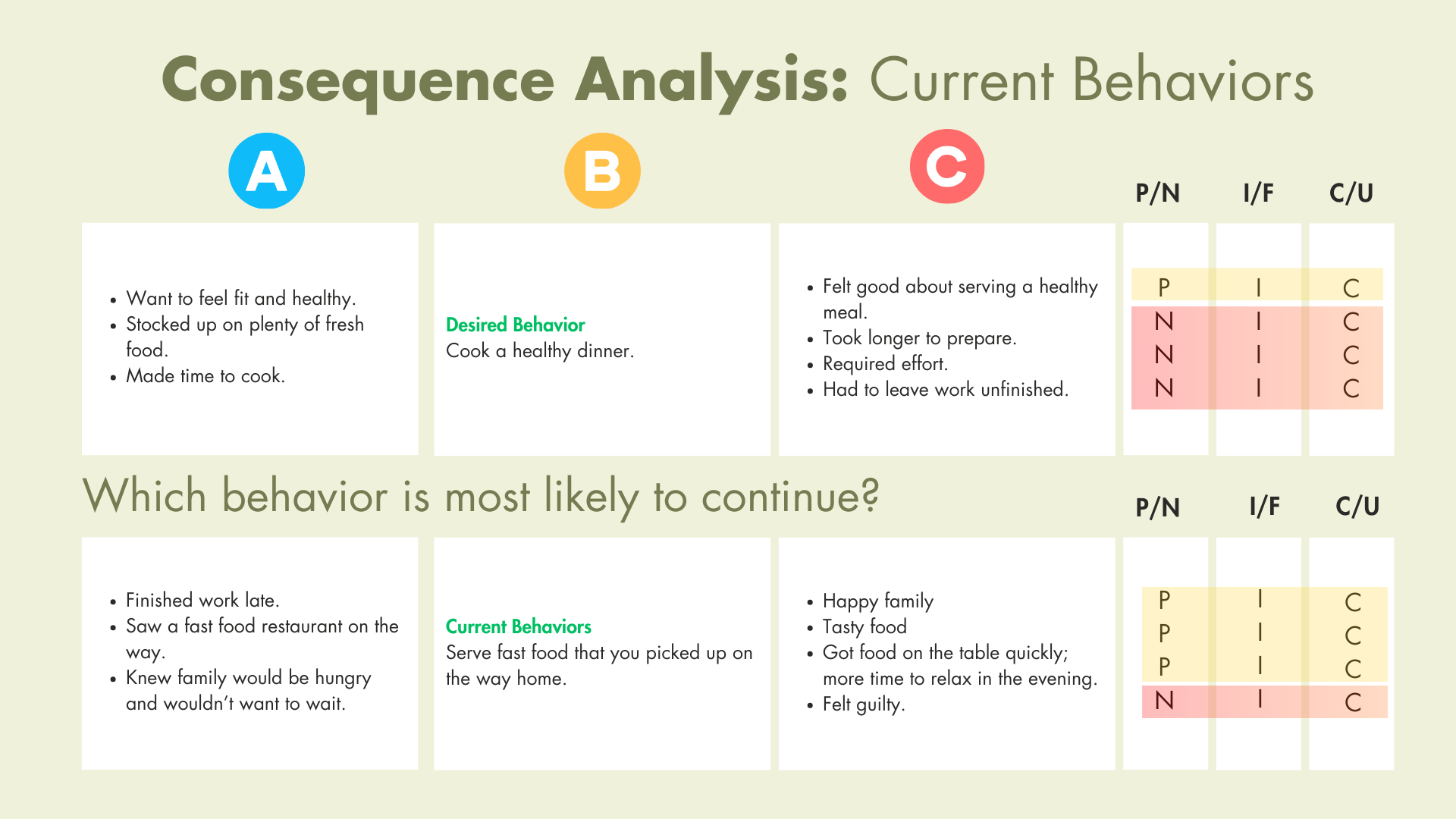
An Antecedent-Behavior-Consequence (ABC) checklist is a foundational tool in Applied Behavior Analysis (ABA) designed to record and analyze environmental factors that influence specific behaviors. By documenting what happens immediately before a behavior (antecedent), the behavior itself, and the outcome that follows (consequence), practitioners can identify patterns, determine the function of the behavior, and implement effective, evidence-based interventions.
Understanding the ABC Framework
The ABC model is rooted in the principle that behavior is learned and maintained by environmental interaction. It operates on the premise that human actions are rarely random; they are functional, serving a purpose such as gaining attention, accessing a tangible item, escaping a demand, or achieving sensory stimulation.
- Antecedent: This refers to the trigger—the specific event, request, or environmental condition that occurs immediately prior to the behavior. It may be internal (e.g., pain, hunger) or external (e.g., a teacher giving an instruction, a loud noise).
- Behavior: The observable, measurable action performed by the individual. A high-quality checklist describes the behavior objectively, avoiding subjective labels like "angry" or "naughty" in favor of descriptive verbs like "screaming," "throwing," or "leaving the seat."
- Consequence: This is what happens immediately after the behavior. This does not imply a "punishment," but rather the reaction of the environment. Did the person get an extra break? Did the behavior lead to social reprimand? Did the demand get withdrawn? The consequence reveals what is currently reinforcing the behavior.
Why Use a Structured Checklist?
Relying on memory to track behavior often leads to bias. Human observation is prone to "confirmation bias," where an observer remembers incidents that align with their expectations while ignoring those that do not. A standardized checklist serves as an objective data-collection instrument that provides a chronological record.
When used consistently, the checklist moves the observer from anecdotal complaining to data-driven decision-making. If you are a parent, teacher, or caregiver, this data is essential for communicating with professionals such as Board Certified Behavior Analysts (BCBAs). Professionals require precise data to conduct a Functional Behavior Assessment (FBA), which is a formal process required for creating an effective Behavior Intervention Plan (BIP).
Prerequisites for Effective Data Collection
Before you begin, ensure you have defined the target behavior with precision. If the behavior is too broad—such as "acting out"—you will struggle to collect meaningful data. Instead, define it by its physical manifestation.
- Operationally define the behavior: Be specific. Instead of "disruptive," use "flips desk" or "shouts over the teacher."
- Define the observation period: Specify when the checklist will be used. Is it during math lessons? During playtime? Throughout the entire school day?
- Prepare the environment: Keep the checklist in a location where it can be accessed immediately after the behavior occurs. Data recorded hours later is significantly less reliable than data recorded in the moment.
How to Complete the Checklist
The efficiency of the ABC checklist relies on a systematic approach. When an incident occurs, complete the log as soon as the individual is safe and regulated.
| Component | What to Record | Example Entry |
|---|---|---|
| Antecedent | Identify the immediate trigger. | Teacher asked student to begin writing assignment. |
| Behavior | Describe the specific action. | Student pushed pencil off the desk and shouted. |
| Consequence | Record the immediate result. | Teacher spent 30 seconds asking the student to stop. |
| Function | Propose the likely motive. | Attention (the student secured teacher engagement). |
When recording these entries, maintain a neutral tone. Avoid writing "he did this to annoy me." Instead, stick to the facts of the interaction. If you notice multiple antecedents leading to the same behavior, note the recurring theme. Perhaps the behavior consistently occurs only when the room is noisy, suggesting a sensory-related function rather than a social one.
Analyzing the Data for Trends
After collecting data for a period—typically two weeks of consistent observation—review the logs for patterns. Look for correlations between the antecedents and the behaviors.
If you find that the behavior occurs consistently following an instruction to perform a difficult task, the function is likely "escape." If the behavior happens frequently when you are working with another person, the function is likely "attention." Understanding the function is the most critical step, as it dictates the intervention strategy. For instance, you would not provide an "attention-based" reward to a student who is acting out to "escape" a task, as that would fail to address the underlying motivation.
Common Pitfalls to Avoid
Even with a clear checklist, observers often struggle with common mistakes that can invalidate their data.
- Subjectivity: Avoid interpretations of intent. You cannot know what someone is thinking. You can only know what they did and how the environment reacted.
- Delay in Recording: Waiting until the end of the day often results in "summary bias," where the observer generalizes events rather than recording the specific chain of events.
- Inconsistency: If the checklist is only used for the "worst" incidents and ignored for minor ones, the data will be skewed. Consistent logging is required for accurate analysis.
- Missing Antecedents: Sometimes, the antecedent is not an action but a state. Ensure you track if the individual was tired, sick, or lacked access to preferred items prior to the behavior.
Frequently Asked Questions
How long should I keep an ABC checklist? Data collection should continue until a clear pattern emerges, allowing you to hypothesize the function of the behavior. Typically, 7 to 14 days of consistent data is sufficient to identify trends that can inform a professional intervention plan.
What if the consequence is not obvious? Sometimes the consequence is internal or social in a way that is not immediately visible. If the behavior persists, observe if the individual "succeeded" in their goal. If they were allowed to skip a task, the "escape" was the consequence, even if no one spoke to them.
Can I use an ABC checklist for adults? Yes. The ABC framework is universal and applies to individuals of any age. While the language used to describe behaviors may change, the principles of environmental reinforcement remain identical.
What do I do if I cannot find a pattern? If after two weeks of data no pattern emerges, the behavior might be influenced by factors outside the environment (e.g., sleep, medication, or medical issues) or the definition of the behavior is too vague. Consult a professional to refine your tracking methods or investigate physiological triggers.
Should I show the checklist to the person exhibiting the behavior? Generally, the ABC checklist is a professional documentation tool for caregivers and educators, not a feedback form for the individual. Unless specific clinical goals involve the individual tracking their own behavior, keep the document for data analysis purposes only.
Recommended Next Steps
To begin, select one specific behavior you wish to address. Create a simple log based on the table provided in this guide and commit to recording every instance of that behavior for the next ten school or work days. Do not attempt to change the behavior during this phase; your sole task is to act as an objective researcher. Once you have a sufficient volume of entries, look for the recurring consequence. That consequence is the "reinforcer" that is keeping the behavior alive. Identifying it is the first step toward modifying the environment to reduce the behavior effectively.