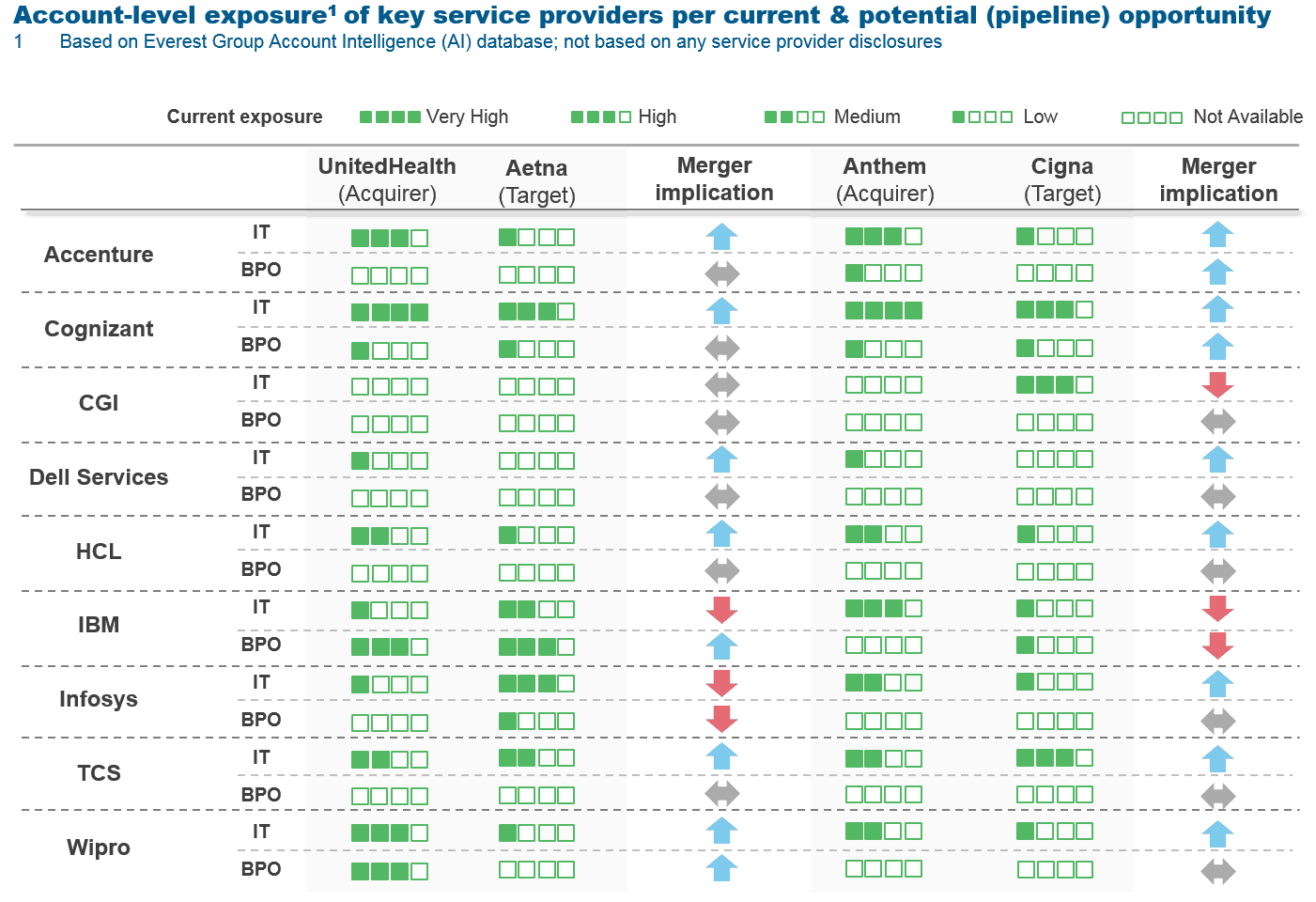
The Anthem-Cigna merger attempt was a landmark corporate event that aimed to create the largest health insurer in the United States. Proposed in 2015 for approximately $54 billion, the deal was eventually blocked by federal courts in 2017 due to antitrust concerns and internal friction, fundamentally altering the landscape of the American healthcare industry.
The Genesis of the Anthem-Cigna Merger
In the mid-2010s, the healthcare industry faced significant pressure to consolidate. The implementation of the Affordable Care Act (ACA) and a shifting regulatory environment prompted major players to seek scale. Anthem (now known as Elevance Health) and Cigna were two of the "Big Five" health insurers, along with UnitedHealth Group, Aetna, and Humana.
The primary motivation for the merger was to achieve unprecedented scale. Anthem, a major Blue Cross Blue Shield licensee, sought to integrate Cigna’s robust commercial business and international presence. Proponents argued that the combined entity would possess the leverage necessary to negotiate better rates with providers, theoretically passing those savings on to consumers in the form of lower premiums. However, regulators and critics viewed the move as an attempt to stifle competition in an already concentrated market.
Chronological Timeline: From Proposal to Litigation
The path of the Anthem-Cigna deal was marked by aggressive bidding, regulatory pushback, and a deteriorating relationship between the two corporate giants.
| Date | Key Event | Significance |
|---|---|---|
| June 2015 | Anthem's initial public bid | Anthem goes public with a $47.5 billion offer after private talks stall. |
| July 24, 2015 | Official Merger Agreement | Cigna accepts a sweetened deal valued at approximately $54.2 billion. |
| July 2016 | DOJ Files Lawsuit | The Department of Justice sues to block the merger on antitrust grounds. |
| Nov 2016 | Antitrust Trial Begins | The bench trial starts in the U.S. District Court for the District of Columbia. |
| Feb 8, 2017 | District Court Ruling | Judge Amy Berman Jackson blocks the merger, citing harm to competition. |
| April 28, 2017 | Appellate Court Ruling | The U.S. Court of Appeals upholds the lower court’s decision to block the deal. |
| May 12, 2017 | Deal Termination | Anthem officially terminates the merger agreement after the Supreme Court denies a stay. |
| 2017 – 2020 | Breakup Fee Litigation | Anthem and Cigna sue each other for billions in damages and termination fees. |
| August 2020 | Delaware Court Ruling | Vice Chancellor Laster rules that neither party is entitled to damages. |
Detailed Breakdown of the Regulatory Hurdles
The primary obstacle to the Anthem-Cigna deal was the U.S. Department of Justice (DOJ). In July 2016, the DOJ, along with several state attorneys general, filed a civil antitrust lawsuit to prevent the merger. The government’s argument focused on two main segments: the "National Accounts" market and local commercial markets.
The National Accounts Argument
The DOJ argued that the merger would reduce the number of major insurers capable of serving large, multi-state employers from four to three. This market—referred to as the "National Accounts" segment—is highly specialized. Large corporations require insurers with vast provider networks and sophisticated administrative capabilities. By removing Cigna as an independent competitor, the DOJ contended that the remaining firms would have less incentive to innovate or offer competitive pricing.
Innovation and Choice
Cigna was frequently characterized during the trial as a "maverick" in the industry. Known for its "Value-Based" care models, Cigna focused on wellness and preventative measures to lower costs rather than just negotiating lower unit prices for medical services. The DOJ argued that an Anthem acquisition would swallow this innovative culture, replacing Cigna’s collaborative approach with Anthem’s more traditional, volume-based negotiation tactics.
The Internal Conflict: Swedish vs. Cordani
One of the most unusual aspects of the Anthem-Cigna merger was the public and vitriolic breakdown of the relationship between the two companies' leadership teams. As the regulatory pressure mounted, the "integration" efforts turned into a legal "war room" environment.
Joseph Swedish, then-CEO of Anthem, and David Cordani, CEO of Cigna, reportedly clashed over the future structure of the combined company. These disagreements were not merely professional; they became a central part of the DOJ’s case. The government used internal emails to demonstrate that the two companies were no longer working toward a common goal.
During the trial, evidence emerged that Cigna had effectively stopped cooperating with Anthem’s efforts to gain regulatory approval. Cigna’s legal team was accused of "sabotaging" the defense by failing to provide testimony that supported the merger's purported "synergies." This internal friction led Judge Amy Berman Jackson to note that the "elephant in the room" was the clear hostility between the two parties, which undermined the argument that they could successfully integrate and achieve the promised consumer benefits.
The Role of the Blue Cross Blue Shield Association (BCBSA)
A significant technical complication in the deal involved Anthem's status as a Blue Cross Blue Shield (BCBS) licensee. The BCBSA has strict rules regarding how much revenue a member company can generate from non-Blue branded business. This is known as the "Best Efforts" rule.
Because Cigna was a direct competitor to other Blue plans across the country, Anthem’s acquisition of Cigna threatened to violate these association rules. To comply, Anthem would have been forced to either rebrand Cigna business as "Blue" or divest significant portions of Cigna’s portfolio. Cigna executives expressed concern that Anthem would prioritize its "Blue" obligations over Cigna’s existing clients, potentially leading to a cannibalization of Cigna’s market share to satisfy the BCBSA.
The "Synergies" Debate: Savings vs. Competition
Anthem’s primary defense was centered on the concept of "medical cost synergies." They argued that by combining, they could achieve $2.4 billion in annual medical cost savings by applying Anthem’s lower provider rates to Cigna’s customer base.
However, the court found this argument unpersuasive for several reasons:
- Contractual Limitations: Many of Anthem's lower rates were tied to its "Blue" status, which might not have legally extended to Cigna’s legacy customers.
- Harm to Quality: The court feared that forcing providers to accept lower rates without the collaborative "value-based" model Cigna employed would result in a decrease in the quality of care.
- Pass-through Uncertainty: There was no guarantee that the $2.4 billion in savings would actually be passed to employers and employees rather than being retained as corporate profit.
The Legal Aftermath and the $1.85 Billion Question
Following the final judicial block in 2017, the battle moved from antitrust to contract law. The merger agreement included a $1.85 billion reverse termination fee that Anthem would owe Cigna if the deal failed due to regulatory issues—provided Cigna had fulfilled its obligations.
Cigna sued Anthem for the fee plus over $13 billion in additional damages, claiming Anthem breached the agreement by failing to use "best efforts" to clear regulatory hurdles. Anthem countersued, claiming Cigna’s "sabotage" of the merger defense constituted a breach of contract that nullified the breakup fee.
In August 2020, the Delaware Court of Chancery issued a scorched-earth ruling. Vice Chancellor J. Travis Laster determined that while Cigna had indeed failed to cooperate and had actively worked against the merger, Anthem had also committed breaches. The court concluded that neither side was entitled to any money. This decision left both companies to walk away from the wreckage of the deal without further financial exchange, ending a half-decade of litigation.
Impact on the Health Insurance Landscape
The failure of the Anthem-Cigna merger, alongside the simultaneous collapse of the Aetna-Humana deal, signaled the end of "Mega-Merger" era for horizontal consolidation among health insurers.
- Vertical Integration: Denied the ability to grow "outward" by buying competitors, insurers began growing "up and down" the supply chain. This led to CVS Health acquiring Aetna and Cigna acquiring the pharmacy benefit manager (PBM) Express Scripts.
- Rebranding: Anthem eventually rebranded as Elevance Health in 2022 to reflect its evolution beyond being a traditional health insurer into a broader health services company.
- Increased Scrutiny: The case set a high bar for the DOJ and Federal Trade Commission (FTC) in proving "harm to innovation," a precedent that continues to affect healthcare M&A in 2026.
Frequently Asked Questions
Why was the Anthem-Cigna merger blocked?
The merger was primarily blocked because it was found to violate antitrust laws by significantly reducing competition in the "National Accounts" market. The court also cited the high likelihood that the merger would lead to higher prices for consumers and stifle the innovative "value-based" care models that Cigna had pioneered.
What was the total value of the deal?
The deal was valued at approximately $54.2 billion at the time of the agreement in July 2015. This included a combination of cash and Anthem stock offered to Cigna shareholders.
Did Anthem pay the breakup fee to Cigna?
No. Although the contract initially called for a $1.85 billion reverse termination fee, the Delaware Court of Chancery ruled in 2020 that Cigna’s lack of cooperation during the antitrust trial meant Anthem was not obligated to pay the fee.
How did the Blue Cross Blue Shield Association affect the deal?
The BCBSA’s "Best Efforts" rules limited how much non-Blue revenue a licensee like Anthem could generate. This created a conflict of interest, as Anthem would have needed to limit Cigna’s growth or rebrand its services to comply with the association's rules, which Cigna argued was detrimental to its business.
Who were the CEOs during the merger attempt?
The merger was led by Anthem CEO Joseph Swedish and Cigna CEO David Cordani. The personal and professional friction between these two leaders was cited as a major factor in the deal's failure and the subsequent legal battles.
Conclusion and Future Outlook
The Anthem-Cigna merger serves as a definitive case study in the complexities of large-scale healthcare consolidation. It highlights that even with massive financial resources, corporate deals can fail when they face a combination of rigorous federal antitrust enforcement, restrictive industry association rules, and internal leadership dysfunction.
For industry analysts and corporate strategists in 2026, the legacy of this failed deal remains a cautionary tale. It shifted the industry's focus toward vertical integration—owning PBMs, physician groups, and data analytics firms—rather than simply acquiring direct competitors. Organizations looking to navigate the current regulatory environment must prioritize demonstrating clear, verifiable consumer benefits and ensuring total leadership alignment before embarking on such transformative transactions.