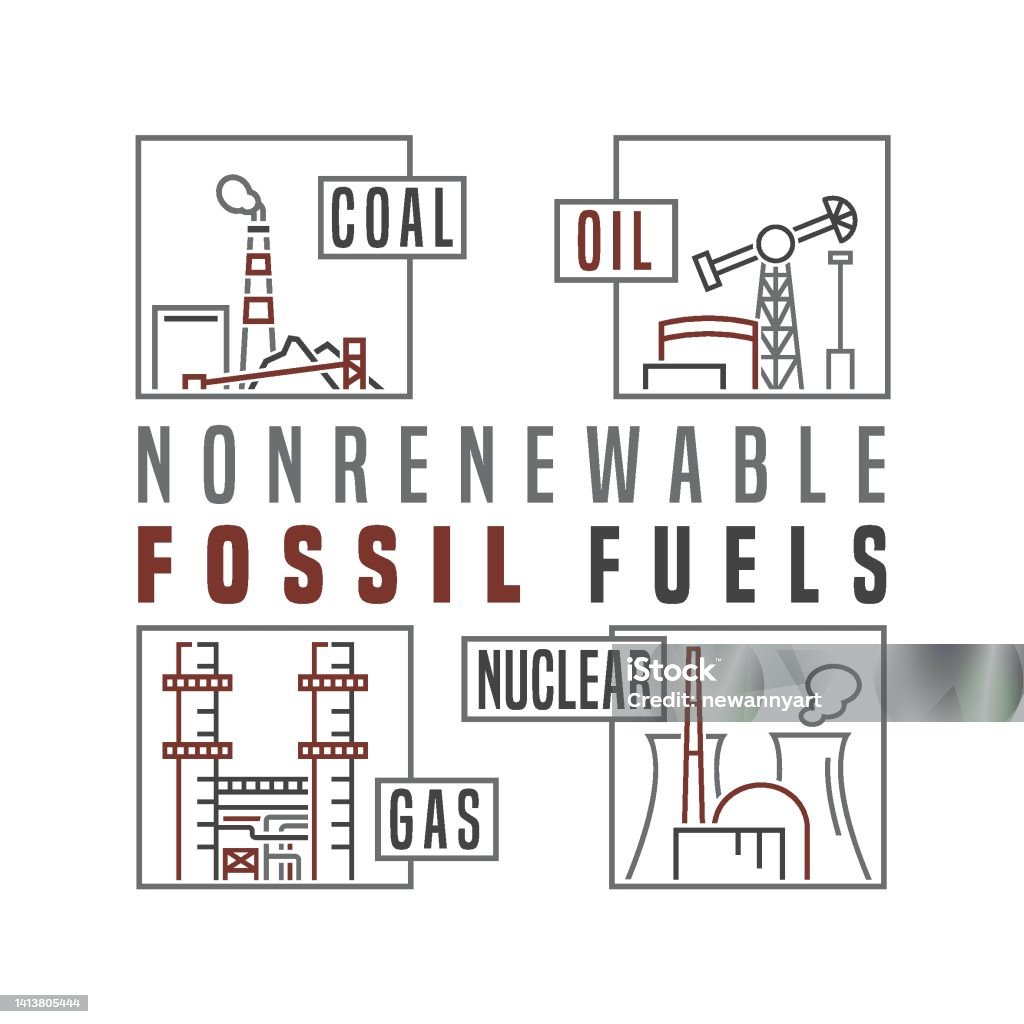
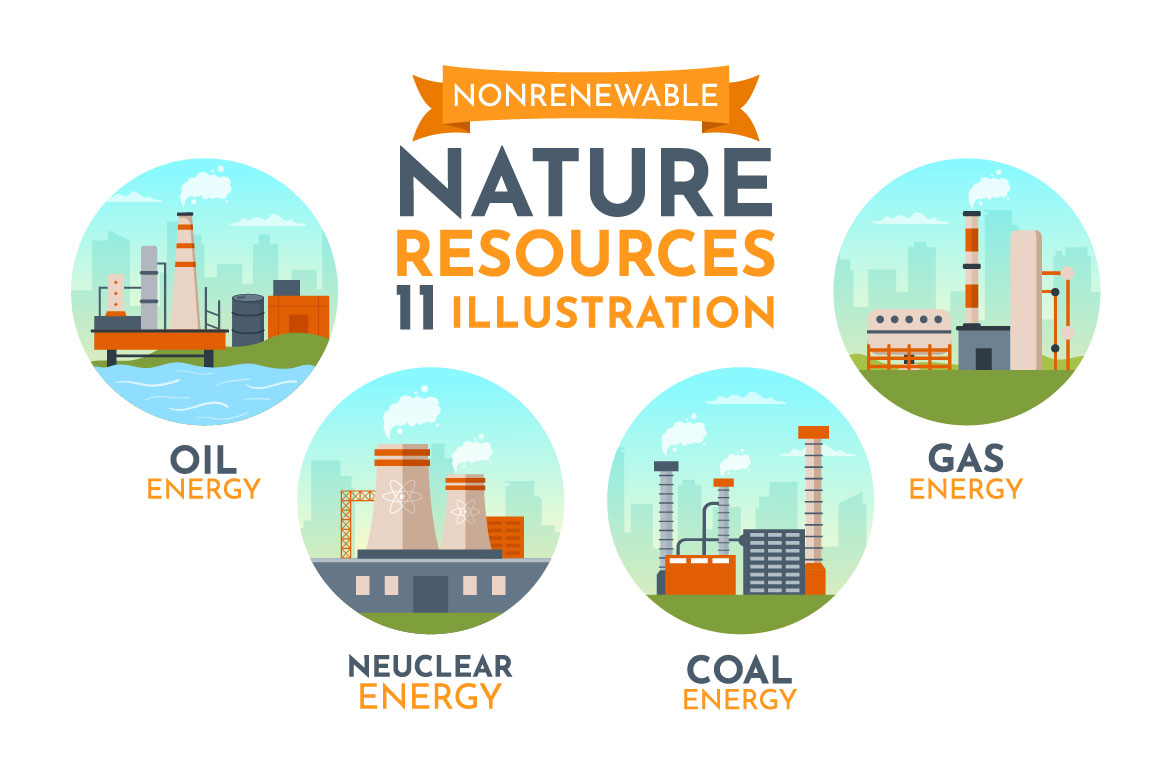
Non-renewable energy sources are finite natural resources—primarily fossil fuels like coal, oil, and natural gas, along with nuclear fuels—that cannot be replenished on a human timescale once consumed. In 2026, these sources still provide the majority of the world’s industrial power and transportation fuel, despite an accelerated global transition toward sustainable energy alternatives.
Defining Non-Renewable Energy in the 2026 Landscape
Non-renewable energy refers to energy harvested from sources that exist in fixed amounts within the Earth's crust. These resources took millions of years to form through complex geological, biological, and chemical processes. Because their rate of consumption vastly exceeds their rate of formation, they are considered exhaustible.
As of 2026, the global energy discourse has shifted from simple availability to the "energy trilemma": balancing energy security, energy equity, and environmental sustainability. While renewable capacity has seen record growth, non-renewable sources remain deeply embedded in existing infrastructure, particularly in heavy industry, aviation, and baseload power generation. Understanding the nuances of these sources is critical for navigating the economic and environmental challenges of the current decade.
The Four Primary Non-Renewable Energy Sources
To understand the full scope of non-renewable energy, one must categorize them based on their physical state and extraction methods. The primary categories are fossil fuels (solid, liquid, and gas) and nuclear fuel.
1. Coal: The Solid Fossil Fuel
Coal is a sedimentary rock formed from the remains of ancient plant matter that was subjected to intense heat and pressure over 300 to 400 million years. It is primarily composed of carbon, along with varying amounts of hydrogen, sulfur, oxygen, and nitrogen.
- Anthracite: The highest grade of coal, containing 86% to 97% carbon. It has the highest heating value and is used primarily for industrial applications and high-end residential heating.
- Bituminous Coal: Often called "soft coal," this is the most abundant type. It is used extensively in electricity generation and in the steel-making process (coking coal).
- Sub-bituminous and Lignite: Lower-grade coals with higher moisture content and lower energy density. Lignite, or "brown coal," is the least refined and most polluting when burned.
In 2026, coal remains a point of contention. While many developed nations have retired a significant portion of their coal-fired fleets, emerging economies still rely on it for cheap, reliable baseload power. The implementation of Carbon Capture and Storage (CCS) technologies has become a prerequisite for coal's continued operation in many jurisdictions under strict 2030 emissions targets.
2. Petroleum (Crude Oil): The Liquid Energy Driver
Petroleum is a liquid mixture of hydrocarbons found in underground reservoirs. It is the most versatile non-renewable resource, serving as the primary feedstock for transportation fuels and the petrochemical industry.
The extraction of petroleum involves drilling into reservoirs, followed by a complex refining process known as fractional distillation. This process separates the crude oil into various components based on their boiling points, producing gasoline, diesel, jet fuel, heating oil, and lubricants. Beyond fuel, petroleum is the foundation for plastics, synthetic rubbers, and many fertilizers.
Despite the rise of electric vehicles (EVs) in 2026, petroleum remains essential for long-haul shipping, aviation, and the manufacturing of high-performance materials. The technical challenge for the oil industry currently lies in "decarbonizing" the extraction process (Scope 1 and 2 emissions) while managing the eventual decline in long-term demand.
3. Natural Gas: The Gaseous "Bridge Fuel"
Natural gas consists primarily of methane ($CH_4$) and is often found alongside petroleum deposits or in shale rock formations. Over the last two decades, advances in horizontal drilling and hydraulic fracturing (fracking) have significantly increased the accessible supply of natural gas.
Natural gas is often described as a "bridge fuel" because it emits approximately 50% less carbon dioxide than coal when burned for electricity. However, the 2026 perspective emphasizes the danger of methane leaks during extraction and transport. Methane is a potent greenhouse gas with a warming potential much higher than $CO_2$ over a 20-year period. Consequently, the industry is now under heavy regulation to implement satellite-based leak detection and "zero-flare" policies.
4. Nuclear Energy: The Non-Carbon Alternative
Nuclear energy is generated through the process of nuclear fission—splitting the atoms of certain elements, most commonly Uranium-235. While nuclear power does not produce greenhouse gas emissions during operation, it is categorized as non-renewable because the Earth has a finite supply of minable uranium.
Nuclear energy provides a steady, high-capacity "baseload" of electricity that complements the intermittent nature of wind and solar. In 2026, there is a renewed interest in Small Modular Reactors (SMRs), which offer a more flexible and safer alternative to traditional large-scale nuclear plants. The primary technical hurdles remain the long-term storage of radioactive waste and the high capital costs associated with plant construction and decommissioning.
Technical Comparison of Non-Renewable Energy Sources
The following table compares the key metrics of non-renewable sources as they are understood in 2026, focusing on energy density, environmental impact, and primary utilization.
| Source | Physical State | Primary Use Case | Energy Density (Approx.) | $CO_2$ Emissions (per kWh) |
|---|---|---|---|---|
| Coal (Anthracite) | Solid | Electricity, Steel | 24–35 MJ/kg | ~800–1000g |
| Petroleum | Liquid | Transport, Chemicals | 42–46 MJ/kg | ~650–800g |
| Natural Gas | Gas | Heating, Electricity | 50–55 MJ/kg | ~400–500g |
| Nuclear (U-235) | Solid (Fuel Rods) | Electricity | 3,900,000 MJ/kg | ~10–30g (Lifecycle) |
Note: $CO_2$ emission values are estimates for modern 2026-standard facilities without full CCS integration. Nuclear emissions primarily occur during mining and construction.
Environmental Implications of Continued Reliance
The implications of non-renewable energy consumption are profound and multi-faceted, affecting the atmosphere, lithosphere, and hydrosphere.
Greenhouse Gas Emissions and Climate Change
The most pressing implication is the release of carbon dioxide and methane. These gases trap heat in the atmosphere, leading to global temperature rises. By 2026, the effects of this warming are visible in the increased frequency of extreme weather events, rising sea levels, and shifts in agricultural zones. The "carbon budget"—the amount of $CO_2$ the world can emit while staying within the Paris Agreement limits—is rapidly diminishing, placing non-renewable sources under intense scrutiny.
Air and Water Pollution
Beyond carbon, the combustion of fossil fuels releases sulfur dioxide ($SO_2$), nitrogen oxides ($NO_x$), and particulate matter (PM2.5). These pollutants contribute to acid rain and respiratory illnesses in human populations. Furthermore, extraction processes like coal mining and fracking pose risks to groundwater. Acid mine drainage and the potential for chemical contamination from fracking fluids require rigorous monitoring and expensive remediation efforts.
Habitat Destruction and Land Use
Mining for coal and uranium, as well as drilling for oil and gas, requires significant land disturbance. This often leads to habitat fragmentation, loss of biodiversity, and the displacement of local communities. In 2026, the regulatory trend has shifted toward "Net Gain" biodiversity requirements, forcing energy companies to restore ecosystems after extraction activities cease.
Economic and Geopolitical Implications
The global reliance on non-renewable energy is not just a technical or environmental issue; it is a foundational element of global economics and power dynamics.
Price Volatility and Market Stability
Fossil fuel prices are notoriously volatile, influenced by geopolitical tensions, supply chain disruptions, and cartel decisions (such as OPEC+). For energy-importing nations, this volatility creates economic instability and inflation. In 2026, many countries are aggressively diversifying their energy portfolios to reduce their exposure to these price swings, viewing renewable energy not just as an environmental choice but as a matter of national economic security.
Infrastructure Inertia and Stranded Assets
A significant challenge in the 2026 energy transition is the trillions of dollars invested in existing non-renewable infrastructure—pipelines, refineries, and power plants. As regulations tighten and renewable costs fall, these investments risk becoming "stranded assets"—facilities that are no longer economically viable but haven't reached the end of their physical life. Managing the write-down of these assets without causing financial systemic risk is a major focus for central banks and global regulators.
Energy Security and Geopolitics
For decades, the geographic concentration of oil and gas reserves has shaped global alliances and conflicts. As the world shifts away from fossil fuels, the geopolitical map is being redrawn. Nations that once derived power from their carbon reserves are now pivoting toward hydrogen production or mineral mining for batteries. Conversely, the transition has created new dependencies on the materials required for renewable technology, such as rare earth elements, though the influence of traditional "petro-states" remains significant in 2026.
The Role of Nuclear Power in a Low-Carbon Future
Nuclear power occupies a unique position in the non-renewable category. Unlike fossil fuels, it provides a solution to the carbon emission problem while presenting a different set of risks.
The technical depth of nuclear power in 2026 involves the management of the nuclear fuel cycle. This includes:
- Front-End: Mining, milling, conversion, enrichment, and fuel fabrication.
- The Service Period: Power generation within the reactor.
- Back-End: Spent fuel management, reprocessing (in some countries), and deep geological disposal.
The primary implication of nuclear power is the "intergenerational burden" of waste. Radioactive waste remains hazardous for thousands of years, requiring geological repositories that can withstand tectonic shifts and human interference. While technological advances like "fast reactors" could potentially burn existing waste as fuel, these are not yet deployed at a scale to solve the waste issue by 2026.
Managing the Transition: Current Best Practices
As of 2026, the "all-of-the-above" energy strategy has evolved into a "managed decline" strategy for non-renewables. Key actions being taken by governments and industries include:
- Methane Abatement: Implementing mandatory "Leak Detection and Repair" (LDAR) programs across all natural gas infrastructure.
- Carbon Pricing: Establishing high enough prices on carbon emissions to make fossil fuel combustion less attractive than renewable alternatives.
- Just Transition Frameworks: Ensuring that workers in the coal and oil industries are retrained for the "green economy" to prevent regional economic collapse.
- Advanced Scrubbing: Retrofitting remaining non-renewable plants with advanced filters to remove non-$CO_2$ pollutants like mercury and sulfur.
Frequently Asked Questions
Is natural gas truly a clean energy source?
Natural gas is "cleaner" than coal in terms of $CO_2$ emissions during combustion, but it is not "clean." When accounting for methane leaks throughout its lifecycle, the total greenhouse gas impact of natural gas can rival that of coal. In 2026, it is viewed as a necessary temporary partner to renewables, but one that must eventually be phased out or coupled with carbon capture.
Why is nuclear energy considered non-renewable?
Nuclear energy relies on uranium, which is a finite element found in the Earth's crust. While the energy density of uranium is astronomical and its carbon footprint is low, it does not regenerate. Therefore, it is technically a non-renewable resource, though its supply is significantly less constrained than that of oil or gas.
What are "stranded assets" in the energy sector?
Stranded assets are investments in non-renewable energy infrastructure—like a new coal power plant or a gas pipeline—that lose their value before their expected lifespan is over. This happens because of changing regulations, the falling cost of renewables, or shifts in social acceptance. By 2026, preventing stranded assets has become a core part of corporate financial planning.
Can carbon capture make coal sustainable?
Carbon Capture and Storage (CCS) can significantly reduce the $CO_2$ emissions from coal plants. However, the technology is expensive, energy-intensive to operate, and does not address the environmental damage caused by coal mining or the emissions of other pollutants. Most experts in 2026 see CCS as a tool for "hard-to-abate" industrial sectors (like cement and steel) rather than a way to save the traditional coal power industry.
How does non-renewable energy affect global health?
The World Health Organization and other bodies have linked fossil fuel combustion to millions of premature deaths annually. Particulate matter (PM2.5) from coal and diesel combustion can penetrate deep into the lungs and enter the bloodstream, causing cardiovascular and respiratory diseases. The transition away from these sources is as much a public health initiative as it is a climate one.
Practical Recommendation for 2026
For policymakers and energy managers in 2026, the priority is to maximize the efficiency of existing non-renewable assets while aggressively de-risking the transition to renewables. This involves implementing Real-Time Emission Monitoring to minimize methane and pollutant leakage and investing in Grid Modernization to ensure that baseload power from nuclear or gas-with-CCS can integrate seamlessly with a high-penetration renewable grid. For individual consumers and businesses, the focus should remain on energy efficiency and electrification to reduce direct exposure to the inherent volatility of non-renewable energy markets.