Keyman insurance, also known as key person insurance, is a life insurance policy a business purchases on the life of a crucial employee, executive, or owner whose death or disability would cause significant financial strain. The company pays the premiums, owns the policy, and serves as the primary beneficiary, using the payout to stabilize operations, recruit a replacement, or manage debt during a transition.
In the corporate landscape of 2026, human capital is often a company’s most valuable asset. While physical assets like machinery and real estate are routinely insured, the intellectual and strategic value of a "key person" is frequently overlooked. Keyman insurance bridges this gap by providing a financial safety net that ensures a business can survive the loss of its most influential contributors.
Defining the "Key Person" in 2026
The first step in understanding keyman insurance is identifying who qualifies as a "key person." This is not limited to the CEO or the founder. In modern business structures—ranging from tech startups to established manufacturing firms—a key person is anyone whose absence would cause a direct and measurable drop in revenue or a significant increase in operational costs.
Common examples of key persons include:
- Founders and Visionaries: Individuals whose personal brand or vision is tied to the company’s market valuation or investor confidence.
- Top Sales Executives: Professionals responsible for a disproportionate share of the company’s annual recurring revenue or client relationships.
- Lead Engineers or Architects: Specialized technical experts whose knowledge of proprietary systems or ongoing projects is irreplaceable in the short term.
- Chief Financial Officers (CFOs): Those who manage complex debt structures, investor relations, and capital allocations that keep the business solvent.
The loss of these individuals doesn't just create an emotional void; it creates a "knowledge gap" and a "credibility gap." Investors may pull funding, banks may call in loans, and competitors may attempt to poach clients or staff during the period of uncertainty.
The Mechanics: How Keyman Insurance Functions
Keyman insurance operates differently than personal life insurance. The business entity assumes all responsibilities and rights associated with the policy.
- Ownership and Premium Payments: The business is the policyholder. It pays the premiums out of its corporate accounts. Because the business is the beneficiary, these premiums are generally not tax-deductible as a business expense (under standard tax codes like the IRC in the United States), but the death benefit is usually received tax-free, provided specific notice and consent requirements are met.
- The Insured: This is the key employee. The employee must provide written consent to be insured by the company. In 2026, regulatory scrutiny remains high regarding "employer-owned life insurance" (EOLI), making formal consent a critical legal prerequisite to ensure the death benefit remains tax-exempt.
- The Beneficiary: The company receives the funds directly. This liquidity allows the board of directors or remaining partners to make strategic decisions without the immediate pressure of insolvency.
All Life: The Spectrum of Policy Options
When we discuss "all life" keyman insurance, we are referring to the full range of permanent and term life insurance products available to satisfy this business need. Choosing the right structure depends on the company's duration of risk and cash flow requirements.
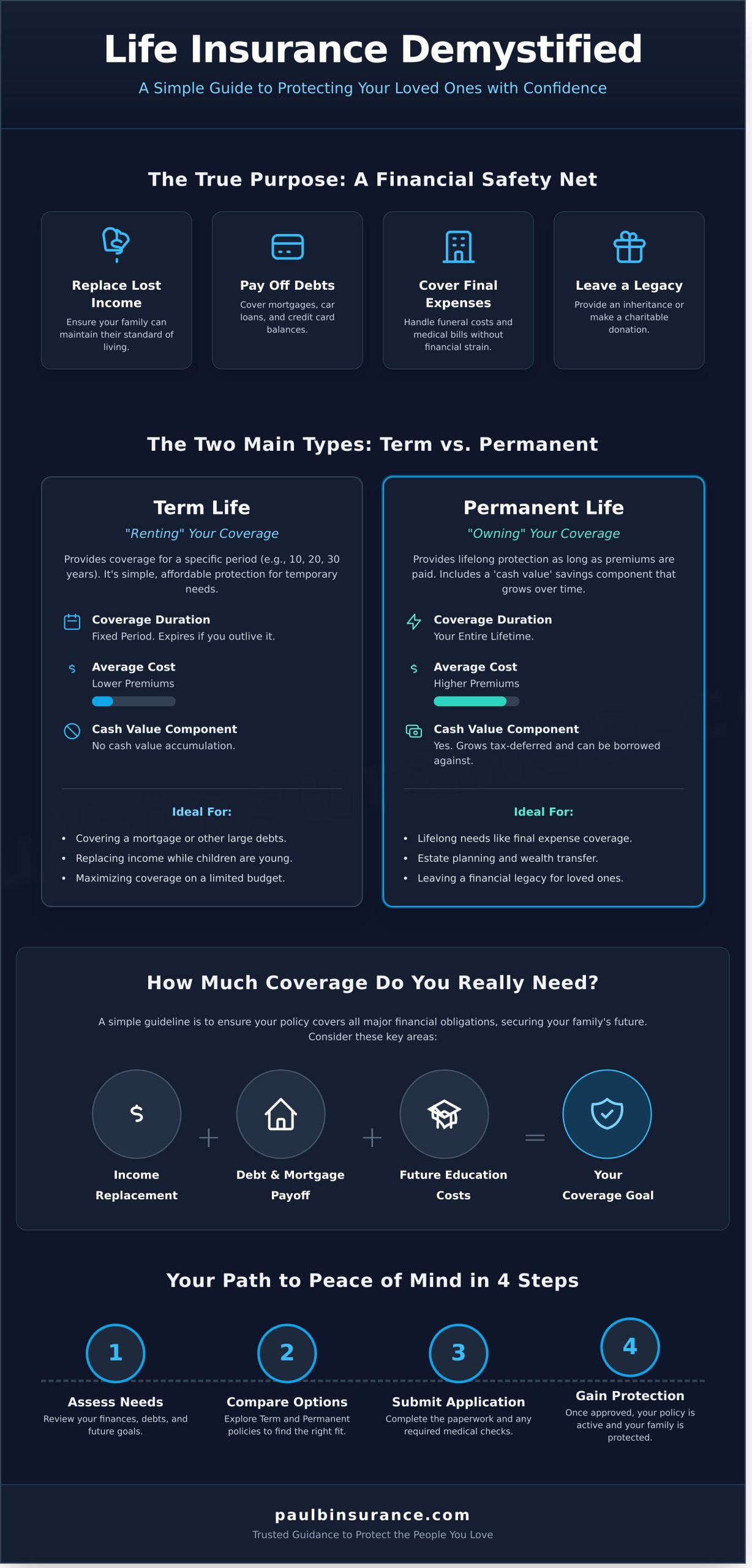
Term Life Insurance for Key Personnel
Term insurance is the most common form of keyman protection. It covers the individual for a specific period—typically 10, 20, or 30 years. This is ideal for protecting a business during a high-growth phase, the duration of a specific long-term project, or until a key executive reaches retirement age. It is cost-effective and provides a high death benefit for a relatively low premium.
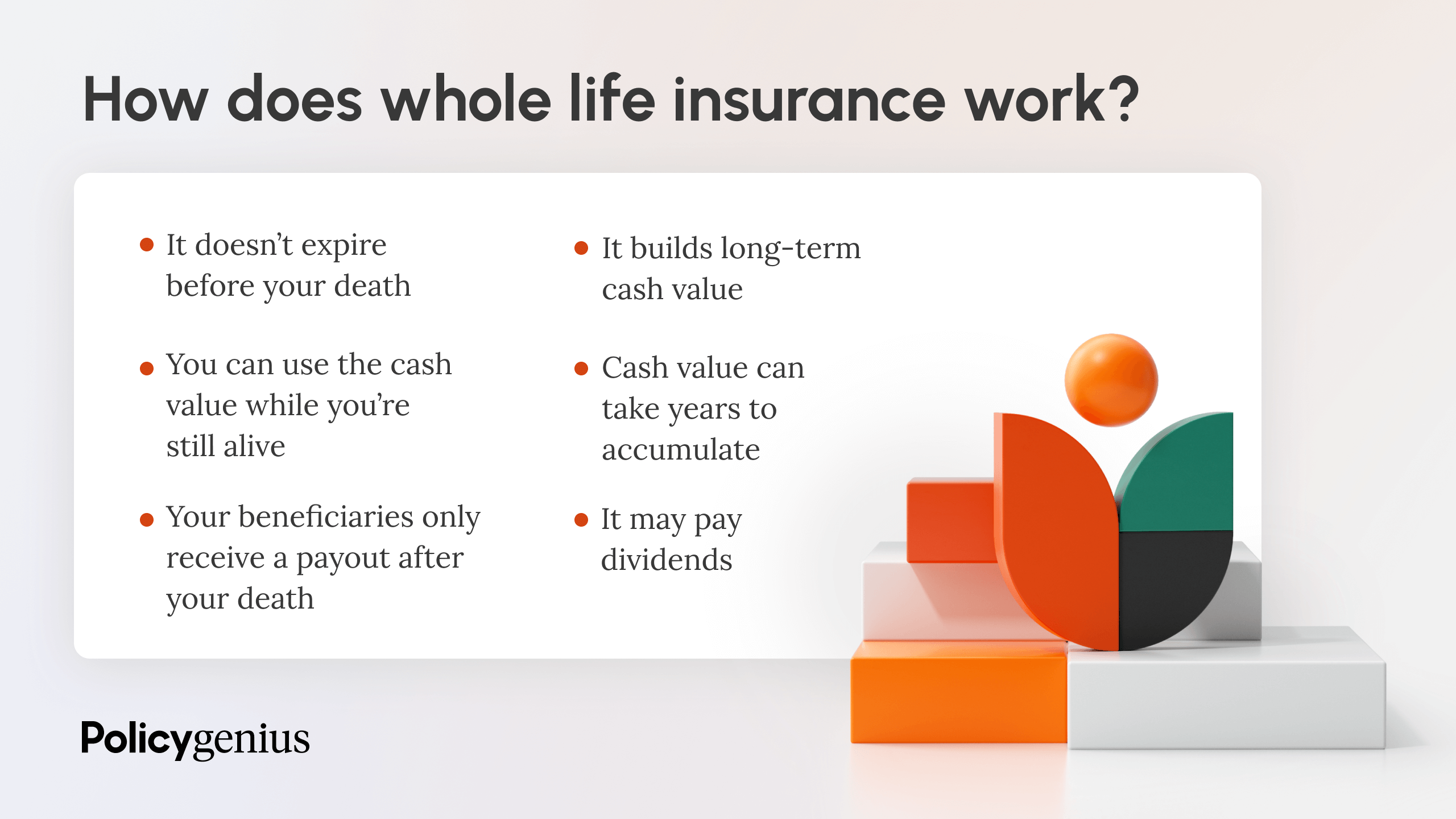
Permanent (Whole or Universal) Life Insurance
Permanent insurance, often referred to as "Whole Life" or "Universal Life," does not expire as long as premiums are paid. These policies include a cash-value component that grows over time. In 2026, many corporations use permanent keyman insurance as an informal funding vehicle for executive benefits or as an asset on the balance sheet.
- Whole Life: Offers fixed premiums and guaranteed growth, providing the highest level of predictability.
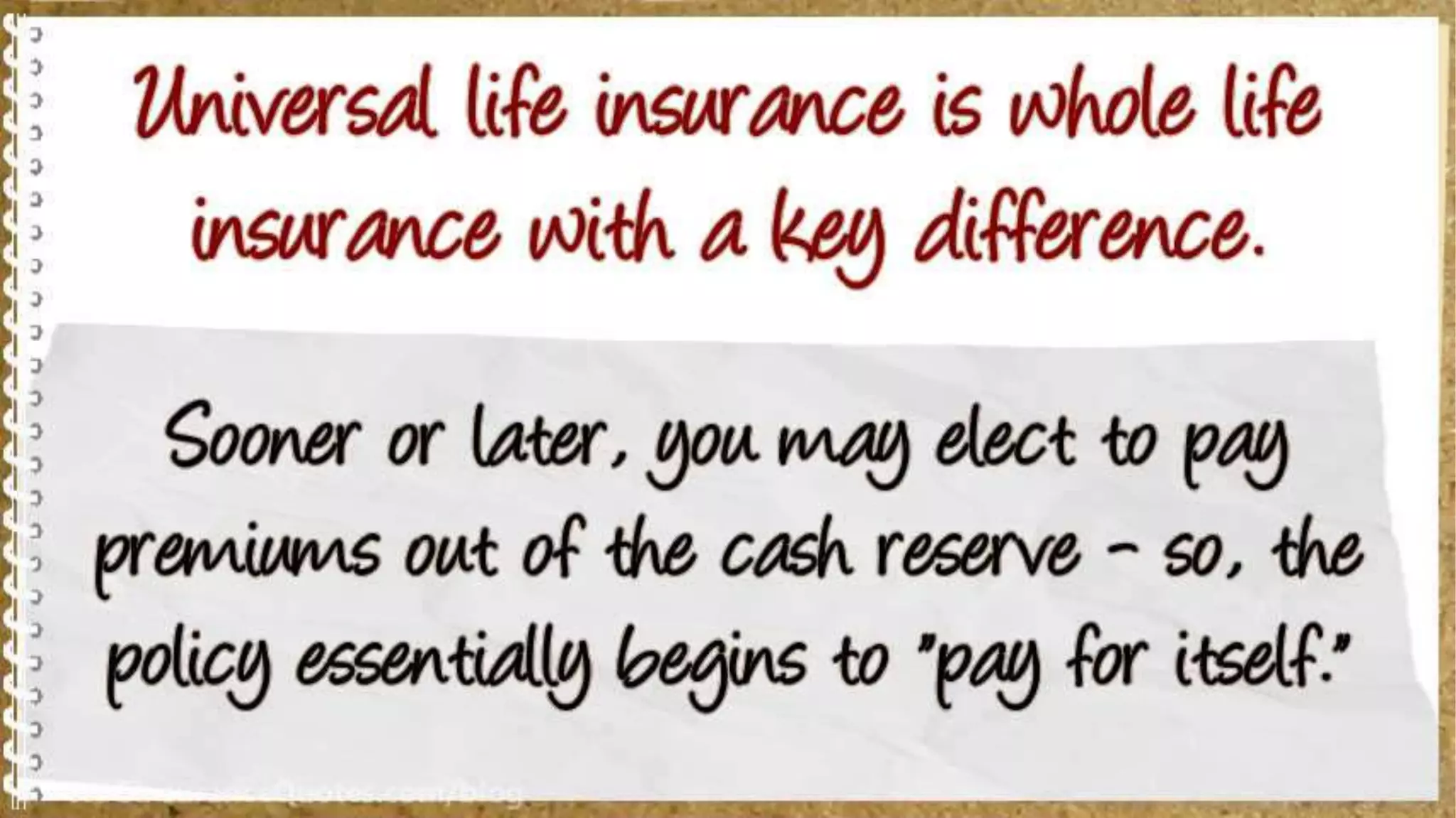
- Universal Life: Offers flexibility in premium payments and death benefits, which can be adjusted as the business's needs evolve.
Valuation: How Much Coverage Is Necessary?
Determining the "price tag" on a human life within a business context is one of the most technical aspects of keyman insurance. Insurance underwriters in 2026 use several established methodologies to ensure a company is neither under-insured nor engaging in "over-insurance," which can raise red flags for regulators.
1. Multiple of Compensation
This is the simplest method. The business takes the key person’s total annual compensation (salary, bonuses, and benefits) and multiplies it by a factor, usually ranging from 5 to 10. For example, if a Lead Developer earns $200,000 annually, the company might seek a $1.5 million to $2 million policy.
2. Cost to Replace
This model focuses on the logistical costs of losing the employee. It includes:
- Recruitment agency fees (often 20-30% of the first year's salary).
- Signing bonuses for a new hire.
- Training costs and the "ramp-up" time during which the new hire will not be fully productive.
- The estimated loss of profit during the search period.
3. Contribution to Earnings
For sales-heavy roles, companies calculate the direct revenue the individual generates. If a partner is responsible for $5 million in annual billings with a 20% profit margin, their death could represent a $1 million annual loss in net profit. The insurance policy would be sized to cover several years of that lost profit to allow the business time to pivot.
Tax and Regulatory Compliance in 2026
To ensure that the death benefit of a keyman policy is received tax-free, businesses must adhere to strict regulatory guidelines. In the United States, for instance, Internal Revenue Code Section 101(j) dictates the requirements for employer-owned life insurance.
Failure to comply with these rules can result in the death benefit being treated as taxable income, which could deplete the funds by 21% or more depending on the corporate tax rate in 2026.
- Notice and Consent: Before the policy is issued, the employee must be notified in writing that the employer intends to insure their life and the maximum face amount for which they could be insured.
- Written Agreement: The employee must provide written consent to be insured and acknowledge that the employer will remain the beneficiary even after the employee terminates their employment (unless the policy is transferred).
- Annual Reporting: Businesses may be required to file specific forms (such as Form 8925 in the US) to report the number of employees insured and ensure ongoing compliance.
Strategic Comparison: Term vs. Permanent Keyman Insurance
The following table compares the two primary paths for keyman insurance to help business owners decide which structure aligns with their 2026 financial goals.
| Feature | Term Life Insurance | Permanent (Whole/Universal) Life |
|---|---|---|
| Duration | Fixed period (10–30 years) | Lifelong (until death or lapse) |
| Cost | Lower initial premiums | Higher premiums |
| Cash Value | None | Accrues over time; can be borrowed against |
| Complexity | Simple; straightforward protection | Complex; requires active management |
| Primary Use | Temporary risk, debt protection | Permanent roles, executive retention |
| Balance Sheet | Treated as an expense | Treated as a corporate asset |
| Flexibility | Limited; policy ends at term | High; premiums and benefits can vary |
The Application and Underwriting Process
Applying for keyman insurance is more rigorous than personal insurance because the "insurable interest" must be proven. The insurance company needs to be convinced that the business will actually suffer a financial loss upon the death of the individual.
Step 1: Corporate Resolution
The company’s board of directors or managing members should pass a formal resolution authorizing the purchase of the insurance. This document outlines why the person is being insured and who will manage the policy.
Step 2: Medical Underwriting
The key person must undergo a medical exam. In 2026, this often includes blood work, cardiovascular stress tests for high-value policies, and a review of electronic health records. Because the policy is for the benefit of a business, the health of the individual is a critical risk factor that determines the premium.
Step 3: Financial Underwriting
The insurance company will often request the business’s financial statements (tax returns, P&L statements, and balance sheets). They want to ensure the death benefit is proportional to the company's size and the individual's role. A $50 million policy on a manager of a company with $100,000 in revenue would likely be denied.
Why Businesses Fail to Implement Keyman Insurance
Despite its importance, many SMEs (Small and Medium Enterprises) overlook this coverage. The most common reasons include:
- Optimism Bias: Founders often believe they are invincible or that the "team will figure it out" if something happens.
- Cost Concerns: In a tight economy, premiums might feel like an unnecessary burden. However, the cost of a policy is a fraction of the cost of a business failure.
- Complexity: The legal and tax requirements can seem daunting without a specialized insurance broker or financial advisor.
In 2026, with the rise of AI-driven business models and highly specialized "solopreneur-led" corporations, the loss of a single person can be even more catastrophic than in decades past. Modern companies are leaner, meaning there is less redundancy in leadership.
Common Mistakes to Avoid
- Naming the Wrong Beneficiary: If the family of the deceased is named as the beneficiary instead of the company, the business does not get the funds it needs to survive, and the premiums paid by the company may be treated as taxable income to the employee.
- Inadequate Coverage Limits: As a company grows, a policy taken out five years ago may no longer be sufficient. Regular "valuation check-ups" are essential.
- Ignoring Disability: While life insurance is vital, a key person is statistically more likely to become disabled than to die during their working years. Adding a Key Person Disability rider is a prudent move for comprehensive protection.
Frequently Asked Questions
Is keyman insurance the same as a Buy-Sell agreement?
No, but they are related. A buy-sell agreement is a legal contract that dictates how a partner's share of a business will be redistributed if they die or leave. Keyman insurance is often the funding mechanism for a buy-sell agreement, providing the cash necessary for the remaining partners to buy out the deceased partner's heirs.
Can a business keep the policy if the employee leaves the company?
Yes, the business owns the policy. If a key employee leaves, the company can choose to maintain the policy, surrender it for its cash value (if it's a permanent policy), or even "sell" or transfer the policy to the departing employee as part of a severance package.
Are premiums tax-deductible for the business?
Generally, no. Because the business is the beneficiary and receives the death benefit tax-free, the IRS and most other tax authorities do not allow the premiums to be deducted as a business expense.
What happens if the business closes before the policy expires?
If the business is dissolved, the policy can be terminated, or ownership can be transferred to the insured individual. If it is a permanent policy with cash value, that value is distributed among the company's creditors or shareholders as part of the liquidation process.
Who pays for the medical exam?
The insurance company typically covers the cost of the medical underwriting exam as part of the application process. The business is responsible only for the ongoing premium payments once the policy is issued.
Practical Next Steps for 2026
If your business relies on the specific talents or reputation of a few individuals, waiting for a crisis is not a strategy.
- Conduct a Risk Audit: Identify the individuals whose absence would halt operations for more than 30 days.
- Consult a Specialist: Work with a commercial insurance broker who understands the 2026 tax landscape and corporate governance.
- Establish a Valuation: Use the "multiple of compensation" or "cost to replace" models to get a baseline for coverage.
- Secure Consent: Draft the necessary notice and consent forms to ensure your policy remains compliant with current tax laws.
Protecting the "human capital" of your organization is as essential as protecting your data or your inventory. Keyman insurance ensures that your business’s legacy is defined by its resilience, not by a single point of failure.