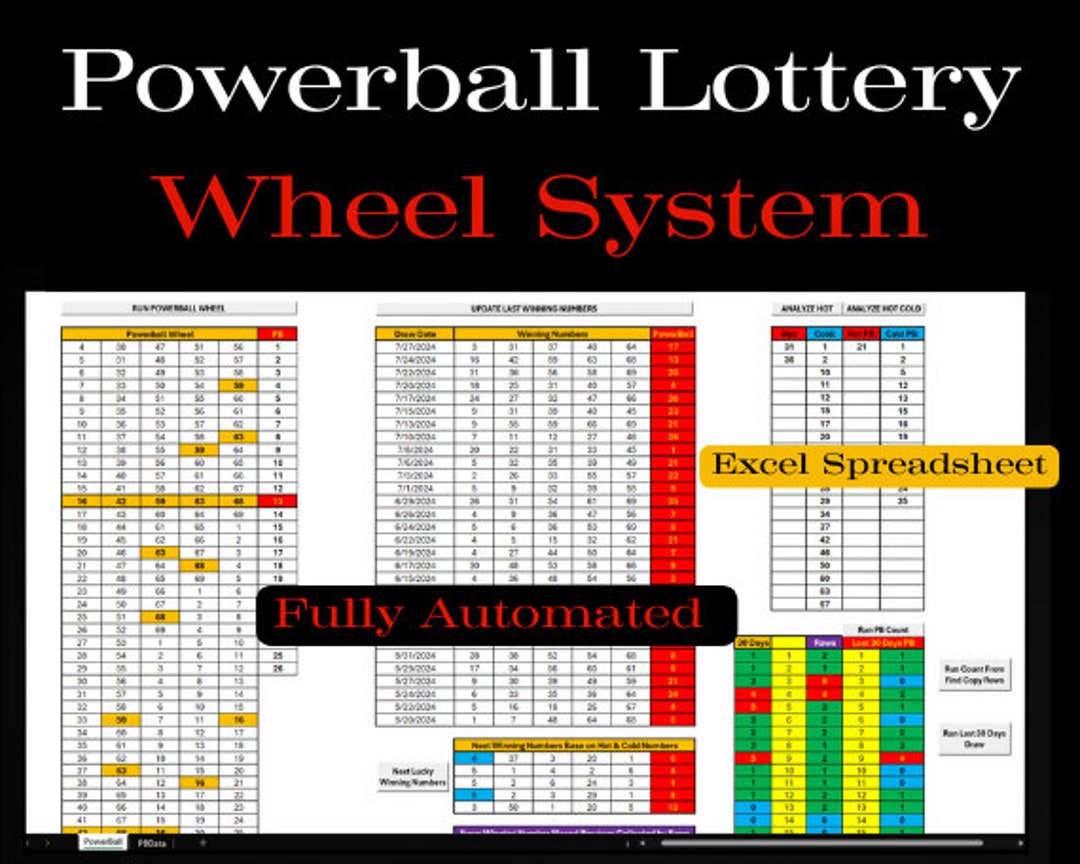
While the odds of winning the Powerball jackpot remain fixed at roughly 1 in 292.2 million, players continually look for systematic approaches to optimize their participation, manage their bankrolls, and maximize potential returns if they do hit a winning combination. Understanding how the game mechanics work, leveraging mathematical strategies like pooling, and avoiding common psychological traps can significantly enhance the overall lottery experience and ensure that players approach multi-state drawings with a clear, rational framework.
1. Join a Legitimate Lottery Pool or Syndicate
One of the most mathematically sound methods for increasing your chances of winning the Powerball without spending a fortune is joining a lottery pool or syndicate. A lottery pool involves a group of individuals who chip in a predetermined amount of money to buy multiple tickets collectively. Any prizes won are then split evenly among the participants.
The mechanics of pooling are straightforward: purchasing more tickets increases the total number of unique number combinations your group holds. If a syndicate buys 100 tickets for a drawing, they possess 100 distinct chances to win, whereas a solo player buying a single ticket holds only one. While individual shares of a massive jackpot will be smaller when split among colleagues, friends, or community members, the statistical probability of securing some return—whether it is a minor prize or the grand jackpot—scales directly with the number of tickets purchased.
To establish a successful lottery pool, participants should implement clear, binding agreements before any tickets are purchased. A written syndicate agreement should outline:
- The exact names and contributions of all participating members.
- Photocopies or digital scans of all purchased tickets, distributed to every member prior to the drawing.
- A designated manager responsible for purchasing tickets, securely storing them, and claiming prizes.
- Clear rules regarding what happens if someone forgets to pay their share for a specific drawing.
2. Play Consistently and Budget Responsibly
Random number lottery games like Powerball operate on independent trials, meaning past drawings have zero influence on future outcomes. Every single ticket has the exact same probability of winning as any other ticket purchased for that specific drawing. Because of this random distribution, sporadic play yields sporadic results. To build a disciplined approach, players should treat lottery tickets as a budgeted form of entertainment rather than an investment vehicle.
Establishing a strict entertainment budget ensures that playing Powerball never compromises your financial stability. Financial advisors universally recommend spending only disposable income—funds left over after all essential expenses, savings goals, and debt obligations are fully met.
- Set a Weekly Limit: Decide on a fixed dollar amount per week or per draw cycle (e.g., $10 or $20) and never exceed it, regardless of how high the jackpot climbs.
- Automate Purchases or Routine: Buying tickets consistently for every draw prevents emotional overspending during massive jackpot surges when media hype peaks.
- Never Chase Losses: If a series of tickets does not win, accept the loss as the cost of entertainment and resist the urge to buy more tickets to "make up" for previous expenditures.
3. Avoid Popular Patterns and Sequential Numbers
When humans select their own lottery numbers, they frequently rely on psychological biases, patterns, or dates. This behavior does not change the probability of your ticket winning, but it drastically increases the likelihood that you will have to share a prize if your numbers do hit.
Many players choose numbers based on birthdays, anniversaries, or calendar days. Because there are only 12 months and 31 days in a month, choosing birthdays restricts your number selection heavily to the range of 1 to 31. Numbers above 31 are chosen far less frequently by human players. Similarly, players love visual patterns on the playslip—such as straight diagonal lines, geometric shapes, or columns—as well as consecutive sequences like 1-2-3-4-5-6.
If a pattern-based or birthday-based combination wins the Powerball jackpot, thousands of other players are likely to have selected those exact same numbers. By choosing numbers completely at random—or by utilizing the Quick Pick option—you minimize the statistical likelihood of sharing a multi-million-dollar payout with dozens of other ticket holders who fell for the same cognitive bias.
4. Understand the Power Play Multiplier Option
For an extra $1 per play in most jurisdictions, Powerball offers the Power Play option. This feature multiplies non-jackpot prizes by 2, 3, 4, 5, or 10 times, depending on the multiplier drawn prior to the main drawing.
Understanding how the Power Play works is essential for maximizing the value of secondary wins. If a player matches four white balls plus the Powerball, the base prize is $50,000. With a 5x Power Play multiplier, that secondary prize escalates to $250,000. The 10x multiplier is only active when the advertised jackpot is $150 million or less, while the Match 5 prize (matching all five white balls without the Powerball) is always capped at a maximum of $2 million when the Power Play is selected, regardless of the multiplier drawn.
| Prize Tier | Base Prize | With 2x Power Play | With 5x Power Play | With 10x Power Play (Jackpot < $150M) |
|---|---|---|---|---|
| Match 5 + PB | Jackpot | Jackpot | Jackpot | Jackpot |
| Match 5 | $1,000,000 | $2,000,000 | $2,000,000 | $2,000,000 |
| Match 4 + PB | $50,000 | $100,000 | $250,000 | $500,000 |
| Match 4 | $100 | $200 | $500 | $1,000 |
| Match 3 + PB | $100 | $200 | $500 | $1,000 |
Evaluating whether to purchase the Power Play depends on your personal risk tolerance and budget. For players who want to maximize their expected return on non-jackpot tiers, the extra dollar investment provides significant upside on secondary prizes, which are much easier to hit than the grand jackpot.
5. Utilize Quick Pick vs. Manual Selection Wisely
A perennial debate among lottery enthusiasts involves whether computer-generated "Quick Pick" numbers perform better than manually selected numbers. Statistically speaking, the odds of winning with a Quick Pick ticket are identical to the odds of winning with a self-selected ticket. Every combination of numbers has an equal probability of being drawn.
However, operational advantages favor the Quick Pick method. Computers select numbers truly at random across the entire allowable field (1 to 69 for white balls, 1 to 26 for the Powerball), completely bypassing human psychological tendencies toward birthdays, anniversaries, and geometric playslip patterns. Statistics from the Multi-State Lottery Association (MUSL) indicate that the vast majority of Powerball jackpot winners—often upwards of 70% to 80%—purchased Quick Pick tickets simply because most players use Quick Picks, and they avoid the shared-jackpot trap associated with common personal dates.
6. Play in Jurisdictions with Favorable Local Rules and Taxes
While the Powerball drawing is a national multi-state game coordinated by the Multi-State Lottery Association, ticket sales, prize claims, and tax withholdings are governed strictly by state laws and local jurisdictions. Optimizing your approach can sometimes involve understanding how different states handle lottery winnings and anonymity.
- State Tax Rates: Some states impose zero state income tax on lottery winnings (such as Florida, Texas, and California), while others tax lottery income heavily as ordinary state income. If you live near a state border, purchasing tickets in a state with no income tax can preserve a larger percentage of secondary prize winnings.
- Winner Anonymity: Depending on the state where the winning ticket is purchased, laws dictate whether winners can remain anonymous or must have their names and cities published publicly. For privacy and security reasons, many players prefer purchasing tickets in states that legally protect winner anonymity.
- Claim Deadlines: Jurisdictions enforce strict windows for claiming prizes—ranging from 90 days to one full year from the draw date. Knowing your local regulations ensures you never forfeit a winning ticket due to an expired deadline.
7. Keep Your Tickets Secure and Verify Every Draw Manually
The most tragic outcome in lottery history is a winning ticket going unclaimed or being destroyed accidentally. Because Powerball tickets are typically "bearer instruments"—meaning whoever physically holds the ticket can claim the prize—protecting your physical or digital tickets is paramount.
- Sign the Back Immediately: As soon as you purchase a physical ticket, sign your legal name across the back and include a phone number. This establishes immediate ownership and complicates fraudulent claims if the ticket is lost or stolen.
- Use Official Verification Apps: Download official lottery apps provided by your state's lottery commission. Use the built-in barcode scanner to check your tickets after every drawing rather than relying solely on memory or scanning the numbers visually, which can lead to human error.
- Store Tickets Safely: Keep paper tickets in a designated, secure location—such as a home safe, lockbox, or dedicated folder—away from direct sunlight, moisture, and heat sources that could fade thermal paper ink.
Frequently Asked Questions
Are Quick Pick numbers better than picking your own numbers for Powerball?
Statistically, Quick Picks have the exact same mathematical probability of winning as self-selected numbers. However, Quick Picks are generally superior because they distribute numbers randomly across the entire valid range, preventing you from accidentally choosing common patterns or dates that would force you to split a jackpot with numerous other winners.
What happens if multiple people win the Powerball jackpot?
If more than one ticket matches all five white numbers and the Powerball, the advertised jackpot pool is divided equally among all winning ticket holders. This sharing applies to cash option payouts as well as annuitized payments. Syndicates and pools naturally share prizes among their members, while independent players holding duplicate self-selected numbers must split the prize unexpectedly.
How long do I have to claim a Powerball prize?
Prize claim deadlines vary significantly by state, ranging from 90 days to one full year from the date of the drawing. If a prize goes unclaimed after the statutory deadline expires, the funds are typically distributed back to participating states according to their specific lottery rules, often allocated toward public education funds or state budgets.
Is it better to take the lump sum cash option or the annuity?
The cash option is a single, lump-sum payment representing the entirety of the cash pool available in the jackpot prize pool at that time. The annuity option pays out an immediate initial payment followed by 29 annual payments that increase by 5% each year. Most financial advisors note that the lump sum yields a higher net present value if invested wisely, but the annuity provides guaranteed, predictable long-term income protection against overspending.
Do online ticket purchasing services work safely?
Third-party courier services allow users to purchase lottery tickets online in certain states. However, players should exercise extreme caution and verify that any third-party service operates legally within their specific jurisdiction. Many states prohibit online ticket sales or third-party couriers, and official tickets should ideally be bought directly from licensed brick-and-mortar retailers or official state lottery websites.
Final Recommendation
Approach Powerball as a form of low-cost entertainment rather than a financial strategy. Set a strict weekly budget that you can afford to lose, join a structured syndicate or pool if you want to maximize your number coverage without inflating personal costs, and always purchase Quick Picks or diverse, non-patterned number combinations to safeguard against shared jackpots. Protect your tickets rigorously, verify every draw through official state channels, and remember that responsible play is the only guaranteed way to enjoy the game safely.