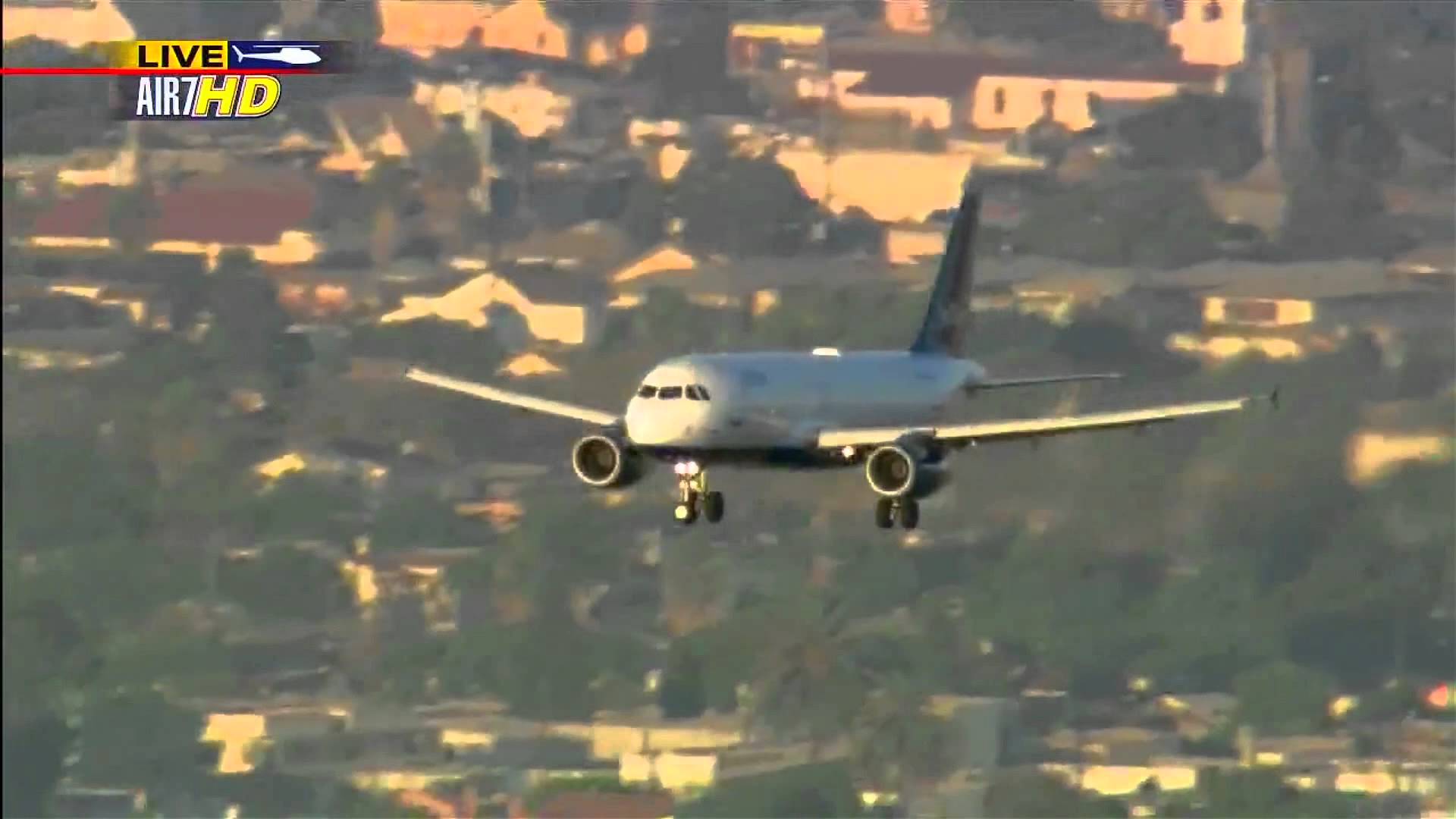
On June 5, 2024, American Airlines Flight 292, an ultra-long-haul service from New York (JFK) to Delhi (DEL), was forced to divert to Rome’s Fiumicino Airport (FCO) due to a passenger’s medical emergency. The Boeing 777-300ER landed safely in Italy, where the passenger received urgent care before the flight resumed.
Context of the AA292 Diversion
In the world of international aviation, few routes are as demanding as the New York to Delhi corridor. Operating as a flagship service for American Airlines, Flight 292 typically covers over 7,300 miles, requiring approximately 14 to 15 hours of flight time. When an incident occurs mid-flight—especially over the Atlantic or the European continent—the flight deck must make rapid, high-stakes decisions regarding the safety of the passengers and the operational integrity of the aircraft.
The event involving Flight 292 on June 5, 2024, serves as a primary case study for how modern carriers manage medical crises. While the flight was cruising toward its destination in India, a passenger required immediate medical attention that exceeded the capabilities of the onboard first-aid kits and cabin crew training. Following standard operating procedures (SOPs), the captain coordinated with ground-based medical consultants and air traffic control (ATC) to identify the most suitable "diversion airport."
Rome Fiumicino (FCO) was selected not only because of its geographic proximity to the flight path at the time of the emergency but also because of its infrastructure. As a major European hub, FCO possesses the runway length, emergency services, and medical facility access necessary to support a wide-body aircraft like the Boeing 777-300ER under emergency conditions.
Technical Specifications: The Boeing 777-300ER
To understand why a diversion of this scale is a significant logistical undertaking, one must look at the aircraft involved. The Boeing 777-300ER is one of the largest twin-engine jets in operation. For Flight 292, the aircraft is loaded with enough fuel to traverse nearly a third of the globe, which presents specific challenges during an unscheduled landing.
Weight and Balance Considerations
The Maximum Takeoff Weight (MTOW) of a 777-300ER is approximately 775,000 pounds. However, the Maximum Landing Weight (MLW) is considerably lower, around 554,000 pounds. When a flight diverts only halfway through its journey—as was the case with the Rome diversion—the aircraft is often "heavy." Landing an aircraft above its MLW puts immense stress on the landing gear and braking systems.
In many diversion scenarios, pilots must decide whether to jettison (dump) fuel to reach a safe landing weight or perform an "overweight landing." Fuel jettisoning is conducted at high altitudes in designated areas to ensure the fuel atomizes before reaching the ground. If the medical emergency is life-threatening, the pilot may choose to land immediately, triggering a mandatory post-landing inspection by maintenance crews to check for structural damage to the fuselage and landing gear.
Onboard Medical Capabilities
As of 2026, the standard for long-haul aircraft remains the Emergency Medical Kit (EMK). These kits are far more advanced than a standard first-aid box, containing items such as:
- Sphygmomanometers (blood pressure cuffs)
- Stethoscopes
- Oropharyngeal airways
- Injectable medications (epinephrine, dextrose, etc.)
- Automated External Defibrillators (AEDs)
The crew on AA292 used these tools while simultaneously utilizing satellite communication to speak with MedLink—a ground-based service provided by organizations like MedAire. These services allow doctors on the ground to guide the flight crew through complex medical procedures and help the captain determine if a diversion is medically necessary.
The Logistics of a Rome Diversion
Diverting a flight to an unplanned destination involves more than just turning the yoke. It is a massive coordination effort involving several departments within American Airlines and international agencies.
Air Traffic Control (ATC) Priority
Once the "Pan-Pan" (urgency) or "Mayday" (distress) call is issued, ATC provides the flight with a "cleared direct" path to the diversion airport. For AA292, this meant entering Italian airspace with priority over scheduled arrivals. Rome FCO controllers would have cleared a specific runway to ensure the 777 had the maximum available roll-out distance, minimizing the need for heavy braking if the plane was still near its maximum weight.
Ground Handling and Medical Transfer
Upon landing at FCO, the aircraft was met by "follow-me" vehicles and emergency medical services (EMS). The logistics of offloading a passenger in a foreign country involve customs and immigration coordination. Even in a medical emergency, the Italian authorities must document the entry of the passenger. American Airlines' local ground handlers in Rome—though primarily used for their scheduled flights to the US—had to pivot to support the unscheduled arrival of a Delhi-bound flight.
Refueling and Crew Duty Limits
One of the most complex aspects of the AA292 diversion was the management of the flight crew’s "Duty Period." Federal Aviation Administration (FAA) regulations strictly limit the number of hours a pilot and cabin crew can work.
- The Clock: The crew’s duty day starts when they report for duty at JFK.
- The Delay: The time spent descending, landing in Rome, offloading the passenger, refueling, and filing a new flight plan counts toward their legal limit.
- The "Time Out": If the diversion takes several hours, the crew might "time out," meaning they can no longer legally operate the aircraft. This requires the airline to either fly in a fresh crew or put the entire plane (and passengers) in hotels for a mandatory rest period.
| Feature | Details for AA292 Diversion |
|---|---|
| Aircraft Model | Boeing 777-300ER |
| Primary Reason | Passenger Medical Emergency |
| Diversion Airport | Leonardo da Vinci–Fiumicino Airport (FCO) |
| Original Route | New York (JFK) to Delhi (DEL) |
| Estimated Delay | 4–18 hours (Variable based on crew rest) |
| Operational Impact | Fuel jettison/Overweight landing potential |
Passenger Rights and Compensation
When a flight like AA292 is diverted, passengers often wonder about their rights regarding delays. Under the current 2026 legal landscape and the historical precedents of 2024, the situation is nuanced.
Extraordinary Circumstances
In many jurisdictions, including the European Union (under EC 261/2004), airlines are required to compensate passengers for significant delays. However, a "medical emergency" involving a passenger is classified as an extraordinary circumstance. This means the airline is generally not required to pay cash compensation, as the cause of the delay was outside its control.
Duty of Care
Regardless of the reason for the diversion, the airline maintains a "Duty of Care." This includes providing:
- Food and refreshments.
- Access to communications (phone calls or emails).
- Hotel accommodation if an overnight stay is required.
- Transportation between the airport and the hotel.
For the passengers on Flight 292, the transition in Rome required significant patience. Navigating an unscheduled stop in a country for which many passengers did not have a visa can be stressful. In such cases, passengers are usually kept in the "sterile" international transit area of the airport to avoid immigration issues.
Safety Protocols: How Pilots Choose a Diversion Airport
The decision to choose Rome (FCO) over other nearby airports like Nice (NCE) or Athens (ATH) is based on several technical factors:
- Runway Capabilities: A Boeing 777-300ER needs a long runway, especially if it is landing heavy. FCO offers multiple runways over 10,000 feet.
- Maintenance Support: While the flight was diverted for medical reasons, pilots prefer airports where their airline or a partner has maintenance facilities, just in case a technical issue arises during the emergency landing.
- Medical Infrastructure: Rome has world-class hospitals located within minutes of the airport, which is the primary objective of a medical diversion.
- Weather and Approach: Pilots analyze the current METAR (Meteorological Aerodrome Report) to ensure that visibility and wind conditions allow for a safe, immediate landing.
The Role of Telemedicine in Modern Aviation
As we look at aviation in 2026, the success of the AA292 diversion highlights the growth of air-to-ground medical technology. Airlines now utilize high-bandwidth satellite links to transmit real-time vitals—such as heart rate and oxygen saturation—from the aircraft cabin to doctors on the ground.
During the AA292 incident, the cabin crew was able to act as the "eyes and ears" of the medical team in the U.S. or Europe. This collaboration is what allows a captain to make the definitive call: "We need to land now." Without this data, more flights might divert unnecessarily, or conversely, fail to divert when a situation is truly critical.
Economic Impact of the Diversion
A diversion is a massive financial burden for an airline. For a wide-body flight like AA292, the costs are multifaceted:
- Landing Fees: Unscheduled landing fees at a major hub like Rome FCO can cost thousands of dollars.
- Fuel Costs: The aircraft must take on additional fuel to complete the leg to Delhi, and the fuel dumped during the descent is a pure loss.
- Crew Costs: If the crew times out, the cost of hotels and a replacement crew is substantial.
- Network Ripple Effects: The aircraft used for AA292 was likely scheduled for a return flight from Delhi (AA293). The delay in Rome causes a "knock-on" effect, delaying the return leg and potentially hundreds of other passengers.
Despite these costs, the "Safety First" culture of American Airlines dictates that the life of a passenger outweighs the financial loss of the diversion.
Frequently Asked Questions (FAQs)
Why did American Airlines Flight 292 divert to Rome?
Flight 292 diverted to Rome Fiumicino Airport (FCO) primarily due to a passenger experiencing a medical emergency that required immediate hospital-level care. While the aircraft is equipped with basic medical supplies, certain conditions—such as cardiac distress or severe neurological events—necessitate an immediate landing at the nearest capable facility.
Do passengers get a refund if a flight is diverted for a medical emergency?
Generally, passengers do not receive a refund for the ticket, nor are they eligible for statutory compensation (like EC 261). Because a medical emergency is an "extraordinary circumstance" beyond the airline's control, the carrier is only responsible for the "duty of care" (meals and accommodation) and ensuring the passengers eventually reach their final destination.
How common are medical diversions on long-haul flights?
Medical diversions occur in approximately 1 out of every 600 to 1,000 long-haul flights. Given the volume of global air traffic, this happens daily. Common reasons include gastrointestinal issues, fainting (syncope), cardiac symptoms, and respiratory distress.
What happens to the passenger who had the emergency?
Once the aircraft lands, the passenger is met by local paramedics and transported to a nearby hospital. Their luggage is usually offloaded if they are traveling alone. From that point, the passenger (or their travel insurance) coordinates with the airline and the local embassy for further travel or repatriation once they are medically cleared to fly.
Did the flight continue to Delhi after the stop in Rome?
Yes, in the case of AA292, the flight resumed its journey to Indira Gandhi International Airport (DEL) after the medical offload and refueling were completed, provided the flight crew was still within their legal operating hours. If the crew had exceeded their limits, the flight would have stayed overnight in Rome.
Final Recommendations for Travelers
If you find yourself on a diverted flight like American Airlines 292, the most important action is to stay informed through the airline’s mobile app. Diversions are fluid situations where "Estimated Time of Departure" (ETD) can change every thirty minutes.
Always carry essential medications and a change of clothes in your carry-on bag, as your checked luggage will remain in the aircraft hold during a diversion stop. For those concerned about the costs associated with delays, purchasing comprehensive travel insurance remains the most effective way to cover expenses that the airline is not legally required to pay during an "extraordinary circumstance" diversion.