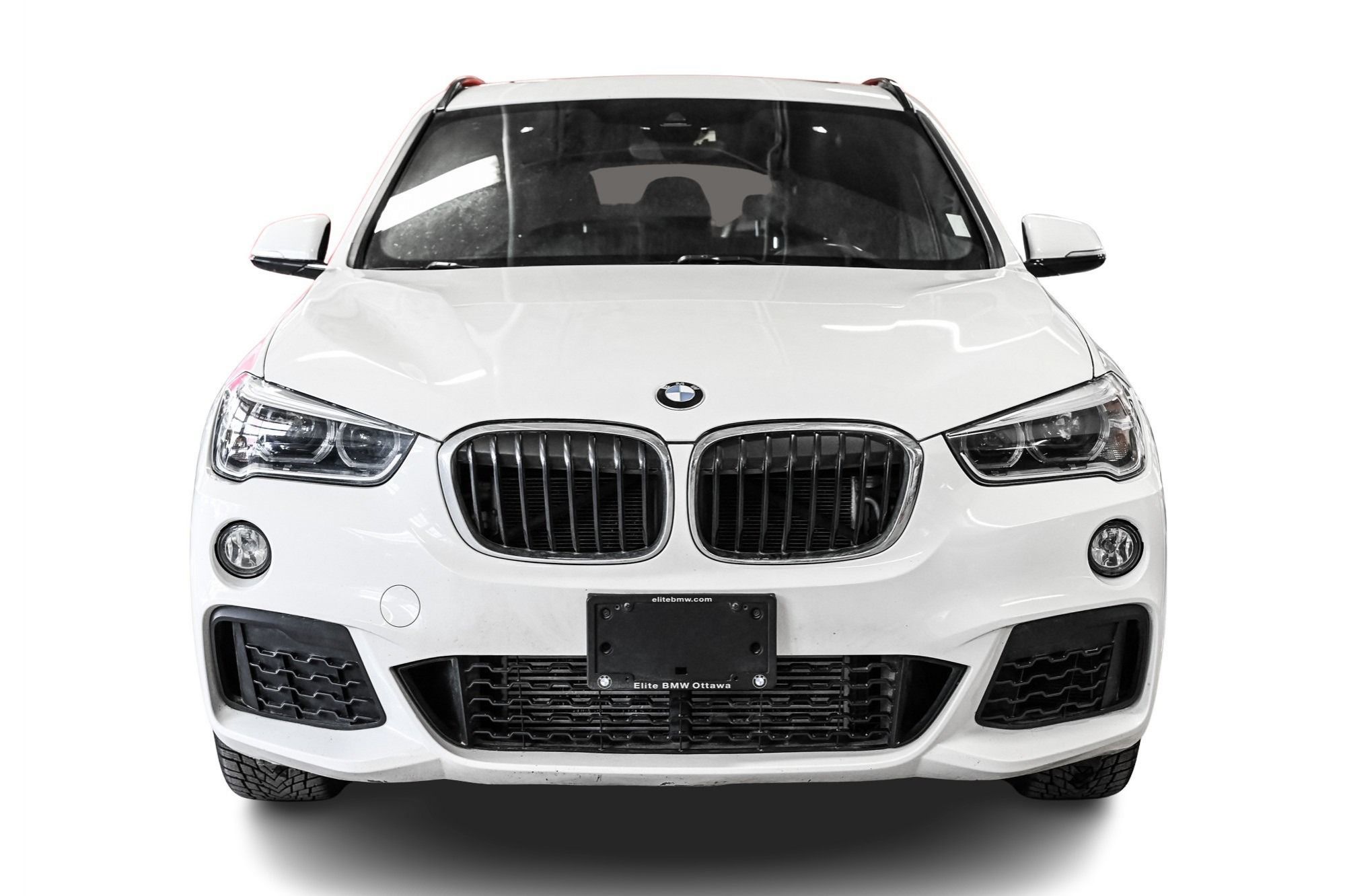
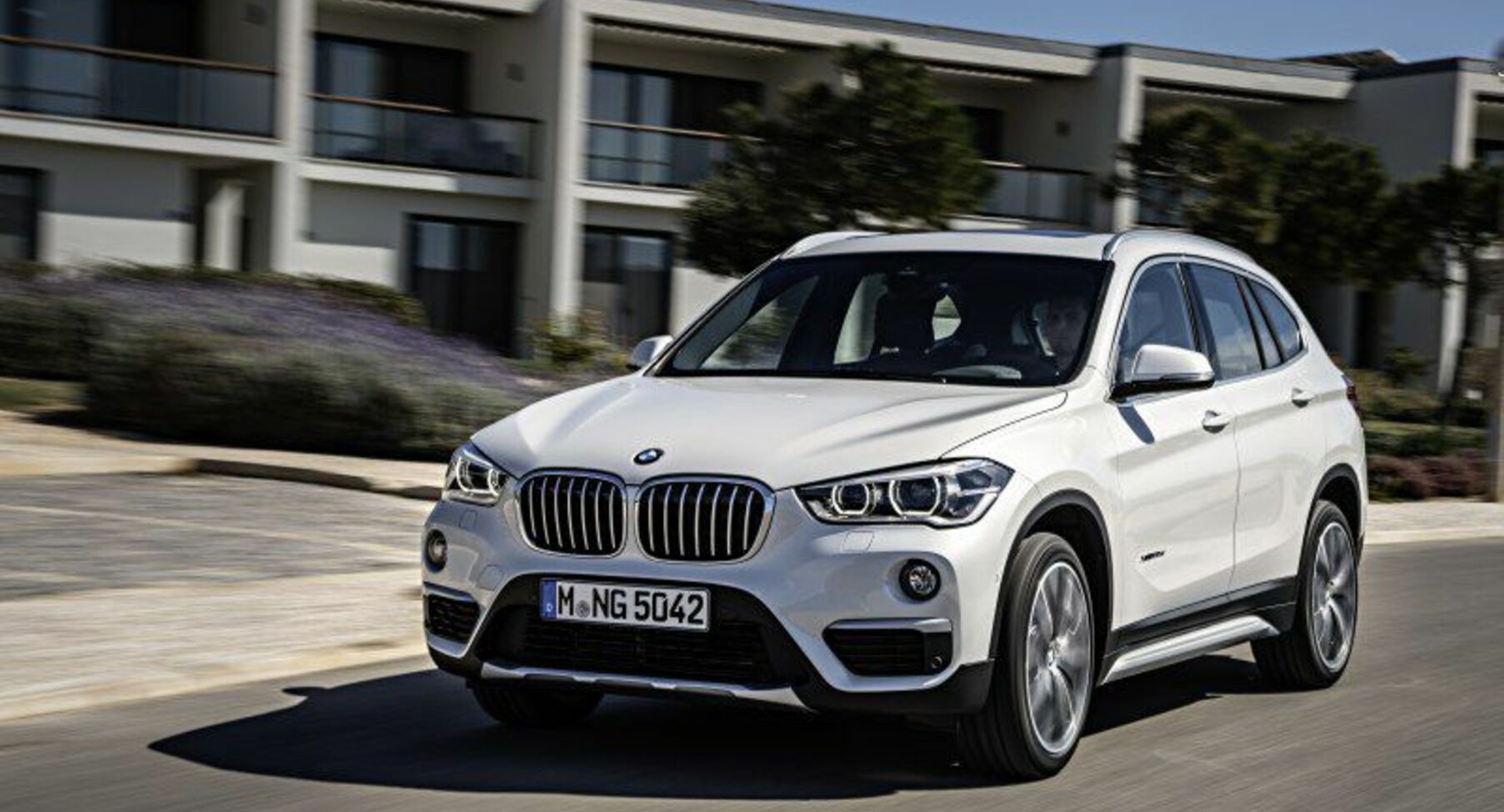
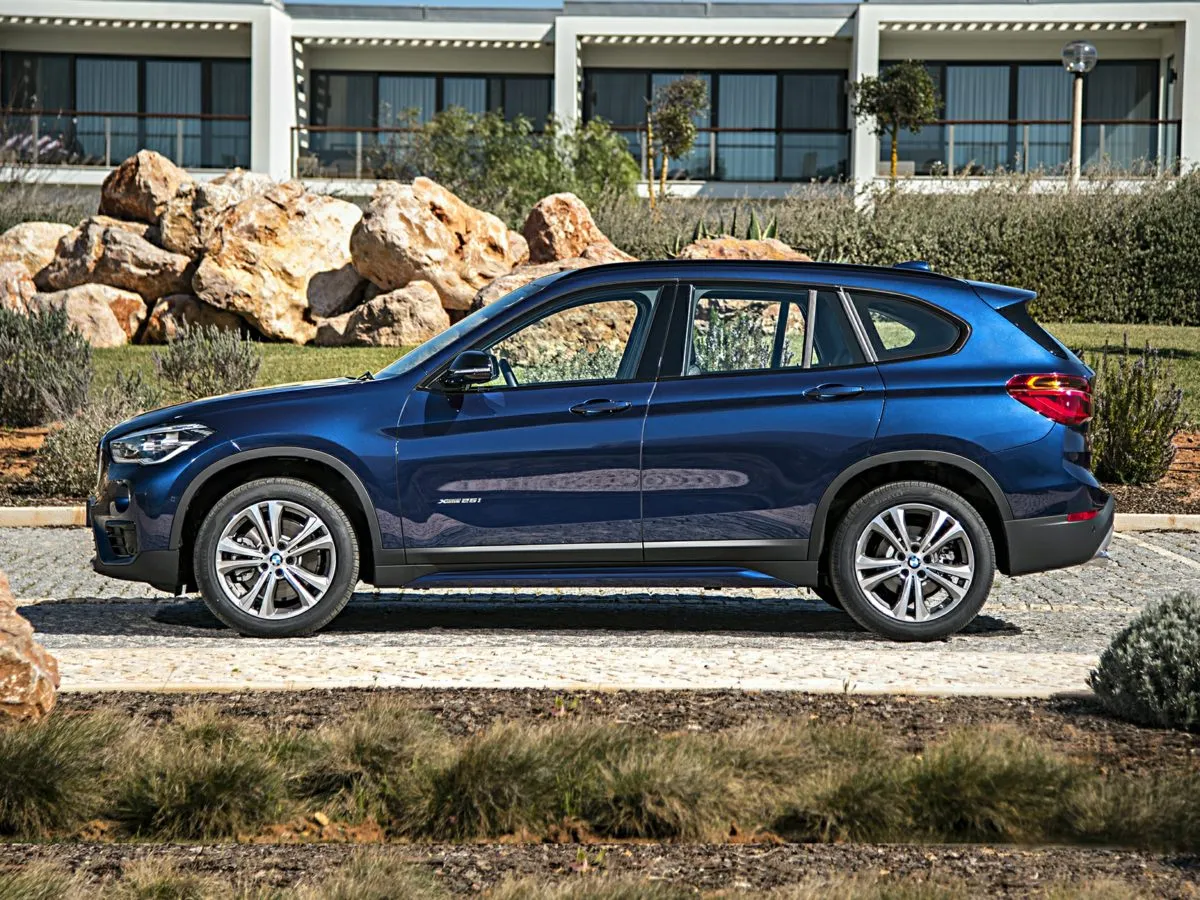
The 2018 BMW X1 produces 228 horsepower and 258 lb-ft of torque from a 2.0-liter BMW TwinPower Turbo inline 4-cylinder engine. This power output applies to both the front-wheel-drive sDrive28i and the all-wheel-drive xDrive28i variants, delivering balanced acceleration, strong mid-range torque, and a 0-to-60 mph time of approximately 6.3 to 6.6 seconds depending on the drivetrain configuration.
Understanding the performance metrics of a compact luxury crossover requires looking beyond a single numerical figure. The 2018 BMW X1 represents a pivotal generation for BMW's entry-level Sports Activity Vehicle (SAV), transitioning the model line onto a front-wheel-drive-biased platform while retaining the brand's signature driving dynamics. Whether you are shopping for a used luxury vehicle, evaluating technical specifications, or comparing powertrain options against segment rivals, examining how this specific engine delivers its power is essential for a comprehensive evaluation.
Introduction to the 2018 BMW X1 Powertrain
When the second-generation BMW X1 (designated by the chassis code F48) arrived in North American markets, it marked a significant departure from its predecessor. The original first-generation X1 shared its platform with the BMW 3 Series wagon, utilizing a longitudinal engine layout and rear-wheel-drive architecture. The 2018 model, however, is built upon the UKL2 modular front-wheel-drive platform, which it shares with various MINI models and other compact BMW vehicles.
Despite this shift, engineers focused heavily on preserving the driving engagement expected from the Bavarian marque. At the heart of this setup is the B48 engine family, a modular 2.0-liter turbocharged power plant designed for thermal efficiency, compact packaging, and broad torque delivery. The horsepower figures, torque curves, and transmission pairings work in unison to provide a responsive driving experience that defies the vehicle's practical, family-oriented packaging.
Core Technical Specifications of the 2018 BMW X1 Engine
To fully comprehend the horsepower ratings of the 2018 BMW X1, one must examine the mechanical hardware responsible for generating and transferring that energy to the pavement. The vehicle relies on a single engine option for the United States and Canadian markets during this model year: the 2.0-liter TwinPower Turbo 4-cylinder engine.
Engine Architecture and Turbocharging
The engine utilizes an all-aluminum block and cylinder head, equipped with direct fuel injection, VALVETRONIC fully variable valve control, and double-VANOS variable camshaft timing. The term "TwinPower Turbo" in BMW nomenclature does not mean the engine has two turbochargers; rather, it refers to a twin-scroll turbocharger housing. This design separates the exhaust pulses from cylinders one and four versus two and three, minimizing turbo lag and ensuring that the 258 lb-ft of torque is available across a remarkably wide rev range—specifically from 1,250 rpm all the way up to 4,500 rpm.
Output and Performance Metrics
- Engine Displacement: 1,998 cc (2.0 liters)
- Horsepower: 228 hp at 5,000–6,000 rpm
- Torque: 258 lb-ft at 1,250–4,500 rpm
- Transmission: 8-speed Steptronic automatic transmission with Sport and Manual shift modes
- Drivetrain Options: Front-wheel drive (sDrive28i) or Intelligent all-wheel drive (xDrive28i)
| Model Trim | Drivetrain | Horsepower | Torque | 0-60 mph Time | EPA Est. Fuel Economy (City/Hwy) |
|---|---|---|---|---|---|
| BMW X1 sDrive28i | Front-Wheel Drive (FWD) | 228 hp @ 5,000–6,000 rpm | 258 lb-ft @ 1,250–4,500 rpm | ~6.3 seconds | 23 / 32 mpg |
| BMW X1 xDrive28i | All-Wheel Drive (AWD) | 228 hp @ 5,000–6,000 rpm | 258 lb-ft @ 1,250–4,500 rpm | ~6.6 seconds | 22 / 31 mpg |
Comparing Drivetrain Performance: sDrive28i vs. xDrive28i
While both variants of the 2018 BMW X1 share the exact same 228-horsepower rating and torque output, the driving experience differs subtly based on how power is delivered to the ground. Prospective buyers often evaluate whether the front-wheel-drive sDrive28i or the all-wheel-drive xDrive28i better suits their local climate and driving habits.
The sDrive28i (Front-Wheel Drive)
The sDrive28i serves as the entry point to the X1 lineup. Because it routes power exclusively to the front wheels, it carries less mechanical weight than its all-wheel-drive counterpart. This slight weight reduction translates to fractional improvements in acceleration and fuel efficiency. In dry road conditions, the sDrive28i feels nimble, steering with crispness and turning into corners eagerly. However, drivers in regions with heavy winter snowfall or frequent slick conditions may encounter front-wheel slip under hard acceleration from a stop.
The xDrive28i (All-Wheel Drive)
The xDrive28i features BMW's intelligent all-wheel-drive system, which continuously monitors road conditions, vehicle speed, steering angle, and wheel slip. Under normal driving conditions, the system can vary torque distribution dynamically, sending power to the rear axle when extra traction is needed. While this adds weight and slightly impacts fuel economy—reducing highway estimates by roughly one mile per gallon—it provides superior launch grip, enhanced wet-weather stability, and greater confidence in winter weather environments.
How the 8-Speed Transmission Maximizes Horsepower
Horsepower and torque numbers alone do not dictate how fast or responsive a vehicle feels; the transmission plays a critical role in keeping the engine within its optimal power band. The 2018 BMW X1 utilizes an Aisin-sourced 8-speed automatic transmission rather than the ZF 8-speed unit found in longitudinal-engine BMW models, yet it remains one of the best gearboxes in the compact luxury class.
The transmission features closely spaced gear ratios that allow the 2.0-liter turbo engine to exploit its peak torque curve from 1,250 rpm onward. When accelerating moderately, the transmission shifts smoothly and unobtrusively, keeping engine revolutions low to maximize cabin quietness and fuel economy. When the driver switches into Sport mode or uses the manual shift gate, shift speeds quicken noticeably, holding gears longer to ensure maximum horsepower is available at higher RPMs. This calibration masks any residual turbo lag, making the 228 horsepower feel more abundant in everyday driving scenarios than the raw numbers might suggest.
Real-World Driving Dynamics and Subjective Performance
Evaluating the 2018 BMW X1 horsepower on paper is useful, but translating those figures to real-world driving conditions reveals how the vehicle handles highway passing, city commuting, and spirited backroad driving.
City Driving and Low-End Punch
In urban environments, the immediate availability of 258 lb-ft of torque at just 1,250 rpm is the defining characteristic of the driving experience. Drivers do not need to rev the engine hard to pull away from traffic lights or maneuver through gaps in congestion. The throttle response is immediate, and the vehicle feels lighter and quicker than many competitors equipped with naturally aspirated engines or laggardly turbocharged setups.
Highway Passing Power
When cruising at highway speeds, the 228 horsepower provides ample muscle for safe, confident passing maneuvers. Even when loaded with passengers and cargo, depressing the accelerator prompts a quick downshift from the 8-speed transmission, allowing the X1 to surge past slower traffic without strain. While high-performance variants like an M3 or even a larger inline-six BMW offer blistering top-end power, the 2018 X1’s output is more than adequate for legal highway speeds and dynamic interstate cruising.
Comparing the 2018 BMW X1 to Segment Competitors
To understand where the 2018 BMW X1 stands regarding horsepower, it is helpful to place its 228-hp output side-by-side with contemporary rivals in the subcompact and compact luxury crossover segment.
Audi Q3 (2018 Model)
During the 2018 model year, the first-generation Audi Q3 utilized a 2.0-liter turbocharged 4-cylinder engine producing 200 horsepower and 207 lb-ft of torque, paired with a 6-speed automatic transmission. The BMW X1 significantly outclasses the 2018 Q3 in both horsepower (+28 hp) and torque (+51 lb-ft), resulting in noticeably quicker acceleration and a more modern transmission architecture.
Mercedes-Benz GLA 250 (2018 Model)
The 2018 Mercedes-Benz GLA 250 features a 2.0-liter turbocharged 4-cylinder engine generating 208 horsepower and 258 lb-ft of torque, mated to a 7-speed dual-clutch automatic transmission. While the GLA matches the X1's torque figure, the BMW holds a 20-horsepower advantage, giving it superior upper-end pull during high-speed acceleration.
Volvo XC40 T4 / T5 (2018/2019 Model)
The Volvo XC40 T5 variant, introduced around this era, utilizes a 2.0-liter turbocharged 4-cylinder engine rated at 248 horsepower and 258 lb-ft of torque. While the Volvo edges out the BMW in peak horsepower, the X1’s transmission tuning and lower-end torque delivery often yield a sharper, more engaging driving character.
Frequently Asked Questions
Does the 2018 BMW X1 have different horsepower options?
No. In the North American market, the 2018 BMW X1 is offered with a single engine choice: the 2.0-liter BMW TwinPower Turbo inline-4 producing 228 horsepower. The only powertrain variations involve choosing between front-wheel drive (sDrive28i) and all-wheel drive (xDrive28i).
Is 228 horsepower enough for a luxury crossover?
Yes, 228 horsepower is well-suited for a compact luxury SAV like the X1. Because peak torque arrives at a low 1,250 rpm, the vehicle feels responsive and quick in daily driving, accelerating from 0 to 60 mph in roughly 6.3 to 6.6 seconds, which is competitive for its class.
Can you increase the horsepower of a 2018 BMW X1?
Yes, aftermarket performance enthusiasts frequently install engine tuning boxes, ECU flashes (stage tunes), or upgraded exhaust systems on the B48 engine. These modifications can increase horsepower significantly, though owners should consider potential impacts on factory warranties and long-term drivetrain durability.
What is the fuel economy of the 2018 BMW X1?
The EPA estimates for the front-wheel-drive sDrive28i are 23 mpg city and 32 mpg highway. The all-wheel-drive xDrive28i achieves an EPA-estimated 22 mpg city and 31 mpg highway, offering strong efficiency alongside its 228-horsepower performance.
Does the 2018 BMW X1 require premium fuel?
Yes, BMW specifies premium unleaded gasoline (91 octane or higher) for the 2018 X1 to achieve its rated horsepower, ensure optimal combustion efficiency, and prevent engine knocking under boost.
Practical Recommendation and Next Actions
If you are evaluating a used 2018 BMW X1, the 228-horsepower powertrain delivers an appealing blend of spirited performance, refined power delivery, and respectable fuel economy. Before purchasing, verify whether the specific vehicle is an sDrive28i or xDrive28i depending on your regional climate needs, and ensure that the vehicle has a documented service history confirming regular oil changes and adherence to BMW maintenance schedules. Scheduling a test drive on both surface streets and a highway will allow you to personally experience how the low-end torque and 8-speed transmission match your driving style.