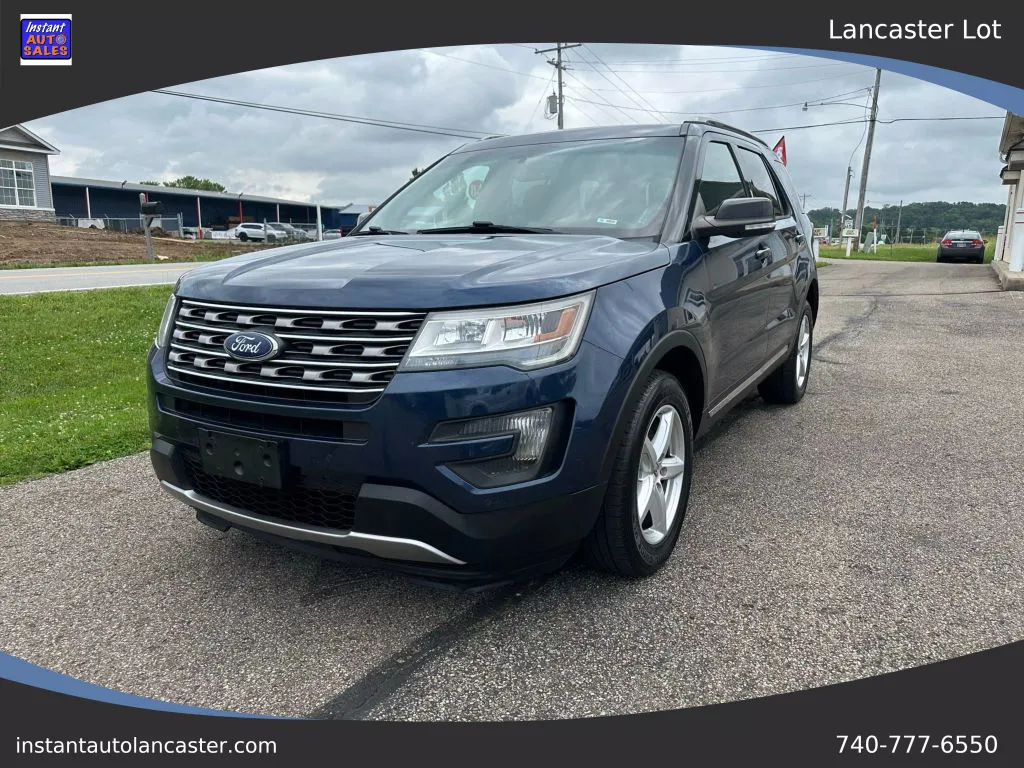
The 2016 Ford Explorer Sport has an exterior length of 198.3 inches, a width of 78.9 inches (excluding mirrors), and a height of 71.0 inches. Inside, it offers a total passenger volume of 151.7 cubic feet, with cargo capacities ranging from 21.0 cubic feet behind the third row to a maximum of 81.7 cubic feet with all rear seats folded.
The 2016 model year represented a significant mid-cycle refresh for the fifth-generation Explorer. While the underlying chassis remained largely consistent with the 2011–2015 versions, the 2016 Ford Explorer Sport received specific styling updates to the front and rear fascias, new wheel designs, and interior refinements that subtly influenced its physical presence and utility. As we look back from 2026, the 2016 Sport remains a popular choice on the secondary market due to its potent 3.5L EcoBoost engine and aggressive stance. Understanding its exact dimensions is critical for owners planning garage storage, purchasing aftermarket accessories, or evaluating its suitability for growing families.
Exterior Dimensions and Footprint
The "Sport" trim of the 2016 Ford Explorer is not just a badge; it features a specific suspension tuning and standard 20-inch wheels that can slightly affect the vehicle's perceived stature compared to the base or XLT trims. However, the core sheet metal dimensions remain consistent across the lineup.
Length and Wheelbase
The overall length of 198.3 inches places the Explorer Sport firmly in the mid-size plus category. It is long enough to provide three rows of seating but can be a tight fit for standard 20-foot residential garages once you factor in walking space and the protrusion of a trailer hitch.
The 112.6-inch wheelbase—the distance between the center of the front and rear wheels—is a defining characteristic of its handling. A longer wheelbase generally contributes to a smoother highway ride and better stability while towing, which is a primary use case for the Sport trim's 365-horsepower engine.
Width and Mirror Span
Width is often the most critical dimension for urban drivers and those with narrow driveways. At 78.9 inches wide (without mirrors), the Explorer is substantial. When you include the side mirrors, the width expands to approximately 90.2 inches. If you have a standard 8-foot (96-inch) wide garage door, you have less than three inches of clearance on either side, making the available power-folding mirrors a highly sought-after feature in this model.
Height and Ground Clearance
Standing 71.0 inches tall, the 2016 Explorer Sport fits under most standard 7-foot (84-inch) garage doors with ample room, even with an OEM roof rack installed. The ground clearance is rated at 7.8 inches. While this is sufficient for deep snow and light trails, it is lower than some dedicated off-road rivals like the Jeep GC or the Toyota 4Runner, reflecting the Explorer's design bias toward on-road performance and ease of entry.
Interior Dimensions: Passenger Comfort
The 2016 Ford Explorer Sport is designed to carry up to seven passengers, though many Sport models were configured with the optional second-row captain's chairs, reducing capacity to six but increasing comfort and access to the rear.
First Row Dimensions
The driver and front passenger enjoy the most generous accommodations.
- Headroom: 41.4 inches
- Legroom: 42.9 inches
- Shoulder Room: 61.5 inches
- Hip Room: 57.3 inches
The 2016 refresh introduced revised door seals and armrests, which improved the "perceived" width of the cabin by providing more natural resting points for the elbows, even if the hard technical measurements remained similar to previous years.
Second Row Dimensions
The second row is spacious enough for three adults in the bench configuration, though the middle seat is narrower.
- Headroom: 40.6 inches
- Legroom: 39.5 inches
- Shoulder Room: 61.0 inches
- Hip Room: 56.8 inches
One nuance of the 2016 model is the available inflatable rear safety belts. While they don't change the dimensions, they are bulkier than standard belts, which can affect how certain child safety seats fit within the measured width of the seat base.
Third Row Dimensions
The third row is best suited for children or shorter adults on long trips, though it is more generous than many "compact" three-row SUVs.
- Headroom: 37.8 inches
- Legroom: 33.3 inches
- Shoulder Room: 50.8 inches
- Hip Room: 40.7 inches
The 33.3 inches of legroom is a "best-in-class" contender for its era, but the high floor—necessitated by the rear suspension and drivetrain—results in a "knees-up" seating position for taller occupants.
Cargo Capacity and Versatility
The utility of the 2016 Explorer Sport is defined by its clever use of vertical space and the deep storage well found behind the third row.
Cargo Volume Breakdown
The Explorer uses a fold-flat seating system. In the Sport trim, the PowerFold third row was a common option, allowing the seats to stow into the floor at the touch of a button.
| Configuration | Cargo Volume (Cubic Feet) |
|---|---|
| Behind 1st Row (All rear seats folded) | 81.7 |
| Behind 2nd Row (3rd row folded) | 43.9 |
| Behind 3rd Row (All seats up) | 21.0 |
The 21.0 cubic feet of space behind the third row is particularly impressive. Ford achieved this by creating a deep trunk well that can hold several grocery bags or a compact stroller even when the vehicle is full of passengers. When the third row is stowed, it flips backward into this well, creating a perfectly flat load floor.
Payload and Towing Capacities
The dimensions of the vehicle also dictate its weight and carrying capacity. The 2016 Explorer Sport has a curb weight of approximately 4,901 lbs.
- Maximum Payload: Approximately 1,260 lbs (varies by equipment).
- Towing Capacity: 5,000 lbs when equipped with the Class III Trailer Tow Package.
It is important to note that the 5,000-lb towing capacity requires the factory-installed hitch. The physical dimensions of the Sport—specifically its wide track and heavy curb weight—make it a stable platform for towing trailers like small boats or campers, provided the tongue weight does not exceed 500 lbs.
Technical Specifications Summary Table
| Feature | Measurement (Inches/Feet) |
|---|---|
| Wheelbase | 112.6 in |
| Overall Length | 198.3 in |
| Overall Width (no mirrors) | 78.9 in |
| Overall Width (with mirrors) | 90.2 in |
| Overall Height | 71.0 in |
| Front Track Width | 67.0 in |
| Rear Track Width | 67.0 in |
| Ground Clearance | 7.8 in |
| Turning Circle (Curb-to-Curb) | 38.9 ft |
| Total Passenger Volume | 151.7 cu ft |
Comparing the 2016 Sport to Competitors
To understand if the 2016 Ford Explorer Sport fits your needs, it helps to compare its physical footprint with other popular mid-size SUVs from the same era, such as the Dodge Durango R/T or the Chevrolet Traverse.
The Dodge Durango is slightly longer (201.2 inches) and has a significantly longer wheelbase (119.7 inches). This gives the Durango a slight edge in third-row comfort and towing stability but makes it more difficult to maneuver in tight parking garages compared to the Explorer's 38.9-foot turning circle.
The Chevrolet Traverse of 2016 was much larger, measuring 203.7 inches in length. While the Traverse offered more raw cargo volume (116.3 cu ft), the Explorer Sport was often preferred by drivers who wanted a more "athletic" feel. The Sport's shorter overhangs and specialized sport-tuned suspension provided a more car-like driving experience despite its SUV dimensions.
Practical Considerations for Owners
Garage Fitment
Before purchasing a 2016 Explorer Sport, measure your garage depth. While 198.3 inches is about 16.5 feet, you need at least 18.5 feet of depth to comfortably walk around the vehicle with the garage door closed. If you have a workbench or storage at the front of your garage, the Explorer may require a diagonal parking strategy.
Roof Loads and Clearances
If you plan to add a roof box for family road trips, remember that the 71-inch base height will increase. A standard 15-cubic-foot roof box adds about 15–18 inches. This will bring your total height to roughly 89 inches, which exceeds the clearance of most standard 7-foot (84-inch) residential garage doors and some older multi-story parking structures. Always measure the total height after installing aftermarket racks.
Child Seat Installation
The interior width of 61 inches in the second row is sufficient for three child seats, but only if they are "slim" models. The molded shape of the outboard seats tends to push child seats toward the center, which can make accessing the seat belt buckles difficult for the middle passenger.
Frequently Asked Questions
Does the 2016 Explorer Sport have more cargo space than the Limited trim?
No. All 2016 Ford Explorer trims (Base, XLT, Limited, Sport, and Platinum) share the same body shell and interior dimensions. The "Sport" designation refers to the 3.5L EcoBoost engine, blacked-out exterior trim, 20-inch wheels, and firmer suspension tuning, but the cubic footage for passengers and cargo remains identical across the lineup.
Will the 2016 Ford Explorer Sport fit in a standard parking space?
Generally, yes. Most standard US parking spaces are 8.5 to 9 feet wide and 18 feet long. At 16.5 feet long and 7.5 feet wide (with mirrors folded), the Explorer Sport fits within these bounds. However, because of its width, you will find it much easier to park in "pull-through" spots or end spots to avoid door dings.
How does the 2016 refresh affect the dimensions compared to the 2015 model?
The 2016 refresh added about 1.1 inches to the overall length due to the redesigned front bumper and grille assembly. The wheelbase and interior volume remained unchanged. The most notable change was the "visual" height; the 2016 model featured a higher hood line to give it a more rugged, "Range Rover-esque" appearance.
Can the 2016 Explorer Sport tow a boat?
Yes, provided the total weight of the boat and trailer is under 5,000 lbs. The Sport trim is actually the best-suited Explorer of its year for towing because the twin-turbo EcoBoost engine provides peak torque at lower RPMs, making it easier to pull heavy loads up boat ramps or hills.
Is the third row large enough for adults?
The third row offers 33.3 inches of legroom, which is more than many competitors, but the floor is high. Adults can sit there for short trips (30 minutes or less), but for long-distance travel, the third row is best reserved for children or teenagers.
Final Recommendations
The 2016 Ford Explorer Sport remains a benchmark for combining performance with family-sized dimensions. Its 198.3-inch length and 21-cubic-foot trunk (with seats up) make it one of the most efficient uses of space in the mid-size SUV category. If you are shopping for a used model in 2026, ensure the PowerFold rear seats function correctly, as they are central to utilizing the vehicle's cargo dimensions effectively. For those with tight garages, prioritize models with power-folding mirrors to mitigate the wide 90.2-inch span.