The 1199SEIU life insurance benefit provides essential financial protection for members of the 1199SEIU United Healthcare Workers East and their families. This benefit, typically administered through the 1199SEIU Benefit Funds, offers a tax-free death benefit to designated beneficiaries, ensuring that healthcare workers' loved ones are supported in the event of a member's passing.
Understanding the 1199SEIU Benefit Funds Structure
To understand the 1199SEIU life insurance overview, one must first recognize that "1199SEIU" is not a single insurance company, but a massive labor union with several distinct Benefit Funds. The specific life insurance coverage a member receives depends entirely on which Fund their employer contributes to and the terms of their specific Collective Bargaining Agreement (CBA). As of 2026, the primary funds providing these benefits include the National Benefit Fund (NBF), the Greater New York Benefit Fund, and the Home Care Benefit Fund.
Each fund operates as a multi-employer trust, where employers pay into the fund on behalf of the workers. This model allows the union to negotiate high-value group life insurance policies that would be significantly more expensive for an individual to purchase on the private market. For most members, this coverage is "non-contributory," meaning the premium is paid entirely by the employer through the fund, requiring no payroll deductions from the worker’s paycheck.
The governance of these funds is shared between union trustees and employer representatives, ensuring that the benefits remain fiscally solvent while meeting the needs of the membership. For members, the first step in managing their life insurance is identifying their specific fund, which can be found on their member ID card or by logging into the 1199SEIU Benefit Funds My Account portal.
Eligibility Requirements for Life Insurance Coverage
Eligibility for life insurance through 1199SEIU is strictly tied to employment status and the number of hours worked. While specific requirements can vary between the National Benefit Fund and the Home Care Fund, there are standard industry benchmarks that apply across most 1199SEIU contracts in 2026.
Generally, a member must be a "covered employee" working in a position that is subject to an 1199SEIU collective bargaining agreement. Most funds require a waiting period—often 90 days of continuous employment—before coverage becomes active. Once the waiting period is satisfied, the member must maintain a minimum number of hours worked per month (typically 144 hours for full-time status or a prorated amount for part-time members) to remain "in benefit."
If a member goes on a leave of absence, such as Family and Medical Leave (FMLA) or disability leave, their life insurance coverage may continue for a limited period, provided the proper documentation is filed with the Fund. However, if a member leaves their job or their hours drop below the eligibility threshold, coverage may terminate at the end of the month following their last day of eligible work. Understanding these thresholds is vital, as a lapse in hours can inadvertently lead to a lapse in life insurance protection.
Types of Life Insurance Provided: Basic and AD&D
The 1199SEIU life insurance package typically consists of two primary components: Basic Term Life Insurance and Accidental Death and Dismemberment (AD&D) insurance. These two products work in tandem to provide a safety net for various scenarios.
Basic Term Life Insurance
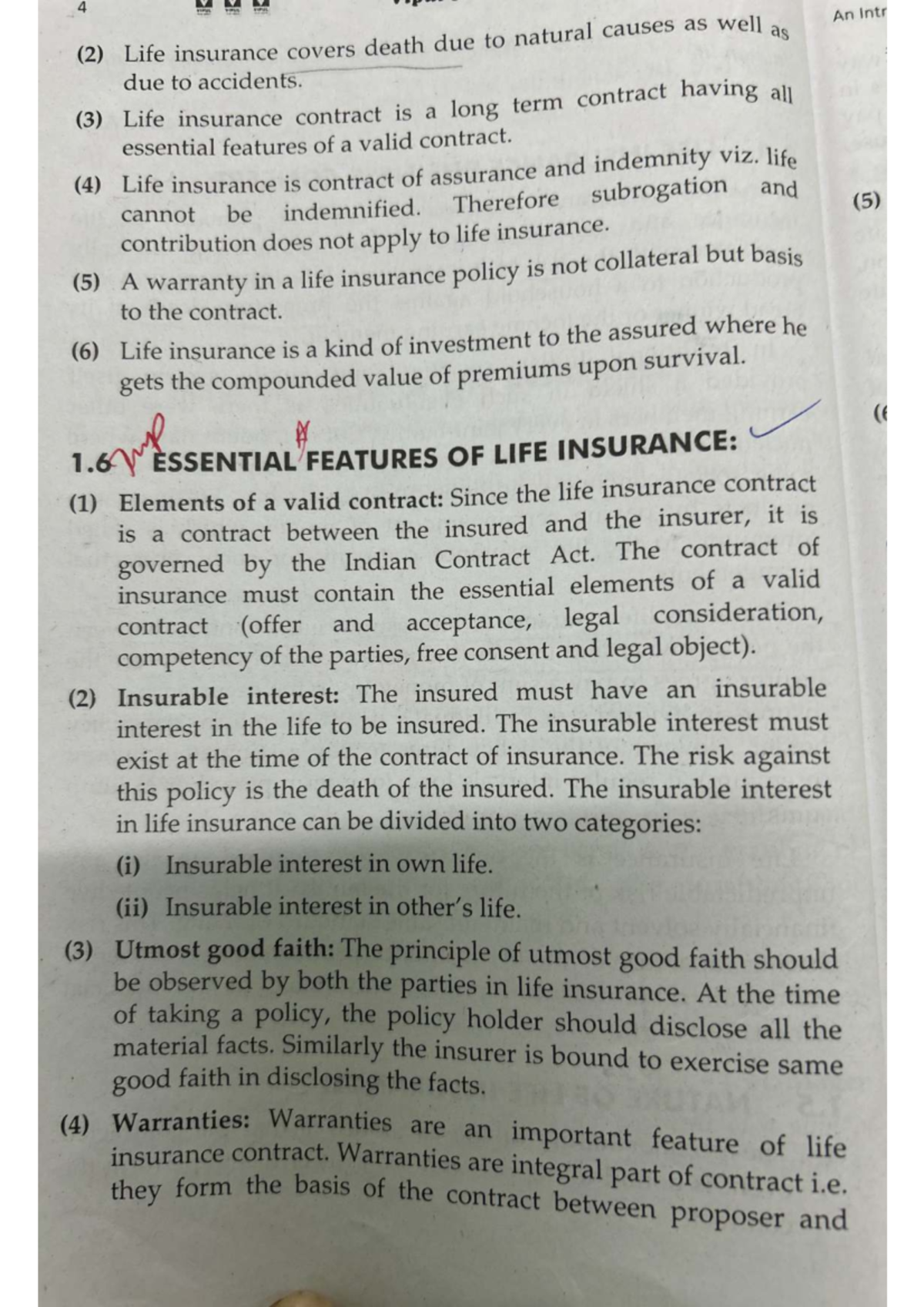
This is a standard death benefit. If a member passes away from natural causes, illness, or an accident, the fund pays a set amount to the designated beneficiary. Because it is "term" insurance, it does not have a cash value or investment component; it is purely a protection-oriented benefit that exists as long as the member remains eligible and employed.
Accidental Death and Dismemberment (AD&D)
AD&D provides an additional layer of financial support if the member’s death is the direct result of an accident. In many 1199SEIU plans, the AD&D benefit is equal to the amount of the basic life insurance. This is often referred to as "double indemnity." For example, if a member has a $50,000 life insurance policy and dies in a qualifying car accident, the beneficiary could receive a total of $100,000 ($50,000 from basic life and $50,000 from AD&D).
Furthermore, the "Dismemberment" portion of the policy provides a payout to the member themselves if they survive an accident but suffer a severe loss, such as the loss of a limb, sight, or hearing. The payout amount is usually determined by a "schedule of benefits," which dictates what percentage of the total policy amount is paid out based on the severity of the loss.
Coverage Amounts and Benefit Limits
The "overview" of coverage amounts within 1199SEIU varies significantly based on the member's job classification and the specific Fund. In 2026, benefit amounts are generally structured in one of two ways:
- Flat Rate Benefits: Common in many service and maintenance roles, where every eligible member receives a fixed amount, such as $25,000 or $50,000, regardless of their specific hourly wage.
- Salary-Based Benefits: More common for professional roles (such as Registered Nurses or Technologists), where the benefit is calculated as a multiple of the member’s annual salary (e.g., 1x or 2x the annual base pay).
Members should consult their Summary Plan Description (SPD) for the exact figures. It is also important to note that these benefits may have age-related reductions. Under standard group life insurance rules, benefit amounts often decrease once a member reaches age 65 or 70, reflecting the increased actuarial risk. These reductions are a standard feature of group policies and are designed to keep the funds sustainable for the entire membership.
| Fund Name | Typical Basic Life Benefit (Estimated) | AD&D Inclusion | Eligibility Threshold |
|---|---|---|---|
| National Benefit Fund (NBF) | $50,000 - $100,000 | Yes | 144 hours/month |
| Greater NY Benefit Fund | $20,000 - $50,000 | Yes | Varies by CBA |
| Home Care Benefit Fund | $10,000 - $20,000 | Yes | 80-100 hours/month |
| Licensed Practical Nurses (LPN) | 1x Annual Salary | Yes | Full-time status |
How to Designate and Update Beneficiaries
One of the most critical aspects of the 1199SEIU life insurance overview is the management of beneficiary designations. A beneficiary is the person (or entity) who will receive the insurance proceeds upon the member’s death. If a member fails to name a beneficiary, or if the named beneficiary is deceased, the payout may be subject to the "Order of Precedence," which often directs funds to a surviving spouse, then children, then parents, and finally the estate.
To avoid legal complications and the delays of probate court, members must keep their designations current. Life events such as marriage, divorce, the birth of a child, or the death of a previously named beneficiary should trigger an immediate update.
Steps to Update Your Beneficiary:
- Online Portal: Log in to the 1199SEIU Benefit Funds website and navigate to the "My Account" section. There is typically a "Beneficiary" tab where changes can be made electronically.
- Paper Forms: For members who prefer traditional methods, a "Designation of Beneficiary" form can be downloaded, printed, and mailed to the Benefit Funds office. This form usually requires a witness signature but may not require a notary unless specified.
- Primary vs. Contingent: Members are encouraged to name both a Primary Beneficiary (first in line) and a Contingent Beneficiary (second in line in case the primary person is unable to receive the funds).
The Claims Process: Steps for Beneficiaries
When a member passes away, the process of claiming the life insurance benefit falls upon the survivors. Navigating this during a time of grief can be difficult, so understanding the requirements in advance is helpful.
First, the beneficiary must notify the 1199SEIU Benefit Funds office. This can be done via the Member Services department. The Fund will then send a Claimant’s Statement or a formal claim packet. To process the claim, the Fund generally requires an original certified death certificate (with a raised seal). Photocopies are rarely accepted for life insurance payouts.
In addition to the death certificate, beneficiaries may need to provide:
- A copy of the member's Social Security card (if requested).
- Proof of the beneficiary’s identity (Driver's License or Passport).
- If the beneficiary is a minor, court-appointed guardianship papers for the "property" of the minor must be provided before funds can be released.
Once the completed packet is received, the Fund's insurance carrier reviews the claim. Payouts are typically made within 30 to 60 days of the completed submission, assuming there are no disputes or missing documentation.
Portability and Conversion Options
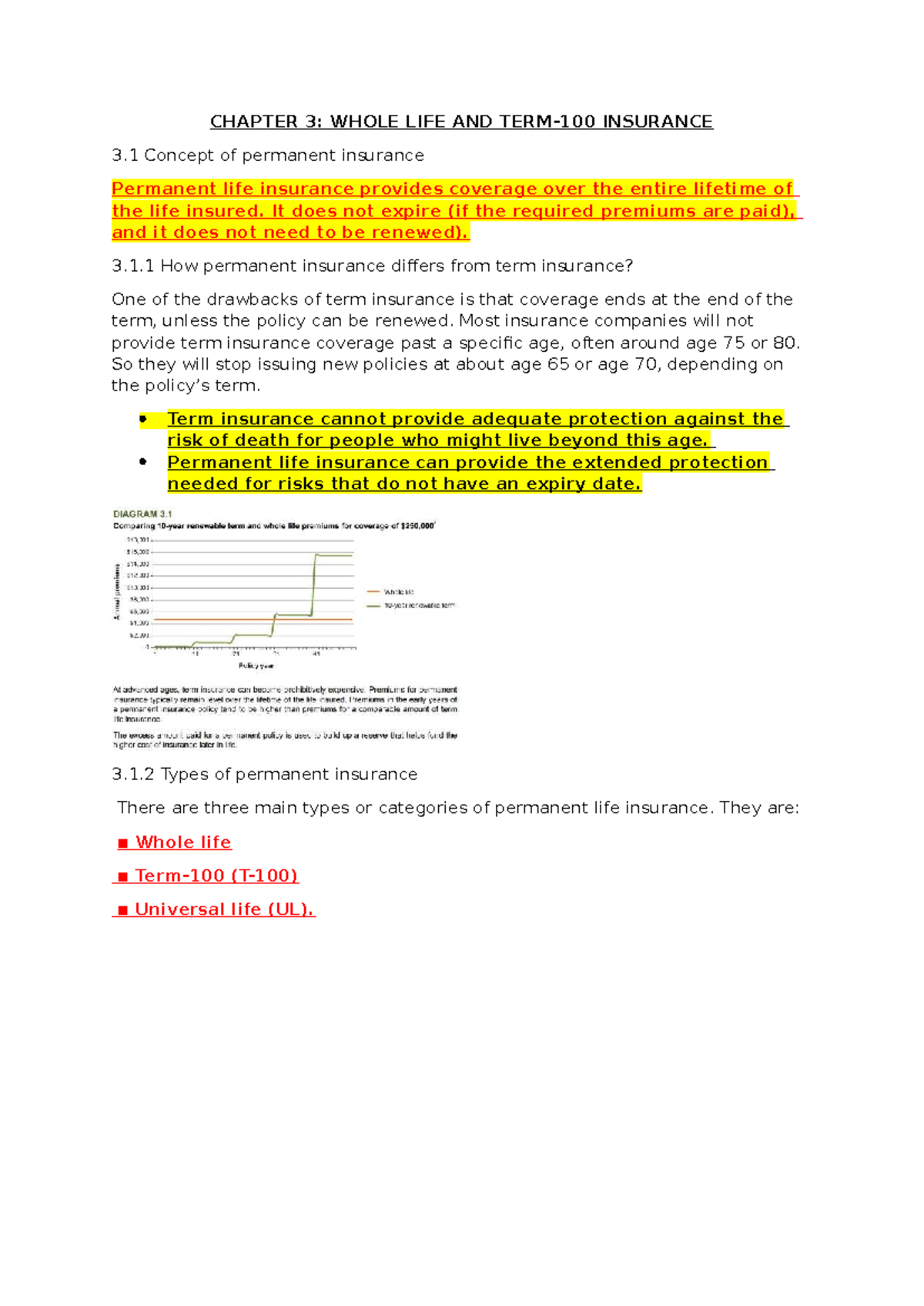
A common question regarding 1199SEIU life insurance is what happens when a member retires or leaves their union job. Because these are group policies, the coverage is generally not "portable" in its original form. However, most 1199SEIU funds offer a Conversion Privilege.
Conversion allows a member to turn their group term life insurance into an individual permanent life insurance policy without having to undergo a medical exam or provide "evidence of insurability." This is a significant advantage for members with pre-existing health conditions who might find it difficult to get coverage elsewhere.
The window for conversion is very narrow—usually 31 days from the date coverage ends. The premiums for the converted policy will be based on the individual's age at the time of conversion and will likely be much higher than the group rate. Nevertheless, for those who need to maintain coverage, this is a vital protection to act upon immediately after leaving employment.
Tax Implications and Financial Planning
Under current 2026 IRS regulations, life insurance proceeds paid to a beneficiary are generally not taxable as income. This means if a beneficiary receives a $50,000 check, they do not have to report that $50,000 as earned income on their federal tax return.
However, there is a nuance regarding the "value" of the insurance provided by the employer. According to IRS Code Section 79, the cost of employer-provided group term life insurance in excess of $50,000 is considered a taxable benefit. If your 1199SEIU life insurance benefit is $100,000, the "imputed income" for the second $50,000 may appear on your W-2 as taxable income. This amount is usually quite small, but members should be aware of it when reviewing their annual tax documents.
For comprehensive financial planning, members should view 1199SEIU life insurance as a foundation, not necessarily a complete solution. While $50,000 or $100,000 is a significant help, it may not cover a mortgage, college tuition, and years of lost income. Many members choose to supplement this union benefit with a private term life policy.
Common Challenges and Troubleshooting
Despite the robust nature of 1199SEIU benefits, members sometimes encounter hurdles. The most common issue is a denial of coverage based on eligibility. If a member was "out of benefit" at the time of death due to a lack of hours, the claim may be denied. It is essential for members to monitor their "Remittance Reports" to ensure their employer is accurately reporting their hours to the Fund.
Another challenge involves divorce. In many states, a divorce decree does not automatically revoke a beneficiary designation. If a member divorces but forgets to remove their ex-spouse from the 1199SEIU beneficiary form, the Fund may be legally obligated to pay the ex-spouse. To prevent this, members must update their records immediately following a legal separation or divorce.
Lastly, problems can arise when the beneficiary is a minor. Insurance companies cannot pay large sums directly to children under 18. If a minor is named without a trust or a designated guardian, the funds may be held in an interest-bearing account by the insurer or the state until the child reaches adulthood, or until a court appoints a guardian. Setting up a "Living Trust" or using the "Uniform Transfers to Minors Act" (UTMA) designations can help avoid these delays.
Frequently Asked Questions
1. Can I buy extra life insurance through 1199SEIU? While the Basic Life Insurance is provided automatically for eligible members, some 1199SEIU contracts allow for "Voluntary Supplemental Life Insurance." This allows members to purchase additional coverage through payroll deductions at discounted group rates. Check your specific Fund’s "Additional Benefits" section to see if this is available to you in 2026.
2. What happens to my life insurance if I am on disability? Most 1199SEIU funds have a "Waiver of Premium" or "Continued Coverage" provision for members on authorized disability. Generally, if you are receiving Disability Benefits from the Fund, your life insurance remains active for a specific period (often up to one year or the duration of your disability claim). You must ensure the Fund is aware of your disability status to maintain this.
3. Does 1199SEIU life insurance cover my spouse or children? The primary life insurance benefit is for the member only. However, some 1199SEIU Benefit Funds provide a small "Dependent Life Insurance" benefit (e.g., $5,000 for a spouse and $2,000 for each child). This is not universal across all funds, so you must verify your specific Summary Plan Description (SPD).
4. How do I find out who my current beneficiary is? The most efficient way is to log in to the 1199SEIU Benefit Funds "My Account" portal. Once logged in, look for the "Profile" or "Life Events" section. If the information is not listed online, you can call the Member Services department at (646) 473-9200 (for New York members) or your regional fund office.
5. Is there a suicide clause in the 1199SEIU policy? Most group life insurance policies, including those for 1199SEIU, have a standard "suicide exclusion" that applies only during the first two years of coverage. If a member has been in the plan for more than two years, the benefit is typically paid out regardless of the cause of death, though AD&D benefits would not apply in the case of suicide.
Practical Recommendation
If you have not checked your beneficiary status in the last 12 months, make it a priority this week. Log in to the 1199SEIU Benefit Funds portal to verify that your contact information and beneficiary designations are accurate. Additionally, download a copy of your Summary Plan Description (SPD) to understand the exact dollar amount of your coverage, as this will help you determine if you need additional private insurance to fully protect your family's financial future.