The controversy surrounding the Making the Cut Season 3 finale centers on the victory of Swiss designer Yannik Zamboni over British designer Georgia Hardinge. While Zamboni's avant-garde, deconstructed aesthetic captivated judges, many viewers argued that Hardinge’s sophisticated, commercially viable, and technically complex designs better aligned with the show’s mission to find the next "global fashion brand."
As of 2026, the debate continues to serve as a primary case study in the tension between high-concept artistry and retail-driven fashion within reality television. To understand why this particular finale sparked such a polarized reaction, one must examine the specific judging criteria, the backgrounds of the finalists, and the fundamental shift in what Amazon Prime Video’s series sought to achieve compared to its predecessors.
The Finale Showdown: Two Polar Opposite Visions
The finale of Making the Cut Season 3 presented a stark contrast in design philosophies. On one side was Yannik Zamboni, a designer whose brand, maison blanche, focused on "all-white, genderless, deconstructed" garments. His work was political, conceptual, and often utilized raw edges and unconventional silhouettes. On the other side was Georgia Hardinge, a designer known for her architectural approach to fashion, utilizing intricate pleating and sculptural techniques to create wearable, high-end pieces.
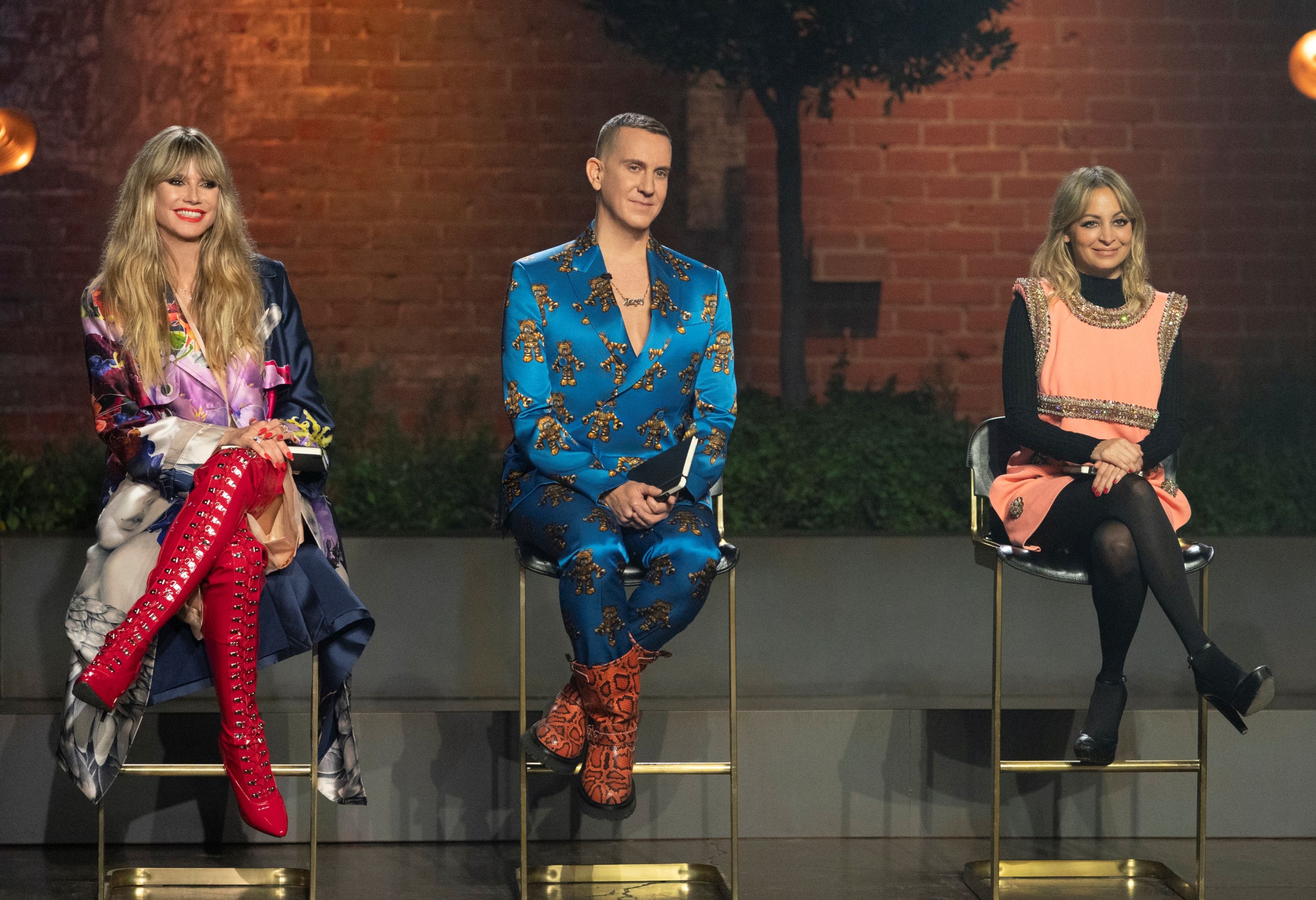
The judges—Heidi Klum, Jeremy Scott, and Nicole Richie—were tasked with awarding a $1 million investment and a mentorship with Amazon Fashion. The controversy erupted because the "Making the Cut" brand had previously emphasized the ability to scale a business and sell clothes to a mass audience. To many fans, Hardinge represented a ready-to-scale luxury brand, while Zamboni represented a niche art project.
Why Yannik Zamboni Won: The Judges' Perspective
The judges' decision was not based on technical "correctness" in a traditional sense, but on the "DNA" of the brand. Jeremy Scott, in particular, was a vocal advocate for Zamboni’s vision. As the Creative Director of Moschino at the time, Scott valued the disruptive nature of Yannik’s work.
1. Brand Identity and Uniqueness
In a saturated fashion market, the judges argued that Yannik Zamboni offered something genuinely new. His commitment to a monochromatic palette and deconstructed shapes made his work instantly recognizable. From a branding perspective, the judges felt that Zamboni's "maison blanche" had a soul that couldn't be replicated, whereas they felt they had seen versions of Hardinge’s architectural style in the luxury market before.
2. The "Point of View" Factor
Throughout Season 3, Tim Gunn emphasized the need for a "point of view." Zamboni’s point of view was unapologetic. He used fashion to comment on social norms, gender fluidity, and sustainability. The judges felt that in 2022 (and continuing through 2026), the fashion industry was shifting toward designers who stand for something beyond just "pretty clothes."
3. Personal Growth and Adaptability
While Zamboni’s aesthetic remained consistent, he showed the judges he could adapt his "conceptual" look into "accessible" pieces for the Amazon store. The challenge for any Making the Cut contestant is to prove their $100 looks are just as compelling as their $1,000 runway looks. The judges believed Zamboni successfully translated his complex deconstructions into wearable staples that would appeal to the "edgy" Amazon customer.
The Case for Georgia Hardinge: Why Fans Were Divided
The backlash to Zamboni’s win was immediate and sustained. Fans of Georgia Hardinge pointed to several factors that they believed made her the more deserving winner of a "global brand" competition.
Technical Mastery and Innovation
Hardinge’s use of 3D textures and pleating was objectively more complex from a pattern-making standpoint. Her designs often looked like wearable sculptures. For many viewers, the technical skill required to produce her collection far outweighed the "shredded" look of Zamboni’s garments. The controversy often boiled down to a debate over what constitutes "effort" in fashion: the intellectual effort of a concept vs. the physical effort of construction.
Commercial Viability
A recurring criticism of Zamboni’s work was that it looked "unfinished." Detractors argued that while his clothes looked great on a runway, they were impractical for the average consumer. Georgia Hardinge, conversely, had already established a business with celebrity clients like Beyoncé and Lady Gaga. Her clothes had a proven track record of being both high-fashion and highly sellable. Critics of the decision felt the judges ignored the "business" aspect of the show in favor of a "cool" factor.
The "Global Brand" Definition
The central mission of Making the Cut is to find a "global brand." In the eyes of many viewers, Hardinge’s sophisticated, feminine, and structured aesthetic had a much broader global appeal than Zamboni’s punk-inspired, all-white streetwear. The argument was that Amazon missed an opportunity to invest in a brand that could have competed with major luxury houses.
Analyzing the Judging Panel Dynamics
The composition of the judging panel played a significant role in the outcome. Heidi Klum often leans toward "sexy" and "bold" designs, while Nicole Richie looks for "bohemian" and "wearable" elements. However, Jeremy Scott acted as the primary tastemaker for Season 3.
Scott’s own career has been built on kitsch, rebellion, and high-concept pop culture references. His affinity for Zamboni’s work was predictable. When the panel deliberated, Scott was able to frame Zamboni’s "inconsistencies" as "intentional artistic choices." This shifted the narrative from a critique of construction to an appreciation of "vibe." Many viewers felt that the panel was too heavily influenced by Scott's personal preference for the avant-garde, leaving Georgia Hardinge with no real path to victory despite her flawless execution.
Summary of Design Philosophy and Performance
The following table compares the two finalists based on the criteria presented during the Season 3 finale.
| Feature | Yannik Zamboni (maison blanche) | Georgia Hardinge |
|---|---|---|
| Primary Aesthetic | Deconstructed, Avant-Garde, Punk | Architectural, Structural, Feminine |
| Color Palette | Monochromatic (Primarily White) | Varied, Soft Tones, Metallics |
| Key Technique | Raw Edges, Layering, Unconventional Seams | Pleating, 3D Sculpting, Geometric Cutting |
| Market Segment | Niche Streetwear / Genderless | Contemporary Luxury / Evening Wear |
| Judges' Main Praise | Originality, Boldness, "Cool" Factor | Sophistication, Construction, Marketability |
| Judges' Main Critique | Risk of looking "unfinished" | Potential lack of "edge" or "newness" |
The Role of Amazon Fashion and the "Store"
Unlike Project Runway, Making the Cut is inextricably linked to a retail platform. Every week, winning looks were made available for purchase on Amazon. This added a layer of data to the competition. While we do not have the exact internal sales figures from 2022, it is widely understood that Zamboni's "accessible" looks performed well with a younger, trend-focused demographic.
Amazon’s involvement suggests that the winner isn't just chosen for who makes the best clothes, but for who provides the best marketing opportunity for the Amazon Fashion brand. Zamboni’s "maison blanche" offered a story of sustainability and inclusivity—two pillars that Amazon has been keen to promote in its fashion ventures through 2026.
Long-Term Impact: Where Are They Now in 2026?
Looking back from 2026, the controversy has cooled, but the careers of both designers have validated their respective paths.
- Yannik Zamboni used the $1 million to establish maison blanche as a major player in the sustainable luxury space. He has shown at New York Fashion Week multiple times and remains a favorite among celebrities looking for "subversive" red-carpet looks. His win signaled a shift in the show toward rewarding designers who act as "creative directors" rather than just "seamsters."
- Georgia Hardinge did not need the win to succeed. Her brand has continued to grow independently, expanding its reach in the Middle Eastern and Asian markets. Many fashion critics still point to her as the "one who got away," arguing that her brand could have become a household name with the full weight of Amazon’s marketing machine behind it.
The Evolution of Reality Fashion Judging
The Season 3 controversy highlights a broader shift in fashion reality TV. In the early 2000s, competitions were judged primarily on the ability to sew a straight seam and fit a garment to a model. By 2026, these shows have become "Incubator" programs. The focus is now on:
- Storytelling: Can the designer sell a lifestyle, not just a shirt?
- Scalability: Can the aesthetic be mass-produced without losing its identity?
- Digital Presence: Does the designer have an "it" factor that translates to social media?
Zamboni excelled in storytelling and digital presence, while Hardinge excelled in scalability and construction. The "controversy" was essentially a clash between old-school fashion values and the new-age "brand" economy.
FAQ
Did Tim Gunn agree with the judges' decision in Season 3?
While Tim Gunn traditionally remains neutral to support the designers, he often expressed deep admiration for Georgia Hardinge’s technical prowess. However, he also championed Yannik’s unique voice. Gunn’s role is that of a mentor, and while he may have had personal preferences regarding construction quality, he publicly supported the judges' mandate to find a "global brand," which Yannik ultimately fulfilled according to the panel's definition.
Why was Yannik Zamboni’s use of only white fabric controversial?
Critics argued that a "global brand" cannot survive on a single color, especially white, which is difficult to maintain and less inclusive for various climates and lifestyles. However, Zamboni argued that white was a blank canvas that allowed the focus to remain on the silhouette and construction, rather than being distracted by color or print. He eventually introduced other tones in his later collections post-show.
Was the Season 3 finale of Making the Cut scripted?
There is no evidence that the show was scripted. However, like all reality television, it is edited for narrative impact. The "controversy" was heightened by the editing, which highlighted the judges' disagreements and the polarized styles of the finalists to create a more compelling finale.
How did the public react on social media?
The reaction was heavily skewed toward Georgia Hardinge on platforms like Reddit and X (formerly Twitter). Many fans felt she was "robbed" due to her superior technical skills. Conversely, Yannik found a strong following on Instagram and TikTok, where his "vibe-heavy" and gender-neutral aesthetic resonated with Gen Z and younger Millennials.
Has anyone from Season 3 been as successful as the winner?
Georgia Hardinge remains highly successful and is often mentioned alongside winners of the franchise. Curtis Cassell and Jeanette Limas also saw significant boosts in their brand recognition and sales following the season, proving that "winning" the $1 million isn't the only way to achieve the show's goal of business expansion.
Final Recommendation for Viewers
If you are revisiting Making the Cut Season 3 in 2026, it is helpful to watch the finale with the understanding that the judges were looking for a Creative Director, not just a talented tailor. While Georgia Hardinge’s technical skill is undeniable, Yannik Zamboni’s win represents the industry's pivot toward "identity-first" fashion. To truly appreciate the decision, focus on the brand presentations in the final episode rather than just the individual garments. The $1 million was an investment in a "future," and in the eyes of the 2022 judges, that future was deconstructed, inclusive, and bold.