In the mobile cloud computing paradigm, data security involves protecting information as it traverses between resource-constrained mobile devices and centralized cloud infrastructures. It utilizes specialized encryption, robust identity management, and secure communication protocols to mitigate risks such as unauthorized access, data breaches, and privacy loss, ensuring data remains integral and available despite network heterogeneity.
Mobile Cloud Computing (MCC) has revolutionized how users interact with digital services by integrating the processing power and storage capacity of the cloud with the portability of mobile devices. However, this convergence introduces a unique set of security challenges. Unlike traditional desktop-based cloud computing, the mobile paradigm must contend with the inherent limitations of mobile hardware—such as battery life and processing power—while securing data across varied and often untrusted wireless networks. As we navigate the technological landscape of 2026, understanding the multilayered approach to data security in MCC is essential for developers, enterprises, and end-users alike.
Understanding the Mobile Cloud Computing Architecture
To grasp the complexities of data security, one must first understand the three primary components that define the MCC environment. This architecture is designed to offload heavy computational tasks from the mobile device to the cloud, but each layer introduces potential points of failure.
The Mobile Client Layer
The mobile client encompasses smartphones, tablets, and wearable devices. These devices act as the primary interface for the user. In the 2026 ecosystem, these devices are increasingly powerful, yet they remain the "weakest link" due to physical vulnerability (loss or theft) and the presence of diverse, often unvetted, third-party applications. Security at this layer focuses on device-level encryption, secure booting, and sandboxing applications to prevent malicious software from accessing sensitive cloud credentials stored locally.
The Network Layer
The network layer serves as the bridge between the device and the cloud. It includes various communication technologies such as 5G, the emerging 6G standards, and public Wi-Fi. Data in transit is particularly vulnerable here to man-in-the-middle (MITM) attacks, packet sniffing, and session hijacking. Secure communication protocols, such as Transport Layer Security (TLS 1.3 or higher), are mandatory to ensure that data remains encrypted while moving through these heterogeneous environments.
The Cloud Service Provider (CSP) Layer
The cloud layer is where the heavy lifting occurs. It provides the storage, processing, and database services. While CSPs like Amazon Web Services (AWS), Microsoft Azure, and Google Cloud Platform (Google Cloud) employ rigorous security measures, the "shared responsibility model" still applies. The provider secures the infrastructure, but the user—or the enterprise—is responsible for securing the data they place within that infrastructure. Key concerns at this layer include multi-tenancy issues, where data from different users resides on the same physical server, and the risk of insider threats within the provider's organization.
Primary Security Challenges in the MCC Paradigm
Data security in MCC is not a singular problem but a collection of interconnected risks that stem from the fusion of mobility and distributed computing.
Data Privacy and Confidentiality
Privacy remains a paramount concern. In the MCC paradigm, sensitive personal or corporate data is often stored on remote servers managed by third parties. If encryption keys are mismanaged or if the cloud provider’s virtualization layer is compromised, unauthorized entities may gain access to private information. Furthermore, location-based services (LBS) frequently used in mobile apps can leak geographic data, leading to a breach of user privacy even if the primary data remains encrypted.
Data Integrity
Integrity ensures that data has not been altered during transmission or while in storage. In a mobile environment, signal interference or malicious injection can corrupt data packets. Maintaining integrity requires the use of digital signatures and cryptographic hash functions. By 2026, many MCC frameworks have integrated distributed ledger technology (blockchain) to create immutable logs of data access and modification, providing a high level of verifiable integrity.
Data Availability
Availability refers to the accessibility of data whenever the authorized user requires it. MCC is uniquely susceptible to availability issues due to network outages or Distributed Denial of Service (DDoS) attacks. If the mobile device cannot reach the cloud due to a localized network failure, the application may become useless. Modern MCC strategies employ "edge computing" to cache essential data closer to the user, ensuring basic functionality remains available even during cloud connectivity lapses.
Multi-tenancy and Resource Isolation
Cloud computing relies on virtualization to serve multiple "tenants" on a single physical machine. A significant security risk involves "side-channel attacks," where a malicious tenant attempts to monitor the resource usage (like cache or CPU cycles) of another tenant to infer sensitive data. Robust logical isolation and hardware-level security features, such as Trusted Execution Environments (TEEs), are critical to prevent data leakage between tenants.
Technical Strategies for Enhancing Data Security
Securing data in the MCC paradigm requires a mix of traditional cryptographic methods and modern, lightweight protocols designed for mobile hardware.
Advanced Encryption Standard (AES) and Beyond
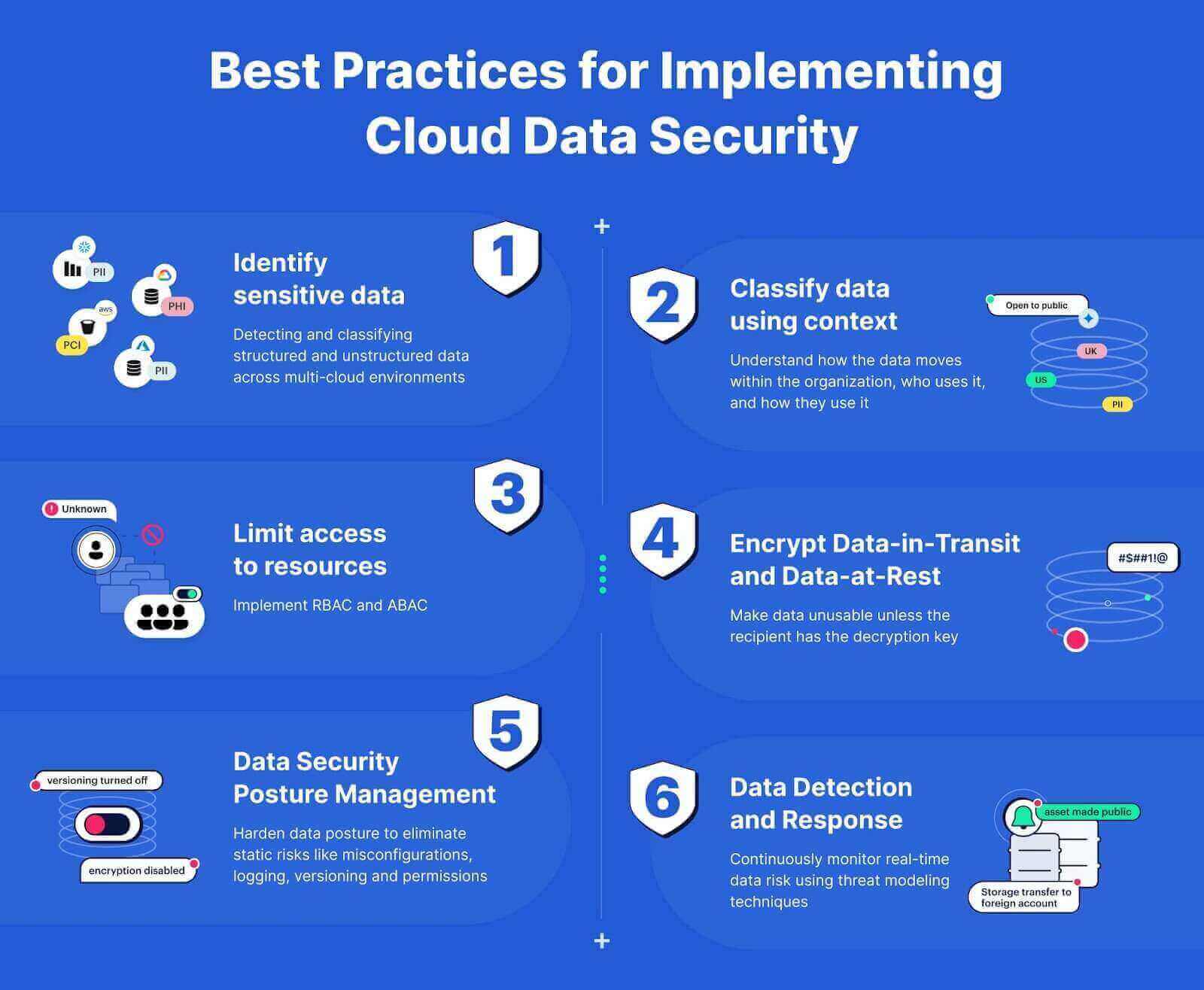
While AES-256 remains the industry standard for data at rest, the mobile environment often requires more flexible solutions. Attribute-Based Encryption (ABE) has gained significant traction. ABE allows data to be encrypted based on user attributes (e.g., job role, department) rather than specific identities. This is particularly useful in MCC, as it allows for fine-grained access control without managing thousands of individual keys.
Fully Homomorphic Encryption (FHE)
A major breakthrough being implemented more widely in 2026 is Fully Homomorphic Encryption. FHE allows the cloud server to perform computations on encrypted data without ever decrypting it. This solves the "trust" issue with cloud providers; the provider can process the data and return a result, but they never see the underlying sensitive information. While computationally intensive, offloading the heavy FHE math to specialized cloud accelerators makes this viable for mobile applications.
Identity and Access Management (IAM)
In a mobile-first world, traditional passwords are no longer sufficient. IAM in the MCC paradigm now prioritizes:
- Multi-Factor Authentication (MFA): Combining biometrics (face/fingerprint), hardware tokens, and behavior-based signals (like typing speed or usual location).
- Zero Trust Architecture: The principle of "never trust, always verify." Every request for data access is authenticated and authorized based on real-time risk assessment, regardless of whether the request comes from inside or outside the network.
- OAuth 2.0 and OpenID Connect: These remain the standard protocols for secure authorization, allowing mobile apps to access cloud resources without exposing user credentials.
Secure Data Offloading
Mobile devices often "offload" computation to the cloud to save battery. This process must be secured to prevent a "malicious offload" attack, where an attacker intercepts the task and returns a fraudulent result. Techniques like Verifiable Computing allow the mobile device to verify the correctness of the cloud's output using a small cryptographic proof, ensuring the offloaded task was performed accurately.
Comparative Analysis of Cloud Service Models in MCC
Security responsibilities shift depending on how the cloud service is delivered. The following table outlines the distribution of security tasks in the three main cloud models within the mobile paradigm.
| Security Component | Infrastructure as a Service (IaaS) | Platform as a Service (PaaS) | Software as a Service (SaaS) |
|---|---|---|---|
| Data Security | Customer Responsibility | Customer Responsibility | Customer/Provider Shared |
| Application Security | Customer Responsibility | Customer/Provider Shared | Provider Responsibility |
| Operating System | Customer Responsibility | Provider Responsibility | Provider Responsibility |
| Virtualization Layer | Provider Responsibility | Provider Responsibility | Provider Responsibility |
| Physical Infrastructure | Provider Responsibility | Provider Responsibility | Provider Responsibility |
| Identity Management | Customer Responsibility | Customer/Provider Shared | Customer/Provider Shared |
Regulatory Compliance and Legal Considerations
Data security in the MCC paradigm is not just a technical requirement; it is a legal one. Organizations operating in 2026 must adhere to a complex web of international regulations.
- General Data Protection Regulation (GDPR): Applies to any data related to EU citizens. It mandates "privacy by design" and requires organizations to report data breaches within 72 hours.
- Health Insurance Portability and Accountability Act (HIPAA): Crucial for mobile health (mHealth) applications, requiring strict controls on how protected health information is stored and transmitted in the cloud.
- Local Data Residency Laws: Many countries now require that data generated within their borders must remain on servers physically located within those borders. This poses a challenge for global MCC applications that rely on distributed cloud nodes.
For more detailed information on federal security standards, the National Institute of Standards and Technology (NIST) provides comprehensive guidelines on cloud and mobile security. Additionally, the Cloud Security Alliance (CSA) offers the Cloud Controls Matrix (CCM), which is an essential resource for mapping security controls across MCC environments.
Common Pitfalls and Implementation Mistakes
Even with the best tools, poor implementation can lead to catastrophic data breaches.
- Hardcoding Credentials: A common developer error is embedding API keys or cloud credentials directly into the mobile app's source code. Attackers can easily reverse-engineer the application to extract these keys. Use secure "Vault" services or environment variables instead.
- Insufficient Logging and Monitoring: Many MCC deployments fail to implement real-time monitoring. Without logs of who accessed what data and when, detecting a breach or conducting a post-mortem analysis becomes nearly impossible.
- Neglecting the "Shadow Cloud": This occurs when employees use unauthorized mobile apps or personal cloud storage to handle corporate data. Organizations must implement Mobile Device Management (MDM) or Mobile Application Management (MAM) to partition personal and work data.
- Insecure API Endpoints: The APIs that connect mobile apps to cloud backends are frequent targets. Lack of rate limiting, poor input validation, and weak authentication on these endpoints can expose the entire cloud database to "broken object-level authorization" attacks.
The Future of Data Security in MCC (2026 and Beyond)
As we look toward the latter half of the decade, two major trends are shaping the future of security in the mobile cloud computing paradigm.
AI-Driven Automated Threat Response
Artificial Intelligence (AI) and Machine Learning (ML) are now integral to MCC security. These systems analyze vast amounts of network traffic and user behavior in real-time to identify anomalies that suggest a zero-day exploit or a sophisticated phishing attempt. By 2026, AI-driven security orchestration can automatically isolate a compromised mobile device or revoke its cloud access tokens within milliseconds of detecting suspicious activity.
Quantum-Resistant Cryptography
With the advancement of quantum computing, traditional encryption methods like RSA and ECC (Elliptic Curve Cryptography) are becoming vulnerable. The MCC paradigm is currently transitioning to Post-Quantum Cryptography (PQC). These new algorithms are designed to be secure against both classical and quantum computers, ensuring that data encrypted today remains protected for decades to come.
Frequently Asked Questions
What is the biggest security threat to mobile cloud computing?
While there are many threats, unauthorized data access due to weak authentication and insecure APIs are currently the most prevalent. Because mobile devices are frequently used on public networks, the risk of credential theft via phishing or MITM attacks is significantly higher than in traditional enterprise environments.
Does 5G/6G improve or hinder MCC security?
It does both. 5G and 6G provide enhanced encryption at the network layer and lower latency, which allows for more complex security protocols to run without degrading the user experience. However, the massive increase in connected devices (IoT) expands the "attack surface," providing more entry points for hackers to exploit.
How can users protect their data when using mobile cloud apps?
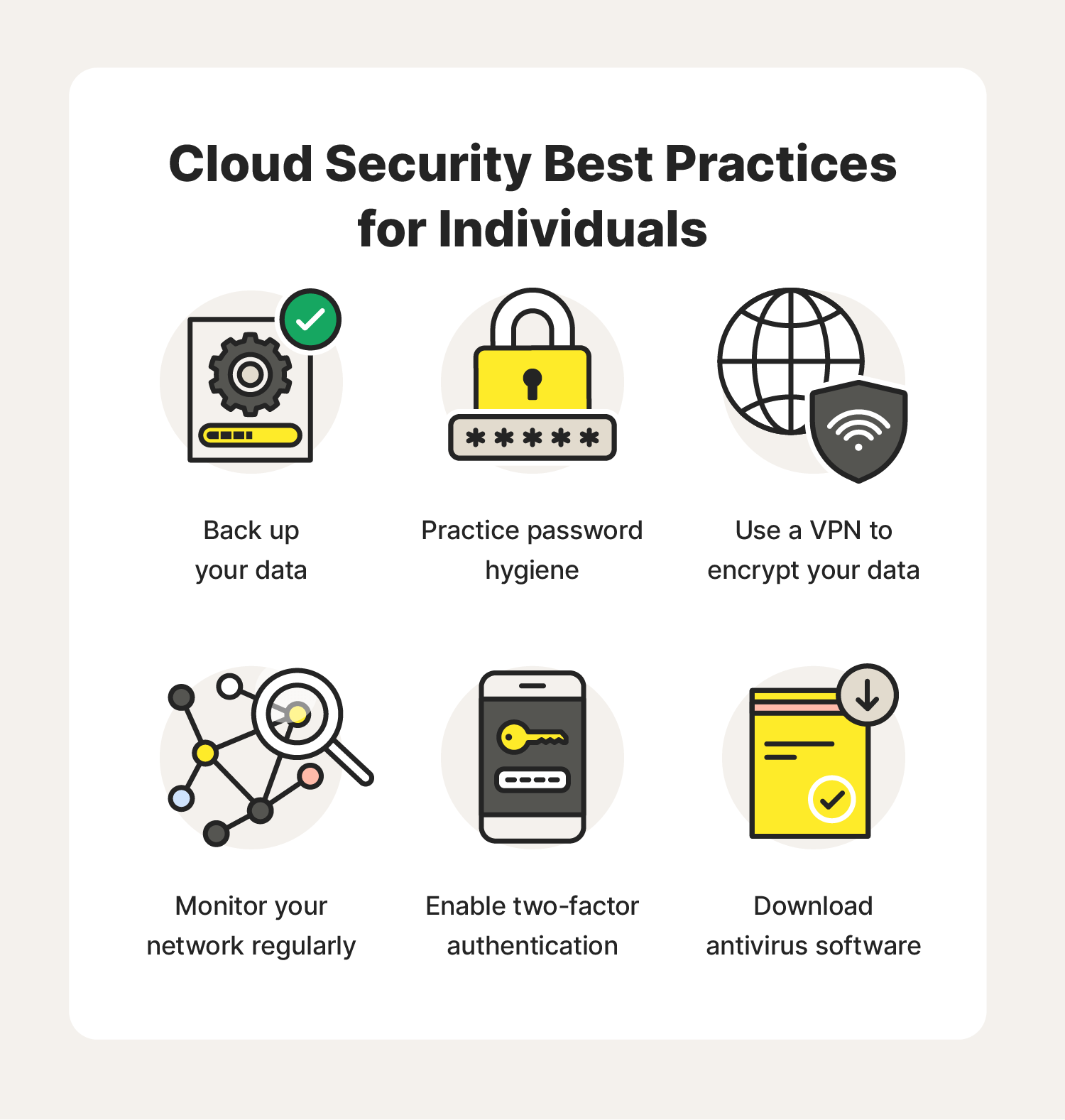
Users should always enable Multi-Factor Authentication (MFA), keep their device operating systems and apps updated, and avoid using public Wi-Fi for sensitive transactions unless using a trusted VPN. Reviewing app permissions to ensure a program doesn't have unnecessary access to your location or contacts is also vital.
Is data stored in the mobile cloud safer than data stored locally?
Generally, yes. Professional cloud providers have security budgets and expertise far beyond what an individual or small business can maintain. However, cloud storage introduces the risk of remote access. A "hybrid" approach—where the most sensitive keys are stored in a hardware security module (HSM) on the device while the data is encrypted in the cloud—often provides the best balance.
What is "Computation Offloading" security?
This refers to the security measures taken when a mobile device sends a processing task to the cloud. It ensures that the code sent to the cloud is not tampered with, that the cloud provider is legitimate, and that the result returned to the mobile device is mathematically correct and has not been altered by a malicious actor.
Practical Recommendation for Organizations
To successfully navigate the data security challenges of the mobile cloud computing paradigm, organizations should adopt a defense-in-depth strategy. Start by implementing a Zero Trust architecture that verifies every device and user session. Utilize Attribute-Based Encryption (ABE) for sensitive datasets to ensure fine-grained control. Finally, invest in continuous monitoring and AI-driven analytics to detect and respond to threats in real-time. By prioritizing security at every layer—from the mobile device to the cloud backbone—you can leverage the full power of the MCC paradigm without compromising the integrity or privacy of your most valuable data assets.