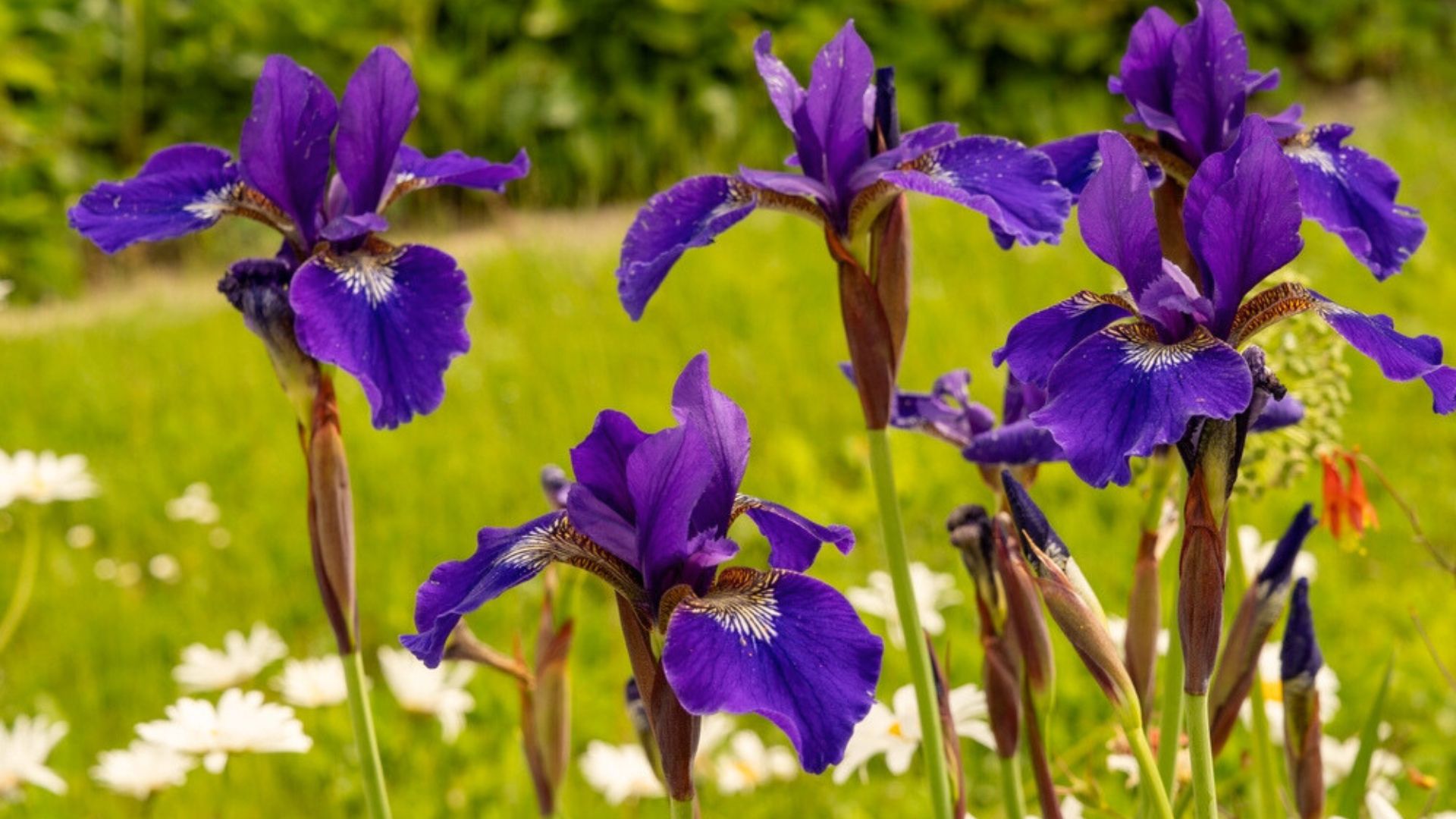
Most iris species are toxic to humans and animals. They contain the glycoside iridin, which causes severe gastrointestinal distress and skin irritation if handled or consumed. While "orris root" is used as a flavoring agent, it comes from specific species and requires years of specialized processing to be safe for use.
The genus Iris comprises over 300 species of flowering plants, known for their striking, fan-like foliage and intricate blooms. While they are staples in ornamental gardening across the globe in 2026, their presence in the kitchen is virtually non-existent for a very good reason: they are chemically defended against herbivory. Understanding the distinction between the beauty of the bloom and the biological hazards of the plant is essential for gardeners, foragers, and pet owners alike.
The Botanical Chemistry of Iris Toxicity
The primary reason irises are not edible is the presence of several toxic compounds, most notably a glycoside known as iridin (or irisine). This compound is found throughout the plant but is most highly concentrated in the rhizomes (the thick, underground stems) and the bulbs.
Iridin and Gastrointestinal Irritation
Iridin is a resinous substance that acts as a potent purgative. When ingested, it irritates the mucosal lining of the digestive tract. This irritation is the body’s primary defense mechanism, attempting to expel the toxin as quickly as possible. In humans, ingestion of even small amounts of iris rhizome can lead to:
- Severe nausea and prolonged vomiting.
- Abdominal pain and cramping.
- Profuse diarrhea, which can lead to secondary dehydration.
- Increased salivation and a burning sensation in the mouth.
While deaths from iris poisoning in healthy adults are extremely rare, the physiological toll is significant. The severity of the reaction often depends on the species of iris and the quantity consumed.
Terpenoids and Skin Contact
Beyond internal ingestion, irises contain certain terpenoids and quinones that can cause contact dermatitis. For many gardeners, handling the rhizomes—especially when dividing them or cleaning them for storage—can lead to skin redness, itching, and even blistering. This is why professional horticulturalists often recommend wearing gloves when performing maintenance on iris beds.
The Exception: Orris Root and Iris Florentina
If you have ever looked at the ingredient list of a high-end gin or a traditional potpourri, you may have seen "orris root" listed. This often leads to the mistaken belief that iris roots are naturally edible or safe to consume raw.
The Curing Process
Orris root is derived primarily from Iris germanica var. florentina. However, the "root" (rhizome) is not edible in its fresh state. Fresh orris root contains the same toxic glycosides and acrid resins as other irises. To make it usable, the rhizomes must undergo a labor-intensive curing process:
- Harvesting: The rhizomes are dug up, usually after the plant is at least three years old.
- Peeling and Cleaning: The outer skin is removed.
- Drying: The rhizomes are dried in the sun or in controlled environments for a period of three to five years.
- Enzymatic Transformation: During this long drying period, the fats and oils within the rhizome undergo oxidative degradation, producing irones. These irones are responsible for the characteristic violet-like fragrance and flavor.
Only after this multi-year transformation is the orris root ground into a powder. In 2026, it remains a valuable fixative in the perfume industry and a traditional botanical in liquor production. Even then, it is used in minute quantities as a flavoring agent, not as a food source or vegetable.
Common Iris Species and Their Specific Risks
Not all irises are created equal in terms of their chemical potency. Some common garden and wild varieties pose higher risks due to their prevalence or appearance.
Bearded Iris (Iris germanica)
The most common garden iris, the Bearded Iris, is frequently involved in accidental poisonings involving pets. Because these are often dug up and divided by gardeners, the toxic rhizomes are sometimes left exposed on the soil surface, where curious dogs might chew on them.
Yellow Flag Iris (Iris pseudacorus)
This species is particularly hazardous because it is highly invasive in wetland areas. It is frequently mistaken for the edible Cattail (Typha spp.) or Sweet Flag (Acorus calamus). Yellow Flag Iris is considered more toxic than many other species, and its sap is known to be particularly irritating to the skin.
Blue Flag Iris (Iris versicolor)
Native to North America, the Blue Flag is often found by foragers looking for wild edibles in marshy areas. Its leaves look remarkably similar to young wild leeks or cattail shoots before the flowers emerge. Consuming Blue Flag by mistake is a common error for novice foragers, leading to rapid onset of "iris-induced" gastric distress.
Comparing Iris to Edible Lookalikes
To ensure safety while foraging or gardening, it is vital to distinguish the toxic Iris from plants that are actually safe for consumption.
| Plant Name | Appearance | Edibility Status | Key Distinguishing Feature |
|---|---|---|---|
| Iris (Various) | Flat, sword-like leaves arranged in a fan. | TOXIC | Leaves are strictly flat; rhizomes have an acrid, bitter taste. |
| Cattail (Typha) | Tall, strap-like leaves; "corn dog" flower spike. | EDIBLE | Leaves are rounded at the base, not flat fans; roots are starchy and white. |
| Sweet Flag (Acorus) | Sword-shaped leaves, very similar to Iris. | MEDICINAL/FLAVOR | Leaves have a distinct citrus or spicy scent when crushed; "crinkled" leaf edge. |
| Wild Leek (Ramps) | Broad, oval-to-lanceolate leaves. | EDIBLE | Strong onion or garlic scent; usually only two leaves per plant. |
| Wild Onion/Garlic | Tubular or flat grass-like leaves. | EDIBLE | Strong characteristic alliaceous (onion) odor; bulbous roots. |
Toxicity in Pets and Livestock
As we move through 2026, veterinary data continues to highlight the Iris as a common "backyard hazard" for domestic animals. The risk profile for pets is often higher than for humans because animals may consume larger quantities relative to their body weight.
Dogs and Cats
Pets are most likely to encounter iris rhizomes during gardening season. Ingestion leads to drooling, vomiting, diarrhea, and lethargy. If a pet consumes a significant portion of an iris bulb, immediate veterinary intervention is required. The primary concern is not just the toxin itself, but the severe dehydration and electrolyte imbalance that follows the purgative effects of the iridin.
Livestock Risks
Horses, cattle, and sheep generally avoid irises because of their bitter taste. However, if pasture is overgrazed and iris (especially Iris pseudacorus) is the only green matter available, livestock may ingest it. This can lead to "bloat," severe enteritis, and in rare cases, death due to the intensity of the gastrointestinal inflammation.
Historical Use vs. Modern Safety
History is full of references to the medicinal use of iris, which can lead to confusion regarding its safety. In centuries past, iris rhizomes were used in "heroic medicine" as a drastic purgative or to induce vomiting. However, modern toxicology has rendered these practices obsolete.
The medicinal "benefits" recorded in old herbals were essentially symptoms of mild poisoning. The body’s violent reaction to the plant was mistaken for a "cleansing" process. In 2026, medical professionals and botanists strictly advise against the internal use of any iris species unless it is a commercially prepared, highly diluted homeopathic or aromatic product like orris powder, which has been processed as described above.
What to Do in Case of Ingestion
If you suspect that a human or a pet has consumed any part of an iris plant, follow these steps:
- Identify the Plant: Take a photo of the flower and the leaves. If the rhizome was eaten, try to find a remaining piece to show medical professionals.
- Clear the Mouth: Remove any remaining plant material from the mouth. Do not induce vomiting unless specifically instructed by a poison control center or a doctor.
- Contact Poison Control: In the United States, the Poison Control Center (1-800-222-1222) provides immediate guidance. For pets, contact the ASPCA Animal Poison Control Center or your local emergency vet.
- Monitor Symptoms: Watch for swelling of the throat or mouth, as this can impede breathing, though this is less common than gastric symptoms.
- Hydrate: If vomiting or diarrhea occurs, focus on small sips of water or electrolyte solutions once the stomach has settled, under medical supervision.
Why Foraging Mistakes Happen
The "Are irises edible?" question frequently arises during the spring, when the "green-up" happens in wetlands. Foragers looking for Cattail shoots (often called "Cossack Asparagus") are at the highest risk.
Early in the season, before the tell-tale flowers bloom, the emerging leaves of the Iris and the Cattail look nearly identical to the untrained eye. However, the internal structure is the giveaway. If you pull a Cattail shoot, the base is round and features a white, tender core that smells like cucumber. If you pull an Iris shoot, the base is flat, the layers are tougher, and there is no pleasant vegetable scent. The rule for foragers in 2026 remains: If it doesn't have the "Cattail C" (the rounded, crescent shape at the base) and the right scent, do not eat it.
Frequently Asked Questions
Can you eat iris petals?
No, you should not eat iris petals. While some flowers like pansies or violets are edible, iris petals contain the same irritating glycosides found in the rest of the plant, though in lower concentrations. They are not considered food-safe and can cause mouth irritation or stomach upset.
Is iris tea safe to drink?
Iris tea made from fresh or dried garden irises is unsafe and can cause severe vomiting. While "Orris root tea" is mentioned in some historical texts, it requires the multi-year cured rhizome and is still not recommended for general consumption due to the risk of sensitivity and the lack of regulated safety standards for home preparation.
Is the "Blue Flag" iris different from the "Yellow Flag" in terms of toxicity?
Both are toxic, but they contain different levels of acrid resins. The Yellow Flag (Iris pseudacorus) is generally considered more dangerous, both because it is more chemically potent and because it is an invasive species that displaces edible native plants, increasing the likelihood of a foraging mix-up.
Are iris bulbs the same as onion bulbs?
No. While they may look similar when dormant, they are botanically distinct. Iris bulbs (or rhizomes) lack the characteristic layers and the pungent sulfurous odor of onions. Eating an iris bulb thinking it is a wild onion is a frequent cause of accidental poisoning.
Can I use iris as a garnish?
It is not recommended to use iris as a garnish. Even if the guest does not eat the flower, the sap from the cut stem can leak onto the food, potentially causing oral irritation or an unpleasant bitter taste. Stick to known edible flowers like nasturtiums or marigolds for food presentation.
Practical Recommendation
If you are a gardener, continue to enjoy the iris for its aesthetic value and historical significance. However, treat the plant with the same caution you would give to Foxglove or Oleander. Always wear gloves when dividing rhizomes to avoid "Iris dermatitis," and ensure that any discarded plant material is kept away from pets and livestock. For foragers, the presence of iris should serve as a reminder to never consume a wetland plant until it has been identified with 100% certainty through its flowers or distinct subterranean structures. In 2026, with so many verified edible alternatives available, there is no reason to risk the significant toxicity of the iris genus.