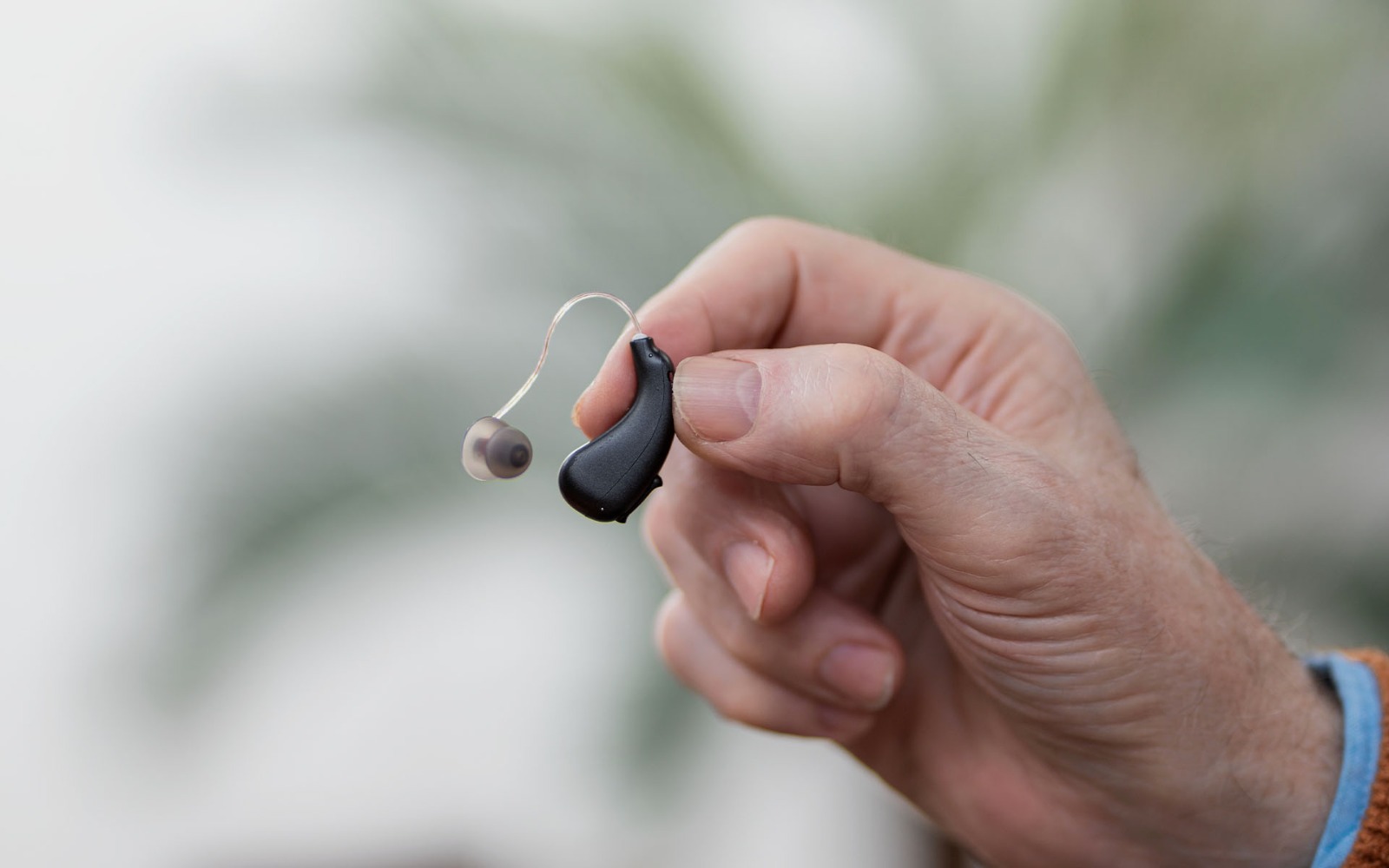
Inexpensive hearing aids are worth the investment for individuals with mild-to-moderate hearing loss who prioritize accessibility and value. While they lack the advanced artificial intelligence and professional custom-tuning of premium prescription models, modern over-the-counter (OTC) options provide high-quality sound amplification and essential connectivity at a significantly lower price point.
The landscape of hearing health has undergone a massive transformation leading into 2026. What was once a market dominated exclusively by high-priced prescription devices is now a bifurcated industry where "inexpensive" no longer implies "low quality." However, determining whether a budget-friendly device is worth it for you depends heavily on the nature of your hearing loss, your lifestyle, and your technical comfort level.
Understanding the Shift in Hearing Aid Economics
For decades, the average cost of a pair of hearing aids hovered between $4,000 and $6,000. This high barrier to entry was largely due to the "bundled" pricing model, where the cost of the devices included years of professional services, fitting, and follow-up care from an audiologist.
The 2022 FDA ruling that established a regulated category for over-the-counter (OTC) hearing aids changed everything. By 2026, this market has matured, allowing consumers to purchase medical-grade devices directly for $300 to $1,000. These "inexpensive" models are not the low-quality "personal sound amplifiers" (PSAPs) of the past; they are sophisticated digital devices designed to meet specific clinical standards.
The Definition of "Inexpensive" in 2026
In the current market, we generally categorize hearing aid pricing into three tiers:
- Entry-Level/OTC ($300 – $1,000): Self-fitted devices purchased online or at retail pharmacies.
- Mid-Range ($1,500 – $3,000): Often "unbundled" prescription aids or high-end OTCs with some remote support.
- Premium ($4,000+): Top-tier prescription devices including full professional services, AI-driven soundscapes, and specialized hardware.
Technical Capabilities of Budget-Friendly Devices
To understand if an inexpensive hearing aid is worth it, we must examine the hardware and software trade-offs. The "worth" of a device is often found in the balance between its processing power and its price.
Digital Signal Processing (DSP)
Every modern hearing aid uses a DSP chip to convert incoming sound into digital data, manipulate it, and convert it back to analog sound. Inexpensive aids typically use older-generation chips or "stripped-down" versions of flagship processors. While they still offer clear amplification, they may have fewer channels. Channels allow the device to divide the frequency spectrum into segments; more channels mean the device can be more precisely tuned to your specific hearing loss curve. An inexpensive aid might have 8 to 12 channels, whereas a premium aid might have 24 to 48.
Noise Reduction and Directionality
One of the primary complaints of hearing aid users is difficulty hearing in noisy environments, such as restaurants. This is where inexpensive aids often show their limits.
- Budget Models: Use basic directional microphones that focus on sound directly in front of the user while suppressing sound from the sides and back.
- Premium Models: Utilize binaural beamforming, where the four microphones (two on each ear) work together to create a highly specific "narrow beam" of focus, using AI to identify and isolate human speech from background clatter.
Feedback Cancellation
Inexpensive hearing aids have made significant strides in feedback management—the "whistling" sound that occurs when amplified sound leaks out of the ear and is picked up again by the microphone. By 2026, even entry-level devices from reputable brands include phase-inversion technology to cancel out these loops effectively.
When an Inexpensive Hearing Aid is "Worth It"
The value proposition of a budget hearing aid is strongest when the user’s needs align with the device's strengths.
Mild-to-Moderate Hearing Loss
OTC and inexpensive hearing aids are specifically regulated for adults with mild-to-moderate hearing impairment. If you occasionally struggle to hear conversations in quiet rooms or find yourself turning up the TV volume slightly higher than others, an inexpensive device is likely more than sufficient.
Straightforward Lifestyles
If your daily routine consists of one-on-one conversations, watching television, and spending time in relatively quiet environments, you may never utilize the $3,000 worth of extra features in a premium device. For these users, an inexpensive device provides 90% of the benefit at 20% of the cost.
Secondary or "Backup" Devices
Many users who already own premium prescription aids find that inexpensive OTC models are worth it as a secondary pair. They are excellent for use during travel, outdoor activities where the risk of loss is higher, or as a stop-gap measure while primary aids are being repaired.
The Limitations: When Inexpensive is Not Enough
It is important to recognize that "inexpensive" can become "expensive" if you buy a device that fails to meet your clinical needs.
Complex or Severe Hearing Loss
If you have severe-to-profound hearing loss, inexpensive OTC devices are generally not worth it because they lack the "gain" (amplification power) required to make sound audible without distortion. Furthermore, if you have a "precipitous" hearing loss (where you hear low tones perfectly but high tones very poorly), the self-fitting algorithms of budget devices may struggle to provide a comfortable balance.
Technical Challenges and "Self-Fitting"
Most inexpensive aids require the user to perform their own hearing test and configuration via a smartphone app. For individuals who are not tech-savvy or who have dexterity issues, the lack of professional "white glove" service can lead to frustration and the device eventually being relegated to a "junk drawer."
Medical Contraindications
Inexpensive, direct-to-consumer aids are not appropriate if you experience:
- Sudden onset of hearing loss.
- A significant difference in hearing between the two ears.
- Active drainage or ear pain.
- Tinnitus in only one ear. These symptoms require a medical evaluation by an Ear, Nose, and Throat (ENT) specialist or an audiologist to rule out underlying pathologies.
Total Cost of Ownership Comparison
To truly evaluate if these devices are worth it, one must look at the long-term costs. In 2026, the lifespan of a hearing aid is typically 4 to 6 years.
| Feature/Cost Factor | Inexpensive (OTC) | Mid-Range (Prescription) | Premium (Prescription) |
|---|---|---|---|
| Initial Price (Pair) | $300 – $1,000 | $1,500 – $3,000 | $4,000 – $7,000 |
| Professional Fitting | Not included | Included (usually) | Included (comprehensive) |
| Technology Level | Standard DSP | Advanced DSP | AI-driven / Adaptive |
| Battery Type | Rechargeable or Zinc-Air | Mostly Rechargeable | Fully Integrated Rechargeable |
| Bluetooth Streaming | Basic (Android/iOS) | Full (Multi-device) | Low Energy (LE) Audio / Auracast |
| Warranty Length | 1 Year | 2 Years | 3 Years + Loss/Damage |
| Typical Lifespan | 3–5 Years | 5–6 Years | 5–7 Years |
Hidden Benefits of Modern Budget Options
In 2026, even "budget" aids have benefited from the trickle-down effect of consumer electronics. Many inexpensive aids now include:
- Smartphone Integration: Allowing for discrete volume adjustments and "Find My Hearing Aid" features.
- Telehealth Support: Some budget brands offer "on-demand" remote sessions with hearing professionals for a small fee, bridging the gap between OTC and prescription care.
- Rechargeability: The transition away from tiny disposable batteries is nearly complete, even in the sub-$500 category.
Common Mistakes When Buying Budget Hearing Aids
To ensure your investment is worth it, avoid these frequent pitfalls:
- Buying from Unregulated Marketplaces: Stick to brands cleared by the FDA. Avoid "amplifiers" sold on generic discount sites that lack medical-grade compression and could actually damage your hearing if they exceed safe decibel limits.
- Ignoring the Return Policy: Hearing is a neurological process. Your brain needs 2 to 4 weeks to adapt to new sounds. If a budget aid doesn't offer at least a 30-day trial period, it isn't worth the risk.
- Expecting Perfection in Noise: No hearing aid, regardless of price, restores "normal" hearing. Expecting a $400 device to make a crowded wedding reception sound perfectly clear will lead to disappointment.
Frequently Asked Questions
Can inexpensive hearing aids treat tinnitus?
Some inexpensive hearing aids can help mask tinnitus simply by amplifying background sounds, which reduces the brain's focus on the internal ringing. However, advanced "tinnitus masking" software—which generates specific therapeutic sounds like pink noise or ocean waves—is usually reserved for mid-range or premium prescription devices. For more information on clinical guidelines, refer to the American Tinnitus Association.
Do I need a prescription to buy an inexpensive hearing aid?
As of the 2022 FDA final rule, which remains the standard in 2026, adults (18+) with perceived mild-to-moderate hearing loss do not need a prescription or a medical exam to purchase OTC hearing aids. However, children and those with severe loss still require a prescription and professional fitting.
Why are some hearing aids still so expensive if budget ones are good?
Premium hearing aids are essentially "supercomputers for the ears." They offer features like Auracast (the 2026 standard for broadcasting audio in public spaces), deep-brain hearing mimics, and sensors that track physical activity or detect falls. Furthermore, the price includes the expertise of an audiologist who uses "Real Ear Measurement" (REM) to verify that the device is performing exactly as intended inside your specific ear canal.
How long do inexpensive hearing aids last?
Most budget-friendly hearing aids are built with slightly less durable plastics and coatings than their $6,000 counterparts. While a premium aid might last 6 or 7 years with professional maintenance, an inexpensive model typically has a functional lifespan of 3 to 5 years. Moisture, earwax, and physical impact are the primary causes of failure.
Can I use my HSA or FSA to buy inexpensive hearing aids?
Yes. In most cases, hearing aids (including OTC models) are considered qualified medical expenses. This makes inexpensive aids even more affordable by allowing you to use pre-tax dollars for the purchase. Always verify with your specific plan administrator.
Final Recommendation: Are They Worth It?
Inexpensive hearing aids are absolutely worth it if you are a first-time user with mild hearing loss looking to improve your quality of life without a massive financial commitment. They serve as an excellent "entry point" into hearing health.
However, if you find that after a 30-day trial you are still struggling to understand speech in noisy environments, or if you find the physical fit uncomfortable, that is a clear signal that your hearing loss requires the more sophisticated signal processing and custom earmolds found in prescription devices. The goal is not just to save money, but to stay socially connected and cognitively engaged—and for many, a $600 pair of well-reviewed OTC aids is the perfect tool for the job.