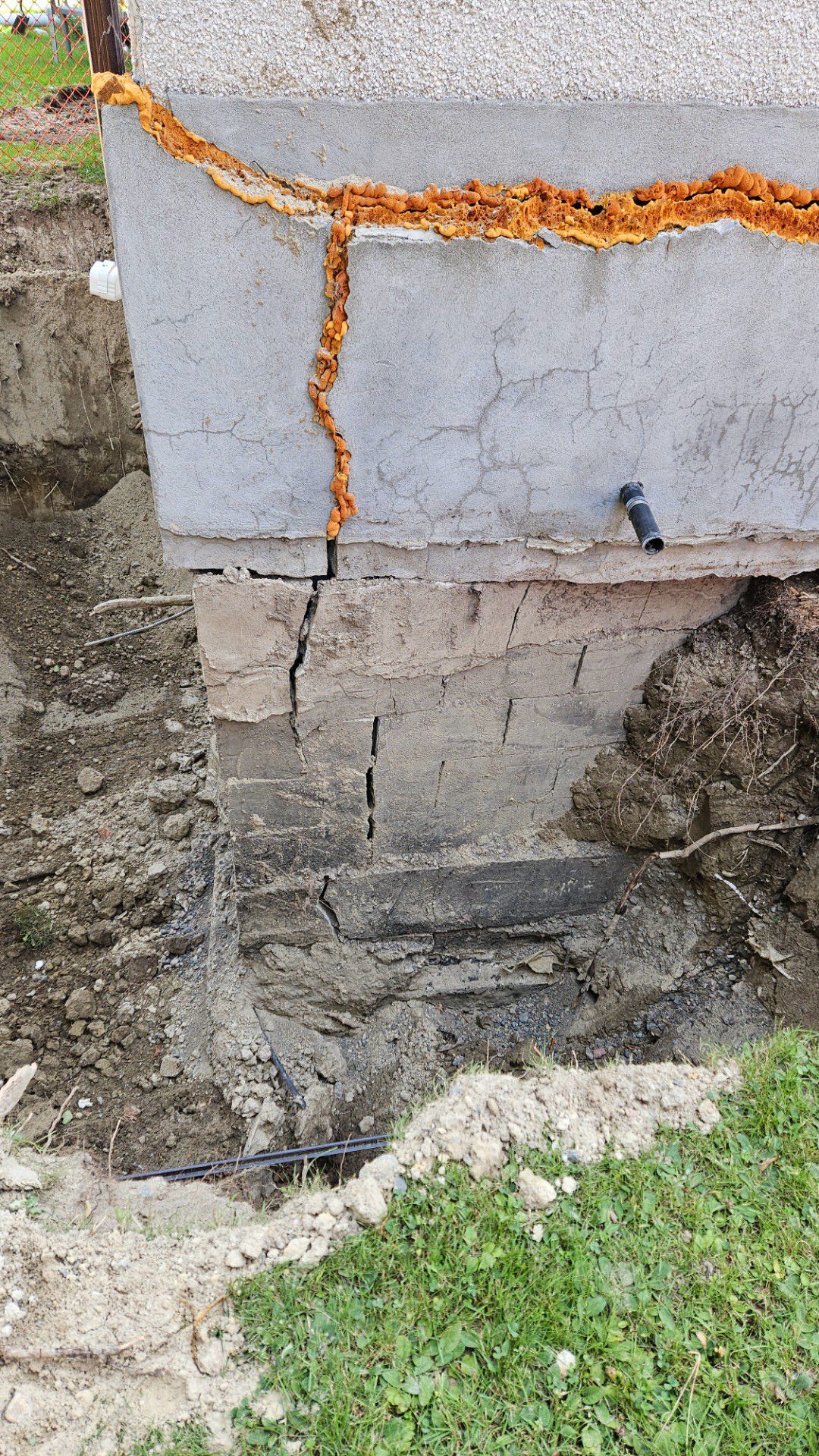
Atlantic Foundation & Repair is a specialized structural engineering and remediation firm serving Garner, North Carolina, and the surrounding Research Triangle area. In 2026, they remain a primary resource for homeowners facing soil-related structural instability, offering engineered piering systems, crawl space encapsulation, and moisture management solutions designed for North Carolina’s specific geotechnical conditions.
Foundation issues in the Southeast are rarely a matter of "if" but "when." For residents of Garner, the geological reality of the Piedmont region presents unique challenges that require more than just cosmetic masonry work. Atlantic Foundation & Repair has built a reputation on providing permanent, warrantied solutions that address the root cause of movement: the volatile interaction between North Carolina’s red clay soils and a home's footprint.
Understanding the Geotechnical Landscape of Garner, NC
Garner is situated within the Piedmont physiographic province, characterized by a complex mix of residual soils. The primary culprit for foundation distress in this area is expansive clay. These soils, often containing minerals like montmorillonite or illite, undergo significant volume changes based on moisture content.
During the humid North Carolina summers and frequent rain cycles, these clays absorb water and expand, exert upward and inward "heave" on foundation walls. Conversely, during periods of drought or high heat, the soil loses moisture and shrinks, leaving voids beneath the footings. This cycle of expansion and contraction leads to differential settlement, where one part of the home sinks faster than another. Atlantic Foundation & Repair focuses its technical approach on bypassing these volatile soil layers to reach stable "load-bearing" strata or bedrock.
Core Services and Technical Solutions
Atlantic Foundation & Repair employs a range of structural interventions. In 2026, these methods represent the industry standard for residential and light commercial stabilization in Wake County.
1. Helical and Resistance Piering
The most common solution for a sinking foundation is the installation of piers. These are industrial-strength steel shafts driven deep into the earth.
- Helical Piers: These resemble large screws and are mechanically rotated into the ground until they reach a predetermined torque, which correlates to the soil's load-bearing capacity. These are ideal for lighter structures or areas with high water tables.
- Resistance (Push) Piers: These use the weight of the house itself as a counterforce. Hydraulic rams drive the pier sections into the ground until they hit a "refusal" point (bedrock or dense soil). Once the piers are set, the home can often be hydraulically lifted back toward its original level.
2. Crawl Space Encapsulation and Structural Support
Many homes in Garner are built on crawl space foundations. The high humidity levels in North Carolina often lead to wood-destroying fungi and "soft" floor joists.
- Encapsulation: This involves sealing the crawl space with a heavy-duty vapor barrier (usually 12 to 20 mil polyethylene), sealing foundation vents, and installing a dedicated dehumidifier.
- Structural Jacks: When interior floors sag or bounce, Atlantic utilizes adjustable steel crawl space jacks. Unlike traditional wood shimming, these provide a permanent, adjustable point of contact to redistribute the home's weight back to the footings.
3. Foundation Wall Bracing and Reinforcement
Hydrostatic pressure—the weight of water-saturated soil pushing against a wall—can cause basement or crawl space walls to bow inward. Atlantic addresses this through:
- Carbon Fiber Straps: A high-tensile strength material bonded to the wall to prevent further movement without the need for invasive excavation.
- I-Beam Reinforcement: Steel beams bolted to the floor and the ceiling joists to provide rigid counter-pressure against bowing walls.
The Atlantic Foundation & Repair Methodology
What distinguishes Atlantic in the Garner market is their emphasis on the Engineering-First approach. Before a single pier is driven, the process typically involves a forensic assessment of the damage.
Inspection and Assessment
The initial inspection is not merely a sales call but a technical evaluation. Inspectors look for "tell-tale" signs of movement:
- Stair-step cracking in exterior brickwork.
- Doors and windows that stick or have gaps at the top.
- Frieze board separation at the corners of the roofline.
- Sloping floors that exceed 1/2 inch over a 10-foot span.
Permitting and Compliance
In Garner, structural repairs frequently require permits from the Wake County Planning, Development, and Inspections department. Atlantic Foundation & Repair handles the coordination of these permits, ensuring that the proposed repairs meet the North Carolina Residential Building Code. This is critical for homeowners, as unpermitted structural work can create significant legal and financial hurdles during the home-selling process.
Comparing Foundation Repair Methods in 2026
Homeowners often face a choice between "quick fixes" and permanent engineered solutions. The following table compares common approaches seen in the Garner area.
| Method | Best Used For | Durability | Relative Cost |
|---|---|---|---|
| Concrete Pressing | Minor aesthetic leveling | Low (subject to same soil movement) | Low |
| Helical Piering | Structural stabilization/lifting | Very High (Lifetime) | Moderate to High |
| Mudjacking | Slabs, walkways, and driveways | Moderate | Low to Moderate |
| Wall Anchors | Correcting bowed basement walls | High | Moderate |
| Encapsulation | Moisture control and wood rot prevention | High (with maintenance) | Moderate |
Cost Factors for Garner Homeowners
As of 2026, the cost of foundation repair in North Carolina varies significantly based on the severity of the settlement. While a minor crawl space stabilization project might start around $3,000 to $5,000, a full-scale piering project for a settling perimeter wall can range from $15,000 to over $40,000.
Several factors influence the final quote from Atlantic Foundation & Repair:
- Depth to Bedrock: If the stable soil is 30 feet down instead of 15 feet, the material costs for steel piers increase linearly.
- Access Limitations: Homes in established Garner neighborhoods with mature landscaping or tight property lines may require hand-digging or specialized "mini" hydraulic equipment, which increases labor time.
- Hydrostatic Drainage: If the foundation movement is caused by poor drainage, Atlantic may recommend an exterior French drain or gutter redirection in tandem with the structural work to ensure the problem does not recur.
Why Technical Expertise Matters in the Research Triangle
The Research Triangle region, including Garner, Raleigh, and Durham, has seen a surge in "pop-up" foundation contractors. However, structural repair is one of the few home improvement categories where a mistake can be catastrophic.
Atlantic Foundation & Repair’s longevity in the market is often attributed to their adherence to NC State Board of Examiners for Engineers and Surveyors standards. When a foundation is "lifted," it puts immense stress on the rest of the house. A technician without a deep understanding of load-path physics can inadvertently cause more damage—such as cracking plumbing lines or shattering windows—during the lifting process.
Frequently Asked Questions
Does homeowner’s insurance cover foundation repair in Garner?
Standard NC homeowners insurance policies typically do not cover foundation repair. Most policies exclude "earth movement," which includes settlement, heaving, and hydrostatic pressure. Coverage is usually only available if the foundation damage was a direct result of a covered peril, such as a sudden pipe burst. It is essential to consult your specific policy or agent, but most residents should view foundation maintenance as a long-term property investment rather than an insurable event.
How long does a typical Atlantic Foundation project take?
Most residential projects in the Garner area are completed within 3 to 7 business days. Piering usually takes 2 to 4 days depending on the number of piers required. Crawl space encapsulation can be completed in 2 days. More complex projects involving basement wall reconstruction or extensive interior piering may take longer.
Will my drywall cracks disappear after the house is lifted?
While lifting a house back toward its original position often closes many cracks, it is not a guarantee of a "finished" look. Foundation repair is about structural stability. Once the home is stabilized on piers, it is recommended to wait 4 to 8 weeks for the house to "settle" into its new position before hiring a painter or drywall contractor to patch the remaining cosmetic fissures.
Is the North Carolina red clay really that dangerous for my home?
The clay itself isn't "dangerous," but its volumetric instability is a major factor in structural health. The "red" color comes from oxidized iron, but the physical properties of the clay in Garner allow it to hold vast amounts of water. If your home was built during a dry season and then experienced a decade of North Carolina’s heavy rainfall, the soil expansion can easily exert enough force to crack an 8-inch thick concrete block wall.
Can I sell my house if it has had foundation repairs?
Yes, and in many cases, having a warrantied repair from a reputable firm like Atlantic Foundation & Repair can actually facilitate a sale. In the Garner real estate market, savvy buyers look for foundation issues. Providing documentation of a professional, engineered repair with a transferable warranty gives buyers peace of mind that the structural risk has been mitigated.
Practical Recommendations for Property Owners
If you suspect your Garner home is experiencing foundation movement, your first action should be a thorough exterior walkthrough. Check for pooling water against the foundation; North Carolina's heavy storms can dump thousands of gallons of water next to your footings if your gutters are clogged or your downspouts are too short.
Before committing to a five-figure repair, ensure that your drainage is optimized. If the cracks continue to grow or doors continue to stick despite dry weather, it is time to contact a professional. Atlantic Foundation & Repair is known for providing honest assessments, and in some cases, they may even inform you that the movement is within "acceptable tolerances" and does not yet require invasive intervention.
For the most accurate assessment, ensure you have access to any original property surveys or previous repair records, as these provide the technical context needed to determine if the movement is historical or active.