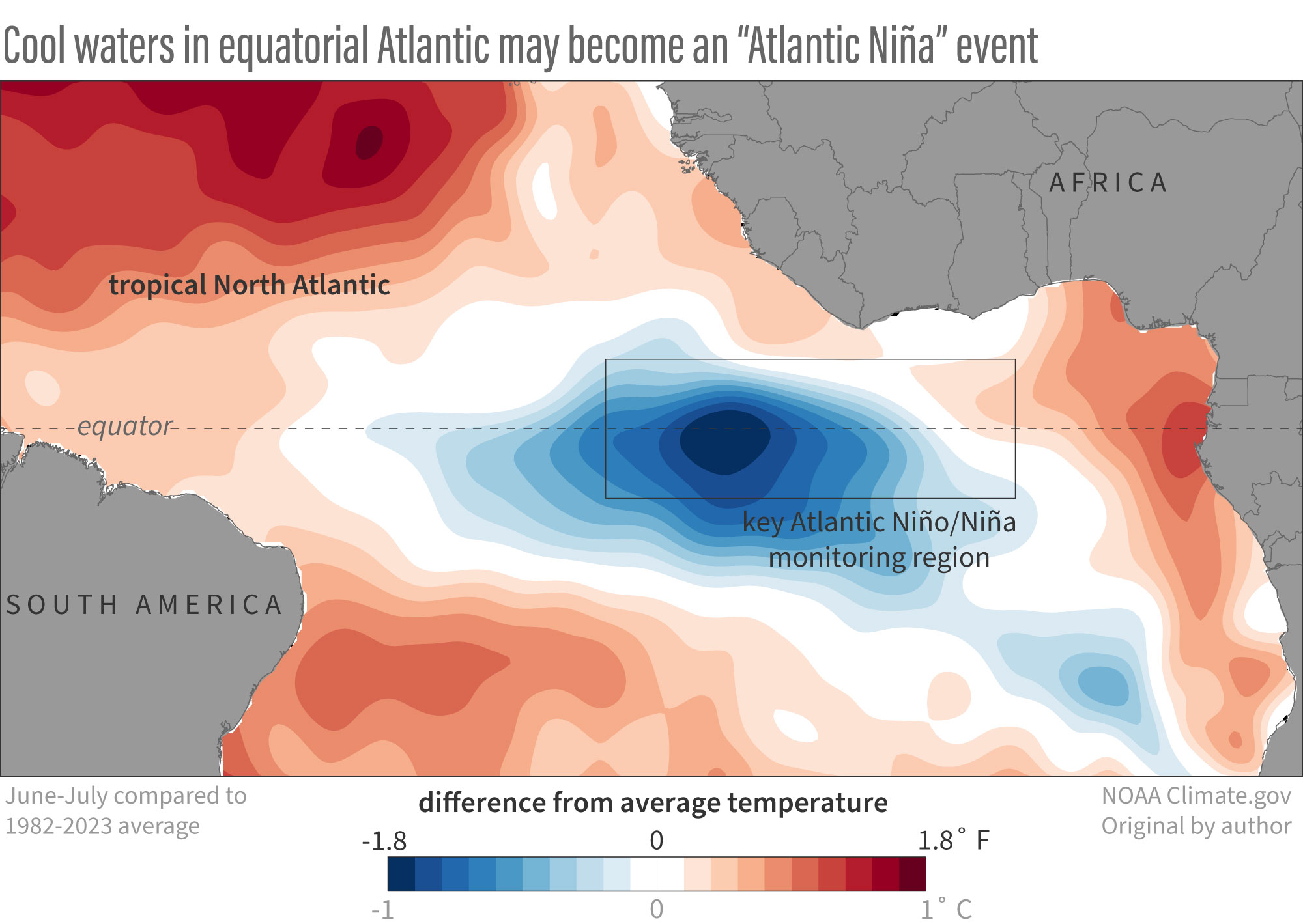
On average, the Atlantic Ocean is warmer than the Pacific Ocean. While the Pacific contains the world’s warmest localized open-ocean water—the "Western Pacific Warm Pool"—the Atlantic’s narrow basin, higher salinity, and powerful current systems like the Atlantic Meridional Overturning Circulation (AMOC) allow it to maintain a higher overall average surface temperature.
The question of which ocean is warmer is a fundamental inquiry in oceanography that reveals much about how our planet regulates its climate. While both oceans cover vast areas and exhibit a wide range of temperatures based on latitude, season, and depth, the Atlantic consistently holds the title for the warmest average sea surface temperature (SST). Understanding this disparity requires looking beyond simple thermometer readings and examining the complex interplay of plate tectonics, atmospheric winds, salt concentration, and the "conveyor belt" of global ocean currents.
The Global Temperature Stand-Off: Atlantic vs. Pacific
When comparing the Atlantic and Pacific, we must distinguish between surface temperatures and the temperature of the entire water column. On the surface, where human activity and weather patterns are most concentrated, the Atlantic is roughly 0.5 to 1 degree Celsius warmer than the Pacific on average. This might seem like a negligible difference, but in the realm of thermodynamics, such a gap represents a staggering amount of energy.
The Pacific Ocean is the largest and deepest of Earth's oceanic divisions. It covers about one-third of the planet's surface, making it larger than all the Earth's land area combined. Because of this sheer scale, the Pacific holds an enormous volume of water that remains untouched by sunlight, trapped in the deep, cold abyss. In contrast, the Atlantic is narrower and has a different circulation profile that keeps heat more "active" across its surface layers.
Average Surface Temperature Comparison
| Feature | Atlantic Ocean | Pacific Ocean |
|---|---|---|
| Average Surface Temperature | ~18.8°C (65.8°F) | ~18.3°C (64.9°F) |
| Highest Localized Temp | ~30-32°C (Caribbean/Gulf) | ~30-34°C (Western Warm Pool) |
| Salinity (Average) | ~35.5 PSU (Higher) | ~34.5 PSU (Lower) |
| Primary Heat Driver | AMOC / Gulf Stream | ENSO (El Niño/La Niña) |
| Basin Shape | Long, narrow "S" shape | Broad, circular basin |
Why the Atlantic Ocean is Warmer
The Atlantic's warmth is not a fluke of geography but a result of several interconnected physical processes. As of 2026, climate models continue to emphasize that the Atlantic acts as a primary heat-transport mechanism for the Northern Hemisphere.
1. The Atlantic Meridional Overturning Circulation (AMOC)
The single most important reason the Atlantic is warmer is the Atlantic Meridional Overturning Circulation (AMOC). This is a large-scale system of ocean currents that acts as a global conveyor belt. It carries warm, salty water from the tropics northward toward the North Atlantic.
As this warm water moves north, it releases heat into the atmosphere, which is why Northern Europe is significantly warmer than parts of Canada at the same latitude. Once the water cools and its density increases due to its high salt content, it sinks to the deep ocean and flows back south. This continuous "pumping" action ensures that the Atlantic surface is constantly replenished with warm water from the equatorial regions. The Pacific lacks a northward-reaching deep-water formation system as robust as the AMOC, meaning its heat is not redistributed in the same way.
2. High Salinity and Heat Retention
The Atlantic is the saltiest of the major oceans. This is largely due to trade winds that blow water vapor across the narrow Isthmus of Panama. As moisture evaporates from the Atlantic, it is carried by the wind and deposited as rain in the Pacific. This leaves the Atlantic with a higher concentration of salt.
Saltier water is denser, but it also influences how water layers interact. In the Atlantic, the high salinity facilitates the sinking of water in the North, which drives the "conveyor belt" mentioned above. Furthermore, higher salinity can slightly alter the specific heat capacity of water, but more importantly, the lack of freshwater dilution (compared to the Pacific) allows the Atlantic to maintain its thermal structure more effectively.
3. Geographic Narrowness and Land Influence
The Atlantic is a relatively narrow, "S-shaped" basin bordered by large landmasses (the Americas to the west, Europe and Africa to the east). This proximity to land plays two roles:
- Heat Trapping: The narrowness of the basin means that warm currents like the Gulf Stream are "funneled" along the coastlines, concentrating heat rather than allowing it to dissipate across a massive open expanse.
- Runoff and Dust: Significant amounts of warm river runoff and even mineral dust from the Sahara Desert influence the Atlantic’s composition and its ability to absorb solar radiation.
Why the Pacific Ocean is Cooler on Average
It is a paradox that the Pacific contains the "Warm Pool"—a region in the western tropical Pacific with some of the hottest ocean water on Earth—yet remains cooler on average. This discrepancy is due to the Pacific’s overwhelming size and different circulatory patterns.
The Influence of Size and Depth
The Pacific Ocean is so vast that it behaves differently than the Atlantic. Because it is much wider at the equator, the Pacific has a higher total heat capacity, but that heat is spread over a much larger volume. Additionally, the Pacific is deeper on average. Cold water from the Antarctic circulates more freely into the deep Pacific basins and stays there, effectively lowering the average temperature of the entire water body.
Lack of a Northern "Drain"
Unlike the Atlantic, the North Pacific is largely "closed off" by the Bering Strait. This prevents a vigorous exchange of water between the Pacific and the Arctic Ocean. Without a strong sinking mechanism in the north (like the one in the North Atlantic), the Pacific does not have a comparable "suction" force to pull warm equatorial waters as far north with the same velocity as the Gulf Stream.
The Role of Upwelling
The Pacific experiences significant "upwelling" along the coasts of North and South America. Upwelling occurs when winds push surface water away from the shore, allowing cold, nutrient-rich water from the deep ocean to rise to the surface. This process is particularly strong in the Pacific (the California Current and the Humboldt Current), which introduces a constant supply of cold water into the surface mix, bringing down the average temperature.
The "Warm Pool" Exception
While we establish the Atlantic as warmer on average, we must acknowledge the Western Pacific Warm Pool (WPWP). Located in the western tropical Pacific, this area has the highest consistent sea surface temperatures in the world, often exceeding 30°C (86°F). This is caused by trade winds pushing warm surface water westward, where it "piles up" against the islands of Southeast Asia and Oceania. However, this is a localized phenomenon. When the entire Pacific—from the frigid waters of the Gulf of Alaska to the Southern Ocean—is averaged out, it cannot compete with the Atlantic’s average.
The Impact of Climate Change in 2026
In the current year, 2026, the temperature gap between the Atlantic and Pacific is a subject of intense monitoring. Ocean warming has accelerated over the last several decades, but it has not been uniform.
The Atlantic has shown remarkable spikes in temperature, particularly in the North Atlantic. Scientists have observed "marine heatwaves" that are becoming more frequent and intense. One concern is that as the North Atlantic warms, the melting of Greenland's ice sheet introduces fresh water into the ocean. This fresh water is less dense than salty water and could potentially "stall" the AMOC. If the AMOC slows down, the Atlantic’s heat-transport system would fail, potentially leading to a cooling of the North Atlantic surface while heat builds up in the tropics.
Meanwhile, the Pacific continues to be dominated by the El Niño-Southern Oscillation (ENSO). During El Niño years, the Pacific surface warms significantly as trade winds weaken, temporarily narrowing the temperature gap between the two oceans. During La Niña years, the Pacific cools, making the Atlantic’s relative warmth even more pronounced.
Biological and Weather Implications
The temperature difference between these two giants has massive implications for life on Earth and the weather we experience.
Hurricane and Typhoon Intensity
Warm water is the fuel for tropical cyclones. Because the North Atlantic is warmer on average, particularly in the "Main Development Region" near the Caribbean, it provides ample energy for hurricane formation. While the Pacific has more total storms (typhoons) due to its size, the specific heat distribution in the Atlantic allows for rapid intensification of storms as they move toward the North American coast.
Biodiversity and Migration
Marine species have evolved to thrive in specific temperature ranges. The Atlantic’s warmer, saltier environment supports different coral reef structures and migratory patterns compared to the Pacific. For example, the warm Gulf Stream allows tropical species to survive much further north than they would in the Pacific. In the Pacific, the colder upwelling zones support some of the most productive fisheries in the world, as cold water holds more oxygen and nutrients than warm water.
Summary of Contributing Factors
To summarize why the Atlantic is the warmer ocean, we can look at four pillars:
- Circulation: The AMOC acts as a conveyor belt, bringing tropical heat to the North Atlantic surface.
- Salinity: Higher salinity in the Atlantic drives circulation and influences density-based heat storage.
- Geography: The Atlantic’s narrow shape prevents heat from dissipating and focuses currents along landmasses.
- Atmospheric Coupling: Wind patterns move moisture out of the Atlantic basin, concentrating salt and heat.
Frequently Asked Questions
Which ocean has the warmest water ever recorded?
The highest localized open-ocean temperatures are typically recorded in the Western Pacific Warm Pool or the Persian Gulf (an arm of the Indian Ocean). While the Atlantic is warmer on average, the Pacific holds the record for the highest localized temperatures in its tropical western regions, sometimes reaching 34°C (93°F) during extreme ENSO events.
Does the temperature of the ocean change with depth?
Yes, dramatically. In both oceans, there is a "thermocline"—a layer where temperature drops rapidly as you go deeper. Below the thermocline (roughly 1,000 meters), both the Atlantic and Pacific are very cold, typically between 0°C and 3°C (32°F to 37°F). The Atlantic is warmer primarily because its surface layer is warmer and deeper than the Pacific's average surface layer.
Is the Indian Ocean warmer than the Atlantic?
The Indian Ocean is actually the warmest of all the major oceans in terms of tropical surface temperature. However, because it is smaller and largely confined to the tropics and the Southern Hemisphere, it is often excluded from the direct "Atlantic vs. Pacific" comparison. If you average the entire surface of the Indian Ocean, it is technically the hottest, but the Atlantic remains warmer than the Pacific.
How does global warming affect the temperature difference?
Global warming is increasing the temperature of all oceans. However, the Atlantic is warming faster in certain regions (like the North Atlantic) due to changes in current speeds and atmospheric feedback loops. By 2026, we are seeing more frequent "marine heatwaves" in the Atlantic than in the Pacific, which is widening the gap during certain seasons.
Why is the Pacific cooler if it is closer to the "Ring of Fire"?
While the "Ring of Fire" means there is significant volcanic and geothermal activity on the Pacific floor, this heat is negligible compared to the sun's energy. The heat released by underwater volcanoes is not enough to warm the millions of cubic miles of water in the Pacific. Ocean temperature is driven by solar radiation and atmospheric interaction, not the Earth's internal heat.
Recommended Actions for Further Learning
If you are interested in tracking these changes in real-time as we progress through 2026, the best resource is the National Oceanic and Atmospheric Administration (NOAA) and their "Coral Reef Watch" or "SST (Sea Surface Temperature)" maps. These tools provide daily satellite updates showing the "temperature anomalies"—areas where the ocean is warmer or cooler than the historical average.
For students or researchers, focusing on the Atlantic Meridional Overturning Circulation (AMOC) is the key to understanding future climate shifts. Monitoring the salinity levels in the North Atlantic will provide the first clues as to whether the Atlantic will maintain its "warm" status or if a shift in circulation will fundamentally alter the global climate balance.