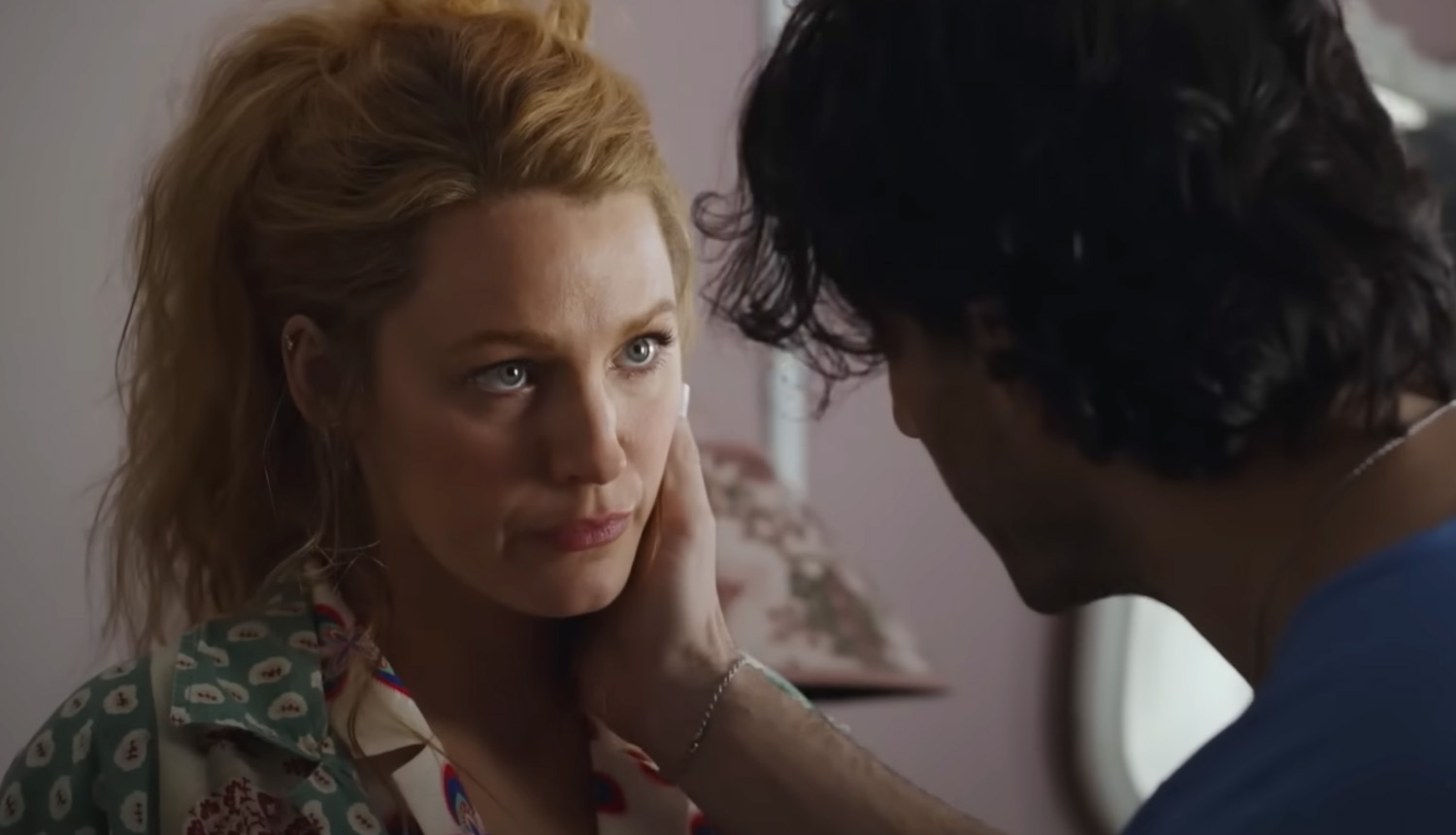
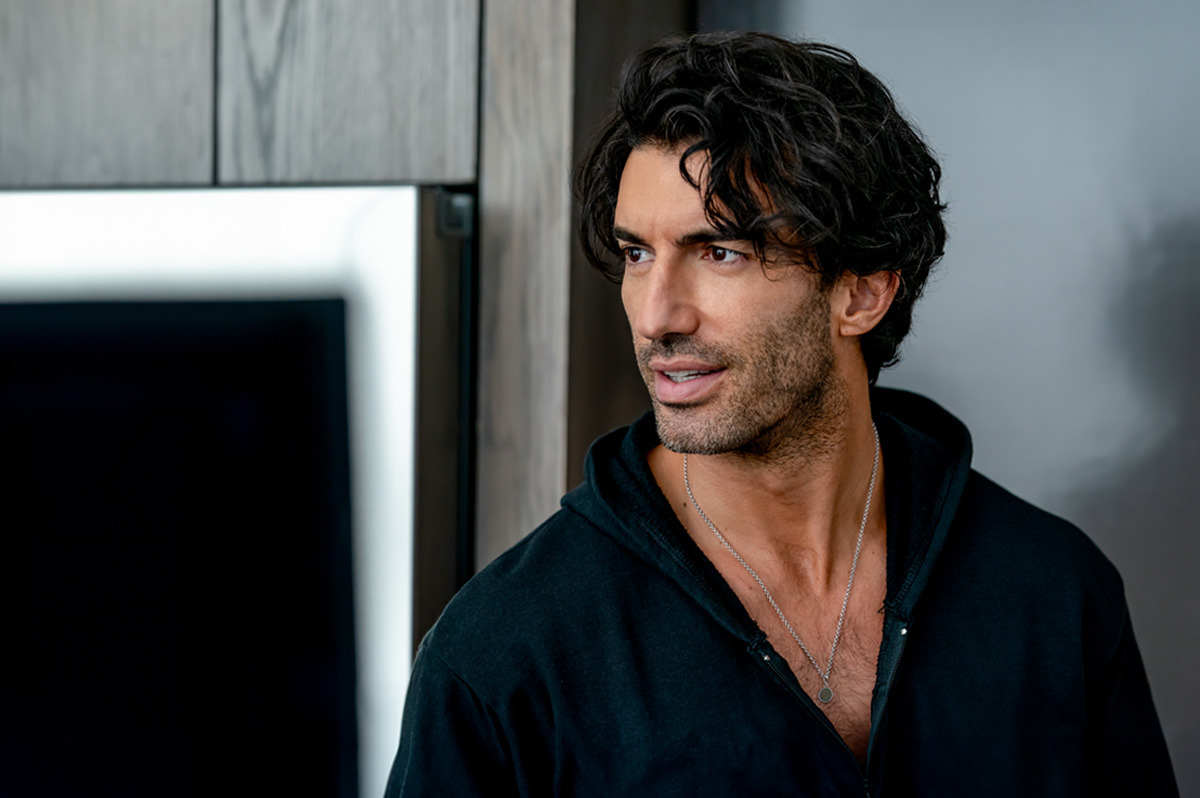
In the 2024 film adaptation of Colleen Hoover’s best-selling novel It Ends with Us, the pivotal role of Atlas Corrigan is portrayed by two actors to capture the character's journey across different timelines. Brandon Sklenar stars as the adult Atlas Corrigan, while Alex Neustaedter plays the younger version of the character in the film's essential flashback sequences.
Since the film’s high-profile release in August 2024, the portrayal of Atlas Corrigan has remained a central point of discussion for fans and critics alike. As of 2026, the movie continues to be a staple on streaming platforms, and the performances of Sklenar and Neustaedter are frequently cited as the emotional backbone of the story. Atlas is more than just a romantic interest; he is the personification of safety, resilience, and the possibility of a life free from the cycle of abuse. Understanding the casting of Atlas requires looking at both the adult and teenage iterations of the character and how these actors collaborated to create a seamless evolution of a beloved literary figure.
Brandon Sklenar: Bringing the Adult Atlas Corrigan to Life
Brandon Sklenar was officially announced as the adult Atlas Corrigan in early 2023, a casting choice that initially sparked significant debate among the novel’s massive "BookTok" fanbase. Sklenar, perhaps best known for his breakout role as the rugged and stoic Spencer Dutton in the Yellowstone prequel series 1923, brought a specific type of grounded intensity to the role of Atlas.
The Casting Vision for Adult Atlas
The filmmakers, including director and co-star Justin Baldoni, were looking for an actor who could embody Atlas’s transformation from a homeless, struggling teenager into a successful, self-assured chef and business owner. The character needed to provide a stark contrast to Ryle Kincaid (played by Baldoni). While Ryle is charismatic but volatile, Atlas needed to project a quiet strength, emotional intelligence, and unwavering patience.
Sklenar’s performance focused on the "slow-burn" nature of Atlas’s reunion with Lily Bloom (Blake Lively). In the film, Atlas operates a restaurant called "Root"—a name that symbolizes his desire to finally belong somewhere after a childhood of displacement. Sklenar’s portrayal emphasized Atlas as a "safe harbor," a man who has processed his own trauma and is capable of supporting Lily without attempting to control her.
Career Impact and Performance Notes
For Sklenar, It Ends with Us marked a significant transition from television leading man to cinematic romantic lead. Critics praised his ability to convey deep history with Lively’s Lily through subtle glances and restrained dialogue. By 2026, Sklenar has leveraged this success into several major film roles, but his turn as Atlas remains a defining moment in his career. He successfully navigated the pressure of playing a character with millions of dedicated fans, eventually winning over many who were initially skeptical about the age adjustments made for the film adaptation.
Alex Neustaedter: Portraying the Vulnerable Young Atlas
While the adult Atlas provides the resolution to the story, the emotional stakes are built entirely on the foundation of the teenage Atlas. Alex Neustaedter was cast to play the younger version of the character, appearing in the extensive flashback sequences that illustrate how he and a young Lily Bloom (played by Isabela Ferrer) first fell in love.
Establishing the Backstory
Neustaedter’s performance is critical because it establishes why Lily trusts Atlas so implicitly decades later. In these scenes, Atlas is a homeless teenager living in an abandoned house behind Lily’s family home. Neustaedter had to portray extreme vulnerability mixed with a protective instinct. His scenes involve very little dialogue compared to the adult sequences, relying instead on physical storytelling—sharing meals, seeking warmth, and the burgeoning, innocent romance that develops between two people finding solace in one another amidst their respective domestic turmoils.
Technical Depth of the Performance
Neustaedter brought a "raw" quality to the role. To prepare for the part, the actor focused on the physical toll of Atlas’s situation. The younger Atlas is a survivor of neglect and homelessness, and Neustaedter’s chemistry with Isabela Ferrer is often cited as the film's most heartbreaking element. Their portrayal of the "everything is fine" note and the shared secret of their sanctuary provides the necessary context for the adult Lily’s internal conflict when Atlas reappears in her life.
Comparison Table: The Actors Behind the Characters
To better understand how the cast was structured, the following table outlines the key actors for the primary roles in It Ends with Us.
| Character | Actor (Adult/Present Day) | Actor (Younger/Flashbacks) | Notable Previous Works |
|---|---|---|---|
| Atlas Corrigan | Brandon Sklenar | Alex Neustaedter | 1923, Colony, American Rust |
| Lily Bloom | Blake Lively | Isabela Ferrer | Gossip Girl, The Age of Adaline, Fire Island |
| Ryle Kincaid | Justin Baldoni | N/A | Jane the Virgin, Five Feet Apart (Director) |
| Allysa | Jenny Slate | N/A | Parks and Recreation, Marcel the Shell with Shoes On |
| Marshall | Hasan Minhaj | N/A | The Daily Show, Patriot Act |
The Narrative Significance of Atlas in the Film
The character of Atlas Corrigan serves as the "control group" in the film’s exploration of domestic relationships. Throughout the narrative, the audience is invited to compare the healthy, respectful love offered by Atlas with the cycle of abuse perpetuated by Ryle.
Atlas as the Antithesis of Ryle
Atlas represents a man who has broken the cycle. Despite his own traumatic upbringing, he does not use his past as an excuse for violence or manipulation. In the film, the interaction between Brandon Sklenar’s Atlas and Justin Baldoni’s Ryle is brief but electric, highlighting the tension between Lily’s past and her present. Atlas’s presence forces Lily to confront the reality of her situation; he is a mirror reflecting what a healthy relationship should look like.
The "Better Than the Movie" Symbolism
A significant element of Atlas’s character involves his childhood aspiration to move to Boston and his eventually successful career. The film maintains the iconic "Better than the movie" line, which refers to the quality of life Atlas hoped to build. By casting Brandon Sklenar, who possesses a natural maturity, the film emphasized that Atlas succeeded not just financially, but emotionally. He became the man who could offer Lily the life her mother never had.
Casting Controversies and Fan Reception
When the cast was first revealed in 2023, the production faced a wave of social media criticism. The primary concern was the age of the actors. In the original novel, Lily is in her early 20s and Atlas is similarly young. By casting Blake Lively (then in her mid-30s) and Brandon Sklenar (also in his 30s), the production significantly aged up the characters.
Addressing the Age Change
Author Colleen Hoover and director Justin Baldoni defended these choices, stating that the decision to age the characters was intentional. They wanted to emphasize that domestic violence is not just a "young person's issue" and can happen to established, professional adults. Fans who were initially worried that the "Atlas" they imagined would be lost were largely mollified once the film was released. Brandon Sklenar’s performance, in particular, was praised for capturing the essence of Atlas’s soul, regardless of the chronological age difference from the book.
The Impact of 2024 Release
The film’s massive box office success (grossing over $340 million worldwide) confirmed that the casting choices resonated with a global audience. As we look back from 2026, the discussion has shifted from "Are they the right age?" to "How well did they capture the emotional depth of the source material?" The consensus remains that the dual casting of Sklenar and Neustaedter was a masterstroke in maintaining the story's emotional continuity.
Key Scenes That Defined Atlas in the Film
Several specific moments in the movie solidified the audience's connection to Atlas. These scenes required both Sklenar and Neustaedter to work in tandem to create a singular, cohesive character history.
- The Kitchen Encounter: When adult Lily walks into Atlas’s restaurant for the first time, Sklenar’s reaction—a mix of shock, grief, and immediate recognition—sets the tone for their revived connection.
- The Abandoned House Flashbacks: Neustaedter’s scenes in the garden and the "bus" they imagined together established the "Better than the movie" theme.
- The Hospital Confrontation: When Atlas sees Lily in the hospital, Sklenar portrays a man who is willing to step back to respect Lily’s autonomy, even while his instinct is to protect her.
- The Final Encounter: The closing scene of the film, which mirrors the book’s poignant ending, relies entirely on the chemistry between Lively and Sklenar. It provides a sense of closure that is both earned and understated.
Frequently Asked Questions
Who plays young Atlas in the movie?
The younger version of Atlas Corrigan is played by Alex Neustaedter. He is prominently featured in the flashback scenes depicting Atlas's teenage years when he was homeless and befriended by a young Lily Bloom. Neustaedter is known for his roles in the television series Colony and American Rust.
Is Brandon Sklenar the same actor from the Yellowstone prequel?
Yes, Brandon Sklenar, who plays the adult Atlas, is the same actor who gained fame for playing Spencer Dutton in the Paramount+ series 1923. His performance in 1923 was a major factor in his being considered for the role of Atlas, as it demonstrated his ability to play a strong, silent, and deeply emotional character.
Why did they change the age of Atlas in the movie?
The filmmakers and author Colleen Hoover decided to age up the characters to make the story more relatable to a broader audience and to demonstrate that domestic abuse can affect women and men at any stage of life. While Atlas is in his early 20s in the book, Brandon Sklenar portrays him as a man in his early 30s, which aligns with Blake Lively’s portrayal of Lily.
Does Atlas appear in the sequel, It Starts with Us?
In the literary world, Atlas is the primary protagonist of the sequel novel, It Starts with Us, which focuses on his perspective and his budding relationship with Lily following her divorce. While a film adaptation of the sequel has been a topic of intense speculation through 2025 and 2026, Brandon Sklenar has expressed interest in reprising the role should the project move forward.
How did fans react to Brandon Sklenar as Atlas?
Initial reactions were mixed due to the age discrepancy from the book. however, after the film's release, the reaction became overwhelmingly positive. Fans praised Sklenar’s "gentle giant" energy and his ability to bring Atlas’s protective yet respectful nature to the screen.
Final Recommendations for Fans
For those who have seen the film and want to explore more of the actors' work, Brandon Sklenar’s performance in 1923 is highly recommended for a similar "quiet strength" archetype. Additionally, Alex Neustaedter’s work in American Rust showcases his range in dramatic, grounded storytelling. If you are a fan of the Atlas character, reading the sequel It Starts with Us provides much-needed depth into his personal history that the movie could only touch upon briefly. As of 2026, the best way to experience the cast's performance is through the 4K Ultra HD release, which includes behind-the-scenes featurettes on the casting process and the chemistry between the two "Atlases."