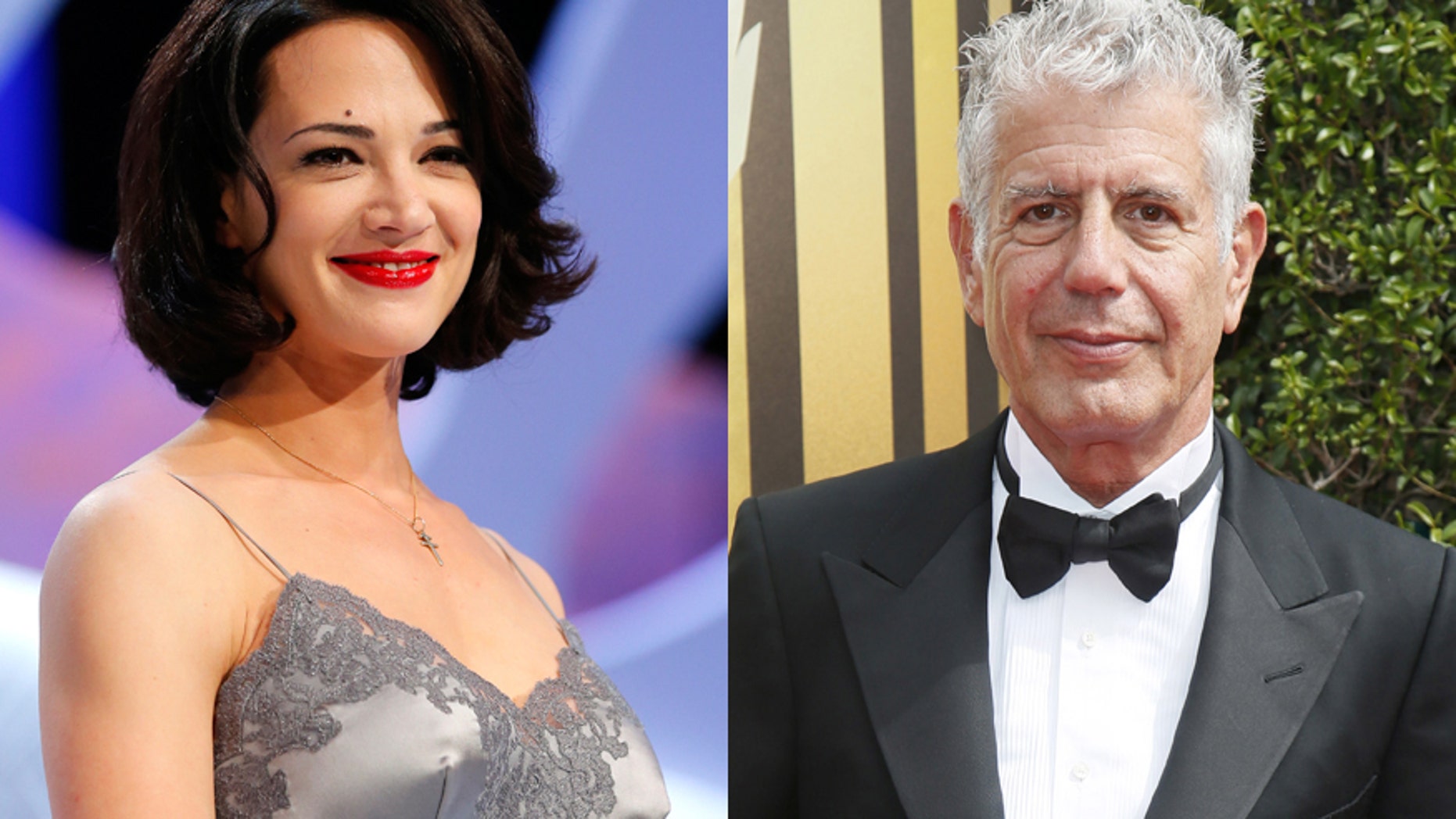
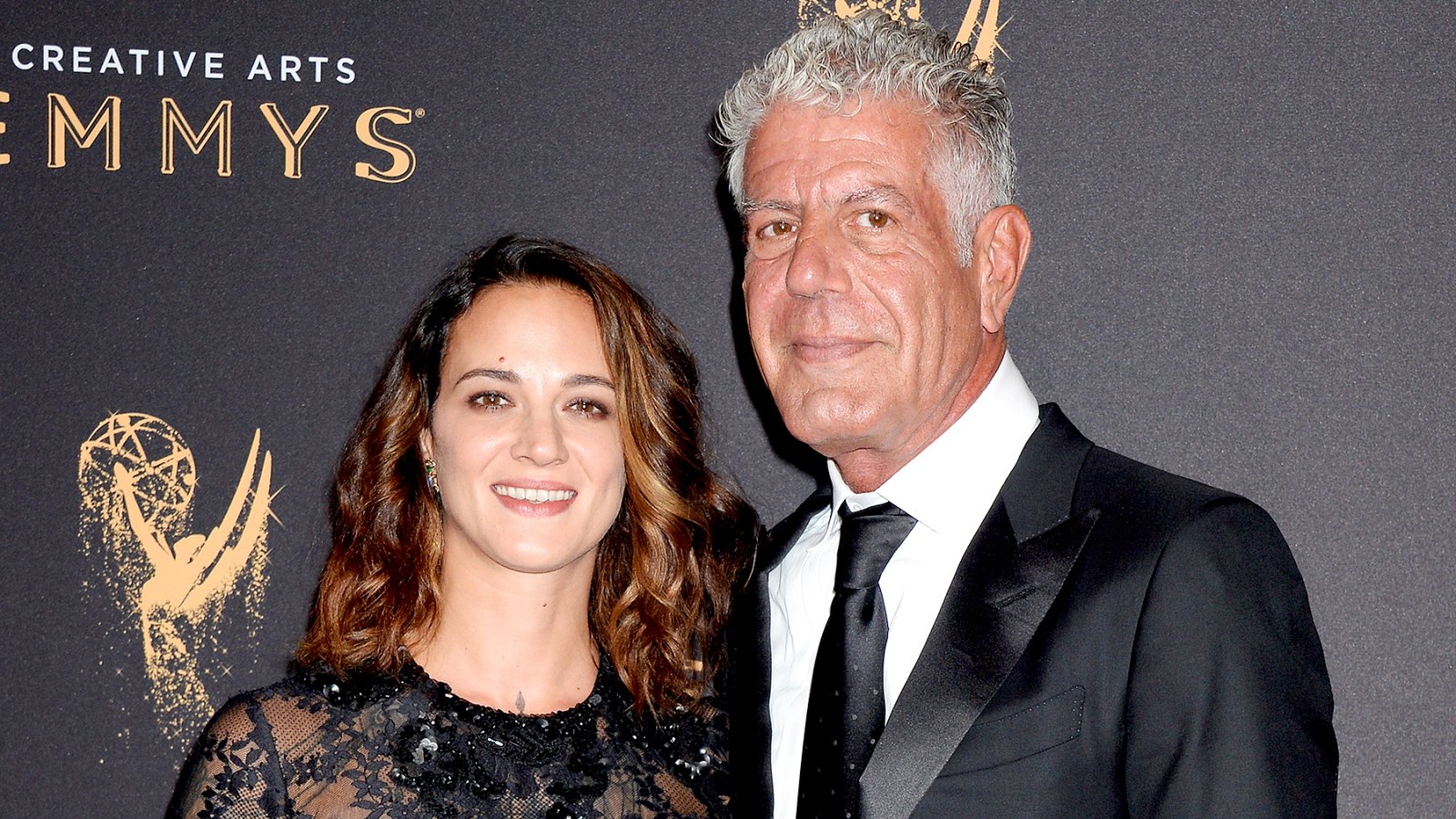
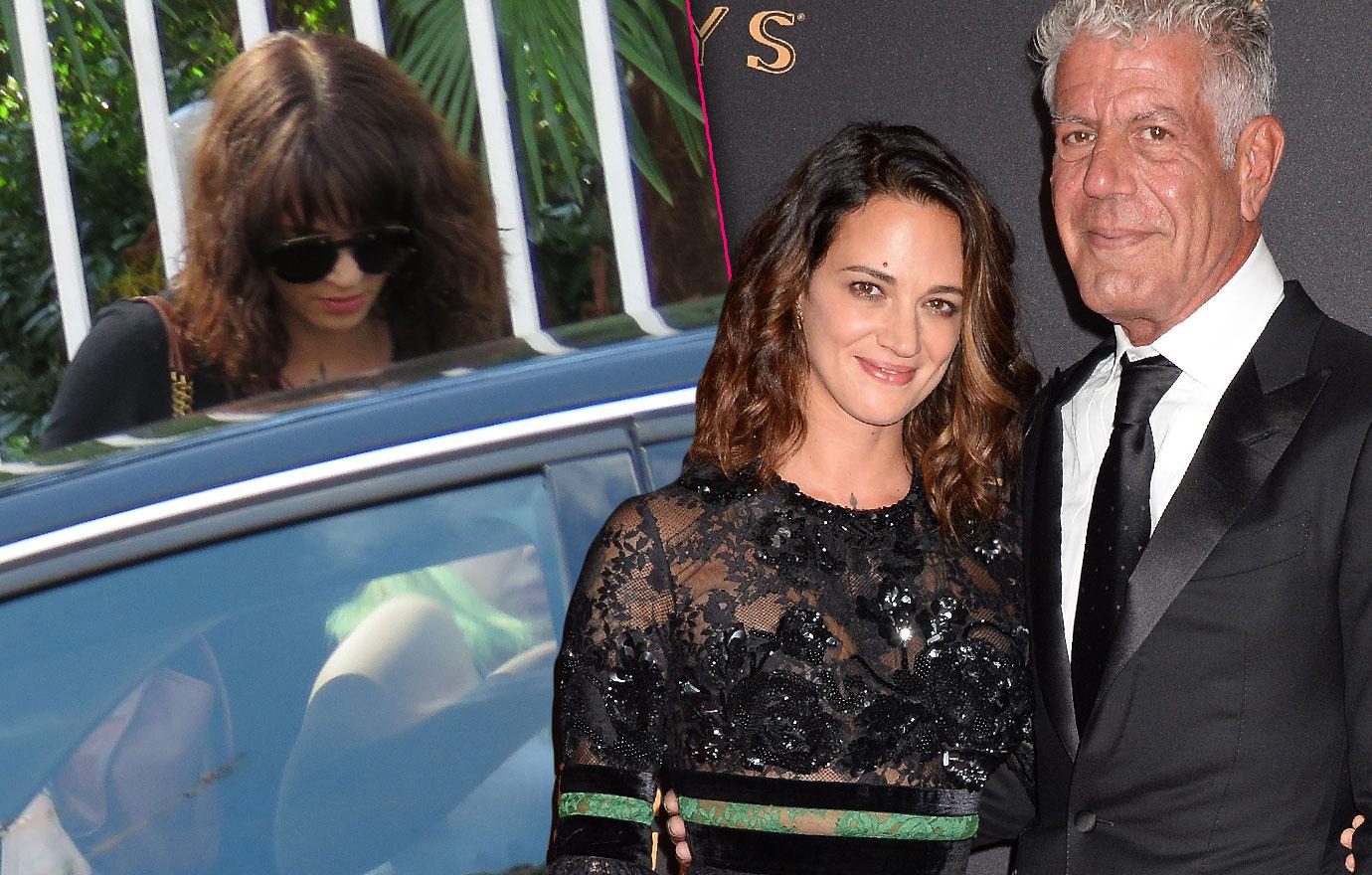
The relationship between Italian actress and director Asia Argento and the late chef, author, and television host Anthony Bourdain remains a subject of intense public interest and retrospective scrutiny. Their connection, which bridged the worlds of international gastronomy and European cinema, became a focal point of media coverage both during their time together and following Bourdain’s death in 2018. Understanding their narrative requires examining the timeline of their professional collaboration, the nature of their public interactions, and the complex media aftermath that followed the loss of a globally influential cultural figure.
Chronology of a High-Profile Connection
Anthony Bourdain and Asia Argento met in 2016 during the filming of an episode of Parts Unknown set in Rome. As the host of the CNN travel series, Bourdain had made a career out of deeply immersing himself in local cultures, and his interest in Argento aligned with his affinity for the Italian capital’s cinematic and culinary history. Their relationship became public in early 2017, coinciding with a period in which both figures were significantly involved in the #MeToo movement, which gained global momentum during that year.
For the public, the pairing seemed to represent a meeting of two intellectual and artistic sensibilities. Bourdain, often characterized by his sharp wit and self-deprecating humor, appeared to find a creative and personal kindred spirit in Argento. Throughout 2017 and early 2018, they shared glimpses of their lives through social media, often highlighting their shared travels and artistic pursuits. However, because both were established, opinionated public figures, their dynamic was rarely insulated from the pressures of fame or the scrutiny of their respective fan bases.
The Intersection of Personal Life and Media Scrutiny
The scrutiny surrounding their relationship intensified dramatically after Bourdain’s death in June 2018. Because Bourdain held a unique place in the hearts of millions of viewers who felt a parasocial connection to his adventurous spirit and candid storytelling, the search for answers regarding his final days led many to analyze every aspect of his personal life.
Asia Argento faced an extraordinary level of intense, often hostile, public and media criticism in the weeks and months following Bourdain’s passing. Much of the discourse on social media and in tabloid reporting sought to place blame or find causal links between the events of his life and his tragic death. This period marked a shift from appreciating the artistic contributions of both individuals to a polarized debate about the complexities of their private lives—a reality that is rarely as transparent as public perception suggests.
It is a documented historical fact that in the aftermath of these events, Argento spoke publicly about her grief and the vitriol she received. Her perspective was characterized by a defense of the private nature of their relationship and a rejection of the public’s attempts to dictate the narrative of a tragedy they were not privy to.
Public Statements and Retrospective Reflections
In the years since 2018, Argento has addressed the relationship in various interviews and through her own creative work. Her reflections often emphasize the depth of the intellectual and emotional connection she shared with Bourdain, frequently citing his profound influence on her life and his struggle with the pressures of his own global fame.
For followers of Bourdain’s work, these statements serve as a bridge to understanding a side of the man that was often obscured by his “bad boy” television persona. Argento has consistently maintained that the public narrative—which often sought to paint her as a villain in the final chapter of his life—was an unfair projection that ignored the nuances of their mutual affection and the reality of Bourdain’s long-standing struggles with mental health.
Key Aspects of the Public Narrative
| Theme | Common Media Representation | Reality of the Context |
|---|---|---|
| The Meeting | A catalyst for a change in his lifestyle. | A professional collaboration that evolved into a personal bond. |
| The #MeToo Stance | Often linked to their shared public activism. | Both held independent, strong views on systemic abuse. |
| Media Criticism | High levels of focus on Argento’s personal choices. | A reflection of parasocial grief manifested as blame. |
| Legacy | Tightly wound into his tragic conclusion. | A complex, private relationship between two adults. |
The Impact of Parasocial Relationships on Public Discourse
The case of Asia Argento and Anthony Bourdain highlights the dangers of parasocial relationships—a psychological phenomenon where fans develop one-sided emotional attachments to media figures. Because Bourdain’s Parts Unknown invited viewers into his inner world, his audience felt a profound sense of ownership over his life narrative. When the reality of his death did not match the perceived “happily-ever-after” or “adventurous ideal” that fans projected onto him, many looked for an external party to blame.
This explains why, in 2026, the internet still hosts significant debate regarding their time together. The analysis of this relationship often reveals more about the observer’s attachment to Bourdain than it does about the actual individuals involved. It serves as a study in how media platforms facilitate the distortion of private grief into public spectacle, leaving the grieving partner to navigate both personal loss and collective, often uninformed, condemnation.
Understanding the #MeToo Context
A vital component of the period during which they were together was their shared involvement in the #MeToo movement. Both were vocal critics of Harvey Weinstein; Argento was one of the most prominent accusers, and Bourdain used his platform to advocate for survivors and condemn the culture of silence in the entertainment and culinary industries.
Their alignment on these issues likely solidified their bond, as they were both operating within environments—film and food—that were undergoing massive, painful reckonings regarding power dynamics and abuse. When observers analyze their relationship, they often overlook this shared ideological battlefield. For the two of them, the bond was not merely romantic but forged in the fires of professional and ethical confrontation. Understanding this provides a more comprehensive view of why they were drawn to one another and why their connection was so significant to their respective lives at that specific historical juncture.
Frequently Asked Questions
Did Asia Argento and Anthony Bourdain ever collaborate professionally?
Yes. They met during the filming of the Rome episode of Parts Unknown in 2016. Later, Argento contributed to the series as a director and consultant, working on episodes that reflected her intimate knowledge of Italian culture and locations.
How has the public reception of Asia Argento changed over time?
In the immediate aftermath of 2018, she was subjected to intense, often vitriolic, criticism from segments of the media and fans. Over time, as more information regarding the complexities of mental health and the nature of public figure relationships has matured in the cultural consciousness, the discourse has moved toward a slightly more balanced, though still highly divided, perspective.
What has Asia Argento said about the criticism she faced?
She has frequently stated that the abuse and blame leveled at her were deeply traumatic and unfair. She has emphasized that the public was not present in their private life and that the simplistic narratives pushed by tabloids ignored the reality of their mutual support and affection.
Where can one find reliable information on their time together?
The most reliable information is found in reputable interviews conducted with Argento, as well as the official records of their professional collaborations via CNN’s Parts Unknown archives. Avoid tabloid sources that rely on speculative psychological analysis or anonymous, unverified sources.
Is the "blame" narrative supported by evidence?
No. There is no factual or legal evidence to support the hostile narratives often found in internet comment sections. Professionals in the field of mental health frequently reiterate that deaths related to complex struggles are rarely the result of a single person or event, and attributing blame to a partner is a form of projection rather than grounded fact.
Next Actions for Interested Researchers
If you are researching the life and legacy of Anthony Bourdain or the cultural impact of his relationship with Asia Argento, it is recommended to focus on primary source material. Watch the episodes of Parts Unknown where they collaborated to observe their professional dynamic directly. Read the interviews published in established, long-form journalism outlets—such as The New Yorker or The New York Times—that covered the period following 2018. These sources prioritize verified accounts over the speculative discourse common on social media.
By grounding your understanding in these verified, contextual sources, you can bypass the toxicity of social media threads and develop a more nuanced, empathetic, and historically accurate view of the relationship.