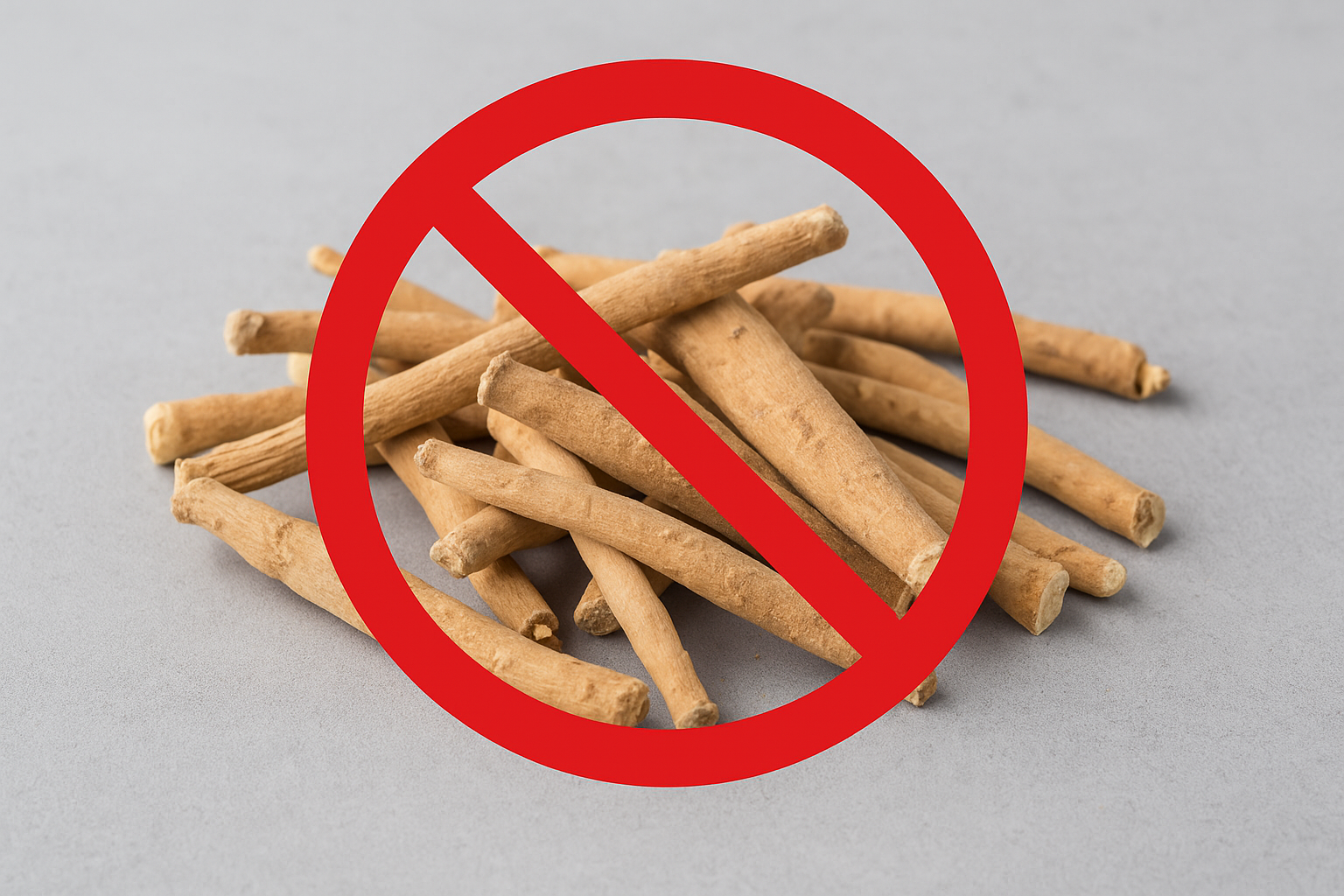
While Ashwagandha (Withania somnifera) is widely utilized as an adaptogen to modulate stress, clinical evidence supporting its direct efficacy in treating or preventing migraines remains inconclusive. Current research explores its potential to mitigate stress-related triggers; however, it lacks the robust, placebo-controlled data required to categorize it as a standalone clinical intervention for migraine disorders.
Understanding the Intersection of Stress and Migraines
To evaluate the role of Withania somnifera in migraine management, one must first recognize the mechanism of the condition itself. Migraines are complex neurological events, often characterized by episodic, debilitating pain, sensory hypersensitivity, and vasomotor instability. A significant percentage of migraineurs identify emotional, physical, or psychological stress as a primary trigger for their attacks.
This is where the interest in Ashwagandha begins. As an adaptogen—a class of plants believed to help the body resist biological, physical, and chemical stressors—Ashwagandha is theorized to influence the hypothalamic-pituitary-adrenal (HPA) axis. By potentially reducing cortisol levels, proponents argue that Ashwagandha might lower the overall "allostatic load," or cumulative stress, thereby theoretically reducing the frequency of stress-induced migraine attacks. However, equating stress reduction with migraine prophylaxis is a significant clinical leap that is not currently supported by rigorous, large-scale human trials.
The Pharmacological Profile of Ashwagandha
The primary active constituents in Ashwagandha are a group of steroidal lactones known as withanolides. These compounds have been studied for various biological activities, including anti-inflammatory, antioxidant, and immunomodulatory effects.
From a neurological perspective, some preliminary research in animal models suggests that withanolides may interact with GABAergic signaling—a neurotransmitter system often implicated in migraine pathophysiology. By potentially enhancing inhibitory neurotransmission, there is an academic hypothesis that Ashwagandha could theoretically stabilize neuronal excitability. Despite these intriguing findings in preclinical settings, translating these results to human migraineurs remains problematic. The bioavailability of various withanolide formulations varies significantly, and human trials focusing on the specific neurological pathways of the trigeminovascular system in migraine patients are essentially non-existent as of 2026.
Evaluating the Evidence: Current Clinical Status
When reviewing the literature on Ashwagandha and migraines, it is essential to distinguish between anecdotal wellness claims and evidence-based medicine.
- Lack of Migraine-Specific Trials: There are currently no high-quality, double-blind, randomized controlled trials (RCTs) that specifically test the efficacy of standardized Ashwagandha extract for the prevention or acute treatment of migraines.
- Extrapolated Benefits: Much of the existing literature focuses on Ashwagandha’s ability to reduce generalized anxiety or insomnia. While improving sleep hygiene and reducing anxiety are proven non-pharmacological methods to decrease migraine frequency, these represent indirect benefits rather than a direct therapeutic mechanism against migraine pathology.
- The Placebo Effect: In the context of chronic pain conditions like migraines, the placebo response can be exceptionally high. Without rigorous control groups, it is difficult to determine if a patient’s reported improvement is due to the chemical action of the herb or the psychological benefit of initiating a new health intervention.
Controversies and Safety Considerations
The use of Ashwagandha is not without controversy, particularly regarding standardized dosing and quality control. Because it is categorized as a dietary supplement in many jurisdictions, the regulatory oversight differs from that of pharmaceutical migraine medications.
- Standardization Issues: Different products use different extraction methods (root vs. leaf, water-based vs. alcohol-based). This lack of standardization makes it nearly impossible for clinicians to recommend a "therapeutic dose" for neurological conditions.
- Safety Profile: While generally considered safe for short-term use, long-term safety data is sparse. Potential concerns include:
- Thyroid Interaction: Ashwagandha has been shown in some studies to increase thyroid hormone levels, which could be problematic for patients with hyperthyroidism.
- Immune Stimulation: As an immunomodulator, it may exacerbate symptoms in patients with autoimmune disorders.
- Drug Interactions: Due to its potential sedative effects, it may interact with benzodiazepines, barbiturates, or other medications used to manage migraine-related comorbidities.
Comparison of Migraine Management Strategies
| Strategy Type | Mechanism | Evidence Level | Primary Focus |
|---|---|---|---|
| Triptans | Serotonin receptor agonists | High | Acute abortive treatment |
| CGRP Inhibitors | Calcitonin gene-related peptide antagonism | High | Prophylactic prevention |
| Stress Management | Cortisol regulation / Behavioral | Moderate | Trigger avoidance |
| Ashwagandha | Adaptogenic / HPA axis modulation | Very Low | General stress reduction |
Integrating Supplements into a Treatment Plan
For patients who wish to explore supplements, it is critical to adopt a structured approach. Never replace prescribed migraine medication with an unregulated supplement without consulting a healthcare provider.
- Step 1: Consult a Neurologist: Before introducing any new substance, discuss the current migraine management plan. A provider can identify potential contraindications based on your specific health history.
- Step 2: Tracking and Documentation: Use a migraine diary for at least 30 to 60 days before introducing the supplement. Note frequency, severity, and duration of attacks. Continue tracking after starting the supplement to identify any objective changes.
- Step 3: Quality Sourcing: If choosing to proceed, look for products that are third-party tested by organizations such as USP (United States Pharmacopeia) or NSF International. This helps ensure that the concentration of withanolides matches the label and that the product is free from heavy metals or biological contaminants.
- Step 4: Monitoring for Side Effects: Be alert for changes in energy levels, thyroid function, or gastrointestinal distress, all of which have been reported as secondary effects of botanical supplementation.
Frequently Asked Questions
Can Ashwagandha stop a migraine in progress? There is no evidence to suggest that Ashwagandha functions as an abortive treatment. It is not an analgesic and does not act on the immediate triggers of a migraine attack. It is strictly being studied for its potential preventative, systemic effects.
How long does it take to see results? If Ashwagandha is used to manage baseline stress levels, most studies on general adaptogenic effects suggest a minimum of 4 to 8 weeks of consistent daily usage before any subjective changes in stress resilience are noted.
Is Ashwagandha safe for everyone with migraines? No. Individuals with thyroid conditions, those who are pregnant or breastfeeding, or individuals taking immunosuppressants should avoid Ashwagandha unless specifically cleared by a physician. The herb’s physiological activity is broad, not localized.
Does Ashwagandha interact with standard migraine meds? There is a potential risk of interaction with sedatives or anti-anxiety medications. Because many migraine patients are also prescribed preventative drugs that impact the nervous system, the potential for additive effects must be evaluated by a clinical professional.
Should I choose root powder or extract? Most clinical studies use standardized root extracts. Raw powders are highly variable in their withanolide content, making them less reliable for any therapeutic application. Always prioritize extracts that specify the percentage of active compounds.
Expert Guidance and Next Actions
The decision to incorporate Ashwagandha into a migraine management strategy should be treated as an experiment rather than a guaranteed clinical solution. If you are struggling with chronic migraines, the most effective evidence-based path remains the optimization of lifestyle factors—sleep, hydration, and nutritional consistency—coupled with targeted medical intervention.
If you decide to trial Ashwagandha, frame it as a supplemental tool for stress management, not a cure for the migraine disorder itself. Schedule a follow-up appointment with your neurologist or headache specialist for six weeks after initiation to objectively review your migraine diary. If you do not observe a measurable reduction in the frequency or severity of your attacks, discontinue the supplement, as the risk of long-term, unmonitored use outweighs the unproven potential benefit.