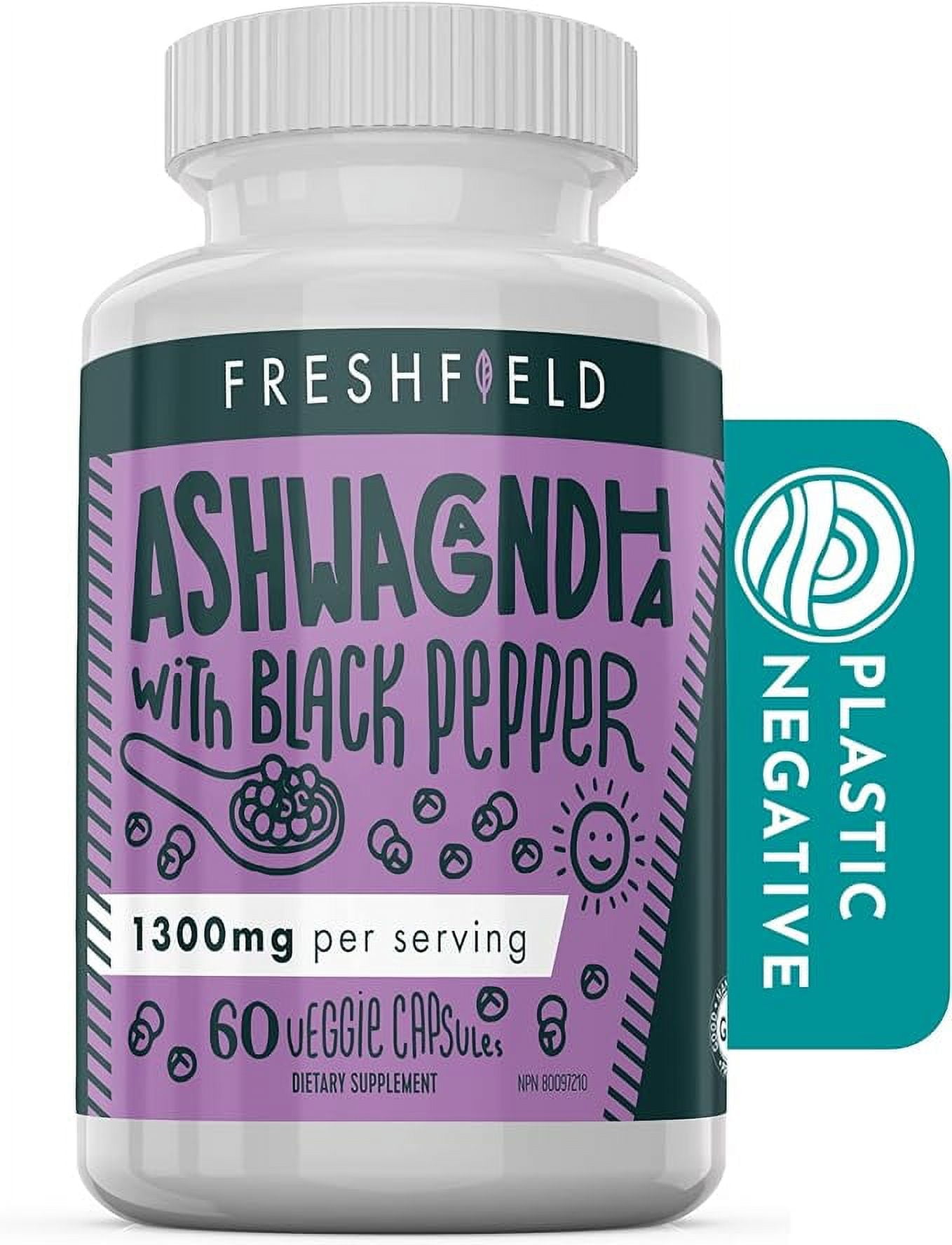
Ashwagandha (Withania somnifera) is a prominent adaptogenic herb traditionally used in Ayurvedic medicine to assist the body in managing physiological and psychological stress. When discussed in the context of "adrenal support," it is used by individuals seeking to modulate the HPA axis (hypothalamic-pituitary-adrenal axis), which regulates the body's cortisol production, helping to mitigate the effects of chronic stress and fatigue.
Understanding the HPA Axis and Adaptogens
The "adrenal fatigue" concept is a colloquial term rather than a formal medical diagnosis. In clinical endocrinology, the adrenal glands are recognized for their role in producing cortisol, a steroid hormone essential for metabolism, blood pressure regulation, and immune system function. Chronic stress can lead to dysregulation of the hypothalamic-pituitary-adrenal (HPA) axis, causing imbalances in cortisol output.
Adaptogens are a class of botanicals purported to increase the body’s non-specific resistance to stressors. Ashwagandha, specifically, contains active compounds known as withanolides. These steroidal lactones are the primary subjects of research regarding the herb’s influence on cortisol levels. By modulating the HPA axis, ashwagandha is believed to help the body return to homeostasis, preventing the extreme spikes or dips in cortisol that occur during prolonged periods of high stress.
Scientific Evidence for Cortisol Regulation
Research published in reputable journals, including the Indian Journal of Psychological Medicine, has explored the efficacy of high-concentration, full-spectrum ashwagandha root extracts in reducing stress and anxiety. Clinical trials consistently indicate that participants receiving standardized ashwagandha extract show statistically significant reductions in serum cortisol levels compared to placebo groups.
It is important to distinguish between "adrenal support" as a marketing claim and the physiological modulation of the HPA axis. Clinical evidence suggests that ashwagandha helps lower perceived stress scores on standardized assessments (such as the Perceived Stress Scale) and reduces objective markers like cortisol in adult populations. However, it does not "cure" adrenal dysfunction; rather, it functions as a supportive tool for individuals experiencing stress-related physiological manifestations.
Selecting and Verifying Ashwagandha Supplements
Not all ashwagandha products are manufactured with the same rigor. When selecting a supplement for stress management, the following factors should guide your decision:
- Standardization: Look for products that specify the concentration of withanolides. Most clinical studies utilize extracts standardized to 5% to 10% withanolides.
- Part of the Plant: Research is predominantly conducted on root extracts. Ensure the supplement is derived from the root, not the leaves, as the chemical profile differs significantly.
- Third-Party Testing: Since the supplement industry is regulated under the Dietary Supplement Health and Education Act (DSHEA) of 1994, manufacturers are responsible for ensuring safety. Third-party testing (by organizations like USP, NSF, or Informed Choice) confirms that the product contains what is listed on the label and is free from heavy metal contamination.
- Extraction Method: Water-based extraction is generally considered superior to chemical solvent extraction for maintaining the integrity of the herb’s active components.
Practical Usage and Dosage Guidelines
Clinical trials generally involve dosages ranging from 300 mg to 600 mg of standardized extract per day, often divided into two doses (e.g., morning and evening). Consistency is critical, as adaptogens often require several weeks of continuous use to reach their full physiological impact.
Comparative Overview of Common Preparations
| Preparation Type | Concentration | Primary Benefit |
|---|---|---|
| Standardized Extract | 5-10% Withanolides | Consistent dosing for clinical efficacy |
| Raw Root Powder | Variable | Traditional use; lower potency |
| KSM-66 Extract | 5% Withanolides | High clinical validation; water-extracted |
| Sensoril Extract | 8-10% Withanolides | Potent, often marketed for intense stress |
Note: The table above reflects common industry standards as of 2026. Always consult a healthcare provider regarding specific concentrations and personal health needs.
Safety, Contraindications, and Interactions
While generally well-tolerated, ashwagandha is not suitable for everyone. Its physiological effects on the immune system and hormone regulation necessitate caution in specific populations.
- Thyroid Function: Ashwagandha has been shown to increase thyroid hormone levels. Individuals with hyperthyroidism or those taking thyroid medication should avoid it unless explicitly approved by an endocrinologist.
- Autoimmune Conditions: Because it may stimulate immune activity, those with conditions like lupus, rheumatoid arthritis, or Hashimoto’s thyroiditis should approach it with care.
- Sedative Interactions: Due to its potential to promote relaxation, it may enhance the effects of sedatives, benzodiazepines, or sleep aids.
- Pregnancy and Breastfeeding: Data is insufficient to support the safety of ashwagandha use during pregnancy or lactation; it is generally advised to avoid supplementation during these periods.
Before initiating a new supplement regimen, verify your medical history with a primary care physician. If you are currently taking prescription medication, a drug-herb interaction check is essential to prevent adverse outcomes.
Managing Expectations and Lifestyle Factors
Supplementation with ashwagandha is most effective when integrated into a broader framework of stress management. Adaptogens function by supporting the body’s resilience, but they cannot compensate for chronic sleep deprivation, a nutrient-poor diet, or excessive physical strain.
- Sleep Hygiene: Maintain a consistent sleep-wake schedule to allow the HPA axis to reset naturally during the nocturnal cycle.
- Nutrient Intake: Ensure adequate intake of magnesium, B-vitamins, and Vitamin C, all of which are essential for adrenal gland function.
- Stress Reduction Techniques: Incorporate mindfulness-based practices, such as diaphragmatic breathing or progressive muscle relaxation, to provide a secondary mechanism for cortisol reduction.
Troubleshooting Common Issues
If you do not experience the desired effects after four to six weeks of consistent use, consider the following:
- Product Quality: Ensure you are using a high-quality, third-party verified extract. Many "bargain" supplements on the market lack the potency required to affect physiological markers.
- Underlying Conditions: If you suspect your symptoms are related to a clinical hormonal imbalance (such as Addison’s disease or Cushing’s syndrome), supplements will not resolve the issue. Seek formal diagnostic testing from a medical professional.
- Dosage Timing: If the supplement causes drowsiness, shift the dose to the evening. Conversely, if you find it stimulating—which occurs in some individuals—take it exclusively in the morning.
Frequently Asked Questions
Does ashwagandha provide instant relief for stress? No. Ashwagandha is an adaptogen, meaning its effects accumulate over time. While some report subtle relaxation within a few days, the modulation of cortisol levels and HPA axis resilience is typically observed after consistent use over a period of 4 to 8 weeks.
Can I take ashwagandha indefinitely? While many users take ashwagandha long-term, it is often recommended to cycle the supplement. A common protocol is to take it for 3 to 6 months, followed by a 2-to-4-week break. This prevents the body from becoming over-accustomed to the herb and allows you to assess your baseline health status.
Is ashwagandha safe for people with high blood pressure? Ashwagandha may have mild effects on blood pressure. If you are on antihypertensive medication, there is a potential for an additive effect. Monitor your blood pressure carefully when first introducing the supplement and consult your physician regarding dosage adjustments.
Does it interact with hormonal contraceptives? There is limited evidence suggesting specific interference with oral contraceptives. However, because ashwagandha impacts endocrine function, it is prudent to consult a gynecologist or pharmacist to discuss your specific medication profile before beginning supplementation.
How do I know if the ashwagandha is working? Progress is usually measured by subjective improvements in stress tolerance, sleep quality, and energy stability throughout the day. In a clinical setting, progress is confirmed through follow-up blood or salivary cortisol testing, though this is rarely necessary for casual, healthy users.
Final Recommendation
To effectively utilize ashwagandha for support of your HPA axis, prioritize a standardized, root-derived extract with third-party quality verification. Begin with the lowest effective dose (typically 300 mg) and monitor your body’s response for at least 30 days. Most importantly, use this supplement as a bridge to improved lifestyle habits rather than a permanent replacement for addressing the root causes of chronic stress. If symptoms of fatigue or anxiety persist, prioritize professional medical consultation over increased supplementation.